
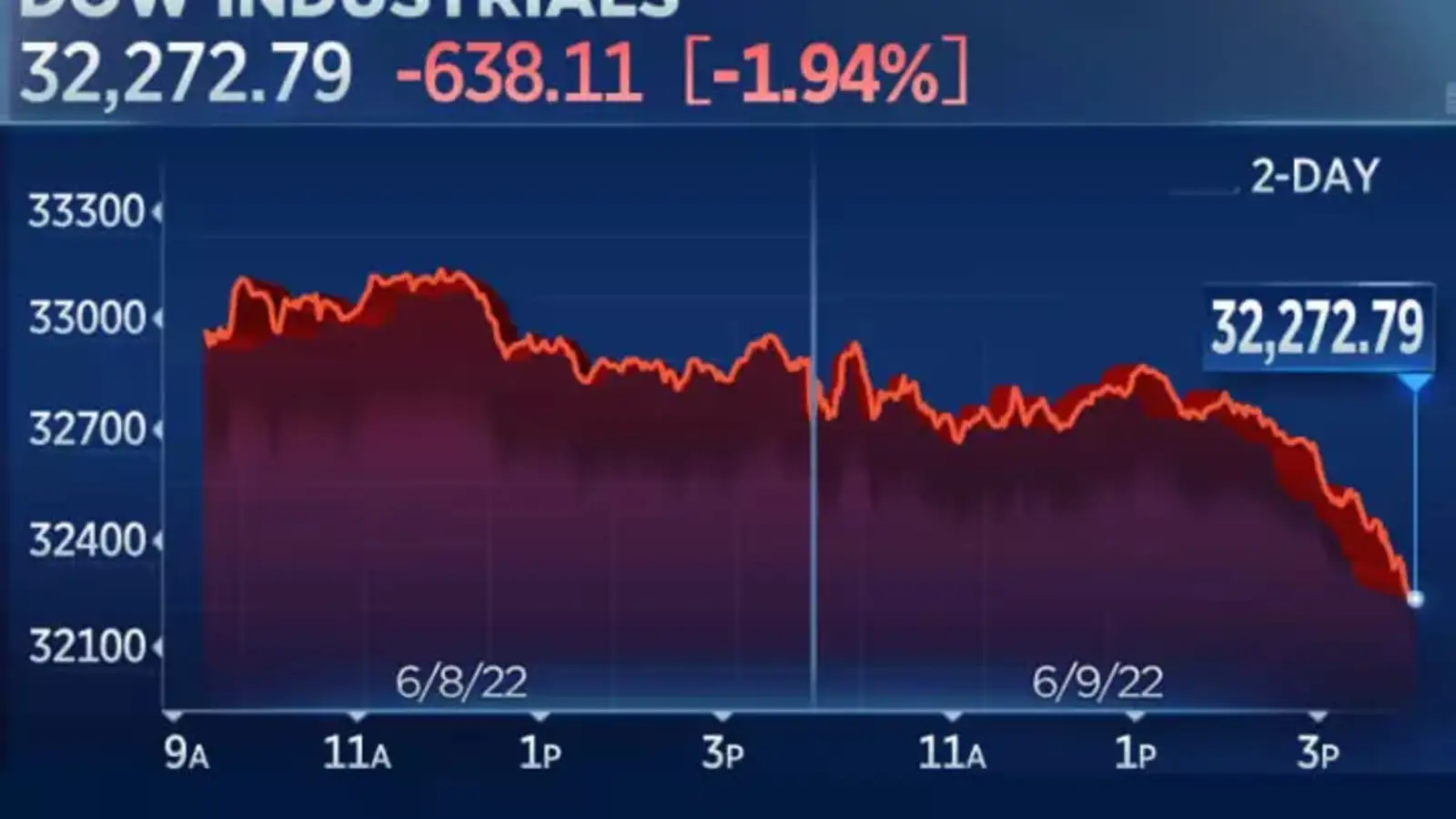
The S&P 500 index, a crucial benchmark for the broader U.S. stock market, is a dynamic entity, constantly reacting to a multitude of economic, political, and corporate influences. A “down day” is not an anomaly in the financial markets, but understanding the underlying drivers behind significant dips is essential for investors. Today’s decline in the S&P 500 is likely a confluence of several factors, ranging from macroeconomic shifts to specific corporate performances and prevailing investor sentiment.
Understanding Market Volatility and the S&P 500
Before delving into the specific reasons for today’s downturn, it’s vital to appreciate the nature of market fluctuations and the role of the S&P 500.
What is the S&P 500?
The S&P 500, or Standard & Poor’s 500, is a stock market index that tracks the performance of 500 of the largest publicly traded companies in the United States. It is a market-capitalization-weighted index, meaning companies with larger market values have a greater impact on the index’s performance. Often viewed as a bellwether for the U.S. economy, its movements reflect the collective health and investor sentiment towards a significant portion of the American corporate landscape. A decline in the S&P 500 generally indicates that the aggregate value of these leading companies has decreased, reflecting broader concerns about economic prospects or corporate profitability.
The Nature of Daily Fluctuations
Daily movements in the S&P 500 are a normal and expected part of investing. Markets are inherently volatile, reacting instantly to breaking news, economic data releases, corporate earnings, and even rumor. A minor dip might be attributed to routine profit-taking after a period of gains, or simply the daily ebb and flow of trading activity. However, a more pronounced “down day” typically signals deeper anxieties or a significant re-evaluation of future prospects by institutional and individual investors alike. These larger movements often stem from systemic issues that affect a broad swathe of the index’s constituent companies.
Macroeconomic Headwinds Weighing on Investor Sentiment
Much of the S&P 500’s performance is dictated by the broader economic environment. When the macroeconomic outlook darkens, it casts a long shadow over corporate earnings potential and investor willingness to take on risk.
Inflationary Pressures and Interest Rate Hikes
One of the most persistent concerns for markets recently has been elevated inflation. When inflation runs hot, it erodes the purchasing power of consumers and increases input costs for businesses, squeezing profit margins. In response, central banks, like the U.S. Federal Reserve, typically raise interest rates to cool the economy. While necessary to combat inflation, higher interest rates have several negative impacts on the stock market. They increase the cost of borrowing for companies, making expansion more expensive. Critically, higher rates also reduce the present value of future earnings, impacting the valuation of growth stocks particularly hard. Furthermore, a rising risk-free rate (e.g., Treasury yields) makes bonds a more attractive alternative to stocks, drawing capital away from equities.
Economic Growth Concerns and Recession Fears
Closely tied to inflation and interest rates are concerns about economic growth. Indicators such as GDP growth, manufacturing output, consumer spending, and employment figures are closely watched. If these indicators point towards a significant slowdown, or even a potential recession, investor confidence wanes. A contracting economy means reduced demand for goods and services, leading to lower corporate revenues and profits across almost all sectors. Companies may delay investments, cut costs, or even lay off workers, further dampening economic activity. The market often acts as a forward-looking mechanism, and if investors anticipate a downturn, they will price that into current stock valuations, leading to declines.
Geopolitical Tensions and Global Events
Events far beyond a company’s balance sheet can significantly impact global markets. Geopolitical tensions, such as ongoing conflicts, trade disputes, or political instability in key regions, introduce uncertainty and risk. These events can disrupt global supply chains, leading to shortages and increased costs for businesses worldwide. They can also trigger spikes in commodity prices, particularly oil and gas, which then feed into broader inflationary pressures. Furthermore, geopolitical instability can undermine investor confidence, leading to a flight to safety assets like government bonds, and a sell-off in riskier assets like stocks.
Corporate Performance and Sector-Specific Weaknesses
While macroeconomic factors set the stage, specific corporate performances and sector trends can also be powerful drivers of S&P 500 movements.
Earnings Season Disappointments
Throughout the year, companies report their quarterly earnings, providing insights into their financial health. A “down day” for the S&P 500 can often coincide with a period of disappointing earnings reports. If a significant number of S&P 500 companies miss their earnings estimates, or issue weaker-than-expected guidance for future quarters, it signals a broader problem. Lowered revenue projections, shrinking profit margins, or unexpected losses can trigger sharp declines in individual stock prices, which collectively drag down the index, especially if the underperforming companies are heavily weighted within the S&P 500.

Valuation Concerns in Key Sectors
Certain sectors, particularly technology and other growth-oriented industries, often trade at higher valuations based on expectations of strong future growth. However, if the economic environment shifts, or if those growth expectations become unrealistic, these high valuations can quickly become unsustainable. When interest rates rise, for example, the future cash flows of growth companies are discounted more heavily, making their current valuations appear less attractive. This can lead to significant sell-offs in these key sectors, which, given their large market capitalizations within the S&P 500, can have a substantial negative impact on the entire index. Investors may engage in “risk-off” trading, rotating out of highly speculative or overvalued assets into more defensive, value-oriented stocks.
Supply Chain Disruptions and Input Costs
Lingering issues with global supply chains continue to plague many industries. Bottlenecks, labor shortages, and logistical challenges can prevent companies from producing goods efficiently or getting them to market in a timely manner. Coupled with this, rising input costs – whether for raw materials, energy, or labor – eat into profit margins. Even if demand remains strong, companies may struggle to translate that demand into robust earnings due to these operational challenges. Investors, seeing these pressures affecting corporate guidance and profitability, may react by selling off shares of companies and sectors most vulnerable to these disruptions.
Technical Factors and Market Psychology
Beyond the fundamental economic and corporate news, market movements are also influenced by technical trading patterns and the collective psychology of investors.
Profit-Taking and Investor Behavior
After periods of strong market gains, it’s common for investors to engage in profit-taking. This simply means selling shares that have appreciated significantly to lock in gains. While a natural part of investing, widespread profit-taking can contribute to a downward trend, especially if there’s an absence of fresh positive news to attract new buyers. Fear and greed are powerful emotions in the market; a string of negative headlines can tip investor sentiment from optimism to caution or outright panic, leading to a cascade of selling as individuals and institutions rush to exit positions.
Algorithmic Trading and Momentum
In today’s highly computerized markets, algorithmic trading plays a substantial role. These automated systems execute trades based on pre-programmed rules and market data. If a negative trend begins, algorithms designed to follow momentum or react to certain technical indicators can exacerbate the selling pressure, accelerating the decline. Once a certain price level or technical support point is breached, these algorithms can trigger large sell orders instantaneously, creating a snowball effect that pushes the index down faster and further than fundamental factors alone might suggest.
Key Support Levels and Technical Breakdowns
Technical analysts closely watch “support levels,” which are price points where a falling stock or index has historically found buying interest and bounced back. When the S&P 500 falls below a significant support level, it can signal a “technical breakdown.” This event often triggers further selling, as traders who rely on technical analysis may interpret it as a sign of continued weakness. The breach of a key support level can psychologically impact the market, leading more investors to believe that further declines are imminent, thus intensifying the downward momentum.
What Investors Should Consider Amidst Declines
For investors, understanding why the S&P 500 is down is crucial, but equally important is knowing how to react.
Long-Term Perspective vs. Short-Term Noise
Daily market movements, even significant ones, are often short-term noise when viewed through a long-term investment lens. Historically, the S&P 500 has recovered from every downturn and continued its upward trajectory over extended periods. Focusing too heavily on daily fluctuations can lead to impulsive decisions that detract from long-term wealth creation. Maintaining a disciplined, long-term strategy, anchored in a well-diversified portfolio, is often the most prudent approach.
Diversification and Risk Management
A down day serves as a potent reminder of the importance of diversification. Spreading investments across different asset classes, sectors, and geographies helps mitigate the impact of weakness in any single area. Proper risk management, including understanding one’s own risk tolerance and aligning investments accordingly, prevents emotional overreactions during volatile periods. Ensuring your portfolio isn’t overly concentrated in a single sector or type of company can buffer against significant drops.

Opportunities in Volatility
While downturns can be unsettling, they also present opportunities for long-term investors. Lower stock prices mean that quality companies can be acquired at a discount. Strategies like dollar-cost averaging – investing a fixed amount regularly, regardless of market conditions – allow investors to buy more shares when prices are low. Rebalancing a portfolio can also be beneficial, selling assets that have performed well to buy those that have declined, thus maintaining desired asset allocation. A “down day” can be a moment for strategic reflection and potential realignment rather than panic.
aViewFromTheCave is a participant in the Amazon Services LLC Associates Program, an affiliate advertising program designed to provide a means for sites to earn advertising fees by advertising and linking to Amazon.com. Amazon, the Amazon logo, AmazonSupply, and the AmazonSupply logo are trademarks of Amazon.com, Inc. or its affiliates. As an Amazon Associate we earn affiliate commissions from qualifying purchases.