
The S&P 500 index stands as one of the most widely recognized benchmarks for the U.S. stock market and a cornerstone for countless investment portfolios globally. Representing 500 of the largest publicly traded companies in the United States, it offers broad exposure to the American economy, combining stability with significant growth potential. For investors looking to tap into the prosperity of these corporate titans, the question isn’t whether to invest in the S&P 500, but how to do so effectively and which specific vehicle to choose. This article will demystify the options, guiding you through the considerations necessary to make an informed decision aligned with your financial objectives.
Understanding the S&P 500: More Than Just an Index
Before diving into investment vehicles, it’s crucial to grasp what the S&P 500 truly represents and why it holds such prominence in the financial world. It’s more than just a list of companies; it’s a meticulously constructed barometer of the U.S. stock market’s health and performance.
What is the S&P 500?
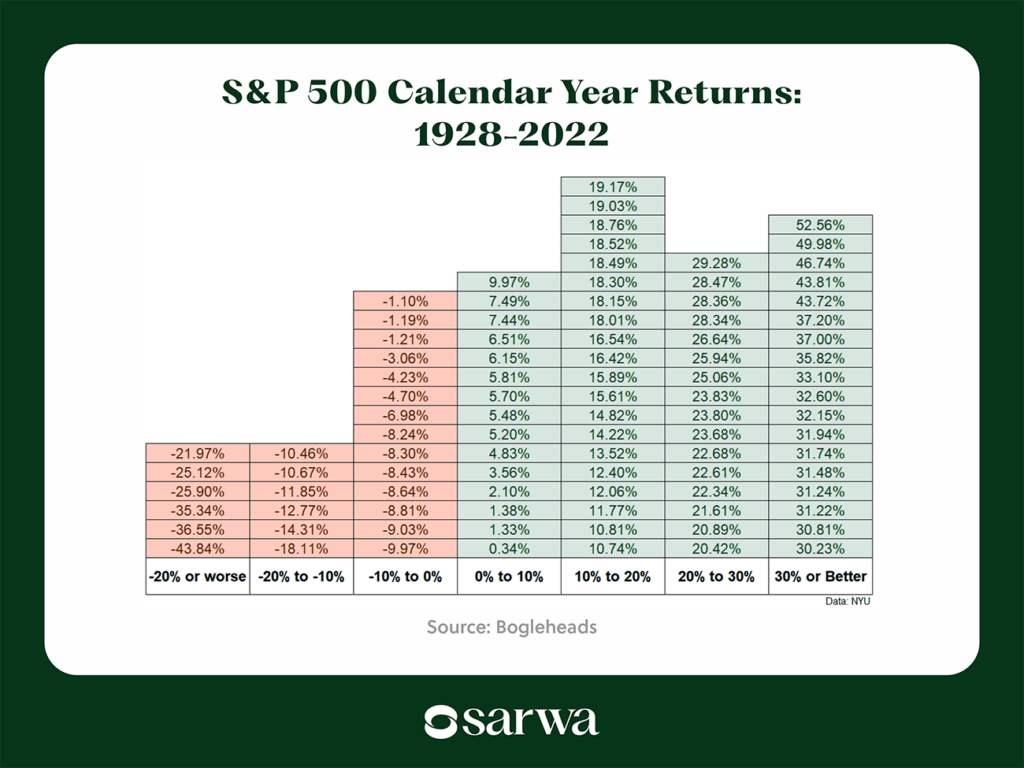
The S&P 500, or Standard & Poor’s 500, is a market-capitalization-weighted index of 500 of the largest U.S. publicly traded companies. This means that companies with larger market values (share price multiplied by the number of outstanding shares) have a greater impact on the index’s performance. It is maintained by S&P Dow Jones Indices and is chosen by a committee based on criteria such as market size, liquidity, and sector representation to ensure it reflects the overall composition of the U.S. economy. Iconic companies like Apple, Microsoft, Amazon, Google (Alphabet), and Tesla consistently feature among its top holdings, driving much of its performance. Historically, the S&P 500 has demonstrated an average annual return of approximately 10-12% over long periods, making it a powerful engine for wealth creation.
Why Invest in the S&P 500?
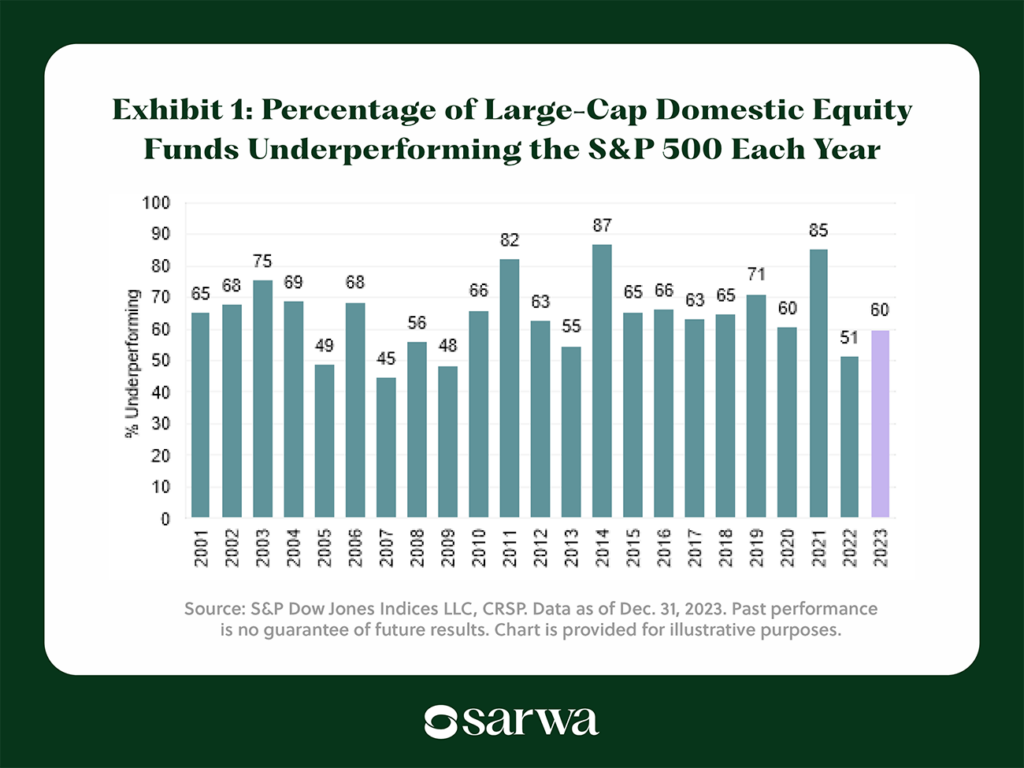
Investing in the S&P 500 offers a compelling blend of benefits for both novice and seasoned investors. Firstly, it provides unparalleled diversification. By holding a slice of 500 different companies across various sectors—from technology and healthcare to finance and industrials—investors significantly reduce the company-specific risk associated with individual stock picking. Even if one or two companies perform poorly, the impact on the overall portfolio is typically minimal. Secondly, its historical performance is robust and consistent over the long term, often outperforming actively managed funds after fees. This is largely due to the inherent efficiency of passive investing and the continuous evolution of its constituent companies. Lastly, its simplicity and low cost make it an attractive option. Instead of analyzing hundreds of companies, you can invest in the entire market with a single transaction, usually at a very low expense ratio. This ease of access and cost-effectiveness democratize sophisticated investing strategies, making it accessible to a broader audience.
Diverse Avenues to S&P 500 Exposure
While the S&P 500 itself is an index, you cannot directly invest in it. Instead, investors use various financial products designed to track its performance. The most popular and accessible options are Exchange-Traded Funds (ETFs) and Mutual Funds.
S&P 500 ETFs: The Popular Choice
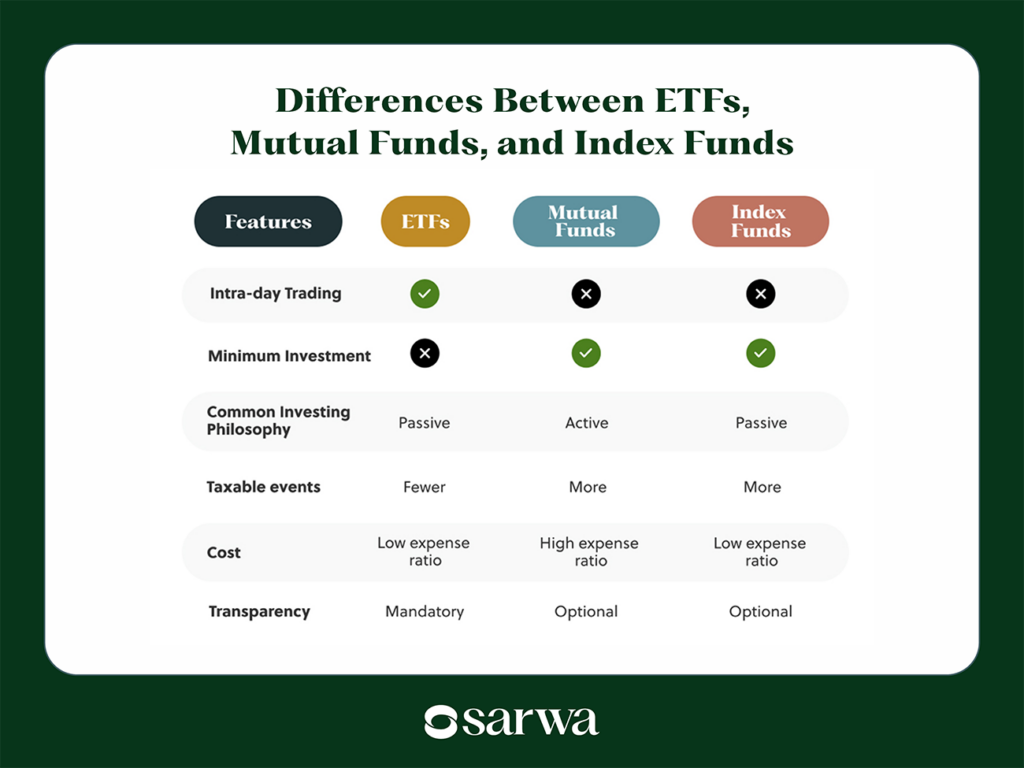
Exchange-Traded Funds (ETFs) that track the S&P 500 have become the preferred choice for many investors due to their flexibility, liquidity, and cost-efficiency. An S&P 500 ETF is essentially a basket of stocks that mirrors the S&P 500 index, traded on stock exchanges like individual stocks. This means you can buy and sell ETF shares throughout the trading day at market prices.
Key benefits of S&P 500 ETFs include:
- Low Expense Ratios: Most S&P 500 ETFs boast incredibly low expense ratios, often below 0.10% annually. This means a minuscule percentage of your investment goes towards management fees, allowing more of your returns to compound.
- Liquidity: Like stocks, ETFs can be bought and sold throughout the day, offering flexibility that mutual funds typically don’t.
- Tax Efficiency: ETFs are generally more tax-efficient than traditional mutual funds due to their creation/redemption mechanism, which often delays capital gains distributions.
Prominent examples of S&P 500 ETFs include:
- SPDR S&P 500 ETF Trust (SPY): The oldest and one of the largest ETFs, often used by institutional investors for its deep liquidity.
- iShares Core S&P 500 ETF (IVV): A popular choice from BlackRock, known for its low expense ratio.
- Vanguard S&P 500 ETF (VOO): Vanguard’s offering, also known for its extremely low expense ratio and broad appeal to long-term investors.
Choosing among these often comes down to minor differences in expense ratios, trading volume, and the specific brokerage platform you use. For most long-term investors, any of these highly liquid and low-cost options will serve well.
S&P 500 Mutual Funds: For Long-Term Savers
Before the advent of ETFs, mutual funds were the primary way for retail investors to gain diversified market exposure. S&P 500 mutual funds are pooled investment vehicles managed by fund managers who invest in the underlying stocks of the S&P 500.
Key aspects of S&P 500 mutual funds:
- Passive Management: Most S&P 500 mutual funds are passively managed index funds, meaning their goal is simply to replicate the index’s performance, not to outperform it. This keeps costs down.
- Automatic Investing: Many mutual funds offer automatic investment plans, making it easy to contribute regularly from your paycheck or bank account, facilitating dollar-cost averaging.
- End-of-Day Pricing: Unlike ETFs, mutual fund shares are priced once per day after the market closes. Transactions are executed at this Net Asset Value (NAV).
While some actively managed funds exist that try to beat the S&P 500, they often come with higher fees and historically struggle to consistently outperform the index. For S&P 500 exposure, passively managed index funds are almost always the superior choice. Vanguard’s Vanguard 500 Index Fund (VFIAX) is a prime example of a highly respected S&P 500 mutual fund with a low expense ratio.
Futures and Options: Advanced Strategies
For sophisticated investors with a higher risk tolerance and a deep understanding of derivatives, S&P 500 futures and options contracts offer another way to gain exposure or hedge existing positions. These instruments allow investors to speculate on the future direction of the S&P 500 without directly owning the underlying assets. However, they come with significantly higher risks, including the potential for substantial losses, and are generally not recommended for retail investors seeking broad, long-term market exposure. Their complexity and leverage characteristics make them suitable only for experienced traders.
Key Factors When Choosing Your S&P 500 Investment
Once you’ve decided on the type of investment vehicle (most likely an ETF or mutual fund), several critical factors should guide your selection among the numerous available options.
Expense Ratios: Every Basis Point Counts
The expense ratio is perhaps the most crucial factor. It represents the annual fee charged by the fund as a percentage of your total investment. Even a small difference in expense ratios can have a dramatic impact on your long-term returns due to the power of compounding. For instance, over 30 years, a fund with a 0.50% expense ratio will cost you significantly more in lost returns than one with a 0.03% expense ratio, even if both track the S&P 500 perfectly. Always prioritize funds with the lowest possible expense ratios for broad market indices like the S&P 500.
Tracking Error: How Closely Does it Mirror the Index?
Tracking error measures how well an ETF or mutual fund replicates the performance of its underlying index. A perfectly designed S&P 500 fund should ideally move in lockstep with the S&P 500 index itself. While small discrepancies are inevitable due to fees, operational costs, and sampling techniques, a lower tracking error indicates a more efficient and accurate fund. Reputable S&P 500 ETFs and mutual funds from major providers generally have excellent tracking accuracy. Reviewing a fund’s historical performance against the S&P 500 is a good way to assess its tracking error.
Fund Provider Reputation and Size
While less critical for highly standardized index funds, the reputation and size of the fund provider can offer peace of mind. Established firms like Vanguard, BlackRock (iShares), and State Street Global Advisors (SPDR) have extensive experience, robust infrastructure, and dedicated teams to manage these funds. Their large asset bases often translate to economies of scale, contributing to lower expense ratios and better liquidity for their ETFs.
Tax Efficiency
For investments held in taxable brokerage accounts, tax efficiency can impact your net returns. As mentioned, ETFs are generally more tax-efficient than traditional mutual funds. This is because the creation and redemption process of ETF shares allows fund managers to avoid distributing capital gains to shareholders, which can trigger taxes. Mutual funds, especially those that frequently trade underlying securities, may be required to distribute capital gains, leading to an annual tax event for investors. Consider holding tax-inefficient assets (like actively managed funds or high-turnover funds) in tax-advantaged accounts (e.g., 401(k)s, IRAs) if possible, and using tax-efficient ETFs for taxable accounts.
Strategic Considerations for Long-Term Growth
Investing in the S&P 500 is typically a long-term strategy aimed at capital appreciation and wealth accumulation. To maximize its potential, consider these strategic approaches.
Dollar-Cost Averaging: Smoothing Out Volatility
Dollar-cost averaging (DCA) is a powerful strategy that involves investing a fixed amount of money at regular intervals (e.g., $200 every month), regardless of market fluctuations. When prices are high, your fixed sum buys fewer shares; when prices are low, it buys more shares. Over time, this averages out your purchase price, reducing the risk of making a large investment at an inopportune market peak. DCA removes emotional decision-making from investing and fosters discipline, making it an excellent approach for long-term S&P 500 investors.
Reinvesting Dividends: Compounding Your Wealth
The companies within the S&P 500 regularly pay dividends, which are distributions of a company’s earnings to its shareholders. Many S&P 500 ETFs and mutual funds automatically reinvest these dividends by using them to purchase additional shares of the fund. This allows your investment to compound faster, as your dividends start earning their own returns. The power of compounding, especially when combined with a long investment horizon and consistent contributions, is the engine of significant wealth creation. Ensure your S&P 500 investment vehicle is set to automatically reinvest dividends.
Portfolio Context: S&P 500 as a Core Holding
While the S&P 500 offers broad diversification within U.S. large-cap equities, it’s essential to view it within the context of your entire investment portfolio. For many, an S&P 500 fund serves as a robust core holding, providing stable exposure to the backbone of the American economy. However, a truly diversified portfolio might also include international stocks (developed and emerging markets), mid-cap and small-cap U.S. stocks, and fixed income (bonds) to balance risk and capture different market opportunities. The appropriate asset allocation depends on your age, risk tolerance, and financial goals.
Long-Term Horizon: Patience is a Virtue
The S&P 500 has proven its resilience and growth potential over decades, but it experiences short-term fluctuations, corrections, and even bear markets. Successful S&P 500 investing requires a long-term perspective and the patience to weather these inevitable market downturns. Attempting to time the market by buying low and selling high is notoriously difficult and often leads to missed gains. By committing to a long-term horizon (10+ years), you allow the power of compounding and the historical upward trend of the market to work in your favor, transforming temporary volatility into sustained growth.
Conclusion
Investing in the S&P 500 is a proven strategy for building long-term wealth, offering diversification, strong historical returns, and cost efficiency. The primary decision for most investors will be whether to choose an S&P 500 Exchange-Traded Fund (ETF) or a passively managed S&P 500 mutual fund. Both offer excellent ways to track the index, with ETFs often preferred for their slightly better tax efficiency and intraday trading flexibility, while mutual funds might appeal for their automatic investment features.
Regardless of the vehicle, prioritize funds with the lowest possible expense ratios, demonstrate excellent tracking accuracy, and are offered by reputable providers. Integrate your S&P 500 investment into a broader, well-diversified portfolio, utilize dollar-cost averaging, and always reinvest your dividends. Most importantly, embrace a long-term perspective, allowing time and compounding to do their work. By making these informed choices, you can confidently invest in the S&P 500 and position yourself for significant financial success. If unsure, consulting with a qualified financial advisor can provide personalized guidance tailored to your unique financial situation and goals.
aViewFromTheCave is a participant in the Amazon Services LLC Associates Program, an affiliate advertising program designed to provide a means for sites to earn advertising fees by advertising and linking to Amazon.com. Amazon, the Amazon logo, AmazonSupply, and the AmazonSupply logo are trademarks of Amazon.com, Inc. or its affiliates. As an Amazon Associate we earn affiliate commissions from qualifying purchases.