
The S&P 500 index stands as one of the most widely watched barometers of the U.S. stock market and, by extension, the broader American economy. Representing 500 of the largest publicly traded companies in the United States, its movements are constantly scrutinized by individual investors, financial institutions, and policymakers alike. Understanding “what the S&P is doing” involves a deep dive into its composition, performance drivers, and the underlying economic currents that shape its trajectory.
The S&P 500: A Bellwether of the Economy
More than just a collection of stocks, the S&P 500 serves as a critical economic indicator, reflecting the health and sentiment of corporate America. Its performance often mirrors the confidence (or lack thereof) investors have in the future earnings potential of the nation’s most influential companies.
What is the S&P 500?
The S&P 500, or Standard & Poor’s 500, is a stock market index that tracks the stock performance of 500 large companies listed on stock exchanges in the United States. It is a market-capitalization-weighted index, meaning companies with larger market values have a greater impact on the index’s performance. The index aims to be a diverse representation of the U.S. economy, covering a broad range of sectors from technology and finance to healthcare and industrials. Its criteria for inclusion are stringent, requiring companies to meet certain liquidity, market capitalization, and profitability standards, ensuring that it truly reflects leading U.S. enterprises.
Why it Matters to Investors
For many investors, the S&P 500 is not just a benchmark but often the benchmark. It is frequently used to gauge the performance of investment portfolios, mutual funds, and exchange-traded funds (ETFs). If a fund manager claims to “beat the market,” they are typically referring to outperforming the S&P 500. Furthermore, because of its broad coverage, investing in an S&P 500 index fund or ETF provides instant diversification across many sectors and companies, making it a popular choice for long-term growth-oriented portfolios. Its historical average annual returns have made it a cornerstone of many retirement planning strategies.
How it’s Constructed (Market-Cap Weighting)
The market-capitalization weighting methodology is crucial to understanding the S&P 500’s dynamics. In this system, companies with larger market capitalizations (share price multiplied by the number of outstanding shares) exert a greater influence on the index’s movements. For instance, if a tech giant with a trillion-dollar market cap sees its stock rise by 1%, it will have a much more significant positive impact on the overall index than a smaller company with a market cap of $50 billion experiencing a 5% gain. This characteristic means that the performance of a handful of mega-cap companies, particularly those in the technology sector, can often disproportionately dictate the S&P 500’s direction, especially during periods of concentrated market leadership.
Recent Performance and Key Drivers
The S&P 500’s movements are never isolated; they are a direct reflection of a complex interplay of economic indicators, corporate health, and global events. Understanding these drivers is essential to interpreting its current trajectory.
Current Market Sentiment
Market sentiment, often described as the prevailing mood or tone among investors, significantly influences the S&P 500. Periods of bullish sentiment, driven by optimism about economic growth and corporate profits, tend to push the index higher. Conversely, bearish sentiment, fueled by fears of recession, inflation, or geopolitical instability, can lead to declines. Volatility, or rapid price swings, is a common feature of periods where sentiment is uncertain or rapidly shifting. Recent market behavior has often been characterized by a tug-of-war between optimism for sustained economic expansion and concerns over persistent inflation and potential interest rate hikes.
Economic Indicators Influencing the S&P
A range of macroeconomic data points profoundly impact the S&P 500. Inflation figures, such as the Consumer Price Index (CPI), directly influence the purchasing power of consumers and the profitability of businesses, affecting investor outlook. Interest rates, particularly those set by the Federal Reserve, are critical. Higher rates can increase borrowing costs for companies, dampen consumer spending, and make bonds more attractive relative to stocks, often leading to downward pressure on equity valuations. Gross Domestic Product (GDP) growth provides a broad measure of economic health; robust growth typically signals a strong environment for corporate earnings. Finally, employment data, including jobless claims and non-farm payrolls, indicates consumer strength and overall economic activity, which are vital for the top-line revenue of S&P 500 companies.
Corporate Earnings Landscape
At its core, the S&P 500 reflects the aggregated earnings power of its constituent companies. Strong corporate earnings reports often translate into stock price appreciation and boost the index. Conversely, widespread earnings misses or downward revisions to future guidance can trigger sell-offs. Recently, the technology sector has often played an outsized role in overall earnings growth, given the substantial market capitalization and revenue streams of its largest players. However, performance across different sectors can vary widely. While tech might soar, sectors like industrials or consumer discretionary may face headwinds from supply chain issues or changing consumer spending habits, leading to a nuanced overall picture for the index.
Geopolitical Factors and Global Impact
Beyond domestic economic forces, global events and geopolitical tensions exert considerable influence on the S&P 500. International conflicts, trade disputes, shifts in global supply chains, and economic slowdowns in major trading partners can create uncertainty, impacting investor confidence and corporate profitability. Companies in the S&P 500 often have significant international operations, making them susceptible to global economic fluctuations and political instability. For example, disruptions to energy markets or critical raw material supplies due to international events can ripple through various industries, affecting earnings and stock valuations.
Navigating the S&P: Strategies for Investors
Understanding the S&P 500’s current state is merely the first step; investors must then consider how to position their portfolios in response to its movements and the underlying economic conditions.
Long-Term vs. Short-Term Perspectives
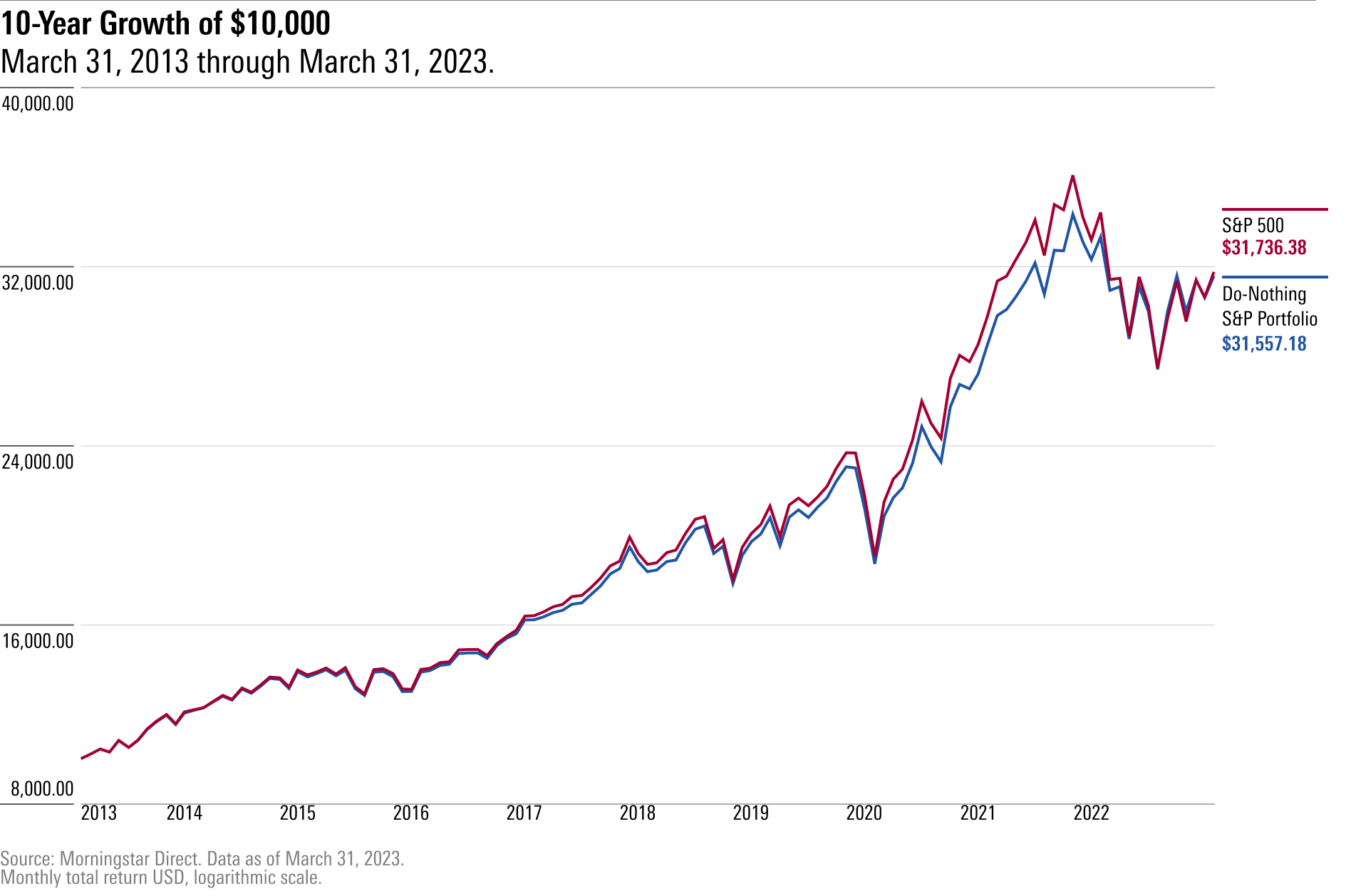
Successful investing in the S&P 500 often hinges on adopting an appropriate time horizon. While the index can experience significant short-term volatility driven by daily news cycles or fleeting sentiment, its historical performance has shown a consistent upward trend over longer periods. Long-term investors typically focus on the compounding power of returns, riding out market downturns with the expectation of future recovery and growth. Short-term trading strategies, in contrast, attempt to profit from immediate price fluctuations but carry substantially higher risks and require constant monitoring and active management. For the majority of investors, a long-term, buy-and-hold approach through diversified index funds tracking the S&P 500 has proven to be the most effective strategy.
Diversification Beyond the S&P
While the S&P 500 itself offers considerable diversification across large-cap U.S. companies, a truly robust portfolio often requires looking beyond this single index. Investors might consider diversifying with exposure to international stocks (developed and emerging markets), small-cap and mid-cap companies (which offer different growth profiles), and different asset classes such as bonds, real estate, or commodities. This broader diversification helps mitigate risks associated with over-reliance on a single market or segment, providing smoother returns during periods when U.S. large caps may be underperforming.
Utilizing S&P-tracking Instruments
For most individual investors, directly buying all 500 stocks is impractical. Fortunately, numerous investment vehicles are designed to track the S&P 500. Exchange-Traded Funds (ETFs) and Index Funds are the most popular options. These funds hold the underlying stocks in the same proportion as the index, offering investors a low-cost, convenient way to gain exposure to the S&P 500’s performance. They eliminate the need for stock picking and actively managed funds, making them ideal for those seeking broad market exposure with minimal effort and expense. Selecting an ETF or index fund with a low expense ratio is crucial for maximizing long-term returns.
Risk Management in a Volatile Market
Even for long-term investors, managing risk is paramount, especially when markets exhibit heightened volatility. Strategies include setting a clear asset allocation plan that aligns with one’s risk tolerance and financial goals, regularly rebalancing the portfolio to maintain that allocation, and avoiding emotional decisions during market downturns. Maintaining an emergency fund separate from investment capital ensures that unexpected expenses don’t force premature selling of investments. Understanding the potential for temporary losses and maintaining a disciplined approach are key to navigating the inevitable ups and downs of the S&P 500.
Looking Ahead: Potential Scenarios and Future Outlook
Predicting the exact future of the S&P 500 is impossible, but understanding the dominant forces likely to shape its path can help investors prepare and adjust their strategies.
Impact of Monetary Policy Shifts
The Federal Reserve’s monetary policy, particularly its stance on interest rates and quantitative easing/tightening, will continue to be a primary determinant of the S&P 500’s direction. Future interest rate hikes or cuts will directly influence corporate borrowing costs, consumer spending, and the attractiveness of equity valuations relative to fixed-income investments. Any significant shifts in the Fed’s strategy, whether in response to inflation, employment, or financial stability concerns, will send ripples throughout the stock market. Investors will be closely watching for signals regarding the future trajectory of monetary policy.
Technological Innovation and Market Leadership
The ongoing pace of technological innovation remains a potent force. Companies at the forefront of AI, cloud computing, biotechnology, and renewable energy are poised for significant growth, potentially driving the S&P 500 higher. However, this also presents a concentration risk; if a few dominant tech companies continue to lead, the broader market’s health might obscure underperformance in other sectors. The market will be evaluating which companies and sectors are best positioned to capitalize on emerging technologies and societal shifts, potentially leading to new market leaders over time.
Emerging Market Trends and Global Integration
The S&P 500 is not immune to global economic trends. The growth trajectories of emerging markets, the stability of global supply chains, and international trade relationships will all play a role. As many S&P 500 companies derive a substantial portion of their revenue from overseas, their performance is inherently tied to global economic health and stability. Furthermore, global efforts towards sustainability and environmental initiatives could spur growth in specific sectors while posing challenges to others.

The Role of Valuations and Investor Psychology
Ultimately, the S&P 500’s future will also be shaped by its current valuations and the collective psychology of investors. If valuations appear stretched relative to historical averages or earnings growth expectations, a correction could occur. Conversely, periods of undervaluation can present opportunities for long-term gains. Investor sentiment, influenced by a myriad of factors from economic data to media narratives, can create self-fulfilling prophecies in the short term, but fundamental factors eventually reassert themselves over the long run. A vigilant eye on both intrinsic value and market sentiment will be essential for navigating the S&P 500’s path forward.
aViewFromTheCave is a participant in the Amazon Services LLC Associates Program, an affiliate advertising program designed to provide a means for sites to earn advertising fees by advertising and linking to Amazon.com. Amazon, the Amazon logo, AmazonSupply, and the AmazonSupply logo are trademarks of Amazon.com, Inc. or its affiliates. As an Amazon Associate we earn affiliate commissions from qualifying purchases.