
In an era defined by digital transformation, the once exclusive world of stock market investing has become remarkably accessible to the average individual. Gone are the days when purchasing shares required a direct phone call to a traditional broker or navigating complex financial institutions. Today, the power to build a diversified investment portfolio, track market movements, and execute trades rests comfortably in the palm of your hand, thanks to the proliferation of online brokerage platforms. This paradigm shift has democratized investing, offering unprecedented control, cost-efficiency, and convenience.
However, with great accessibility comes the responsibility of informed decision-making. While the process of purchasing shares online might appear straightforward, understanding the underlying mechanisms, potential pitfalls, and best practices is crucial for long-term success. This comprehensive guide will walk you through everything you need to know to confidently embark on your journey of online share purchasing, empowering you to take control of your financial future.
Understanding the Landscape of Online Investing
The journey to purchasing shares online begins with a fundamental grasp of how this modern investment ecosystem operates, recognizing its evolution, inherent advantages, and potential challenges.
Evolution of Share Trading
Historically, share trading was a high-friction process. Investors relied heavily on full-service stockbrokers who offered personalized advice, research, and executed trades on their behalf, often at significant commission rates. The advent of the internet in the late 20th century, coupled with technological advancements, paved the way for online brokerages. These platforms allowed investors to bypass traditional intermediaries, offering direct access to stock exchanges and enabling self-directed trading. This innovation dramatically reduced transaction costs and democratized market participation, transforming investing from an elite activity into a mainstream pursuit. Today, a vast array of online brokers, from established financial giants to agile fintech startups, compete to offer user-friendly interfaces, extensive research tools, and competitive pricing, making online share purchasing more accessible than ever before.
The Benefits of Online Share Purchasing
The shift to online platforms has unlocked several compelling advantages for investors. Foremost among these is unparalleled accessibility. Anyone with an internet connection and a bank account can open a brokerage account and begin investing, regardless of their location. This eliminates geographical barriers and significantly lowers the entry threshold. Secondly, lower costs are a major draw. Online brokers typically charge significantly lower commissions per trade, with many even offering commission-free trading for stocks and ETFs, a stark contrast to the higher fees associated with traditional brokers. This cost efficiency allows more of your capital to remain invested and compound over time. Thirdly, online platforms provide investors with enhanced control and flexibility. You have the autonomy to research investments, place trades, and manage your portfolio at any time, from anywhere, without needing to consult a third party. Finally, online platforms often offer a diverse range of investment options beyond just individual stocks, including Exchange Traded Funds (ETFs), mutual funds, bonds, and even cryptocurrencies, allowing for comprehensive portfolio diversification.
Potential Risks and Considerations
While online investing offers numerous benefits, it’s imperative to acknowledge and prepare for its inherent risks. Market volatility is perhaps the most significant. Stock prices can fluctuate dramatically due to economic news, company performance, geopolitical events, or even market sentiment. There’s no guarantee that an investment will increase in value, and you could lose part or all of your principal. Furthermore, the ease of online trading can sometimes lead to impulsive decisions or over-trading, especially for novice investors who might be tempted by short-term gains or swayed by market hype. A lack of thorough market research before investing is another critical pitfall. Relying solely on headlines or social media tips without understanding a company’s fundamentals can lead to poor investment choices. Finally, while platforms are generally secure, digital security risks such as phishing scams, account hacking, or data breaches, though rare, are always a consideration. It’s crucial to use strong, unique passwords, enable two-factor authentication, and be vigilant about suspicious communications.
Essential Steps Before You Invest Online
Before you even think about opening a brokerage account or placing your first trade, a crucial preparatory phase is required. This involves self-reflection, education, and prudent financial planning.
Define Your Investment Goals and Risk Tolerance
The foundation of any successful investment strategy is a clear understanding of your personal financial objectives. What are you investing for? Are you saving for a short-term goal like a down payment on a house (perhaps 3-5 years) or a long-term goal like retirement (20+ years)? Your timeline will significantly influence your investment choices. Equally important is assessing your risk tolerance – your comfort level with potential fluctuations in your investment’s value. Are you comfortable with aggressive investments that have higher potential returns but also higher potential losses, or do you prefer a more conservative approach with stable, albeit lower, returns? Understanding whether you’re a conservative, moderate, or aggressive investor will guide your selection of assets and overall portfolio construction. This introspection is paramount; without clearly defined goals and an honest assessment of your risk appetite, your investment journey can quickly become rudderless.
Conduct Thorough Market Research
Once your goals are set, the next critical step is diligent research. Investing blindly is akin to gambling. You need to understand what you’re buying. This involves delving into potential companies: examining their business models, financial health (revenue, profit, debt), management team, competitive landscape, and growth prospects. Read company annual reports (10-K filings for US companies), quarterly earnings calls, and independent analyst reports. Beyond individual companies, research broader industry trends and macroeconomic factors that could impact your investments. Are certain sectors poised for growth? Are there regulatory changes on the horizon? Utilize the wealth of information available through your chosen brokerage platform, financial news websites, and reputable investment analysis tools. Remember, knowledge is your most powerful asset in the stock market.
Determine Your Investment Capital
Before committing any funds, establish exactly how much you can comfortably afford to invest. This means having a solid emergency fund (typically 3-6 months’ worth of living expenses) in an easily accessible savings account. Never invest money that you might need in the short term, or money that is crucial for daily living expenses, debt repayment, or other essential financial obligations. The stock market is best suited for long-term capital that you are prepared to leave invested for several years, allowing it time to weather market downturns and benefit from compounding returns. Start with an amount that, should you lose it, would not significantly impair your financial well-being. It’s often better to start small and gradually increase your contributions as you gain experience and confidence, rather than risking a large sum upfront.
Choosing the Right Online Brokerage Platform
The online brokerage platform will be your gateway to the stock market. Selecting the right one is a pivotal decision that can significantly impact your investing experience and overall returns.
Key Factors for Broker Selection
Several crucial factors should guide your choice of an online broker. Firstly, fees and commissions are paramount. While many brokers now offer commission-free stock and ETF trades, be sure to check for other charges like account maintenance fees, inactivity fees, withdrawal fees, or fees for specific order types. Hidden fees can erode your returns over time. Secondly, evaluate the available investment products. Does the broker offer only stocks and ETFs, or do they also provide access to options, mutual funds, bonds, or international markets if those are part of your strategy? Thirdly, assess the research tools and educational resources provided. A good broker will offer robust charting tools, analyst reports, news feeds, screeners, and educational content to help you make informed decisions. Fourthly, consider customer support – is it responsive, knowledgeable, and available through multiple channels (phone, chat, email)? A user-friendly interface is also critical, especially for beginners. The platform should be intuitive and easy to navigate. Finally, and perhaps most importantly, ensure the broker is regulated by relevant financial authorities (e.g., SEC and FINRA in the US, FCA in the UK) and offers investor protection (e.g., SIPC insurance in the US).
Types of Online Brokerages
While the landscape is diverse, online brokerages broadly fall into a few categories. Discount brokers are the most common for self-directed online share purchasing. They offer low-cost trading, robust platforms, and extensive research tools, but typically provide little to no personalized investment advice. This category is ideal for investors who prefer to manage their own portfolios. On the other hand, full-service brokers (though often operating with an online presence) provide personalized advice, wealth management services, and in-depth research, but at a higher cost. They cater to investors who prefer a hands-off approach or require comprehensive financial planning. Another growing segment is robo-advisors, which use algorithms to build and manage diversified portfolios based on your risk tolerance and goals, usually at a lower fee than human financial advisors. While not directly for individual stock picking, they are an excellent option for beginners looking for automated, low-cost portfolio management. For online share purchasing, discount brokers will be your primary focus.
Opening and Funding Your Brokerage Account
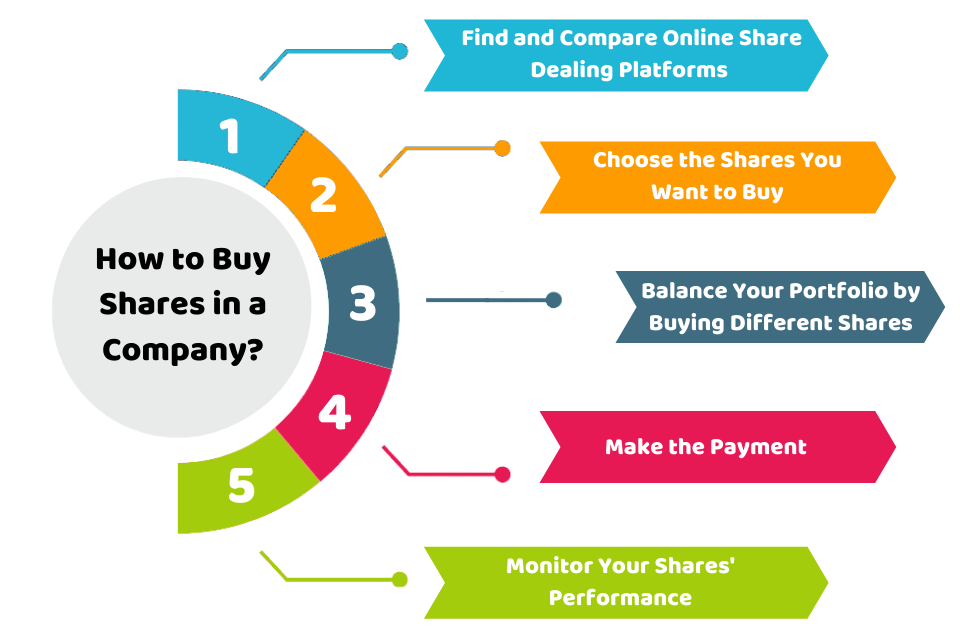
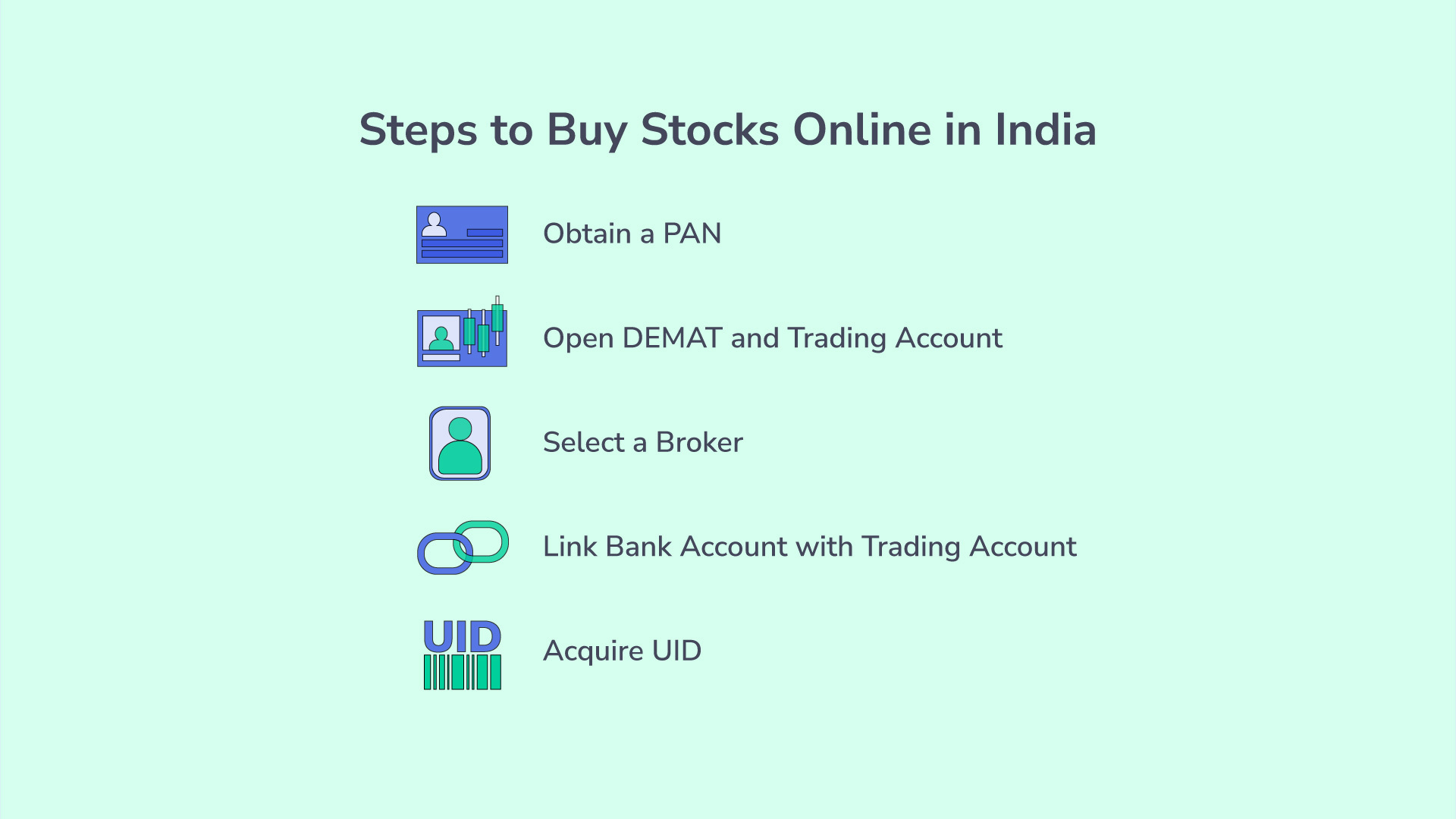
Once you’ve chosen a broker, opening an account is a relatively straightforward process. You’ll typically complete an online application that requires personal information (name, address, Social Security Number/Tax Identification Number), employment details, and your investment objectives and risk tolerance. This is part of the “Know Your Customer” (KYC) process, a regulatory requirement to prevent fraud and money laundering. You’ll also need to verify your identity, often by uploading a photo of a government-issued ID. Once your account is approved, the next step is funding it. Most brokers offer various methods: electronic funds transfer (ACH) from your bank account, wire transfers, or even transferring an existing investment account from another broker. ACH transfers are usually free but can take a few business days to process, while wire transfers are faster but often incur a fee. Ensure your bank account is linked correctly to facilitate seamless deposits and withdrawals.
Executing Your First Online Share Purchase
With your account open and funded, you’re ready to make your first trade. This section will guide you through the practical steps of placing an order.
Navigating the Trading Interface
Every online brokerage platform has its unique layout, but common elements include a search bar, watchlists, portfolio overviews, and a trading interface. Start by familiarizing yourself with these features. Use the search bar to find the specific company you wish to invest in by its ticker symbol (e.g., AAPL for Apple Inc.) or company name. Once selected, you’ll typically see a detailed quote page displaying the current stock price, historical charts, key financial metrics, news, and research reports. It’s crucial to understand order types before placing a trade. A market order is an instruction to buy or sell shares immediately at the best available current price. While simple, the execution price might differ slightly from the displayed price, especially in volatile markets. A limit order allows you to specify the maximum price you’re willing to pay to buy shares or the minimum price you’re willing to accept to sell shares. This gives you more control over the execution price but isn’t guaranteed to fill if the market doesn’t reach your specified limit. A stop-loss order is a common risk management tool used to sell a stock if its price falls to a certain level, limiting potential losses.
Placing an Order
To place an order, you’ll typically click a “Trade” or “Buy/Sell” button on the stock’s quote page. This will open an order entry form.
- Select the action: “Buy” or “Sell.”
- Choose the order type: “Market” for immediate execution, “Limit” for price control, etc.
- Specify the quantity: Enter the number of shares you wish to buy or the dollar amount if your broker supports fractional shares.
- Set the limit price (if applicable): For a limit order, enter your desired maximum purchase price.
- Choose the time in force: This dictates how long your order remains active. “Day” means it expires at the end of the trading day if not filled. “Good ’til Canceled” (GTC) means it remains active until filled or canceled manually.
- Review the order: Double-check all details, including the ticker symbol, quantity, price, and estimated cost, to ensure accuracy.
- Confirm the order: Once you’re confident, confirm the trade. You’ll typically receive a confirmation message.
Understanding Transaction Costs
Even with commission-free trading, there can be other subtle costs. The bid-ask spread is the difference between the highest price a buyer is willing to pay (bid) and the lowest price a seller is willing to accept (ask). When you buy at market, you pay the ask price, and when you sell, you get the bid price. This small difference is an implicit cost of trading. Some brokers might charge regulatory fees, small per-share fees passed on from financial authorities. While minimal, being aware of all potential charges ensures you have a complete picture of your transaction costs.
Confirming and Monitoring Your Investment
After placing your order, check your “Order Status” or “Activity” section on the platform to confirm that the trade has been executed (“filled”). Once filled, the shares will appear in your portfolio. It’s crucial to continuously monitor your investments. Check your portfolio regularly to track the performance of your shares, staying updated on news related to the companies you own and broader market trends. Most platforms offer detailed portfolio views, showing your current holdings, their market value, daily gains/losses, and overall profit/loss. This ongoing monitoring is essential for making informed decisions about whether to hold, buy more, or sell your shares.
Beyond Your Initial Purchase: Managing Your Online Portfolio
Purchasing shares online is just the beginning. Effective portfolio management is an ongoing process that requires discipline, continuous learning, and strategic adjustments.
Continuous Monitoring and Research
The stock market is dynamic, constantly influenced by new information. Your investment journey doesn’t end after you click “buy.” It’s imperative to consistently monitor the performance of your holdings and stay informed about significant developments. This includes following company earnings reports, news releases, industry trends, and macroeconomic indicators. Set up news alerts for your specific stocks or sectors. While daily price fluctuations shouldn’t dictate your long-term strategy, being aware of material changes in a company’s fundamentals or the broader economic environment is crucial for making informed decisions about whether to hold, add to, or sell your positions. Regularly revisit your investment thesis for each stock to ensure it still holds true.
Diversification Strategies
One of the golden rules of investing is diversification. “Don’t put all your eggs in one basket.” This strategy involves spreading your investments across various asset classes, industries, and geographies to minimize risk. If one investment performs poorly, the impact on your overall portfolio is mitigated by others that are performing well. For online share purchasing, this means not just buying different stocks, but also considering different sectors (e.g., tech, healthcare, consumer staples), market capitalizations (large-cap, mid-cap, small-cap), and potentially even diversifying beyond individual stocks into ETFs or mutual funds that offer inherent diversification. A well-diversified portfolio helps protect against the volatility of individual stocks and enhances the probability of achieving your long-term financial goals.
Rebalancing Your Portfolio
Over time, the performance of different assets in your portfolio will cause its allocation to drift from your original target. For instance, if your tech stocks perform exceptionally well, they might grow to represent a larger percentage of your portfolio than you initially intended, increasing your overall risk exposure to that sector. Rebalancing is the process of adjusting your portfolio back to your desired asset allocation. This typically involves selling a portion of your best-performing assets and using those proceeds to buy more of your underperforming assets or assets that have become underweight. Rebalancing helps maintain your desired risk level and ensures you’re not overly exposed to any single area. This can be done periodically (e.g., once a year) or when your allocation deviates by a certain percentage.
Tax Implications of Online Investing
Understanding the tax implications of your online investments is critical. When you sell shares for a profit, you’ll generally incur capital gains taxes. The rate at which you’re taxed depends on how long you held the shares. Short-term capital gains (assets held for one year or less) are typically taxed at your ordinary income tax rate, while long-term capital gains (assets held for more than one year) usually qualify for preferential, lower tax rates. Dividends received from stocks are also generally taxable. Keep meticulous records of all your trades, including purchase dates, prices, sale dates, and prices. Your brokerage firm will typically provide year-end statements (e.g., Form 1099-B for US investors) summarizing your transactions and taxable events, but it’s always wise to maintain your own records and consult with a tax professional to ensure compliance and optimize your tax strategy.

Conclusion
Purchasing shares online has revolutionized how individuals interact with financial markets, offering an accessible, cost-effective, and empowering path to wealth creation. By understanding the modern investment landscape, diligently preparing your finances, choosing the right platform, and executing trades with care, you can confidently navigate the exciting world of online investing. However, remember that successful investing is a marathon, not a sprint. It demands continuous learning, disciplined execution of your strategy, consistent monitoring, and prudent risk management through diversification and rebalancing. While the digital tools make it easier than ever to participate, true success stems from an informed approach, patience, and a long-term perspective. Embrace the journey, educate yourself continually, and take control of your financial destiny one smart online share purchase at a time.
aViewFromTheCave is a participant in the Amazon Services LLC Associates Program, an affiliate advertising program designed to provide a means for sites to earn advertising fees by advertising and linking to Amazon.com. Amazon, the Amazon logo, AmazonSupply, and the AmazonSupply logo are trademarks of Amazon.com, Inc. or its affiliates. As an Amazon Associate we earn affiliate commissions from qualifying purchases.