
In the world of brand strategy and corporate identity, the names we use to describe a demographic are never “just” names. They are powerful identifiers that carry emotional weight, historical resonance, and significant market value. When exploring the question of what Puerto Ricans are called, we move beyond simple nomenclature into the complex territory of cultural branding. Whether a brand chooses to use the term “Puerto Rican,” “Boricua,” or “Nuyorican,” the decision serves as a strategic signal of authenticity, inclusivity, and market positioning.
For brand managers and marketing strategists, understanding these distinctions is the difference between a campaign that resonates deeply and one that feels like a generic, outside-in observation. This article explores the branding power of these identities and how businesses can navigate the nuances of nomenclature to build lasting equity within this influential market.
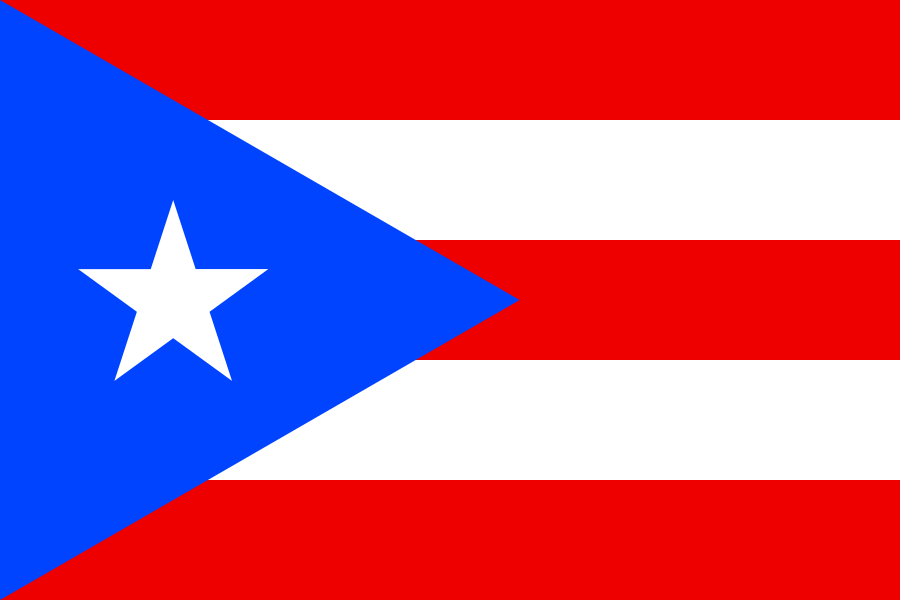
Understanding the Nomenclature: Puerto Rican vs. Boricua in Brand Strategy
At its most basic level, “Puerto Rican” is the formal ethnonym for someone from the archipelago of Puerto Rico. From a branding perspective, this is the “official” label—the one used in census data, legal documents, and formal international relations. However, in the realm of high-impact marketing, the term “Boricua” often holds more psychological and emotional equity.
The Legalistic vs. The Emotional Brand
“Puerto Rican” functions as a geographic and political identifier. It is the brand name of the nationality. In contrast, “Boricua” is an indigenous-derived term coming from Borikén, the Taíno name for the island. In strategic branding, we often distinguish between “what a product is” and “what a product feels like.” If “Puerto Rican” describes the origin, “Boricua” describes the spirit. Brands that want to tap into pride, resilience, and cultural heritage often pivot toward “Boricua” because it signals an insider perspective. It is a brand of “self-identification” rather than “external classification.”
The Taíno Heritage: Authenticity as a Value Proposition
The use of “Boricua” aligns a brand with the island’s pre-colonial roots. For modern consumers, especially Millennials and Gen Z, authenticity is a primary driver of loyalty. When a company uses the term Boricua correctly in its messaging, it demonstrates a level of cultural fluency. It shows that the brand has done its homework and recognizes the soul of the identity, not just the legal definition of the residency. This “authentic” positioning is a high-value asset in a crowded marketplace where generic “Hispanic” or “Latino” labels often fail to convert.
The Diaspora Effect: Branding Beyond Geography
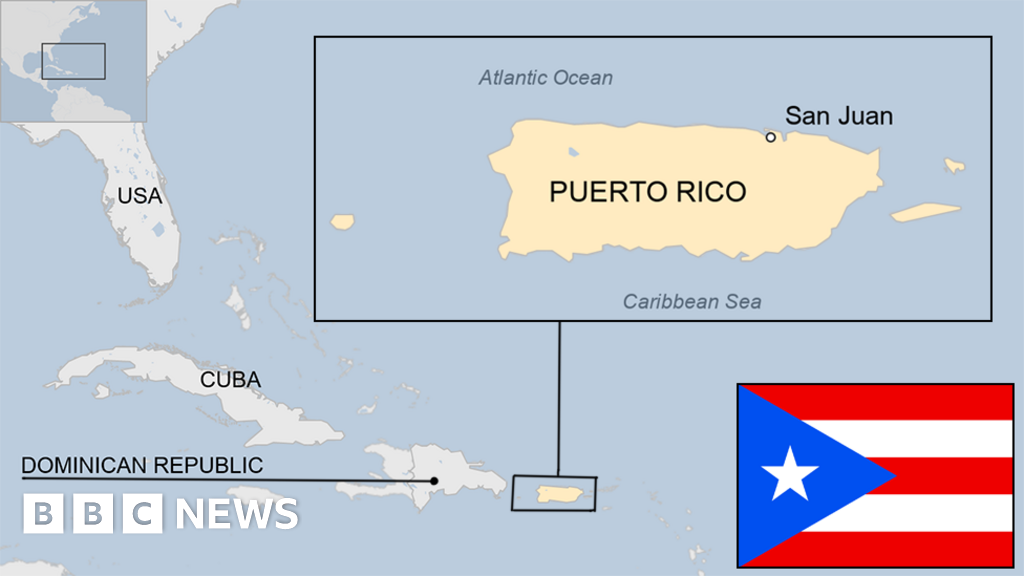
One of the most unique aspects of the Puerto Rican brand identity is that it is not tethered solely to the physical island. There are more people of Puerto Rican descent living in the mainland United States than on the island itself. This creates a fascinating challenge for brand strategy: how do you maintain a cohesive identity across different geographic realities?
Nuyoricans and the Evolution of Identity
The term “Nuyorican” (a blend of New York and Puerto Rican) represents a distinct sub-brand within the larger cultural ecosystem. For a brand strategist, recognizing a “Nuyorican” isn’t just about acknowledging a location; it’s about acknowledging a specific cultural fusion—the music, the slang, and the grit of the urban experience.
When brands like Nike or Pepsi launch campaigns in the Northeast United States, they often lean into this specific nomenclature. They aren’t just talking to “Puerto Ricans”; they are talking to a specific demographic that prides itself on a bilingual, bicultural existence. This level of segmentation is critical for corporate identity. It moves away from “mass marketing” toward “community-based branding,” which significantly increases engagement rates.

Targeted Marketing: Why One Size Doesn’t Fit All
The question of what people are called becomes a tool for market segmentation. A brand selling luxury real estate in San Juan might use the term “Puerto Rican” to maintain a sense of formal prestige and international appeal. Conversely, a streetwear brand or a reggaeton-inspired beverage might use “Boricua” to establish “street cred” and grassroots relevance. Understanding the subtle shift in these labels allows a brand to speak the specific “dialect” of its target consumer’s identity.
Leveraging Cultural Capital in Global Marketing
The Puerto Rican identity has become a global powerhouse, largely due to the “Brand Puerto Rico” effect in the entertainment and music industries. From the global dominance of reggaeton to the massive influence of Puerto Rican athletes, the world now recognizes these labels as synonymous with “cool,” “vibrant,” and “influential.”
The “Boricua” Seal of Approval
In global branding, certain cultures carry what we call “cultural capital.” Just as “Made in Italy” is a brand for luxury fashion, “Boricua” has become a brand for creative excellence and festive energy. Global brands often seek “Boricua” ambassadors—think Bad Bunny or Lin-Manuel Miranda—not just for their reach, but for the specific identity they project. When these influencers use the term “Boricua,” they are reinforcing a brand that values heritage, unapologetic self-expression, and community.
Case Study: Music and the Global Recognition of the Label
The music industry provides the best case study for the branding power of what Puerto Ricans are called. In many global hits, the lyrics specifically mention “Boricua” or “Puerto Rico.” This isn’t accidental; it’s a form of “audio branding.” It plants a flag of origin that the audience associates with a specific lifestyle. For businesses, the takeaway is clear: associating your product with these terms allows you to ride the wave of this massive cultural momentum. It is a form of co-branding with a culture that currently holds the world’s attention.
Best Practices for Brands Entering the Puerto Rican Market
When a company decides to engage with the Puerto Rican demographic, the nomenclature they choose must be handled with strategic care. Misusing these terms can lead to accusations of “identity washing” or cultural tone-deafness, which can severely damage a corporate identity.
Avoiding Cultural Appropriation vs. Cultural Appreciation
There is a fine line between using a cultural label to connect and using it to exploit. For a brand to successfully use the term “Boricua,” it must show a deeper commitment to the community. This might involve supporting local artisans, investing in island-based initiatives, or ensuring that the creative team behind the campaign actually includes people from that background. If a brand uses the label “Boricua” just to sell a product without contributing back to the culture, the “brand promise” feels hollow and can lead to a PR backlash.
The Future of Identity-Based Branding
As we look toward the future of marketing, “What are Puerto Ricans called?” will continue to be a question of evolving identity. We are seeing the rise of more gender-neutral or inclusive terms in some circles, though “Boricua” remains the most resonant and widely accepted emotional brand.
For brand strategists, the lesson is that identity is fluid. A static brand is a dying brand. To successfully market to this demographic, companies must remain agile, staying tuned into how the community describes itself. Whether the preference leans toward the traditional “Puerto Rican,” the soulful “Boricua,” or the localized “Nuyorican,” the goal of the brand strategist is to listen first and label second.
In conclusion, what Puerto Ricans are called is more than a matter of grammar; it is a matter of brand equity. By understanding the historical, emotional, and geographic nuances of these terms, brands can move beyond transactional relationships and foster deep, identity-based loyalty with one of the most culturally influential groups in the world today. Identity is the ultimate brand asset—use it wisely.
aViewFromTheCave is a participant in the Amazon Services LLC Associates Program, an affiliate advertising program designed to provide a means for sites to earn advertising fees by advertising and linking to Amazon.com. Amazon, the Amazon logo, AmazonSupply, and the AmazonSupply logo are trademarks of Amazon.com, Inc. or its affiliates. As an Amazon Associate we earn affiliate commissions from qualifying purchases.