
In an increasingly conscious marketplace, the term “progressive” has evolved beyond its traditional socio-political roots to become a significant descriptor in the realm of brand strategy, corporate identity, and personal branding. For a brand, being progressive isn’t merely about adopting a fashionable stance; it’s about embedding a forward-thinking, ethically driven, and responsive ethos into its very DNA. It represents a commitment to constant evolution, societal betterment, and a willingness to challenge established norms for positive change. Understanding what it means to be progressive in this context is crucial for businesses and individuals aiming to build resonant, authentic, and future-proof identities.
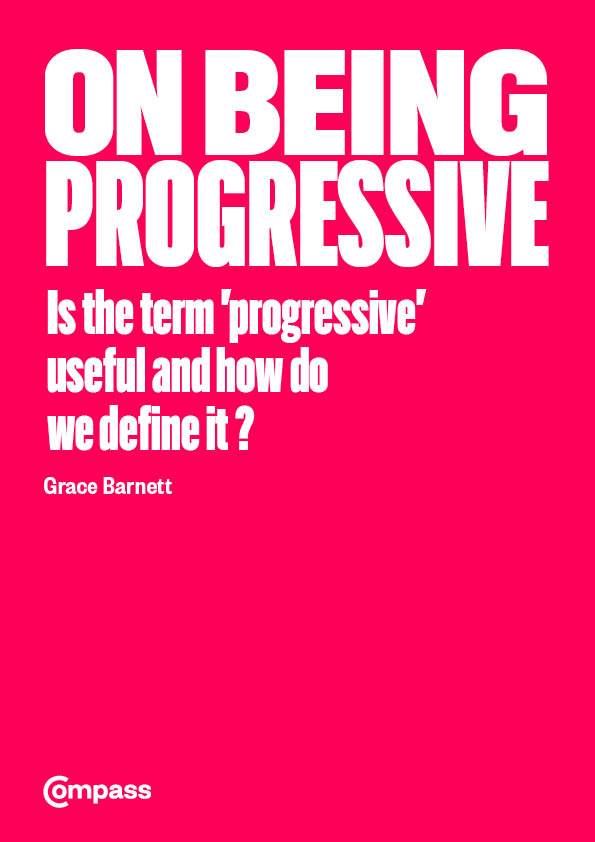
Defining the Progressive Brand Identity
At its core, a progressive brand identity signifies a departure from the status quo, embracing innovation not just in products or services, but in values, operations, and engagement. It’s about demonstrating a clear vision for a better future, whether that involves environmental sustainability, social equity, ethical labor practices, or cutting-edge, inclusive technology. This identity is not a static declaration but a dynamic commitment, continually adapting to new insights and evolving societal needs.
Core Principles of a Progressive Brand
A progressive brand is typically built upon several foundational principles. Firstly, purpose-driven ambition is paramount. Beyond profit, such brands articulate a clear, compelling reason for their existence, often tied to a broader social or environmental mission. Secondly, transparency and accountability are non-negotiable. Progressive brands are open about their practices, supply chains, and impact, willing to be scrutinized and held responsible for their promises. Thirdly, inclusivity and equity are central; they actively work to dismantle biases, promote diversity, and ensure that their products, services, and internal cultures are accessible and equitable for all. Lastly, innovation and adaptability are key. This isn’t just about technological advancements but also about innovative approaches to business models, social impact, and customer relationships, coupled with a willingness to adapt as the world changes.
Beyond Buzzwords: Authenticity in Progressive Branding
The risk for any brand aspiring to be progressive is falling into the trap of “woke washing” or superficial virtue signaling. True progressive branding goes beyond marketing slogans or temporary campaigns; it is deeply ingrained in the brand’s operational philosophy, leadership decisions, and everyday actions. Authenticity is achieved when there is a genuine alignment between the brand’s stated values and its actual behavior. This requires a profound self-awareness, a willingness to admit shortcomings, and a continuous effort to improve. Brands that merely co-opt progressive language without substantive change risk alienating their audience and suffering significant reputational damage. Genuine progressive brands invest in long-term initiatives, engage in meaningful dialogue, and demonstrate consistent commitment, thereby earning the trust and loyalty of a discerning market.
Crafting a Progressive Corporate Identity
For corporations, establishing a progressive identity involves a holistic approach that permeates every level of the organization. It’s not just about how the company presents itself externally, but fundamentally about its internal culture, governance, and operational frameworks. A truly progressive corporate identity requires leadership to champion these values, ensuring they are integrated into strategic planning and daily decision-making.
Internal Alignment: Culture as Brand Foundation
The bedrock of a progressive corporate identity is a robust internal culture that mirrors its external aspirations. This means fostering an environment of psychological safety, empowering employees, and promoting a diverse, equitable, and inclusive workplace. Progressive companies prioritize fair wages, comprehensive benefits, professional development opportunities, and work-life balance. They encourage open dialogue, critical thinking, and a willingness to challenge internal biases and outdated practices. When employees feel valued, respected, and aligned with the company’s purpose, they become authentic ambassadors, reinforcing the brand’s progressive identity from within. Conversely, any disconnect between external messaging and internal realities can quickly erode credibility, both internally and externally.
External Communication: Messaging and Storytelling
Once the internal foundation is solid, progressive corporate identity translates into powerful external communication. This involves crafting compelling narratives that showcase the brand’s commitment to its progressive values through concrete actions and tangible impacts. Marketing and PR efforts move beyond product features to highlight the company’s ethical sourcing, sustainable practices, community engagement, or advocacy for social causes. This requires transparency about successes and failures, as well as an invitation for stakeholders to participate in the brand’s journey. Storytelling should be authentic, empathetic, and consistent across all channels, demonstrating how the company is actively contributing to a more just and sustainable world. Partnerships with non-profits, advocacy groups, and ethical suppliers can further amplify this message, providing external validation and expanding the brand’s positive influence.
Personal Branding in a Progressive Era
The principles of progressive branding extend beyond corporate entities to individuals navigating their professional and public lives. In a world that values authenticity and purpose, a progressive personal brand can distinguish an individual, fostering stronger connections and opening new opportunities. This is particularly relevant for leaders, entrepreneurs, and professionals who seek to make an impact beyond their immediate job descriptions.

Values-Driven Personal Branding
A progressive personal brand is rooted in a clear articulation of an individual’s core values and beliefs, particularly those that align with forward-thinking social, environmental, or ethical principles. It’s about consciously shaping one’s public persona to reflect these commitments, ensuring that actions, words, and professional choices are consistent with a progressive outlook. This might involve advocating for specific causes, promoting diversity and inclusion within one’s industry, embracing sustainable practices in daily life, or championing ethical leadership. The key is to move beyond superficial statements to genuinely integrate these values into one’s professional narrative and personal conduct. For example, a tech leader might build a progressive brand by actively mentoring underrepresented groups, advocating for ethical AI development, or investing in sustainable technologies.
Engagement and Advocacy: Walking the Talk
Building a progressive personal brand requires active engagement and advocacy. It’s not enough to simply state one’s values; one must demonstrate them through participation in relevant discussions, supporting initiatives, and taking informed stands on important issues. This could involve speaking at conferences on diversity, volunteering for a cause, using social media to share insightful commentary on social justice or sustainability, or actively mentoring others. The authenticity of a progressive personal brand comes from “walking the talk”—ensuring that one’s professional and public life consistently reflects the progressive principles they espouse. This builds trust and credibility, positioning the individual as a thought leader and a force for positive change within their community and industry.
The Business Impact of Progressive Branding
Adopting a progressive brand identity is not merely an altruistic endeavor; it carries significant strategic advantages that can profoundly impact a business’s bottom line, market position, and long-term viability. In an era where consumers, employees, and investors increasingly demand ethical conduct and social responsibility, progressive branding has become a powerful differentiator.
Attracting Talent and Customers
One of the most immediate impacts of progressive branding is its ability to attract and retain top talent. Younger generations, in particular, seek employers whose values align with their own, prioritizing purpose over purely financial incentives. A progressive brand signals a healthy, inclusive, and forward-thinking work environment, making it a magnet for individuals passionate about contributing to a company that makes a positive difference. Similarly, progressive branding resonates deeply with a growing segment of consumers who are willing to pay a premium for products and services from companies that demonstrate social and environmental responsibility. These conscious consumers are not just buying a product; they are investing in a brand’s values, leading to stronger loyalty and advocacy.
Navigating Social and Market Expectations
Progressive branding equips businesses to better navigate the complex landscape of evolving social and market expectations. By proactively addressing issues like climate change, social equity, and ethical governance, these brands mitigate risks associated with negative public perception, regulatory changes, and stakeholder backlash. They build a reservoir of goodwill that can serve as a buffer during challenging times. Furthermore, a progressive stance often fosters innovation, pushing companies to develop more sustainable products, efficient processes, and inclusive services. This forward-thinking approach can uncover new market opportunities, strengthen competitive advantage, and position the brand as a leader rather than a follower in an ever-changing world.
Sustaining a Progressive Brand Over Time
Building a progressive brand is an ongoing journey, not a destination. To maintain relevance, credibility, and impact, brands must commit to continuous improvement, adaptability, and unwavering authenticity. Sustaining a progressive identity requires vigilance, humility, and a readiness to evolve with the times.
Adaptability and Continuous Improvement
The definition of “progressive” itself is dynamic, constantly shifting with societal advancements, scientific discoveries, and cultural shifts. Therefore, a progressive brand must be inherently adaptable. This means regularly reassessing its impact, listening to stakeholder feedback, and being open to adjusting its strategies and practices. Continuous improvement is vital, acknowledging that perfection is unattainable but progress is always possible. Brands should invest in research and development for sustainable solutions, engage in ongoing diversity and inclusion training, and regularly audit their supply chains for ethical compliance. This iterative process ensures the brand remains relevant, responsive, and truly committed to its progressive ideals, avoiding stagnation or obsolescence.

Crisis Management and Brand Resilience
Even the most progressive brands can face challenges or come under scrutiny. In such moments, the authenticity of their progressive identity is put to the ultimate test. A genuinely progressive brand approaches crises with transparency, accountability, and a willingness to learn. Instead of deflecting blame, it acknowledges mistakes, outlines corrective actions, and communicates openly with its stakeholders. This measured and responsible approach strengthens brand resilience, demonstrating that its commitment to progressive values is unwavering even when faced with adversity. Ultimately, sustained progressive branding is about building a legacy of positive impact, proving through consistent action that the brand is a force for good, capable of inspiring trust and fostering lasting connections in a world hungry for meaningful change.
aViewFromTheCave is a participant in the Amazon Services LLC Associates Program, an affiliate advertising program designed to provide a means for sites to earn advertising fees by advertising and linking to Amazon.com. Amazon, the Amazon logo, AmazonSupply, and the AmazonSupply logo are trademarks of Amazon.com, Inc. or its affiliates. As an Amazon Associate we earn affiliate commissions from qualifying purchases.