
The question “Which auto insurance company is the best?” is one that resonates with virtually every car owner. It’s a pursuit driven by the desire for financial security, value, and peace of mind on the road. Yet, despite its commonality, there’s no single, universally “best” answer. What constitutes “best” is deeply personal, contingent upon an individual’s unique financial situation, driving habits, vehicle, and risk tolerance. Navigating the complex landscape of auto insurance can feel daunting, with countless providers each promising competitive rates and superior service. However, by adopting a strategic, finance-first approach, consumers can demystify the process and identify the insurer that best aligns with their specific needs and financial objectives. This guide delves into the financial intricacies of choosing auto insurance, equipping you with the knowledge to make an informed decision that safeguards your assets without overstretching your budget.
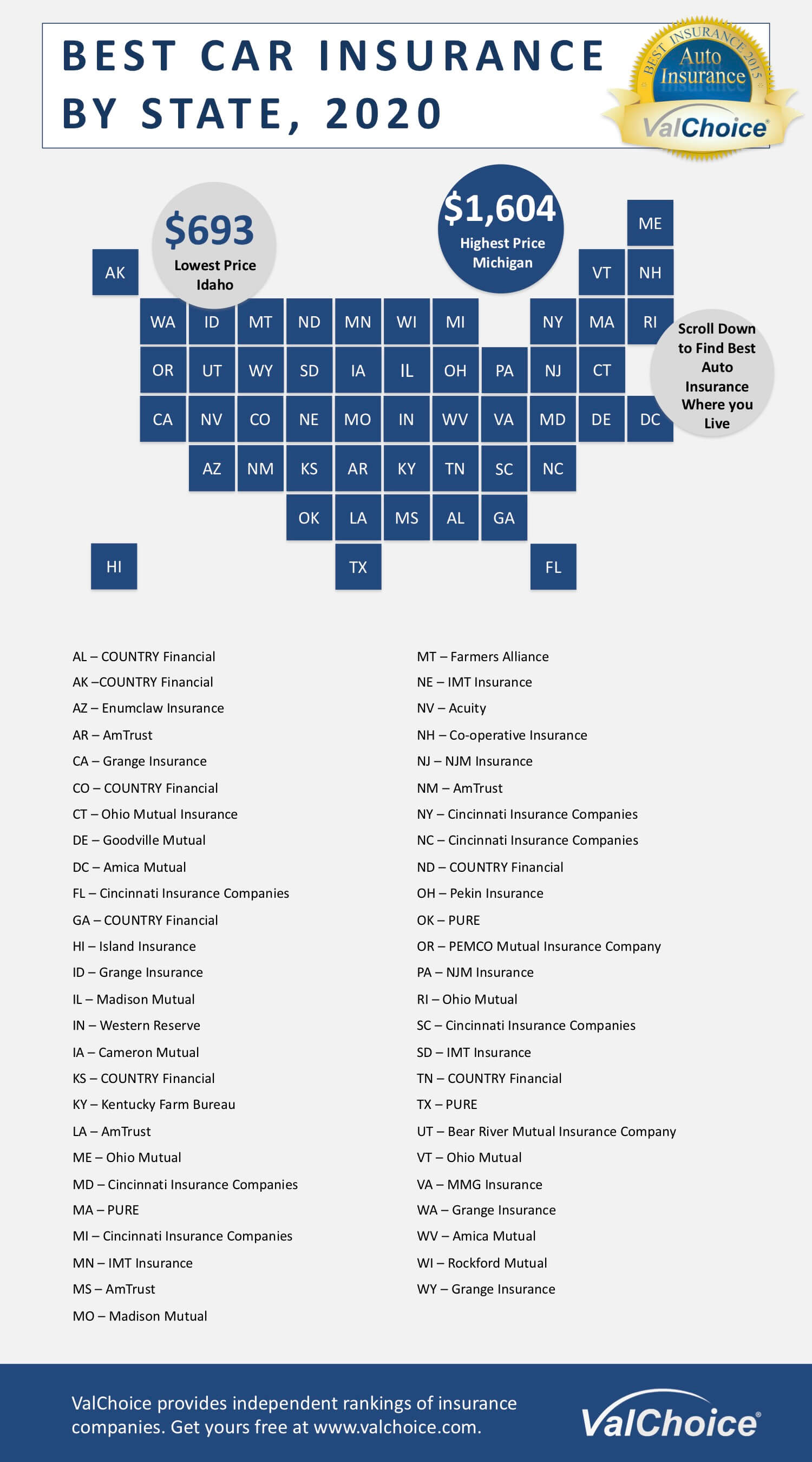
Understanding What “Best” Means for Your Finances
Before you can identify the “best” auto insurance company, it’s crucial to define what “best” means for your personal finances. It’s rarely about finding the absolute cheapest premium; rather, it’s about optimizing the balance between cost, coverage, and the financial stability offered by the insurer.
Beyond Just the Lowest Premium: The True Cost of Coverage
While a low premium might seem attractive upfront, it’s often a false economy if it doesn’t provide adequate financial protection when you need it most. The true cost of coverage encompasses several critical elements:
- Deductibles: This is the amount you pay out-of-pocket before your insurance kicks in for a covered claim. A lower deductible typically means higher premiums, and vice-versa. Financially, you must assess how much you can comfortably afford to pay in an emergency. Setting a deductible too high to save on premiums could leave you with a significant financial burden after an accident.
- Coverage Limits: These are the maximum amounts your insurer will pay for a covered loss. Understanding liability limits (per person, per accident, property damage), comprehensive, collision, and uninsured/underinsured motorist coverages is paramount. Insufficient limits could leave you personally liable for damages exceeding your policy, potentially exposing your assets to lawsuits. Conversely, excessive limits might mean paying for more coverage than your assets necessitate.
- Policy Types: The basic types of auto insurance (liability, collision, comprehensive) serve different financial protection purposes. Liability covers damages you cause to others. Collision covers damage to your vehicle from an accident, regardless of fault. Comprehensive covers non-collision incidents like theft, vandalism, or natural disasters. Uninsured/underinsured motorist coverage protects you if the at-fault driver lacks sufficient insurance. Tailoring these to your financial exposure and state requirements is key.
Factors Influencing Your Rates and Financial Burden
Auto insurance premiums are highly personalized, influenced by a multitude of factors that collectively paint a picture of your risk profile to an insurer. Understanding these helps you grasp why certain companies might quote you differently:
- Driver Profile: Age, gender, marital status, and driving record (accidents, violations) significantly impact rates. Younger, less experienced drivers or those with a history of claims often face higher premiums due to increased perceived risk.
- Vehicle Type: The make, model, year, safety features, and even the color of your car can affect premiums. More expensive cars, sports cars, or vehicles with higher theft rates typically cost more to insure due to higher repair or replacement costs.
- Location: Where you live and primarily park your car plays a considerable role. Urban areas with higher traffic density, theft rates, or vandalism statistics generally command higher premiums than rural locales.
- Credit Score: In many states, insurers use credit-based insurance scores as a predictive tool for claims likelihood. A higher credit score can often lead to lower premiums, reflecting a perceived greater financial responsibility.
- Annual Mileage: The less you drive, the lower your risk of an accident. Some insurers offer discounts for low-mileage drivers, aligning premiums with actual exposure.
- Employment and Education: Certain professions or educational backgrounds are statistically associated with lower claims rates, which some insurers consider when calculating premiums.
Key Financial Considerations When Choosing an Insurer
Beyond the raw numbers of premiums and deductibles, there are deeper financial considerations that should guide your choice of an auto insurance provider. These factors speak to the long-term reliability and value of your policy.
Assessing Financial Stability and Claims Handling
The ultimate purpose of insurance is to provide financial protection when unforeseen events occur. Therefore, the insurer’s financial stability and its efficiency in handling claims are paramount.
- Financial Strength Ratings: Organizations like A.M. Best, Standard & Poor’s, Moody’s, and Fitch assign financial strength ratings to insurance companies. These ratings indicate an insurer’s ability to meet its financial obligations, including paying out claims. Choosing a company with high ratings provides an added layer of confidence that your insurer will be there for you when you need them most.
- Customer Service and Claims Process: A financially stable company is only as good as its ability to effectively process your claim. Researching customer reviews, particularly those related to claims experiences, can offer invaluable insights. Are claims handled efficiently and fairly? Is communication clear and consistent? A streamlined, empathetic claims process can significantly mitigate the financial and emotional stress following an accident. A company with a poor claims reputation, even if cheap, could leave you in financial limbo.
Unlocking Potential Savings: Discounts and Bundling Strategies
Maximizing savings on auto insurance isn’t just about finding the lowest base rate; it’s about strategically leveraging available discounts.
- Multi-Policy Discounts: Bundling your auto insurance with other policies, such as home, renters, or life insurance, with the same provider often results in significant savings across all policies. This is a powerful financial incentive to consolidate your insurance needs.
- Good Driver/Safe Driver Discounts: These are awarded to drivers with a clean driving record over a specified period. Some insurers use telematics programs (devices or apps that monitor driving habits) to offer discounts based on actual safe driving behavior.
- Vehicle-Related Discounts: Discounts can be available for cars with advanced safety features (e.g., anti-lock brakes, airbags, anti-theft devices) or for new vehicles.
- Student Discounts: Good student discounts for those maintaining a certain GPA, or distant student discounts for those attending college far from home without their car, are common.
- Payment-Related Discounts: Paying your premium in full, opting for automatic payments, or receiving documents electronically can sometimes qualify you for minor savings.
- Low Mileage Discounts: If you drive less than a certain number of miles annually, you may be eligible for a discount.
Policy Customization for Optimal Financial Protection
The “best” auto insurance policy is one that is meticulously tailored to your individual circumstances, providing adequate financial protection without unnecessary expenditures.
- Matching Coverage to Assets: If you have significant assets (e.g., a home, substantial savings), higher liability limits are advisable to protect those assets in the event of a severe accident where you are at fault. Conversely, if your car is older and has low market value, collision and comprehensive coverage might not be financially sensible, as the premium cost could outweigh the potential payout after a deductible.
- Evaluating Your Risk Tolerance: Are you comfortable with a higher deductible to reduce your premium, knowing you could cover a larger out-of-pocket expense? Or do you prefer the peace of mind of a lower deductible, even if it means higher monthly payments? This personal financial risk assessment is crucial.
- Add-On Coverages: Consider useful add-ons like roadside assistance, rental car reimbursement, or gap insurance (if you have a new car loan). While these increase premiums, they can provide substantial financial relief in specific scenarios, potentially saving you more money in the long run.
Top Contenders in the Auto Insurance Market (General Overview)
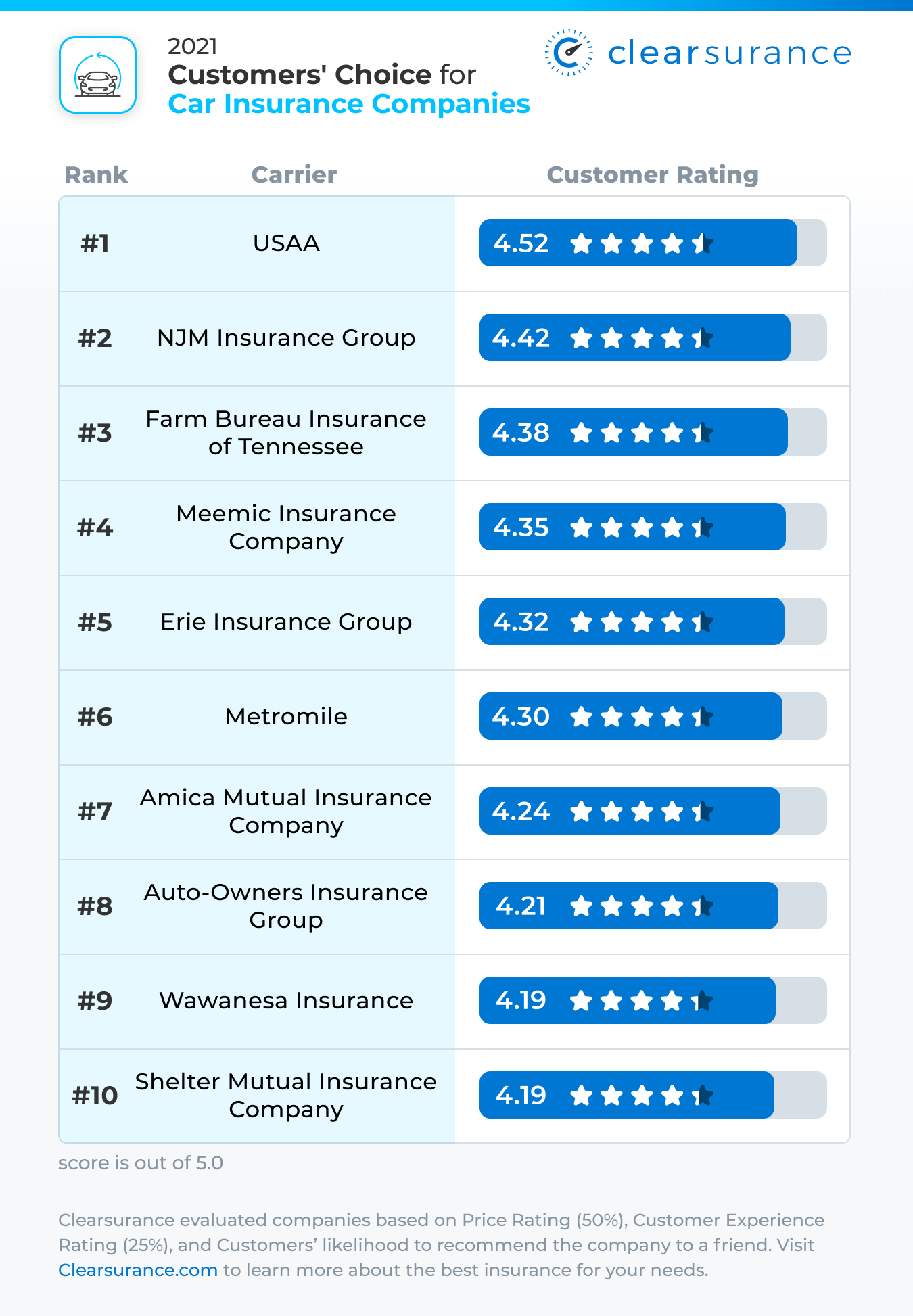
While naming a single “best” company is impossible, certain types of insurers and their general characteristics tend to stand out in specific areas, offering a starting point for your financial assessment.
Industry Leaders Known for Broad Coverage and Reach
Large, national insurance carriers often dominate the market due to their extensive networks, substantial financial resources, and wide array of product offerings. Companies like State Farm, GEICO, Progressive, Allstate, and Farmers frequently appear in consumer searches.
- Pros: Broad coverage options, numerous discounts, extensive agent networks (for some), strong financial stability ratings, and often advanced digital tools for managing policies and claims. Their size can also mean more competitive pricing for certain demographics or bundled policies.
- Cons: Due to their scale, customer service can sometimes feel less personalized compared to smaller insurers. Their rates, while competitive for some, might not always be the absolute lowest for every driver profile.
Companies Praised for Competitive Pricing and Niche Offerings
Alongside the giants, there are many regional players, online-only insurers, and companies focusing on specific market segments that excel in competitive pricing or specialized services.
- Pros: Often known for highly competitive rates, particularly for drivers with clean records. Online-only insurers (like Esurance, a subsidiary of Allstate, or others focused purely on digital channels) can pass on operational savings to customers. Some companies specialize in high-risk drivers or offer unique telematics programs that reward safe driving even more aggressively.
- Cons: May have limited geographical reach or fewer local agents. Coverage options might be less comprehensive than larger carriers. Financial stability and claims processes should be scrutinized, as some smaller or newer entrants might not have the same long-standing track record.
Customer Service and Financial Reliability: A Critical Balance
Ultimately, the “best” company strikes a critical balance between offering affordable rates and delivering reliable service, especially during a claim.
- Researching Reviews and Ratings: Utilize resources like J.D. Power customer satisfaction studies, Consumer Reports, and Better Business Bureau ratings to gauge customer experiences. Look for consistency in positive feedback regarding claims handling, communication, and overall satisfaction.
- Checking Financial Strength: Always cross-reference with ratings from A.M. Best and other financial rating agencies to ensure the company has the financial wherewithal to pay out claims, regardless of customer service reports. A financially stable company with good, but not stellar, customer service might still be a better financial bet than a highly-rated customer service company with shaky finances.
The Strategic Approach to Finding Your Best Auto Insurance
Finding the “best” auto insurance company is an ongoing financial strategy, not a one-time decision. It involves proactive research, comparison, and regular review.
The Power of Comparison Shopping: Why Multiple Quotes are Essential
This is arguably the single most important step in financially optimizing your auto insurance. Premiums can vary by hundreds, or even thousands, of dollars between companies for identical coverage.
- Use Online Comparison Tools: Websites like Policygenius, Insurify, or The Zebra allow you to get multiple quotes by entering your information once.
- Contact Insurers Directly: After using comparison tools, it’s often beneficial to get direct quotes from a few top contenders, as not all insurers are on all comparison sites, and direct quotes can sometimes offer better rates or unique discounts.
- Work with an Independent Agent/Broker: These professionals can shop multiple carriers on your behalf, often finding deals you might miss, and can provide personalized advice on coverage needs. They are compensated by commission from the insurer, so their services are typically free to you.
Regular Policy Review: Adapting to Life Changes and Market Shifts
Your insurance needs and the market are constantly evolving. What was “best” last year might not be this year.
- Key Life Events: Major life changes like buying a new car, moving to a new address, getting married, adding a new driver to your household, or improving your credit score should trigger a policy review. These events can significantly alter your risk profile and, consequently, your premiums.
- Annual Renewal: Don’t automatically renew your policy without first comparing it against competitors. Insurers often adjust rates annually, and what was competitive last year might no longer be. Treat your renewal period as an annual opportunity to shop around.
- Changes in Vehicle Value: As your car ages, its market value depreciates. At some point, the cost of collision and comprehensive coverage might outweigh the potential payout, making it financially wise to drop these coverages.

Leveraging Digital Financial Tools for Informed Decisions
The digital age has brought an array of tools to empower consumers in their financial decisions, including auto insurance.
- Mobile Apps and Online Portals: Most major insurers offer robust mobile apps and online portals that allow you to manage your policy, view bills, make payments, and even file claims directly from your smartphone. This convenience can save time and streamline interactions, contributing to a better overall financial management experience.
- Telematics Programs: As mentioned, many insurers now offer telematics programs that monitor driving habits (speed, braking, mileage). While some may find this intrusive, it can lead to significant premium reductions for safe drivers, turning good habits into tangible financial savings.
- Financial Aggregator Services: Beyond insurance-specific comparison sites, general financial management apps can sometimes integrate insurance data, helping you view your spending holistically and identify areas for savings.
In conclusion, identifying the “best” auto insurance company is a dynamic financial endeavor unique to each individual. It necessitates a thorough understanding of your own financial landscape, a diligent comparison of policy options and pricing, and a continuous commitment to reviewing and adapting your coverage. By focusing on true financial protection, assessing company stability, strategically leveraging discounts, and making informed choices, you can confidently secure an auto insurance policy that truly serves your best interests and provides lasting peace of mind.
aViewFromTheCave is a participant in the Amazon Services LLC Associates Program, an affiliate advertising program designed to provide a means for sites to earn advertising fees by advertising and linking to Amazon.com. Amazon, the Amazon logo, AmazonSupply, and the AmazonSupply logo are trademarks of Amazon.com, Inc. or its affiliates. As an Amazon Associate we earn affiliate commissions from qualifying purchases.