
Car insurance is more than just a legal requirement in most places; it’s a critical financial safeguard, protecting you from potentially ruinous costs associated with accidents, theft, or damage. Yet, for many, navigating the landscape of car insurance can feel like deciphering a complex financial puzzle. With countless providers, policy variations, and fluctuating rates, finding the right coverage at the best price demands a strategic, informed approach. This guide will equip you with the knowledge and tactics to efficiently search for car insurance, ensuring you secure optimal financial protection without overpaying. Understanding the financial nuances of your policy and leveraging smart comparison strategies can lead to significant annual savings and greater peace of mind.
Understanding the Financial Landscape of Car Insurance
Before you can effectively search for car insurance, it’s crucial to grasp the financial mechanisms at play. Your policy isn’t just a single price tag; it’s a compilation of various coverages, each with its own cost implications, influenced by a multitude of factors related to you and your vehicle.
Decoding Policy Components and Their Costs
Every car insurance policy is an intricate financial product composed of several key elements, each designed to protect you financially in different scenarios. Understanding these components is the first step in tailoring a policy to your financial needs and budget.
- Liability Coverage: This is foundational. It covers damages you cause to other people’s property (Property Damage Liability) or injuries you cause to others (Bodily Injury Liability). This is typically the minimum required by law, and the limits you choose directly impact your premium. Higher limits offer greater financial protection but come at a higher cost. It’s a critical financial decision to balance affordability with adequate protection against potential lawsuits.
- Collision Coverage: This pays for damages to your vehicle resulting from a collision with another car or object, regardless of fault. If you have a car loan or lease, this coverage is almost always mandatory. From a financial perspective, it protects your asset. The deductible you choose (the amount you pay out of pocket before insurance kicks in) directly influences the premium; a higher deductible means a lower premium, but a higher out-of-pocket expense if you make a claim.
- Comprehensive Coverage: This protects your car against non-collision incidents such as theft, vandalism, fire, natural disasters, and animal collisions. Like collision coverage, it’s often required by lenders and comes with a deductible. It’s a key financial component for protecting your vehicle’s value from unforeseen events beyond your control.
- Personal Injury Protection (PIP) / Medical Payments: These cover medical expenses for you and your passengers after an accident, regardless of fault. PIP can also cover lost wages and other services. In some states, it’s mandatory. This coverage is a direct financial buffer against medical bills, which can quickly become astronomical.
- Uninsured/Underinsured Motorist (UM/UIM) Coverage: This protects you financially if you’re hit by a driver who has no insurance or insufficient insurance to cover your damages. Given the number of uninsured drivers, this is an important financial safety net for your own medical bills and vehicle repairs.
Factors Influencing Your Premium (and Your Wallet)
Insurance premiums are not arbitrary; they are meticulously calculated based on a complex risk assessment. Understanding these factors can help you make financially smarter choices and anticipate potential costs.
- Age and Driving Experience: Younger, less experienced drivers typically face higher premiums due to statistical evidence suggesting a higher risk of accidents. As you gain experience and age (within a certain range), your premiums generally decrease, reflecting a lower financial risk to the insurer.
- Driving Record: A clean driving record is your best financial asset when it comes to car insurance. Accidents, moving violations, and DUIs significantly increase your premiums, sometimes for several years, due to the increased perceived risk.
- Vehicle Type: The make, model, year, and safety features of your car have a substantial financial impact. Expensive luxury cars, sports cars, and vehicles with high theft rates typically cost more to insure because their repair costs are higher, and their risk of theft is greater. Conversely, vehicles with excellent safety ratings and lower repair costs often qualify for lower premiums.
- Location: Where you live and park your car significantly influences your rates. Urban areas with higher traffic density, crime rates, and greater incidence of theft or vandalism typically have higher premiums than rural areas.
- Credit Score (where allowed): In many states, insurers use a credit-based insurance score as a factor in determining premiums. Studies have shown a correlation between lower credit scores and a higher likelihood of filing claims. Maintaining a good credit score can therefore translate into financial savings on your insurance.
- Marital Status: Married individuals often receive lower insurance rates, as they are statistically considered less risky drivers.
Strategic Approaches to Finding the Best Financial Value
With a clear understanding of what drives car insurance costs, the next step is to strategically navigate the market to find the best financial value. There are several effective channels, each offering distinct advantages.
Leveraging Online Comparison Tools
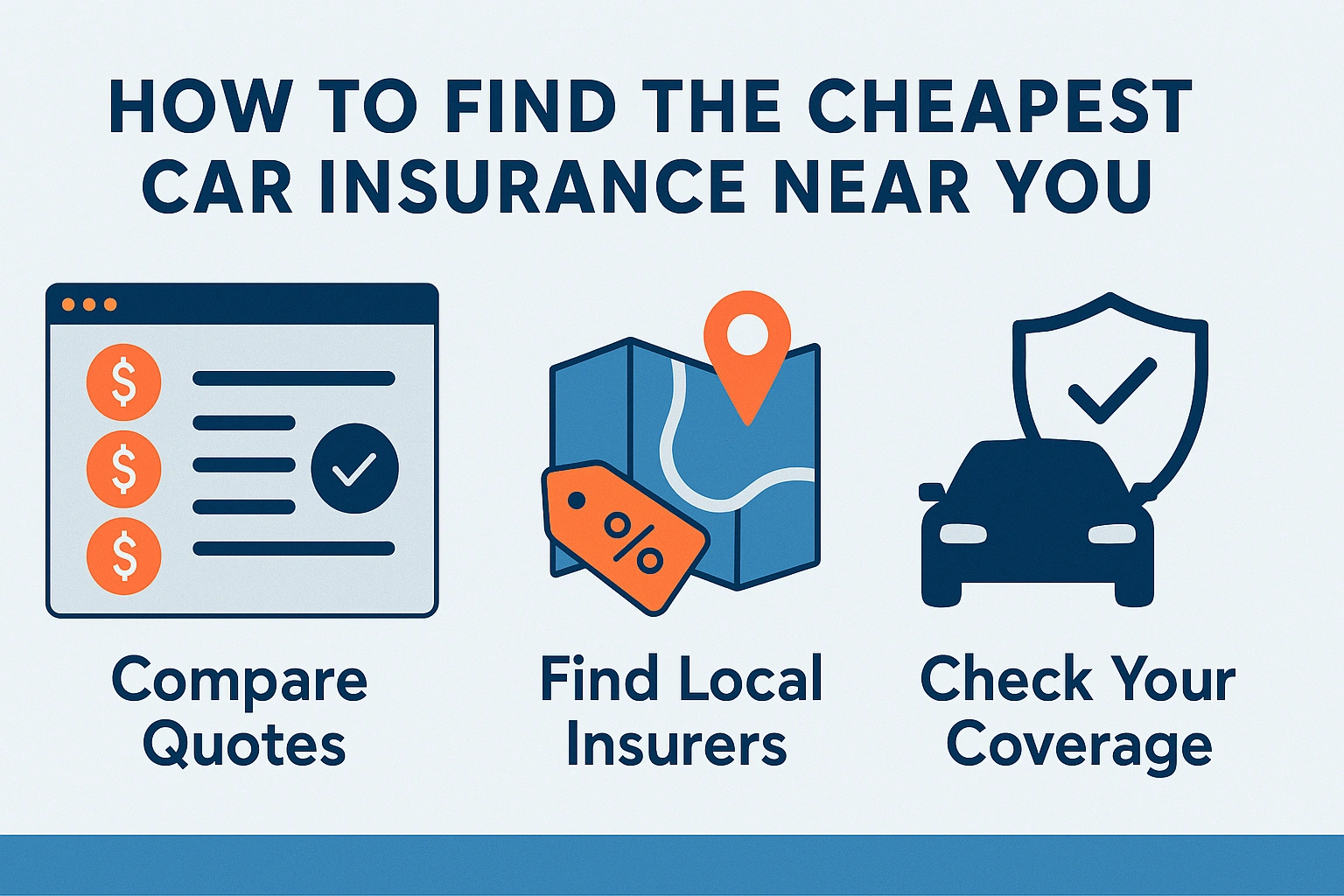
In the digital age, online comparison websites have revolutionized the car insurance search. These platforms allow you to input your information once and receive multiple quotes from various insurers simultaneously.
- Convenience and Efficiency: These tools are incredibly time-efficient, providing a broad financial overview of the market quickly. They empower consumers to easily compare prices side-by-side, which is crucial for identifying potential savings.
- Transparency: They can highlight differences in coverage and price, making it easier to see where your money is going.
- Limitations: While useful, these tools don’t always include every insurer, particularly smaller regional ones or those that primarily work through agents. Moreover, the quotes provided are often estimates and may require further verification or adjustments directly with the insurer. Always ensure you are comparing truly equivalent policies and coverage levels.
Working with Independent Agents
Independent insurance agents are financial professionals who represent multiple insurance companies, not just one. They act as your advocate, helping you navigate the complex market.
- Personalized Advice: Agents can offer tailored financial advice, assessing your specific needs and recommending coverages that might be overlooked by an online search. They can explain complex policy terms and help you understand the financial implications of different choices.
- Access to Multiple Carriers: They can shop around on your behalf, often accessing rates from insurers not available on public comparison websites. This can lead to uncovering better deals that align with your financial situation.
- Support and Advocacy: Should you need to file a claim or have policy questions, your agent can serve as a valuable point of contact, helping you navigate the process and advocating for your interests. This can save you significant time and potential financial headaches.
Direct Engagement with Insurance Companies
You can also visit the websites of individual insurance companies directly (e.g., Progressive, GEICO, State Farm, Allstate).
- Potential for Specific Deals: Some insurers offer exclusive online discounts or have unique pricing models that might not be fully reflected on comparison sites.
- Deep Dive into Specific Offerings: Going direct allows you to thoroughly explore a single company’s full range of products, services, and financial tools.
- Time Commitment: This method can be more time-consuming if you’re trying to compare a large number of insurers individually, making it less efficient for a broad market scan. It’s often best used once you’ve narrowed down your choices or if you have a specific insurer in mind due to previous experience or reputation.
Smart Tactics to Reduce Your Car Insurance Costs

Beyond comparing quotes, there are proactive steps you can take to significantly lower your car insurance premiums and optimize your financial outflow.
Maximizing Discounts
Insurance companies offer a plethora of discounts that can translate into substantial savings. Actively inquiring about and qualifying for these can dramatically reduce your premium.
- Bundling Policies: Many insurers offer discounts if you bundle your car insurance with other policies, such as home, renters, or life insurance. This is often one of the most significant financial discounts available.
- Good Student Discount: If you have a young driver on your policy who maintains good academic grades, they may qualify for a discount.
- Safe Driver/Accident-Free Discount: Maintaining a clean driving record for a specified period (e.g., 3-5 years) can earn you a discount. Some insurers offer telematics programs (devices or apps that monitor driving habits) that provide discounts for safe driving behavior.
- Anti-Theft Devices: Installing approved anti-theft devices can reduce your comprehensive coverage premium, reflecting a lower financial risk of theft.
- Low Mileage Discount: If you don’t drive much, you might qualify for a discount based on your annual mileage. This is particularly relevant for those who work from home or use public transport frequently.
- Professional/Affiliation Discounts: Certain professional groups, alumni associations, or employers have agreements with insurers for group rates or discounts.
- Pay-in-Full Discount: Paying your entire annual or six-month premium upfront, rather than in monthly installments, often results in a discount, as it reduces administrative costs for the insurer.
Adjusting Deductibles and Coverage Levels
Strategic adjustments to your policy’s financial parameters can yield immediate savings, though they involve a careful balancing act.
- Increase Your Deductible: Choosing a higher deductible for collision and comprehensive coverage means you’ll pay more out-of-pocket if you file a claim. However, it also significantly lowers your premium. This is a sound financial strategy if you have a robust emergency fund to cover the higher deductible.
- Review Coverage for Older Cars: For older vehicles with low market value, it might be financially prudent to drop collision and comprehensive coverage altogether. If the annual premium for these coverages, plus the deductible, exceeds the car’s actual cash value, you could be overpaying for protection.
- Evaluate Liability Limits: While it’s advisable to have robust liability coverage for financial protection, review your limits periodically. Ensure they align with your assets and financial risk tolerance without being excessively high if your net worth doesn’t warrant it.
Improving Your Financial Profile
Some factors influencing your premium are within your control and can be improved over time, leading to long-term financial benefits.
- Maintain a Good Credit Score: As mentioned, a strong credit score can lead to lower insurance rates in many states. Paying bills on time, managing debt, and regularly checking your credit report are all financially beneficial habits.
- Maintain a Clean Driving Record: This is arguably the most impactful factor. Driving safely, avoiding tickets, and preventing accidents not only keeps you safe but also prevents premium hikes that can last for years. This translates directly to financial savings.
The Ongoing Financial Management of Your Policy
Car insurance isn’t a one-time financial decision; it requires ongoing vigilance and periodic review to ensure it continues to meet your needs and budget.
Annual Review and Re-Shopping
Your financial situation, driving habits, and the insurance market itself are constantly evolving. What was the best deal last year may not be today.
- Don’t Settle for Autorenewal: Many people simply allow their policies to renew automatically. This can be a costly mistake. Insurers often raise rates even for good drivers.
- Shop Around Annually: Make it a habit to re-evaluate your insurance needs and shop for new quotes at least once a year, or whenever significant life events occur (e.g., moving, buying a new car, getting married). This proactive financial management can uncover substantial savings.
Understanding Policy Renewals and Price Hikes
If your premium increases at renewal, don’t just accept it. Investigate why and take action.
- Inquire About Changes: Ask your insurer why the rate increased. It could be due to changes in your driving record, claims filed (even if not your fault), overall market trends, or even just your policy aging.
- Negotiate or Switch: If the increase is unjustified or you find a better offer elsewhere, be prepared to negotiate with your current insurer or switch to a new provider. Loyalty doesn’t always pay; smart financial management does.
The Cost of Underinsurance vs. Overinsurance
Finding the financial sweet spot for adequate protection without overspending is crucial.
- Underinsurance: Skimping on coverage to save a few dollars can leave you financially devastated after a major accident, potentially wiping out savings or leading to significant debt. The true cost of being underinsured far outweighs the small initial savings.
- Overinsurance: Conversely, paying for coverage you don’t need (e.g., collision on a very old car) or excessively high limits for your financial situation means wasted money that could be better allocated elsewhere. A balanced financial approach ensures you have sufficient protection for your assets and liabilities without unnecessary expenditures.
Conclusion
Searching for car insurance is a fundamental aspect of responsible personal financial management. By understanding the intricate financial components of a policy, strategically leveraging comparison tools and professional advice, and proactively applying cost-saving tactics, you can secure the necessary protection without compromising your financial well-being. Remember, car insurance isn’t a static expense; it’s a dynamic financial product that requires regular review and intelligent decision-making. Commit to an annual re-evaluation of your coverage and explore the market with a financially savvy mindset, and you’ll drive confidently, knowing you’ve made the smartest choices for your wallet and your peace of mind.
aViewFromTheCave is a participant in the Amazon Services LLC Associates Program, an affiliate advertising program designed to provide a means for sites to earn advertising fees by advertising and linking to Amazon.com. Amazon, the Amazon logo, AmazonSupply, and the AmazonSupply logo are trademarks of Amazon.com, Inc. or its affiliates. As an Amazon Associate we earn affiliate commissions from qualifying purchases.