
The question of how to generate income is fundamental to financial well-being, driving individuals to explore avenues beyond traditional employment. In an evolving economic landscape, a proactive and diversified approach to income generation is not merely advantageous but often essential. From leveraging existing skills to strategic investments and entrepreneurial ventures, understanding the diverse pathways to earning money empowers individuals to build a robust financial future. This exploration delves into multiple facets of income generation, offering insights into building resilience and wealth.
Diversifying Income Streams: Beyond the 9-to-5
Reliance on a single income source can be precarious. Diversifying how you make money creates a safety net, allowing for greater financial stability and accelerating wealth accumulation. This often means exploring opportunities that complement or supplement primary employment.
Embracing the Gig Economy
The gig economy has democratized work, offering flexible opportunities to earn money on demand. These platforms connect individuals with clients seeking specific services, often without the commitment of traditional employment.
- Freelancing Platforms: Websites like Upwork, Fiverr, and Freelancer allow skilled professionals to offer services in areas such as writing, graphic design, web development, digital marketing, and virtual assistance. Building a strong profile, accumulating positive reviews, and specializing in a niche can lead to consistent work and higher rates.
- Delivery and Ride-Sharing Services: For those with a vehicle and spare time, platforms like Uber Eats, DoorDash, Grubhub, Uber, and Lyft provide immediate income opportunities. The flexibility to set your own hours makes these attractive options for supplementing income.
- Task-Based Apps: Services such as TaskRabbit connect individuals with local tasks, ranging from handyman services and furniture assembly to errands and cleaning. These micro-opportunities can add up, especially for those with practical skills.
Monetizing Skills and Hobbies
Many individuals possess valuable skills or have passions that can be transformed into profitable ventures. This approach taps into existing expertise or interests, making the work enjoyable and sustainable.
- Consulting or Coaching: If you have deep knowledge or proven success in a particular field (e.g., business strategy, fitness, career development, specific software), offering your expertise as a consultant or coach can be highly lucrative. This often involves one-on-one sessions, group workshops, or developing tailored programs.
- Creating and Selling Digital Products: Leveraging your knowledge to create digital assets such as eBooks, online courses, templates, stock photos, or software plugins can generate passive income once the initial product is developed. Platforms like Teachable, Thinkific, Gumroad, and Etsy (for digital art/templates) facilitate sales.
- Selling Handmade Goods: Artistic or crafting talents can be monetized through online marketplaces like Etsy or local craft fairs. From custom jewelry and artisanal foods to bespoke apparel and home decor, a unique product can find a dedicated customer base.
- Teaching and Tutoring: Whether it’s a musical instrument, a language, academic subjects, or a specialized skill like coding or photography, offering lessons in person or online (via platforms like Chegg Tutors, VIPKid, or Italki) can be a rewarding way to earn money.
Strategic Investing for Wealth Accumulation
While active income sources provide immediate cash flow, strategic investing is crucial for long-term wealth creation and financial independence. The principle is to make your money work for you, leveraging growth potential and compound interest.
Understanding Investment Vehicles
A diversified investment portfolio typically includes a mix of asset classes, each with its own risk and return characteristics.
- Stocks and Bonds: Stocks represent ownership in companies and offer potential for significant capital appreciation, though they carry higher risk. Bonds are essentially loans to governments or corporations, offering more predictable, fixed income payments with lower risk. A balanced approach often involves a mix of both.
- Real Estate: Investing in real estate can generate income through rental properties or capital gains from property appreciation. Options range from direct ownership of residential or commercial properties to Real Estate Investment Trusts (REITs), which allow investment in real estate portfolios without direct property management.
- Mutual Funds and Exchange-Traded Funds (ETFs): These investment vehicles pool money from multiple investors to buy a diversified portfolio of stocks, bonds, or other assets. They offer immediate diversification, professional management (for mutual funds), and often lower entry barriers than direct stock purchases.
- Retirement Accounts (401k, IRAs): Utilizing tax-advantaged retirement accounts is paramount. Contributions to 401(k)s (especially with employer matching) and Individual Retirement Accounts (IRAs) grow tax-deferred or tax-free (in the case of Roth IRAs), significantly boosting long-term returns.
The Power of Compound Interest
Compound interest is often referred to as the “eighth wonder of the world” for good reason. It’s the interest earned on both the initial principal and on the accumulated interest from previous periods.
- Mechanism: When your investments earn a return, and that return is reinvested, it then begins to earn its own returns. This exponential growth can turn modest initial investments into substantial wealth over time.
- Importance of Early and Consistent Contributions: The longer your money has to compound, the greater the effect. Starting to invest early, even small amounts, and consistently contributing over decades, leverages this powerful principle to its fullest.
Risk Management and Portfolio Diversification
No investment is without risk. Effective money-making through investing involves understanding and managing these risks.
- Asset Allocation: This refers to the strategy of dividing your investment portfolio among different asset categories to reflect your risk tolerance, financial goals, and time horizon. A younger investor might tolerate more risk with a higher allocation to stocks, while someone nearing retirement might favor a more conservative bond-heavy portfolio.
- Understanding Risk Tolerance: Assess your comfort level with potential losses. This self-awareness guides your investment decisions and helps prevent panic selling during market downturns.
Leveraging Digital Platforms for Online Income
The digital age has opened up unprecedented opportunities for individuals to earn money online, often with low overhead and global reach.
Content Creation and Monetization
If you have a voice, expertise, or a unique perspective, content creation can be a powerful income generator.
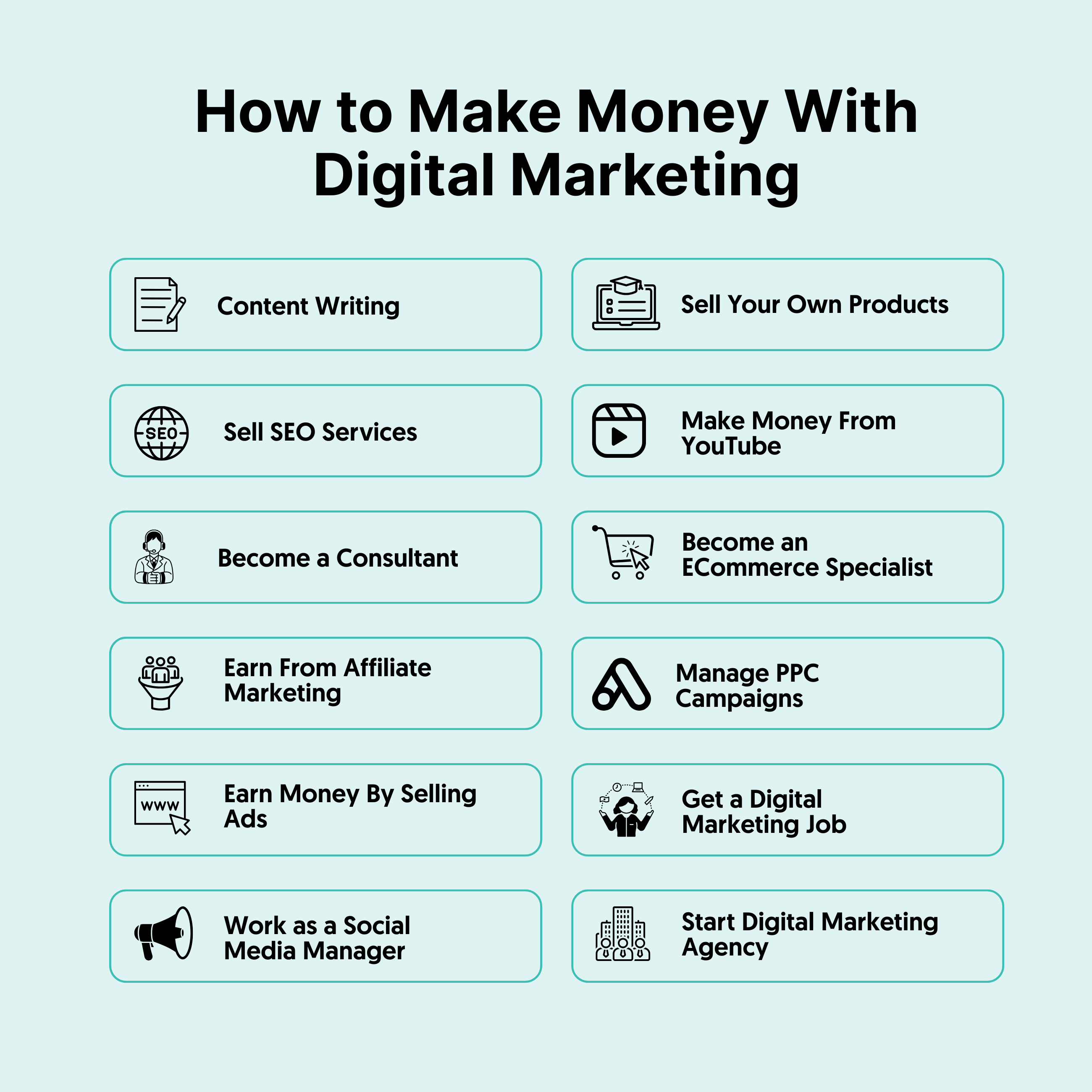
- Blogging: Creating valuable written content around a niche can attract an audience. Income streams include affiliate marketing (promoting products and earning a commission on sales), display advertising (e.g., Google AdSense), sponsored posts, and selling your own digital products.
- YouTube: Video content creators can earn revenue through YouTube’s Partner Program (displaying ads on their videos), brand sponsorships, merchandise sales, and direct audience support (e.g., Patreon).
- Podcasting: Similar to blogging, podcasts can generate income through sponsorships from brands, selling premium content (e.g., bonus episodes), or listener donations. Building an engaged audience is key.
- Social Media Influencing: Platforms like Instagram, TikTok, and Facebook allow individuals to build significant followings. Influencers can earn money through brand deals, sponsored content, affiliate links, and direct sales of their own products or services.
E-commerce and Dropshipping
Selling products online has become highly accessible, allowing individuals to run their own retail businesses from anywhere.
- Setting Up an Online Store: Platforms like Shopify, WooCommerce (for WordPress), and Squarespace make it relatively easy to create a professional-looking e-commerce website.
- Finding Product Niches: Success often lies in identifying specific market gaps or passionate communities for unique products. Researching trending products, solving common problems, or catering to niche hobbies can be highly effective.
- Dropshipping: This e-commerce model allows you to sell products without holding any inventory. When a customer places an order, you purchase the item from a third-party supplier, who then ships it directly to the customer. This significantly reduces startup costs and logistical complexities.
Affiliate Marketing
Affiliate marketing involves promoting other companies’ products or services. When someone makes a purchase through your unique affiliate link, you earn a commission.
- How It Works: You partner with a company (e.g., Amazon Associates, ShareASale) and receive a unique tracking link. You then integrate these links into your content (blog posts, social media, videos).
- Choosing Niche Products/Services: Focus on products that genuinely align with your audience’s interests and your content’s theme. Authenticity builds trust, which is crucial for conversion.
- Transparency and Ethical Considerations: Always disclose your affiliate relationships to your audience. This builds trust and complies with regulatory guidelines.
Building a Sustainable Business for Long-Term Earnings
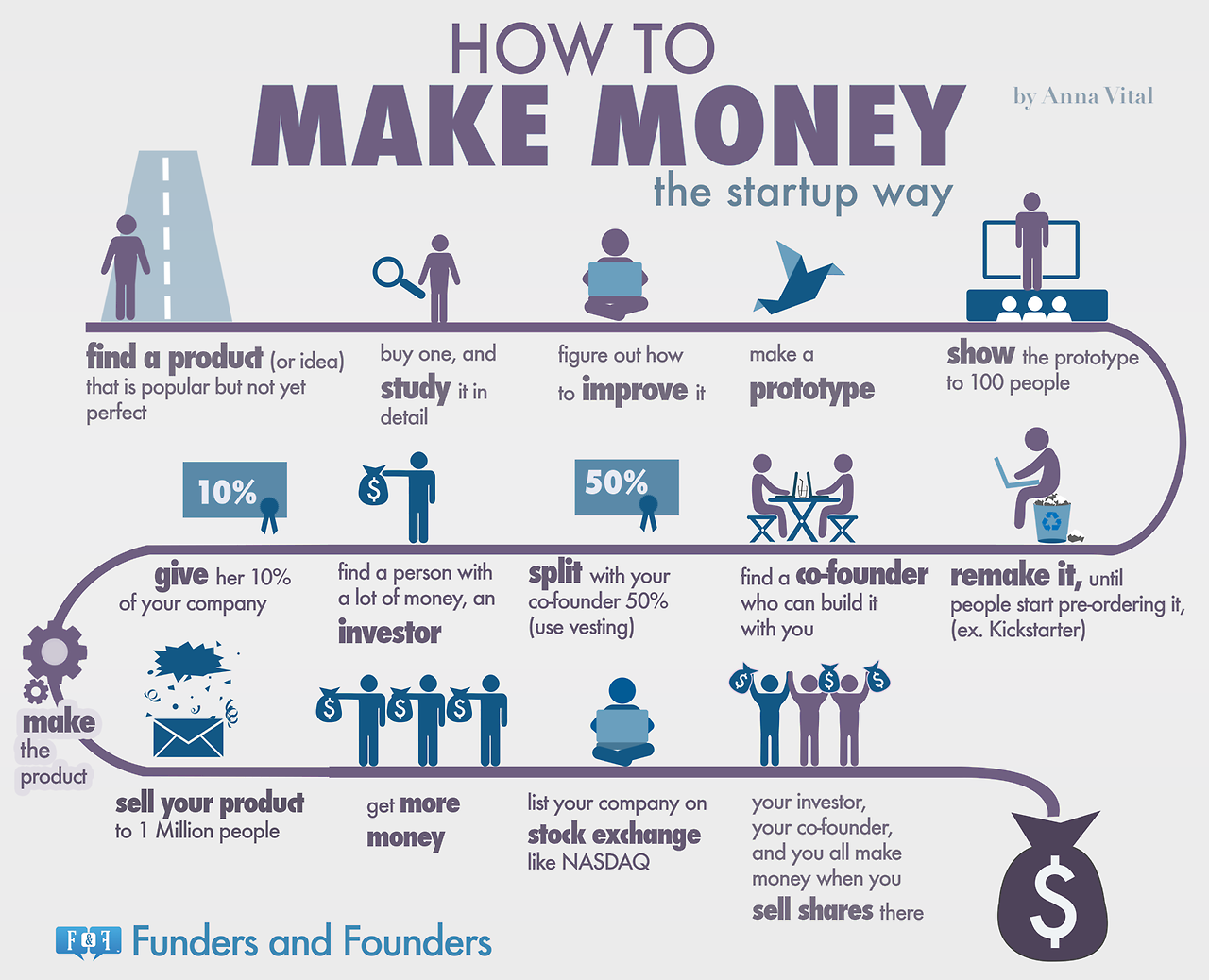
For those seeking to generate substantial income and build lasting wealth, starting and scaling a business is often the most impactful path. This involves more commitment and risk but offers greater control and potential rewards.
Identifying Market Gaps and Business Opportunities
A successful business often begins with identifying a genuine need or an underserved market.
- Solving a Problem: What challenges do people face in their daily lives or businesses? Can you offer a unique or better solution?
- Offering Unique Value: How can your product or service differentiate itself from competitors? Is it faster, cheaper, higher quality, or more convenient?
- Market Research: Thoroughly research your target audience, competitors, and industry trends to validate your business idea and refine your offering.
Developing a Solid Business Plan
A well-structured business plan is a roadmap for your venture, guiding decisions and attracting potential investors.
- Financial Projections: Detail your startup costs, revenue forecasts, profit margins, and cash flow projections. This demonstrates financial viability.
- Marketing Strategy: Outline how you will reach your target customers, promote your products/services, and build brand awareness.
- Operational Considerations: Describe how your business will function day-to-day, including production, delivery, customer service, and staffing.
Funding Your Venture
Securing capital is often a critical step in launching and growing a business.
- Bootstrapping: Starting small and funding your business with personal savings and early revenues minimizes debt and maintains full ownership.
- Small Business Loans: Banks and credit unions offer various loan products tailored for small businesses. Government-backed loans (e.g., SBA loans in the U.S.) can provide favorable terms.
- Angel Investors/Venture Capital: For high-growth potential businesses, seeking investment from angel investors (wealthy individuals) or venture capital firms can provide significant capital and strategic guidance, though it often involves relinquishing equity.
Financial Discipline and Management
Effective financial management is paramount for business survival and growth.
- Budgeting for Business: Create and adhere to a detailed budget that tracks all income and expenses, ensuring efficient allocation of resources.
- Tracking Expenses and Revenue: Implement robust accounting practices from day one. Utilize accounting software (e.g., QuickBooks, Xero) to monitor financial performance, prepare for taxes, and make informed decisions.
- Understanding Profit Margins: Consistently analyze your gross and net profit margins to ensure your pricing strategy is effective and your costs are managed.
Financial Tools and Mindset for Success
Generating and managing money effectively also hinges on utilizing the right tools and cultivating a resilient mindset.
Essential Financial Tools
Modern technology offers a plethora of tools to assist in budgeting, investing, and managing business finances.
- Budgeting Apps: Personal finance apps like Mint, YNAB (You Need A Budget), and Personal Capital help track spending, categorize expenses, and set financial goals, providing a clear picture of your cash flow.
- Investment Platforms: Brokerage firms like Fidelity, Vanguard, Charles Schwab, and online platforms like Robinhood or M1 Finance offer various ways to invest in stocks, bonds, ETFs, and mutual funds, catering to different investor needs and experience levels.
- Accounting Software for Small Business: Tools such as QuickBooks, Xero, and FreshBooks simplify invoicing, expense tracking, payroll, and financial reporting for entrepreneurs, ensuring compliance and providing insights into business health.

Cultivating a Money-Making Mindset
Beyond strategies and tools, your approach to money and work significantly impacts your ability to earn.
- Continuous Learning and Skill Development: The economic landscape is constantly changing. Invest in yourself by learning new skills, staying updated with industry trends, and seeking knowledge that enhances your earning potential.
- Patience and Persistence: Building significant income streams, especially through business or investing, rarely happens overnight. It requires sustained effort, learning from setbacks, and unwavering commitment to your goals.
- Embracing Calculated Risks: True financial growth often involves stepping outside your comfort zone. Learn to assess opportunities, understand potential downsides, and take calculated risks that align with your financial objectives.
- Setting Clear Financial Goals: Define what “making money” means to you. Specific, measurable, achievable, relevant, and time-bound (SMART) goals provide direction, motivation, and a benchmark for success, whether it’s paying off debt, saving for a down payment, or achieving a certain level of passive income.
Ultimately, generating income in today’s world is a multi-faceted endeavor that rewards strategic thinking, continuous effort, and a willingness to adapt. By exploring diverse income streams, making informed investment decisions, leveraging digital opportunities, and cultivating a robust financial mindset, individuals can effectively answer the question “how will I make money” and build a path to financial prosperity.
aViewFromTheCave is a participant in the Amazon Services LLC Associates Program, an affiliate advertising program designed to provide a means for sites to earn advertising fees by advertising and linking to Amazon.com. Amazon, the Amazon logo, AmazonSupply, and the AmazonSupply logo are trademarks of Amazon.com, Inc. or its affiliates. As an Amazon Associate we earn affiliate commissions from qualifying purchases.