
The quest to make money from investments is a universal pursuit, a fundamental pillar of personal finance that promises not just wealth accumulation but also financial security and freedom. In an ever-evolving economic landscape, understanding what to invest in is paramount. It’s a decision that transcends mere stock picking; it requires a strategic approach, a clear understanding of one’s financial goals, and an appreciation for the delicate balance between risk and reward. This guide will delve into various investment avenues, from time-tested traditional assets to modern alternatives, equipping you with the knowledge to build a robust portfolio designed for growth.
Understanding Your Investment Foundation
Before diving into specific assets, it’s crucial to lay a solid groundwork. Investing isn’t a one-size-fits-all endeavor; it’s a deeply personal journey influenced by individual circumstances, objectives, and tolerance for risk.
Defining Your Financial Goals and Risk Tolerance
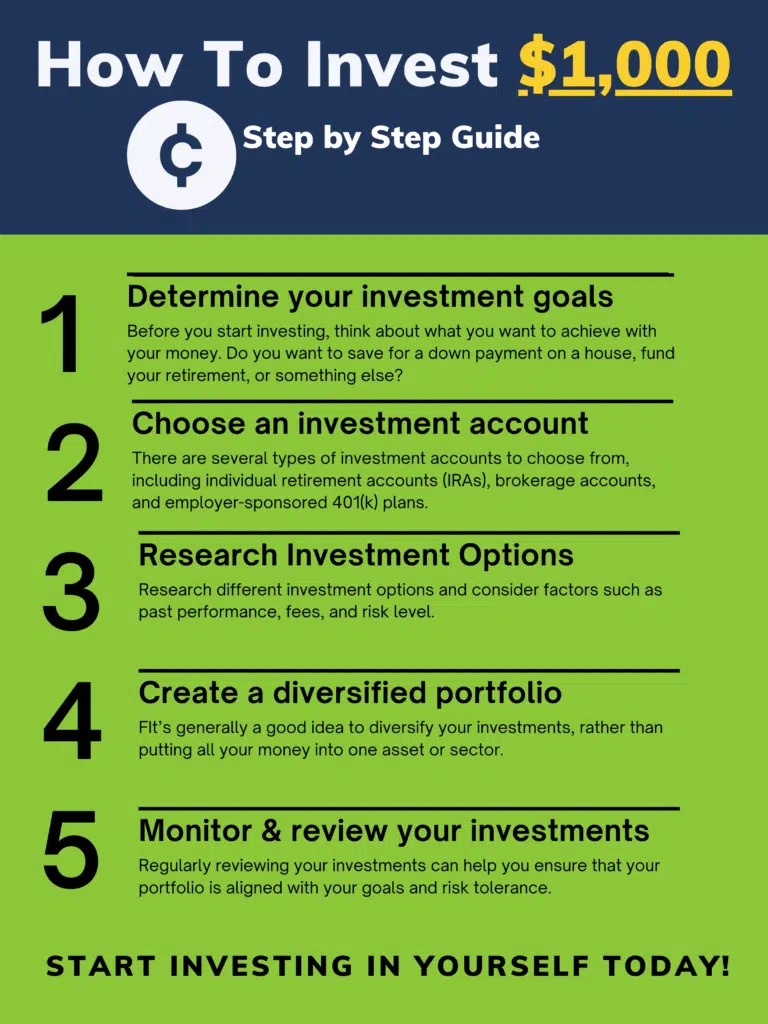
The first step in any investment journey is to clearly articulate why you are investing. Are you saving for a down payment on a house in five years (short-term), planning for retirement in thirty years (long-term), or building a college fund for your children? Your goals will dictate the appropriate time horizon for your investments and, consequently, the level of risk you can reasonably undertake.
Risk tolerance is equally critical. Some individuals are comfortable with significant market fluctuations in pursuit of higher returns, while others prefer the stability of lower-yielding but safer assets. Understanding your comfort level with potential losses is vital. A common mistake is to chase high returns without fully appreciating the associated risks, leading to panic selling during market downturns. A well-defined risk profile—whether conservative, moderate, or aggressive—will guide your asset allocation decisions.
The Importance of a Diversified Portfolio
One of the most fundamental principles of investing is diversification. The adage “don’t put all your eggs in one basket” holds immense truth in the financial world. Diversification involves spreading your investments across various asset classes, industries, and geographies to minimize risk. If one investment performs poorly, the impact on your overall portfolio is mitigated by the positive performance of others.
A diversified portfolio typically includes a mix of stocks, bonds, real estate, and potentially alternative assets. The exact allocation will depend on your risk tolerance and investment horizon. For instance, a younger investor with a long time horizon might opt for a higher allocation to growth-oriented stocks, while someone nearing retirement might favor a more conservative mix weighted towards bonds and income-generating assets.
Starting with a Solid Financial Base
Before committing significant capital to investments, ensure your personal finances are in order. This means establishing an emergency fund, typically 3-6 months’ worth of living expenses, held in a readily accessible, liquid account. This fund acts as a financial safety net, preventing you from having to sell investments at an inopportune time should an unexpected expense arise.
Equally important is tackling high-interest debt, such as credit card balances. The interest rates on such debts often far exceed the returns you could realistically expect from investments. Paying down high-interest debt is essentially a guaranteed return on your money, a powerful first step towards financial stability and effective wealth building.
Traditional Investment Avenues for Wealth Growth
With a strong foundation in place, let’s explore the established routes for capital appreciation and income generation. These traditional assets have formed the backbone of successful portfolios for decades.
Stocks: The Power of Equity Ownership
Investing in stocks means owning a share of a company. As the company grows and becomes more profitable, the value of its stock can increase, leading to capital gains. Additionally, many companies pay dividends, distributing a portion of their profits to shareholders, providing a source of passive income.
Stocks are generally considered growth-oriented investments with higher potential returns but also higher volatility compared to bonds. Investors can choose between individual stocks, requiring diligent research and monitoring, or diversified options like Exchange Traded Funds (ETFs) and mutual funds. ETFs and mutual funds pool money from multiple investors to buy a basket of stocks, offering instant diversification across various companies or sectors. Index funds, a type of ETF or mutual fund, passively track a market index (like the S&P 500) and are often recommended for their low costs and broad market exposure.
Bonds: Stability and Income Generation
Bonds represent a loan made by an investor to a borrower, typically a corporation or government entity. In return, the borrower promises to pay back the principal amount at a specified maturity date and usually makes regular interest payments (coupon payments) over the life of the bond.
Bonds are generally considered less risky than stocks and serve as a crucial component of a diversified portfolio, especially for investors seeking stability and regular income. They tend to be less volatile than stocks and can provide a hedge during stock market downturns. Government bonds (like U.S. Treasuries) are considered among the safest investments, while corporate bonds carry slightly higher risk but typically offer higher yields.
Real Estate: Tangible Assets and Passive Income
Real estate investing offers a tangible asset that can appreciate in value over time and generate rental income. This can include residential properties (single-family homes, apartments), commercial properties (offices, retail spaces), or industrial properties. Direct real estate ownership requires significant capital, management effort, and local market knowledge.
For those seeking exposure to real estate without direct ownership, Real Estate Investment Trusts (REITs) offer a compelling alternative. REITs are companies that own, operate, or finance income-producing real estate. They trade on stock exchanges like stocks, allowing investors to buy shares and receive regular dividend payments derived from the REIT’s rental income, making them a more liquid and accessible way to invest in real estate.
Mutual Funds and ETFs: Diversification Made Easy
As mentioned earlier, mutual funds and ETFs are excellent vehicles for achieving diversification with relative ease. They allow investors to gain exposure to a broad range of assets, from stocks and bonds to commodities, without having to purchase each asset individually.
- Mutual Funds: Professionally managed portfolios of stocks, bonds, or other investments. They are actively managed, meaning fund managers make decisions about what to buy and sell, aiming to outperform a specific benchmark. This active management often comes with higher fees (expense ratios).
- ETFs: Similar to mutual funds but trade on stock exchanges throughout the day, like individual stocks. Many ETFs are passively managed index funds, aiming to replicate the performance of a specific market index. Their passive nature often results in lower expense ratios compared to actively managed mutual funds, making them a cost-effective option for long-term investors.
Exploring Modern and Alternative Investment Opportunities
Beyond the traditional, the investment landscape continuously evolves, presenting new opportunities for those willing to explore beyond the mainstream.

Cryptocurrency: High Risk, High Reward Potential
Cryptocurrencies like Bitcoin and Ethereum have emerged as a revolutionary, albeit volatile, asset class. Built on blockchain technology, these digital assets offer decentralization and potential for significant growth. However, their extreme price fluctuations, regulatory uncertainty, and susceptibility to market sentiment make them high-risk investments. While some investors allocate a small portion of their portfolio to cryptocurrencies for their disruptive potential, they are not suitable for those with a low-risk tolerance or for large allocations. Understanding the underlying technology and market dynamics is crucial before considering an investment in this space.
Peer-to-Peer Lending: Direct Investment in Loans
Peer-to-peer (P2P) lending platforms connect individual borrowers directly with individual lenders, bypassing traditional financial institutions. As an investor, you can lend money to individuals or small businesses and earn interest payments. P2P lending can offer higher interest rates than traditional savings accounts or bonds, but it also carries the risk of borrower default. Diversifying across multiple loans and understanding the platform’s risk assessment models are key strategies for mitigating this risk.
Crowdfunding: Investing in Startups and Projects
Crowdfunding allows individuals to invest in startups, real estate projects, or creative ventures by contributing small amounts of capital.
- Equity Crowdfunding: Investors receive an equity stake in a private company, with the potential for significant returns if the company succeeds. This is inherently high-risk, as most startups fail, but offers access to pre-IPO investment opportunities.
- Real Estate Crowdfunding: Investors pool money to invest in larger real estate projects, receiving a share of the rental income or profits from sales. This offers a more accessible way to participate in real estate development without direct ownership.
Both forms of crowdfunding require thorough due diligence and an understanding of the illiquidity of these investments.
Fine Art and Collectibles: Passion Meets Profit
For those with a keen eye and expertise, investing in fine art, rare wines, classic cars, or other collectibles can yield substantial returns. The value of these assets often appreciates due to scarcity, historical significance, and aesthetic appeal. However, this niche requires specialized knowledge, significant capital, and an understanding of market authenticity and provenance. These investments are also highly illiquid, meaning they can be difficult to sell quickly without significant discounts.
Strategies for Maximizing Investment Returns
Beyond selecting the right assets, employing sound investment strategies can significantly enhance your long-term returns.
The Power of Compounding
Often referred to as the “eighth wonder of the world,” compounding is the process of earning returns not only on your initial investment but also on the accumulated interest or gains from previous periods. Reinvesting dividends and capital gains allows your money to grow exponentially over time. The earlier you start investing, the more powerfully compounding works in your favor, highlighting the importance of long-term thinking.
Dollar-Cost Averaging
Dollar-cost averaging is a strategy where you invest a fixed amount of money at regular intervals (e.g., monthly) regardless of the asset’s price. This approach automatically leads you to buy more shares when prices are low and fewer shares when prices are high, effectively averaging out your purchase price over time. It helps mitigate the risk of trying to “time the market” and can be particularly effective in volatile markets.
Rebalancing Your Portfolio
Over time, the weightings of different assets in your portfolio will shift due to varying performance. Rebalancing involves periodically adjusting your portfolio back to your target asset allocation. For instance, if stocks have performed exceptionally well, their percentage in your portfolio might exceed your target. Rebalancing would involve selling some stocks and buying more of your underperforming assets (like bonds) to restore the desired allocation. This practice helps maintain your intended risk level and ensures you’re not overexposed to any single asset class.
Continuous Learning and Professional Advice
The financial world is dynamic. Staying informed about economic trends, market changes, and new investment products is crucial. However, the sheer volume of information can be overwhelming. Don’t hesitate to seek advice from a qualified financial advisor. A good advisor can help you define your goals, assess your risk tolerance, create a personalized investment plan, and provide guidance through market fluctuations. They can also help with tax planning and estate considerations, which are vital components of a comprehensive financial strategy.
Navigating Risks and Making Informed Decisions
Investing inherently involves risk. Acknowledging and managing these risks is as important as identifying promising opportunities.
Understanding Market Volatility
Market volatility – the rapid ups and downs in asset prices – is a natural and inevitable part of investing. While it can be unsettling, especially during downturns, it’s important to view volatility as a normal market function. Long-term investors understand that short-term fluctuations are often noise, and patience through these periods is frequently rewarded. Avoid making impulsive decisions based on daily market movements.
Avoiding Emotional Investing
Fear and greed are powerful emotions that can derail even the best investment plans. Fear can lead to selling assets during a market downturn, locking in losses, while greed can lead to chasing hot trends or taking on excessive risk. A disciplined, data-driven approach, sticking to your predetermined investment plan, and regular rebalancing can help you override emotional impulses.
Due Diligence and Research
Never invest in something you don’t understand. Thoroughly research any investment opportunity before committing your capital. Understand the company or asset’s fundamentals, its potential risks, and its historical performance. For alternative investments, due diligence becomes even more critical, as information may be less transparent or regulated.

The Role of Inflation and Taxes
Inflation erodes the purchasing power of your money over time. Your investments must generate returns that outpace inflation to genuinely grow your wealth. Similarly, taxes on investment gains and income can significantly impact your net returns. Understanding tax-efficient investment strategies, utilizing tax-advantaged accounts (like IRAs and 401(k)s), and consulting with a tax professional are essential for maximizing your after-tax returns.
In conclusion, the question of “what to invest in that will make money” is best answered by a personalized, strategic, and disciplined approach. There is no single “best” investment; rather, it’s about constructing a diversified portfolio aligned with your financial goals, risk tolerance, and time horizon. Whether you gravitate towards the stability of traditional assets or the high-growth potential of modern alternatives, success hinges on continuous learning, patience, and a steadfast commitment to your financial plan. By understanding your foundation, exploring diverse avenues, employing smart strategies, and managing risks, you can build a robust investment portfolio designed to generate wealth and secure your financial future.
aViewFromTheCave is a participant in the Amazon Services LLC Associates Program, an affiliate advertising program designed to provide a means for sites to earn advertising fees by advertising and linking to Amazon.com. Amazon, the Amazon logo, AmazonSupply, and the AmazonSupply logo are trademarks of Amazon.com, Inc. or its affiliates. As an Amazon Associate we earn affiliate commissions from qualifying purchases.