
In an increasingly demanding world where the traditional nine-to-five often feels like a constant pursuit of more, the concept of “passive income” has captured the imagination of many seeking financial freedom and flexibility. But what exactly qualifies as passive income, and is it truly as hands-off as it sounds? This article will demystify passive income, exploring its definitions, diverse forms, inherent challenges, and the strategic mindset required to build sustainable streams that work for you, even while you sleep.
Demystifying Passive Income: Core Principles
The allure of passive income lies in its promise: earning money with minimal ongoing effort. However, to truly understand what qualifies, we must dissect the core principles that define it, moving beyond the often-misleading “get rich quick” narratives.

Defining “Passive”: A Spectrum of Effort
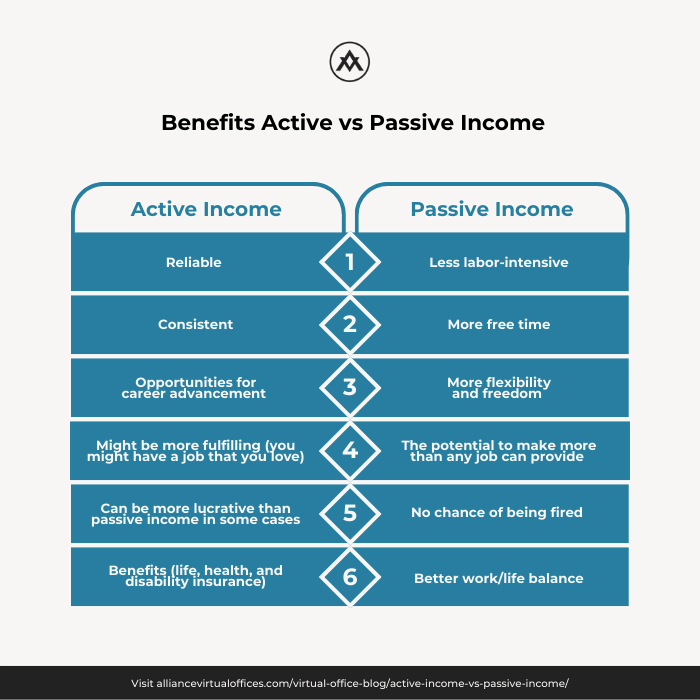
At its heart, passive income is revenue generated from an enterprise in which an individual is not actively involved. The key distinction from active income, such as a salary or hourly wage, is the reduced direct labor required once the income stream is established. However, “passive” is a spectrum, not an absolute. Very few income streams are entirely hands-off. Most require a significant upfront investment of time, money, or intellectual capital to set up, and often some degree of ongoing management, maintenance, or optimization to sustain. The goal is to separate your income from your time, allowing for scalability and potentially greater freedom.
The Upfront Investment: Time, Money, or Skill
To generate passive income, something must be invested initially. This foundational input can take several forms:
- Financial Capital: Investing in stocks, bonds, real estate, or a business requires money to start. The return on this investment (dividends, interest, rent) then becomes passive.
- Time and Effort: Creating digital products like an e-book, an online course, or building an affiliate marketing website demands considerable time, skill, and effort upfront. Once created, these assets can generate income repeatedly with minimal further intervention.
- Intellectual Property/Skills: Leveraging specific expertise to create licensable content (photos, music, software) or automated systems falls into this category.
Without this initial investment, true passive income is almost impossible to achieve. It’s the groundwork that allows for future “passivity.”
Why Pursue Passive Income? Freedom and Security
The primary motivations for seeking passive income are compelling and multifaceted. For many, it’s about achieving financial independence, where passive earnings cover living expenses, freeing them from the necessity of active employment. It offers income diversification, reducing reliance on a single source and providing a safety net against job loss or economic downturns. Ultimately, passive income can lead to greater time freedom, allowing individuals to pursue passions, spend more time with family, travel, or simply reduce stress and improve quality of life. It shifts the paradigm from trading time for money to leveraging assets for consistent revenue.
Common Categories of Passive Income Streams
Passive income is not a monolithic concept; it manifests in a variety of forms, each with its own characteristics, risks, and potential rewards. Understanding these categories is crucial for identifying opportunities that align with your financial goals and resources.
Investment-Based Passive Income (Financial Assets)
This category involves leveraging existing capital to generate returns, where the assets do most of the “work.”

- Dividends from Stocks: When you own shares in companies that distribute a portion of their earnings to shareholders, these payments are dividends. Once purchased, these stocks can generate regular income with no further action required from the investor, beyond the initial research and purchase.
- Interest from Bonds/High-Yield Savings Accounts: Bonds are loans made to corporations or governments, which pay interest to the bondholder. High-yield savings accounts or Certificates of Deposit (CDs) offer a secure, albeit usually lower, interest rate on deposited cash. These are generally considered very passive once the initial investment is made.
- Real Estate Rentals (Traditional & REITs): Owning physical property and renting it out generates rental income. While traditional landlord duties (maintenance, tenant management) can be active, hiring a property manager can significantly increase its passivity. Alternatively, Real Estate Investment Trusts (REITs) allow investors to own a piece of income-producing real estate portfolios without the direct management of properties, offering a more hands-off approach.
- Peer-to-Peer Lending: Through platforms connecting borrowers and lenders, individuals can invest in personal or business loans and earn interest on their contributions. While requiring some initial vetting and diversification, the ongoing income is largely passive.
Creation-Based Passive Income (Digital & Intellectual Property)
This category focuses on creating a product or asset once, which then sells or generates revenue repeatedly.
- Digital Products (eBooks, Courses, Templates): Authors, educators, and designers can create digital products like e-books, online courses, software templates, or stock photos/videos. After the initial creation and marketing effort, these products can be sold repeatedly through online platforms, generating income with each sale.
- Affiliate Marketing: This involves promoting other companies’ products or services. When someone makes a purchase through your unique affiliate link, you earn a commission. Setting up a blog, website, or social media presence to attract an audience and embed these links requires upfront work, but the income generated from clicks and sales can become passive over time.
- Licensing (Photos, Music, Software): Artists, photographers, musicians, and developers can license their work for others to use. For example, stock photography sites pay royalties each time an image is downloaded. Once the work is created and uploaded, it can continue to generate income without further direct effort.
- YouTube Ad Revenue (after initial effort): While creating YouTube content is very active, highly successful channels can earn substantial ad revenue over time from older videos, which continue to attract viewers and ad impressions long after their initial publication.
Business-Based Passive Income (Automated Systems)
This involves setting up a business that largely runs itself or is managed by others, freeing up the owner’s time.
- Vending Machines: Purchasing and placing vending machines in strategic locations can generate passive income from sales. While initial setup and periodic restocking/maintenance are required, daily operations are automated.
- Laundromats: Investing in a laundromat allows customers to pay to use machines independently. With a manager or robust security and remote monitoring systems, much of the day-to-day operation can be outsourced, leaving the owner with a largely passive income stream.
- Automated Online Businesses (e.g., dropshipping with extensive automation): While dropshipping can be very active, scaling it with significant automation, virtual assistants, and robust software systems can make it more passive, where orders are processed and fulfilled without constant direct intervention from the owner.
The Myth of “Get Rich Quick”: Effort and Patience
The concept of passive income is often romanticized, leading to misconceptions that it’s a shortcut to wealth without effort. In reality, sustained passive income almost always requires significant initial effort, smart strategy, and considerable patience.
The Initial Setup Phase: Active Work is Required
Regardless of the chosen passive income stream, the genesis phase is unequivocally active. For an investment, it means researching markets, understanding risks, and making informed decisions. For creation-based income, it involves countless hours of writing, designing, coding, or filming. Building an audience for affiliate marketing or a digital product takes consistent content creation, marketing, and engagement. This upfront commitment is not optional; it’s the foundation upon which future passivity is built. Those who fail to put in this initial active work are unlikely to ever see truly passive returns.
Ongoing Maintenance and Optimization
Even once established, most passive income streams are not entirely “set it and forget it.”
- Investment portfolios require periodic review, rebalancing, and adaptation to market changes.
- Rental properties need maintenance, tenant screening, and rent collection oversight, even with a property manager.
- Digital products may need updates, customer support, and ongoing marketing to remain competitive and relevant.
- Affiliate websites need fresh content, SEO optimization, and link management.
Neglecting these ongoing tasks can lead to diminished returns or even the complete collapse of an income stream. True passivity often means optimizing systems and delegating tasks rather than complete inaction.
The Power of Compounding and Reinvestment
Patience is a virtue in the pursuit of passive income, particularly with investment-based streams. The magic of compounding allows earnings to generate further earnings, accelerating wealth growth over time. Reinvesting dividends, interest, or profits back into the passive income stream can significantly amplify its long-term potential. This long-term perspective is critical. Many passive income ventures start small, generating modest returns. It takes consistent effort, time, and often reinvestment to scale them to a point where they can significantly contribute to financial independence.
Strategies for Building a Passive Income Portfolio
Building a robust passive income portfolio requires more than just knowing what’s out there; it demands a strategic approach tailored to your individual circumstances and goals.
Assess Your Skills and Resources
Before diving in, take stock of what you already possess. Do you have a specific expertise that could be turned into an online course or e-book? Do you have capital available for investment? Are you tech-savvy enough to build an affiliate website, or do you prefer tangible assets like real estate? Matching your passive income strategy to your existing skills, knowledge, and financial resources dramatically increases your chances of success and enjoyment.
Start Small and Validate Your Idea
It’s tempting to dream big, but starting small and testing the waters is often the wisest approach. If you’re considering a digital product, create a smaller version or survey your potential audience first. For investments, begin with smaller amounts you’re comfortable losing, or diversify across different low-risk assets. Validating your ideas early can save significant time and money by ensuring there’s a market or viability before you fully commit.
Diversify Your Income Streams
Reliance on a single income stream, active or passive, always carries risk. A diversified passive income portfolio, drawing from different categories (e.g., a mix of dividend stocks, a rental property, and a digital product), provides resilience. If one stream underperforms due to market changes or unforeseen circumstances, others can compensate, maintaining your overall financial stability.
Automate and Delegate Wherever Possible
The ultimate goal of passive income is to minimize your direct involvement. Look for opportunities to automate tasks using technology, from scheduling social media posts for your affiliate site to setting up automatic dividend reinvestment plans. When automation isn’t possible, consider delegating tasks to virtual assistants or specialized services (e.g., a property manager, an accountant, or customer support for your digital products). Investing in these services can pay dividends by freeing up your most valuable asset: your time.
Continuous Learning and Adaptation
The financial landscape, market trends, and technological tools are constantly evolving. What works today might be obsolete tomorrow. Stay informed, learn new skills, and be prepared to adapt your passive income strategies. This might mean updating your online course, exploring new investment vehicles, or optimizing your website for the latest search engine algorithms. Continuous learning is essential for the longevity and profitability of your passive income streams.
Navigating the Challenges and Risks
While the rewards of passive income are substantial, it’s crucial to acknowledge and prepare for the inherent challenges and risks. No income stream is entirely without peril, and a clear-eyed understanding of these factors will help you build a more resilient portfolio.
Market Volatility and Economic Downturns
Investment-based passive income is particularly susceptible to market fluctuations. A stock portfolio generating healthy dividends might see its value decrease during a bear market, or even cut dividends. Rental properties can face vacancies or reduced rental rates during economic recessions. Digital products might see reduced demand during tight financial periods. Diversification helps mitigate these risks, but a general awareness of broader economic trends is essential.
Regulatory Changes and Tax Implications
Governments regularly adjust tax laws and regulations. What was a tax-efficient passive income strategy today might change tomorrow. For instance, new tax rules on rental income, capital gains, or digital product sales can significantly impact your net earnings. Staying informed about tax implications and consulting with financial professionals is vital to ensure compliance and optimize your tax strategy.
Scams and Unrealistic Promises
The allure of passive income makes it a breeding ground for scams. Schemes promising “guaranteed high returns” with “no effort” or requiring significant upfront payments for dubious opportunities should be approached with extreme caution. Be wary of multi-level marketing (MLMs) disguised as passive income opportunities, where the real money is often made from recruiting others rather than product sales.
The Need for Due Diligence
Before investing time or money into any passive income venture, thorough due diligence is non-negotiable. Research the market, understand the business model, vet any platforms or partners, and realistically assess the effort required and the potential for return. Don’t let the promise of “passive” override common sense and critical analysis. If it sounds too good to be true, it almost certainly is.
Conclusion: Your Path to Financial Independence
Passive income is not a magical shortcut but a strategic pathway to financial freedom built on initial effort, informed decision-making, and consistent dedication. By understanding its core principles, exploring diverse income streams, embracing patience, and mitigating risks, individuals can gradually construct a robust portfolio that generates income independently of their active labor. Whether through prudent investments, creative digital assets, or automated business systems, the journey to passive income is a transformative one, offering not just financial security but the invaluable gift of time and choice. It’s a testament to smart work over hard work, empowering you to design a life where your money truly works for you.
aViewFromTheCave is a participant in the Amazon Services LLC Associates Program, an affiliate advertising program designed to provide a means for sites to earn advertising fees by advertising and linking to Amazon.com. Amazon, the Amazon logo, AmazonSupply, and the AmazonSupply logo are trademarks of Amazon.com, Inc. or its affiliates. As an Amazon Associate we earn affiliate commissions from qualifying purchases.