
Progesterone, often dubbed the “hormone of pregnancy,” plays a far more intricate and vital role in a woman’s health than just supporting gestation. Its cyclical fluctuations throughout the month are key to reproductive function, but its influence extends to mood, sleep, bone health, and even energy levels. Understanding what constitutes “normal” progesterone levels is crucial for women of all ages, as deviations can signal underlying health issues or contribute to various symptoms.
Given the broad scope of topics covered on this platform – from cutting-edge tech and insightful brand strategies to savvy financial management – we’ll approach this topic with a similar analytical and informative lens. While progesterone might seem purely biological, its impact on a woman’s overall well-being has ripple effects that can influence her productivity, her financial decisions, and even how she presents herself and her personal brand.
Understanding the Menstrual Cycle and Progesterone’s Role
The journey of progesterone levels throughout a woman’s life is intrinsically linked to her reproductive cycle. It’s not a static number but a dynamic ebb and flow, dictated by the intricate dance of hormones orchestrated by the brain and ovaries. To truly grasp “normal” progesterone levels, we must first understand the phases of the menstrual cycle and how progesterone behaves within them.
The Follicular Phase: A Quiet Beginning
The menstrual cycle, typically lasting around 28 days, is broadly divided into two main phases: the follicular phase and the luteal phase.
The Follicular Phase begins on the first day of menstruation and lasts until ovulation. During this time, the pituitary gland in the brain releases follicle-stimulating hormone (FSH). FSH signals the ovaries to develop follicles, which are small sacs containing immature eggs. As these follicles grow, they produce estrogen, a hormone that plays a crucial role in building up the uterine lining (endometrium) in preparation for a potential pregnancy.
During the follicular phase, progesterone levels are generally quite low. While there is some progesterone present, it’s not the dominant hormone. The primary focus is on estrogen production to stimulate follicular development and endometrial thickening. Think of this phase as the preparation and setup, where the stage is being meticulously set.
Ovulation: The Crucial Turning Point
Ovulation is the pivotal event in the menstrual cycle, usually occurring around day 14 in a 28-day cycle. A surge in luteinizing hormone (LH) from the pituitary gland triggers the release of a mature egg from one of the developed follicles. This is the window of fertility, the most opportune time for conception.
At the moment of ovulation, progesterone levels begin to rise slightly. This rise is a precursor to the significant increase that will follow if fertilization occurs.
The Luteal Phase: The Progesterone Powerhouse
Following ovulation, the ruptured follicle transforms into a structure called the corpus luteum. This is where progesterone truly takes center stage. The corpus luteum’s primary function is to produce large amounts of progesterone, along with some estrogen.
This is the phase where normal progesterone levels peak. The elevated progesterone has several critical functions:
- Further Thickening and Maturation of the Endometrium: Progesterone makes the uterine lining even more receptive to implantation, increasing blood supply and glandular secretions, creating a nourishing environment for a fertilized egg.
- Maintaining the Uterine Lining: If pregnancy occurs, progesterone is essential for maintaining the uterine lining and preventing menstruation. It signals the body to keep the pregnancy going.
- Slowing Down Uterine Contractions: Progesterone helps to relax the smooth muscles of the uterus, preventing premature contractions that could lead to miscarriage.
- Preparing Breasts for Lactation: Progesterone also plays a role in preparing the mammary glands for milk production.
- Influencing Body Temperature: A slight increase in basal body temperature is often observed during the luteal phase, partly due to progesterone.
If fertilization and implantation do not occur, the corpus luteum begins to degenerate after about 10-14 days. As it breaks down, progesterone and estrogen levels drop significantly. This sharp decline is what triggers menstruation, marking the beginning of the next cycle.
Typical Progesterone Levels: A Cyclical Breakdown
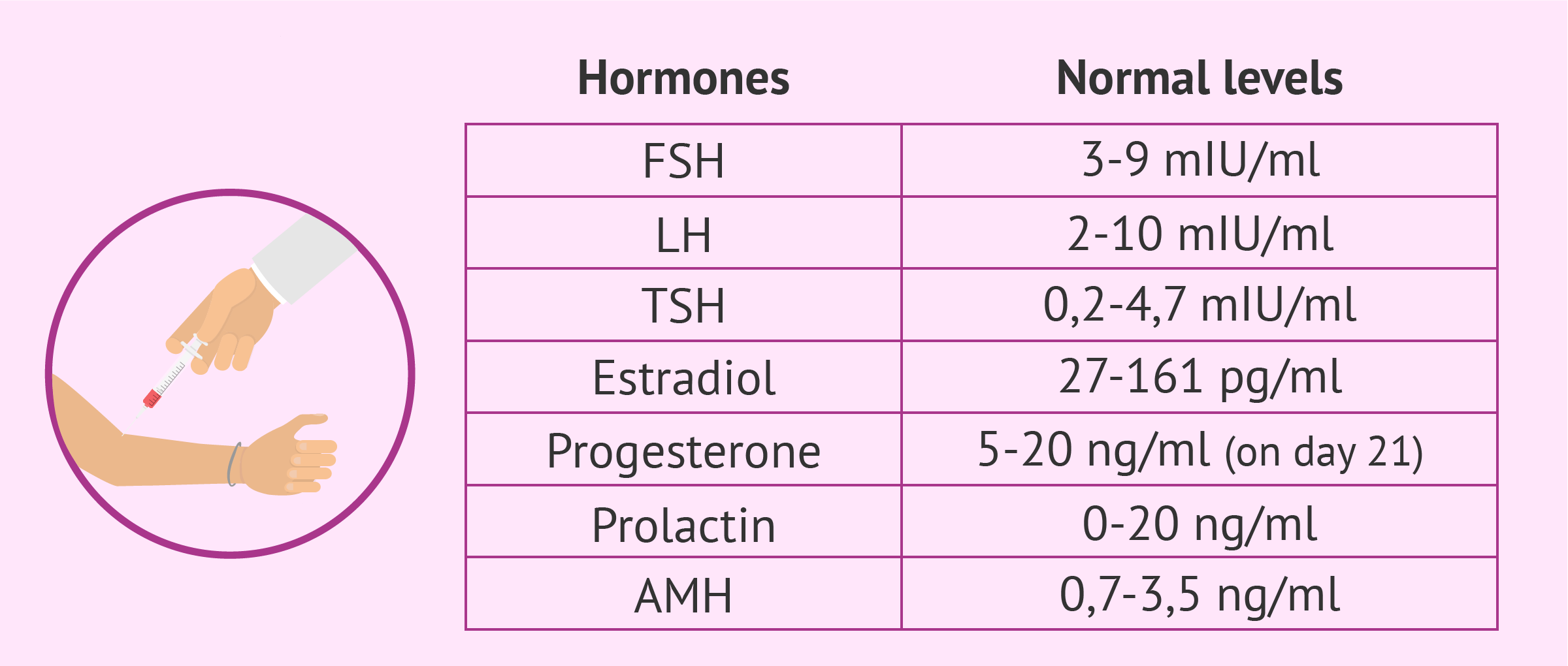
Quantifying “normal” progesterone levels requires understanding that they are measured in nanograms per milliliter (ng/mL) and vary significantly depending on the phase of the menstrual cycle. These are general ranges, and individual variations can occur. It’s important to consult with a healthcare professional for personalized interpretation.
Early Follicular Phase (Days 1-5 of Menstrual Cycle)
- Progesterone Levels: Very low, typically < 1 ng/mL.
During menstruation and the very beginning of the follicular phase, progesterone levels are at their lowest point. The body is essentially resetting and preparing for the next ovulatory cycle.
Mid-Follicular Phase (Days 6-13 of Menstrual Cycle)
- Progesterone Levels: Remain low, generally < 1 ng/mL.
As follicles develop, estrogen levels rise, but progesterone production is still minimal.
Ovulation (Around Day 14)
- Progesterone Levels: Begin to rise slightly, often around 1-1.5 ng/mL.
The LH surge that triggers ovulation also signals the beginning of progesterone production.
Mid-Luteal Phase (Approximately 7 Days After Ovulation, e.g., Day 21 of a 28-day cycle)
- Progesterone Levels: Peak, typically ranging from 10-29 ng/mL.
This is the highest point for progesterone in a non-pregnant cycle. The corpus luteum is actively producing large quantities of the hormone to support a potential pregnancy.
Late Luteal Phase (Just Before Menstruation, e.g., Days 25-28 of a 28-day cycle)
- Progesterone Levels: Decline sharply, falling back to < 1 ng/mL.
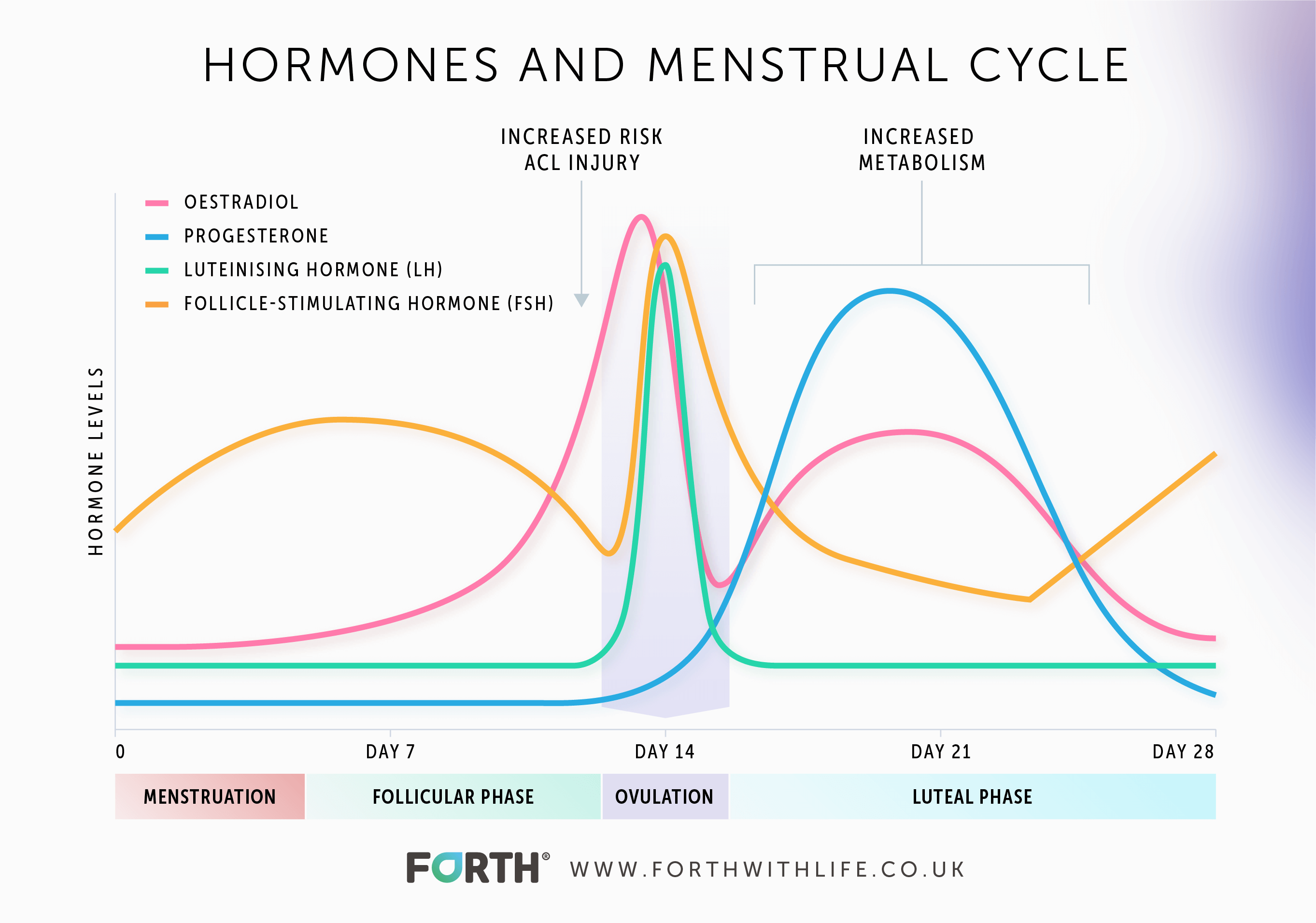
The drop in progesterone signifies that pregnancy has not occurred, leading to the shedding of the uterine lining.
Pregnancy: Sustained High Levels
If pregnancy occurs, the corpus luteum continues to produce progesterone, and later, the placenta takes over this role.
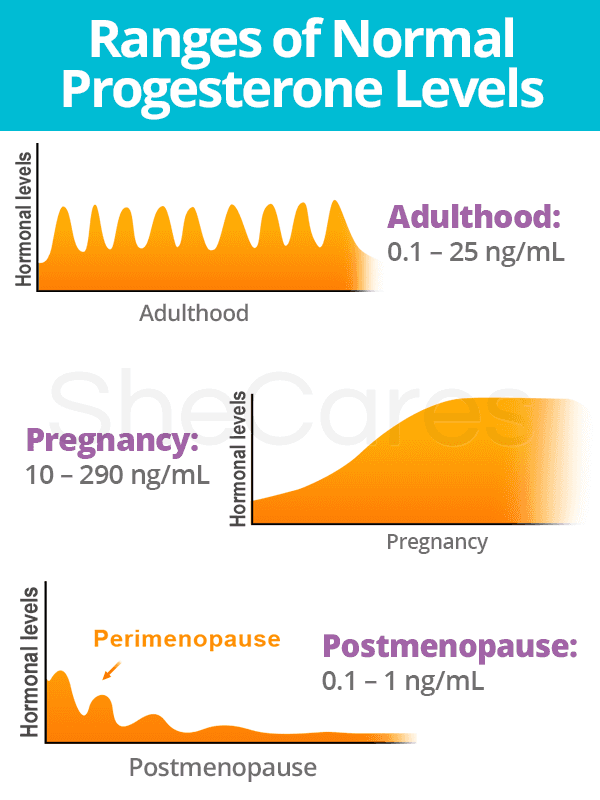
- Early Pregnancy (First Trimester): Progesterone levels can range from 10-44 ng/mL and continue to rise.
- Later Pregnancy: Levels can reach well over 100-200 ng/mL and remain elevated throughout gestation.
These sustained high levels are crucial for maintaining the pregnancy.
Factors Influencing Progesterone Levels and What They Might Mean
Beyond the natural cyclical fluctuations, several factors can influence progesterone levels, leading to variations from what’s considered “normal” at a given point in the cycle. Understanding these influences is key to a holistic view of women’s health.
Irregular Cycles and Anovulation
If a woman experiences irregular menstrual cycles or skips periods (anovulation), her progesterone levels may not follow the typical pattern. Anovulation means that an egg is not released from the ovary, and consequently, a corpus luteum does not form. This results in persistently low progesterone levels throughout the cycle.
Possible Implications:
- Difficulty Conceiving: Without ovulation and adequate progesterone production, achieving pregnancy can be challenging.
- Endometrial Issues: Chronically low progesterone can lead to an imbalance with estrogen, potentially contributing to conditions like endometriosis or uterine fibroids.
- Mood Swings and Other Symptoms: Progesterone has a calming effect. Its absence can exacerbate anxiety, sleep disturbances, and irritability.
High Progesterone Levels (Outside of Pregnancy)
While less common than low progesterone, persistently high progesterone levels outside of pregnancy can also occur and warrant investigation.
Possible Causes and Implications:
- Luteal Cyst: A functional cyst of the corpus luteum can continue to produce progesterone.
- Certain Medications: Some medications can affect hormone levels.
- Adrenal Gland Issues: In rare cases, adrenal gland dysfunction can influence progesterone production.
Symptoms of High Progesterone: Fatigue, mood changes (depression or irritability), headaches, and even gastrointestinal upset.
Low Progesterone Levels (Luteal Phase Defect)
A luteal phase defect (LPD) occurs when the corpus luteum doesn’t produce enough progesterone or doesn’t produce it for a sufficient duration. This can lead to a shortened luteal phase or inadequate progesterone levels to support implantation.
Possible Implications:
- Recurrent Miscarriage: The uterine lining may not be adequately prepared for implantation or may not be maintained, leading to early pregnancy loss.
- Infertility: Difficulty conceiving due to an unreceptive endometrium.
Other Influencing Factors
- Age: Hormone levels can naturally fluctuate as women approach perimenopause and menopause.
- Stress: Chronic stress can disrupt the hypothalamic-pituitary-ovarian (HPO) axis, affecting hormone production.
- Weight: Significant weight loss or gain can impact hormone balance.
- Medical Conditions: Thyroid disorders, polycystic ovary syndrome (PCOS), and other endocrine conditions can affect progesterone.
- Medications: Certain medications, including some hormonal contraceptives, can alter natural progesterone levels.
Testing and Interpreting Progesterone Levels: A Practical Approach
For women experiencing symptoms related to hormonal imbalance, understanding when and how progesterone levels are tested is essential. This is where a practical, almost “tech-meets-biology” approach comes into play, utilizing diagnostic tools to gain insights.
When to Test Progesterone
The timing of a progesterone test is critical for accurate interpretation. It is almost always recommended to test mid-luteal phase, typically around day 21 of a regular 28-day cycle. This is when progesterone levels should be at their peak. Testing at other times without specific medical advice may not yield a representative result.
How Progesterone is Tested
A progesterone blood test is the standard method. It measures the amount of progesterone in the blood. For at-home testing options, while convenient, it’s crucial to ensure the tests are scientifically validated and that the results are discussed with a healthcare provider for accurate interpretation.
Interpreting the Results
- Context is Key: A single progesterone number is rarely interpreted in isolation. It’s viewed within the context of the menstrual cycle phase, the woman’s symptoms, and her overall health history.
- Consult Your Doctor: Always discuss your test results with your healthcare provider. They can explain what the numbers mean for your specific situation and recommend further steps.
- Beyond the Numbers: While numbers provide data, symptoms are the lived experience. A doctor will consider both to form a diagnosis and treatment plan.
What to Do with Abnormal Results
If your progesterone levels are consistently outside the normal range for your cycle phase, your doctor may recommend further investigations to identify the underlying cause. Treatment options can vary widely and may include:
- Lifestyle Modifications: Stress management, dietary changes, and maintaining a healthy weight.
- Hormone Replacement Therapy: Progesterone supplements or medications to correct deficiencies.
- Treatment of Underlying Conditions: Addressing conditions like thyroid issues or PCOS.
- Fertility Treatments: For women struggling with infertility due to low progesterone.
Understanding your progesterone levels is an empowering step in managing your reproductive health and overall well-being. It’s a testament to how intricate biological systems are, and how monitoring these systems can lead to better health outcomes, impacting every facet of life, from personal energy to financial planning and beyond.
aViewFromTheCave is a participant in the Amazon Services LLC Associates Program, an affiliate advertising program designed to provide a means for sites to earn advertising fees by advertising and linking to Amazon.com. Amazon, the Amazon logo, AmazonSupply, and the AmazonSupply logo are trademarks of Amazon.com, Inc. or its affiliates. As an Amazon Associate we earn affiliate commissions from qualifying purchases.