
The seemingly identical question “what is the difference between Paramount and Paramount?” actually probes a fascinating evolution within corporate branding and media strategy. On the surface, it appears redundant, but it implicitly highlights the strategic divergence and brand extension of a venerable entertainment institution. The distinction lies not in two separate companies, but in the differentiated roles, market positioning, and consumer propositions of Paramount Pictures – the iconic film studio – and Paramount+, its relatively newer direct-to-consumer streaming service, both operating under the umbrella of Paramount Global. This represents a classic case study in how a legacy brand adapts its identity and offerings for a modern, multi-platform media landscape.
Deconstructing the “Paramount” Identity: From Studio to Streamer
To understand the nuance, one must first recognize the individual contributions and branding strategies of these two distinct, yet interconnected, entities. They share a heritage and a visual identity, but their operational models and market functions have divervolved significantly.
Paramount Pictures: A Century of Cinematic Legacy
Paramount Pictures is the quintessential “Paramount” in the traditional sense, representing a titan of the film industry with a legacy spanning over a century. Established in 1912, it is one of Hollywood’s “Big Five” studios, synonymous with the golden age of cinema and responsible for countless iconic films, from “The Godfather” and “Titanic” to “Mission: Impossible” and “Top Gun.”
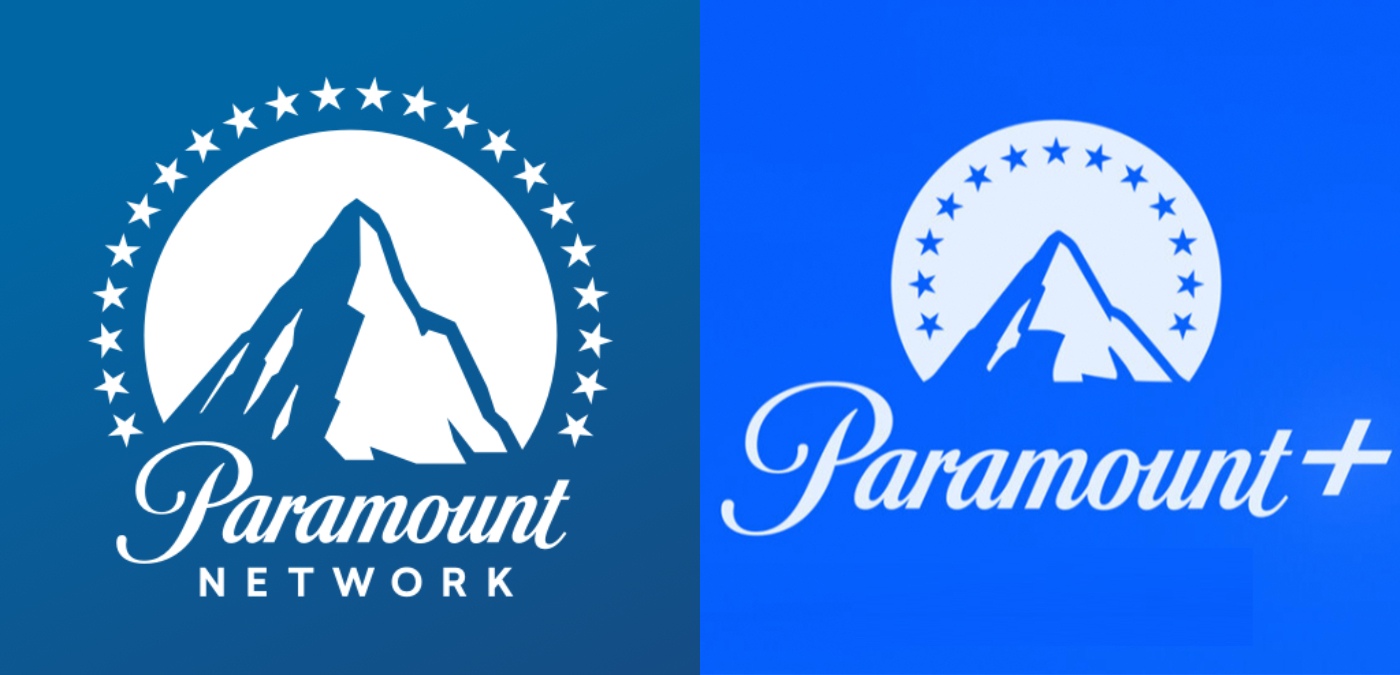
Its brand identity is deeply rooted in grandeur, cinematic spectacle, and star power. The iconic “Starring Mountain” logo, featuring a majestic peak ringed by stars, evokes a sense of enduring quality, aspiration, and the vast scale of storytelling. For decades, Paramount Pictures’ primary business model revolved around film production, theatrical distribution, and subsequent licensing to television networks and home video formats. Its brand promise was the magic of the big screen, the communal experience of cinema, and the creation of timeless stories that define generations. The studio’s brand strategy emphasized creativity, production excellence, global distribution networks, and the cultivation of talent both in front of and behind the camera. It primarily operated as a business-to-business (B2B) entity, supplying content to exhibitors and other media distributors, with the ultimate consumer experience delivered in a theater or via physical media.
Paramount+: The Brand Extension into Digital Dominance
Paramount+, in contrast, represents the brand’s strategic pivot into the direct-to-consumer (D2C) streaming wars. Launched in March 2021 (evolving from CBS All Access), Paramount+ is a subscription video-on-demand service designed to bring the vast content library of Paramount Global – which includes not just Paramount Pictures but also CBS, MTV, Nickelodeon, Comedy Central, BET, Smithsonian Channel, and Showtime – directly to the consumer’s living room, or indeed, their mobile device.
The brand messaging for Paramount+ centers on “A Mountain of Entertainment,” directly referencing the legacy logo while emphasizing breadth and accessibility. Its value proposition is built on convenience, variety, and exclusivity. Subscribers gain access to a deep catalog of films and TV shows, new original series and movies developed specifically for the platform, live sports (e.g., NFL on CBS, UEFA Champions League), and breaking news. Paramount+ aims to be a comprehensive entertainment hub, competing with other streaming giants by leveraging Paramount Global’s extensive intellectual property. Its brand strategy is focused on subscriber acquisition and retention, building a recurring revenue stream, and fostering a direct relationship with its audience, shifting from a B2B focus to a predominantly B2C model.
Strategic Divergence: Understanding Their Market Roles
While both entities carry the “Paramount” name and share a common corporate parent, their strategic objectives, distribution channels, and brand engagement models are distinctly different.
Distribution Channels and Business Models
Paramount Pictures primarily operates within the traditional film ecosystem. Its content reaches consumers through a multi-stage process: first, through global theatrical releases in cinemas, followed by various windows for premium video-on-demand (PVOD), transactional video-on-demand (TVOD), physical media sales (DVD, Blu-ray), and ultimately, licensing to broadcasters or streaming platforms. The business model relies heavily on box office success, licensing fees, and the sale of distribution rights. Its branding, therefore, needs to appeal to exhibitors, international distributors, and, crucially, to moviegoers who are deciding which film to see in a cinema.
Paramount+, however, employs a direct-to-consumer subscription model. Its content is delivered instantly and exclusively (or with early access) through its own application and website. The primary revenue driver is monthly or annual subscription fees, potentially augmented by ad-supported tiers. The brand’s focus is on building a robust subscriber base through compelling original content, exclusive access to new releases (sometimes directly after a short theatrical window or even skipping theaters entirely), and the sheer volume and diversity of its library. This model requires a brand strategy focused on digital marketing, user experience (UX), content recommendation, and continuous engagement to minimize churn.

Brand Messaging and Consumer Perception
The brand messaging of Paramount Pictures tends to be aspirational and grand, focusing on the artistry of filmmaking, the event of a cinema visit, and the emotional impact of a blockbuster. It speaks to the legacy of Hollywood and the power of storytelling on a grand scale. The perception it cultivates is one of a producer of premium, cinematic experiences.
Paramount+’s brand messaging, while leveraging the heritage, pivots to convenience, value, and breadth. Its tagline “A Mountain of Entertainment” clearly communicates its offering as a vast library accessible anywhere, anytime. It emphasizes the collective content from across the Paramount Global portfolio – “Live sports. Breaking news. A mountain of entertainment.” – positioning itself as a comprehensive solution for diverse viewing preferences. The consumer perception it aims for is one of an essential, affordable, and family-friendly streaming service that offers something for everyone. It’s about bringing the “mountain” to you, rather than you having to ascend it.
The Overarching Brand: Paramount Global’s Unified Strategy
The deeper truth behind the “Paramount and Paramount” question lies in understanding Paramount Global, the parent conglomerate. This overarching corporate entity orchestrates the synergy and strategic alignment between its various divisions, including both Paramount Pictures and Paramount+.
A Conglomerate’s Vision
Paramount Global, formed from the merger of CBS Corporation and Viacom in 2019, is a global media and entertainment powerhouse. Its corporate identity is defined by its vast portfolio of iconic brands spanning film, television, streaming, and digital media. The vision is to be a leading content company, leveraging its intellectual property across all platforms and geographies. Paramount Global’s brand strategy is about building a robust ecosystem where content can flow seamlessly from one division to another, maximizing reach, monetization, and brand affinity. It owns the rights to a massive library of content, and its corporate brand is tasked with articulating a unified purpose and direction for this diverse collection of assets.
Synergy and Cross-Promotion
A key aspect of Paramount Global’s strategy is the synergistic relationship between its studio and streaming arms. New films from Paramount Pictures often have an accelerated window to Paramount+ after their theatrical run, directly feeding the streaming service with fresh, high-profile content (e.g., “Top Gun: Maverick” boosting Paramount+ subscriptions). Conversely, successful Paramount+ original series can potentially be developed into feature films or spin-offs, creating a virtuous cycle of content creation and distribution.
Moreover, content from other Paramount Global brands like Nickelodeon (for kids’ programming), Comedy Central (for adult animation and comedy), and Showtime (for prestige dramas) are integrated into Paramount+, making it a more attractive proposition. This cross-pollination ensures that “Paramount” as a brand is consistently visible across multiple touchpoints, reinforcing its presence and value proposition in the crowded entertainment market. The overarching brand strategy is to funnel the legacy and ongoing output of its entire content engine into its primary D2C offering, while maintaining the separate, valuable identities of its core content creators like Paramount Pictures.
Challenges and Future Outlook
The differentiation between Paramount Pictures and Paramount+ highlights the dynamic challenges facing legacy media companies in the digital age.
Navigating Market Dynamics
Paramount Global faces the dual challenge of sustaining a traditional theatrical business, which relies on significant upfront investments and uncertain box office returns, while simultaneously growing a capital-intensive streaming service in a highly competitive market. The brand needs to carefully manage release strategies, ensuring that cinematic releases generate sufficient revenue before transitioning to streaming, without cannibalizing either revenue stream. This requires a flexible and adaptable brand strategy that can respond to evolving consumer preferences and technological shifts.
Evolving Brand Architectures
The “Paramount” brand, in its various manifestations, must continue to evolve. This involves not only refining content strategies but also ensuring a cohesive yet distinct brand architecture. The visual identity, messaging, and consumer experience must be consistent enough to reinforce the overall Paramount Global brand equity, yet differentiated enough to clearly articulate the unique value proposition of Paramount Pictures (cinematic excellence) versus Paramount+ (comprehensive, accessible entertainment). The future will likely see further blurring of lines as more content is produced specifically for streaming, but the distinct brand identities and strategic roles of the studio and the platform will remain crucial for targeted market engagement and long-term success. The difference between Paramount and Paramount is, therefore, a testament to strategic brand diversification within a singular, powerful corporate identity.
aViewFromTheCave is a participant in the Amazon Services LLC Associates Program, an affiliate advertising program designed to provide a means for sites to earn advertising fees by advertising and linking to Amazon.com. Amazon, the Amazon logo, AmazonSupply, and the AmazonSupply logo are trademarks of Amazon.com, Inc. or its affiliates. As an Amazon Associate we earn affiliate commissions from qualifying purchases.