
The question “When did Elon Musk start Tesla?” often elicits a straightforward answer, yet the reality is far more nuanced, especially when viewed through the lens of brand development. While Elon Musk wasn’t one of the initial incorporators, his early and profound involvement fundamentally sculpted Tesla’s corporate identity, mission, and global perception, effectively making him the architect of the brand as we know it today. Understanding this timeline is crucial for appreciating how Tesla evolved from a bold concept into a revolutionary global brand.
The Genesis of an Icon: Setting the Stage for Tesla’s Brand Identity
The story of Tesla’s brand begins before Elon Musk’s direct involvement, laying a foundational vision that would soon be amplified and redefined by his unique leadership.
The Pre-Musk Vision: Crafting the Initial Narrative
Tesla Motors was officially incorporated in July 2003 by engineers Martin Eberhard and Marc Tarpenning. Their initial brand proposition was audacious: to create a high-performance electric sports car, directly challenging the prevailing perception of electric vehicles (EVs) as slow, uninspiring golf carts. This was, at its core, a radical rebranding effort for the entire electric vehicle category. Eberhard and Tarpenning envisioned a future where sustainability didn’t mean sacrificing excitement or luxury. They aimed to infuse the nascent EV market with an identity of speed, style, and technological sophistication, appealing to early adopters who valued both environmental consciousness and driving exhilaration. The early brand promise was clear: cutting-edge technology married with thrilling performance, designed to captivate a niche market of affluent and forward-thinking consumers. This initial narrative, focused on disruption and redefining expectations, formed the bedrock upon which the Tesla brand would be built.
Musk’s Entry: Reshaping the Core Brand
Elon Musk’s pivotal involvement began in February 2004 when he led the Series A funding round with a personal investment of $6.5 million, becoming Tesla’s Chairman. His capital infusion was far more than just financial backing; it was a profound validation of the nascent brand’s audacious vision. Musk’s entry marked a turning point, transforming a promising startup into a company poised for exponential growth and a significantly expanded mission. He didn’t just invest; he became deeply involved in product strategy, engineering, and design, imprinting his visionary leadership onto every facet of the company. It was under Musk’s influence that Tesla’s mission evolved from simply producing electric cars to “accelerating the world’s transition to sustainable energy.” This ambitious, purpose-driven mantra became the overarching brand statement, elevating Tesla beyond an automotive manufacturer into a global force for environmental and technological change. This expansion of purpose significantly broadened the brand’s scope, appealing to a wider audience driven by aspiration and a desire for a better future, effectively reshaping its core identity.
Forging the Tesla Brand: Beyond the Roadster
With Musk at the helm, Tesla’s brand identity was rapidly forged, extending beyond its initial product offering to embody a distinct corporate philosophy and a disruptive market approach.
Visionary Leadership and Corporate Identity
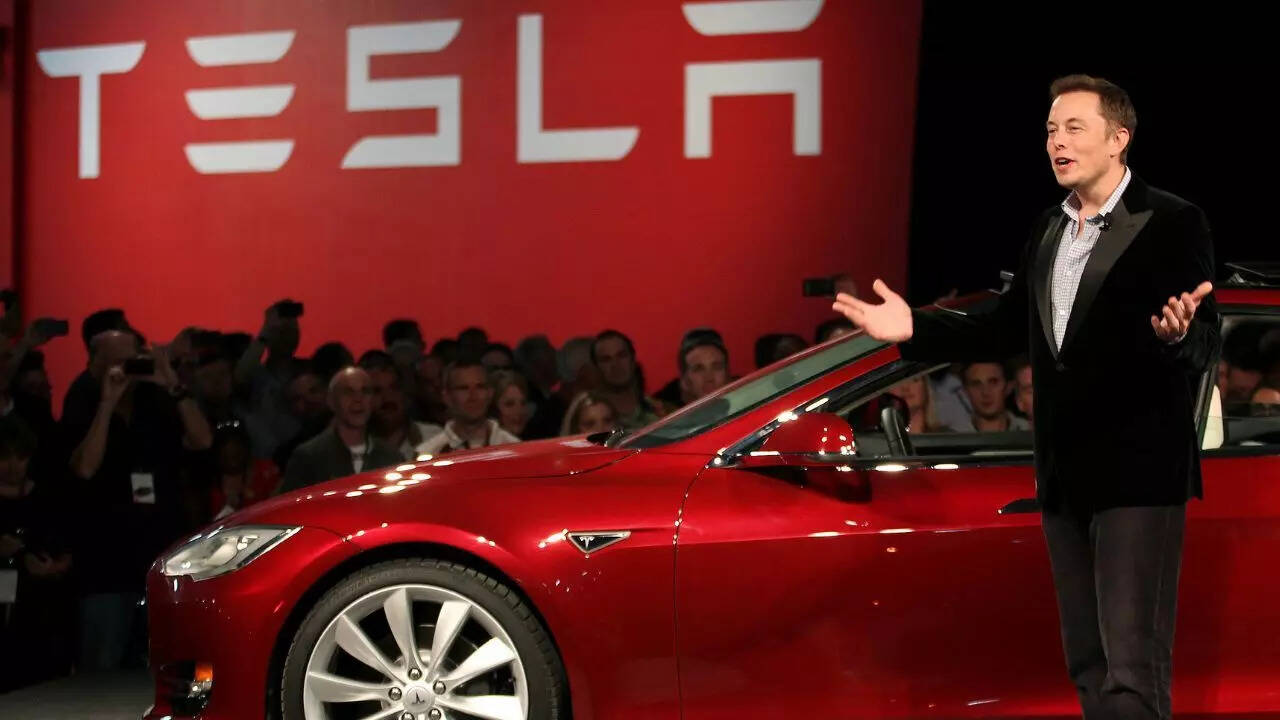
The evolution of the founder narrative is central to Tesla’s brand story. While not an original incorporator, Elon Musk was later retroactively granted co-founder status by agreement of the original founders and subsequent media recognition. This redefinition was critical for the brand’s storytelling, solidifying Musk’s role as the definitive visionary behind Tesla’s trajectory. His leadership style—characterized by audacious goals, relentless innovation, and a willingness to challenge established norms—became inextricably linked with Tesla’s corporate identity. The brand was no longer just about the car; it was about the spirit of innovation, the pursuit of the seemingly impossible, and a commitment to radical disruption. The launch of the original Tesla Roadster in 2008 was a monumental brand statement. It wasn’t merely an electric car; it was a supercar that accelerated faster than most gasoline equivalents, boasting a substantial range. The Roadster proved that EVs could be desirable, high-performance vehicles, directly countering decades of negative brand perceptions and firmly establishing Tesla’s image as a leader in automotive engineering and design.
Disrupting the Narrative: Marketing Through Innovation

Tesla’s approach to marketing is a case study in brand strategy itself. Unlike traditional automotive companies that spend billions on advertising, Tesla historically relied on minimal traditional advertising. Instead, its brand strategy hinged on product innovation, word-of-mouth enthusiasm, and, crucially, Elon Musk’s powerful public persona. Each new product launch – from the Model S, a luxury sedan that redefined EV expectations, to the Model X, an SUV with distinctive “falcon wing” doors, and the mass-market Model 3 – wasn’t just the introduction of a new vehicle; it was a new chapter in the brand’s unfolding story. Each model was designed to expand Tesla’s market penetration and appeal, reinforcing its image as a technology leader. The direct-to-consumer sales model, bypassing traditional dealerships, also became a core part of its brand identity. This approach fostered a unique customer experience, emphasizing transparency, direct engagement, and a seamless digital journey, further differentiating Tesla from its legacy competitors and reinforcing its modern, consumer-centric brand image.
Elon Musk’s Personal Brand: The Symbiotic Relationship with Tesla
Perhaps no other modern company has had its brand so deeply intertwined with the personal brand of its leader as Tesla has with Elon Musk. This symbiotic relationship has been both a powerful asset and a unique challenge.
The Founder’s Narrative: Authenticity and Aspiration
Elon Musk’s personal narrative—the ambitious entrepreneur, the visionary aiming to colonize Mars, the “real-life Iron Man” (a nickname he has embraced)—directly fuels Tesla’s brand. His persona brings a perceived authenticity and an unparalleled sense of aspiration to the company. Customers and investors alike often buy into the vision of Elon Musk as much as they do into Tesla’s products. His public statements, often delivered through his prolific Twitter presence, and his ambitious goals (such as achieving full self-driving capabilities and establishing multi-planetary life) reinforce Tesla’s image as a future-forward, boundary-pushing company that is not just selling cars, but selling a glimpse into a better tomorrow. This narrative creates a powerful emotional connection, transforming passive consumers into active evangelists for the brand and its underlying mission.
Shaping Public Perception and Brand Loyalty
Musk’s public persona, while generating immense global publicity and excitement, is also a dual-edged sword, occasionally attracting controversy and intense scrutiny. Yet, the brand, largely due to Musk’s unwavering commitment to his stated mission of accelerating sustainable energy, often manages to navigate these challenges. His conviction transcends mere profit motives, resonating deeply with a segment of the audience that seeks purpose and impact beyond commercial transactions. This alignment of values fosters an exceptional level of brand loyalty, often described as a “cult” following. Tesla owners and enthusiasts feel a strong connection to Musk’s vision and the company’s perceived role in shaping the future. This deep-seated loyalty translates into fierce advocacy, free marketing, and a resilient customer base that often overlooks minor product flaws or service hiccups in favor of the larger, aspirational brand narrative. Musk’s unique approach to communication, often unconventional and direct, has also cultivated an image of transparency and direct engagement, further cementing brand trust among his loyalists.
Tesla’s Evolving Brand Landscape: From Niche to Global Powerhouse
Tesla’s brand has successfully navigated significant growth, evolving from a niche luxury EV maker to a global technological and energy powerhouse. This expansion has solidified its identity beyond automotive manufacturing.
Expanding the Brand Portfolio: Energy and AI
Tesla’s brand has strategically expanded beyond solely electric vehicles to encompass a broader ecosystem of sustainable energy solutions. Products like the Powerwall for home energy storage, the Megapack for utility-scale energy storage, and its solar solutions (Solar Roof and solar panels) all reinforce its overarching mission. This diversification isn’t just about new product lines; it’s about consistently validating and broadening the brand’s foundational purpose of accelerating the world’s transition to sustainable energy. Similarly, the integration of advanced artificial intelligence (AI) through features like Autopilot and Full Self-Driving (FSD) is not merely a technological feature; it’s a core component of Tesla’s brand identity. It positions the company as a leading AI and software innovator, not just an automaker, firmly establishing it in the tech sector alongside giants like Google and Apple. These expansions broaden the brand’s appeal, demonstrate its long-term vision, and move it from being a car company to a comprehensive sustainable energy and technology ecosystem.

Challenges and Adaptations in Brand Strategy
As Tesla has grown, its brand strategy has had to adapt to an increasingly complex market. The brand now faces intensified competition from both traditional automakers, who are rapidly developing their own EV offerings, and a new wave of EV startups. Scrutiny over its autonomous driving capabilities, production ramp-ups, and service infrastructure also present ongoing challenges to its reputation. However, Tesla’s core brand identity, built on innovation, disruption, and a compelling future vision, remains resilient. The brand continues to differentiate itself through its integrated software-first approach, its supercharger network, and its relentless pursuit of technological advancement. The challenge for Tesla’s brand is to maintain its pioneering, underdog spirit while operating as a dominant global player. This requires a delicate balance of maintaining its visionary edge while maturing its operations and customer experience.
Ultimately, while Tesla Motors was incorporated in July 2003 by Martin Eberhard and Marc Tarpenning, it was Elon Musk’s entry in February 2004 as lead investor and Chairman that fundamentally ignited and shaped the Tesla brand as it is recognized today. His vision, leadership, and symbiotic personal brand were instrumental in defining its audacious mission, distinctive identity, and transformative impact on the automotive and energy industries. The “when” of Elon Musk’s start is not just a date; it’s the genesis of a brand that redefined an industry and captured the world’s imagination.
aViewFromTheCave is a participant in the Amazon Services LLC Associates Program, an affiliate advertising program designed to provide a means for sites to earn advertising fees by advertising and linking to Amazon.com. Amazon, the Amazon logo, AmazonSupply, and the AmazonSupply logo are trademarks of Amazon.com, Inc. or its affiliates. As an Amazon Associate we earn affiliate commissions from qualifying purchases.