
Elon Musk’s relationship with Tesla is unique, inextricably linking the visionary CEO with the pioneering electric vehicle and energy company he co-founded and built into a global powerhouse. His personal stake in Tesla is not merely a number; it’s a critical financial indicator that influences market perception, corporate governance, and Musk’s personal wealth trajectory. Understanding the percentage of Tesla stock Elon Musk owns, and the dynamics that cause this figure to fluctuate, offers profound insights into investment strategy, executive compensation, and the intricate dance between founder influence and shareholder value. This article delves into the financial intricacies of Musk’s ownership, exploring its evolution, implications, and the factors that shape one of the most significant individual stakes in modern corporate history.
The Evolving Landscape of Elon Musk’s Tesla Ownership
Elon Musk’s ownership in Tesla has been a dynamic figure, reflecting a journey from initial investor to major shareholder, and subsequently, a CEO whose compensation is heavily tied to the company’s performance and market capitalization. Unlike a static ownership figure, Musk’s stake is a constantly moving target, influenced by a multitude of financial and operational events.
Initial Stakes and Early Investment
Musk’s involvement with Tesla began in 2004 when he led the Series A funding round, investing a significant portion of his PayPal fortune into the nascent electric vehicle company. His initial investment and subsequent role in attracting further funding positioned him as the largest shareholder and chairman, before taking on the CEO role in 2008. In those early days, his ownership was substantial, reflecting the high-risk, high-reward nature of venture capital and early-stage investments. He was instrumental in shaping the company’s direction, and his equity stake was a direct reflection of his commitment and belief in Tesla’s long-term vision. This early concentration of ownership was crucial for giving the company a stable foundation and the strategic agility needed to navigate the treacherous waters of automotive manufacturing.
Dilution Through Capital Raises and Stock-Based Compensation
As Tesla grew, it required massive injections of capital to fund its ambitious manufacturing plans, global expansion, and technological development. These capital raises, often conducted through public stock offerings, naturally diluted existing shareholders’ stakes, including Musk’s. Each time Tesla issued new shares to raise funds from the market, the pie was effectively cut into more slices, meaning a smaller percentage of the total company for existing owners, even if the absolute value of their holdings increased with the company’s growth.
Conversely, a significant portion of Musk’s compensation has been tied to performance-based stock options. Rather than receiving a traditional salary, Musk has famously opted for compensation packages that grant him vast tranches of stock options, contingent upon Tesla achieving aggressive operational and market capitalization milestones. While exercising these options increases his absolute share count, they are typically issued as part of a larger pool of shares, which can also contribute to overall share count inflation, albeit with a direct benefit to Musk. For example, his landmark 2018 compensation package allowed him to acquire tens of millions of shares at a fixed, low price, provided Tesla hit increasingly difficult targets. This structure aligns his personal financial incentives directly with shareholder returns, creating a powerful motivation for growth and profitability.
The Dynamic Nature of Executive Ownership
The actual percentage of Tesla stock owned by Elon Musk is not a fixed number. It fluctuates based on several factors:
- Exercise of Stock Options: As performance milestones are met, Musk exercises options, increasing his direct share count.
- Sale of Shares: Musk periodically sells shares, often to cover tax liabilities associated with exercising stock options or for personal liquidity, and sometimes to fund other ventures, such as his acquisition of Twitter (now X). These sales reduce his percentage ownership.
- New Share Issuances: Tesla occasionally issues new shares to raise capital or for employee compensation plans, which dilutes all existing shareholders proportionally.
- Share Buybacks: While less common for growth companies like Tesla, share buybacks would increase the percentage ownership of remaining shareholders if executed.
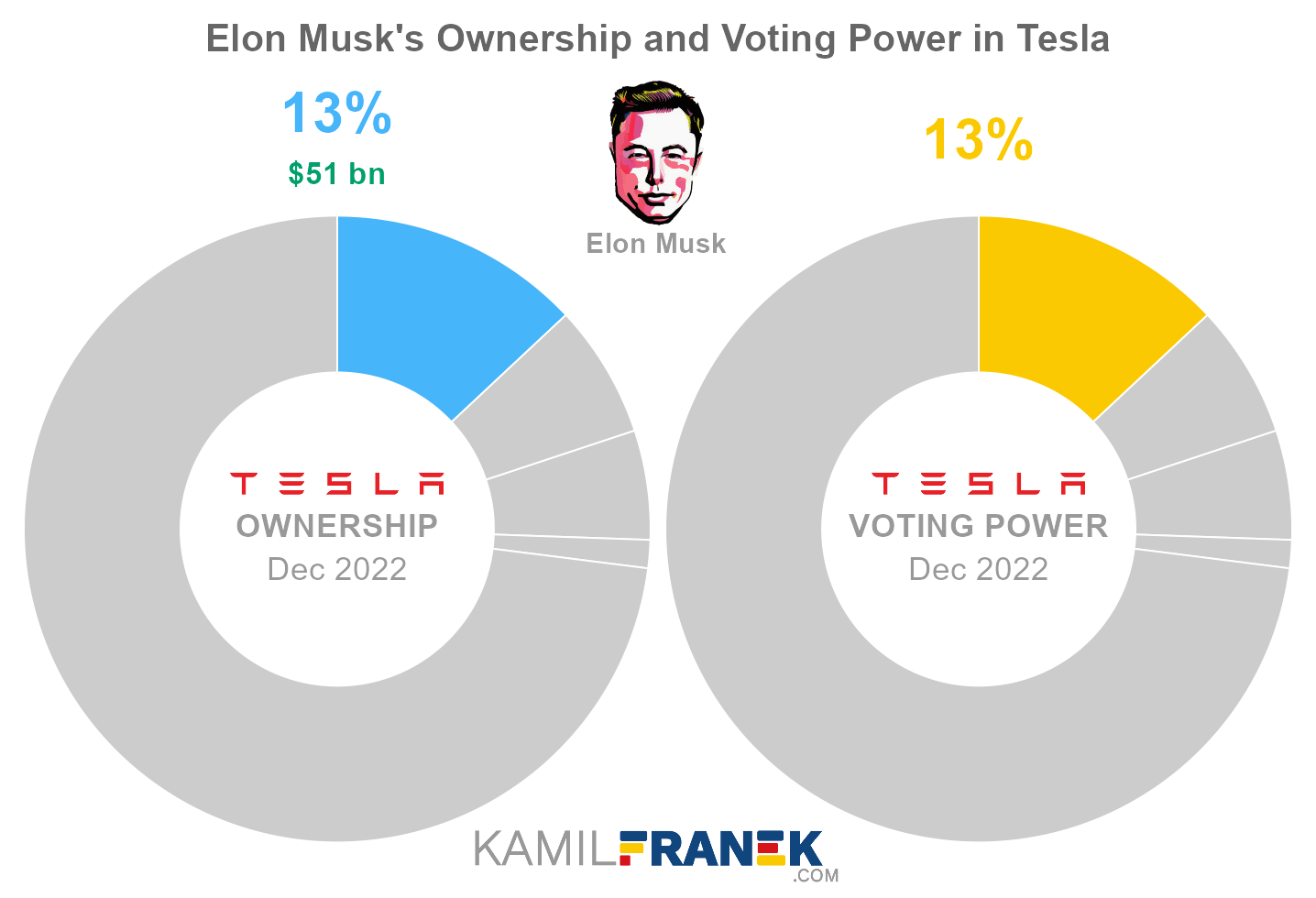
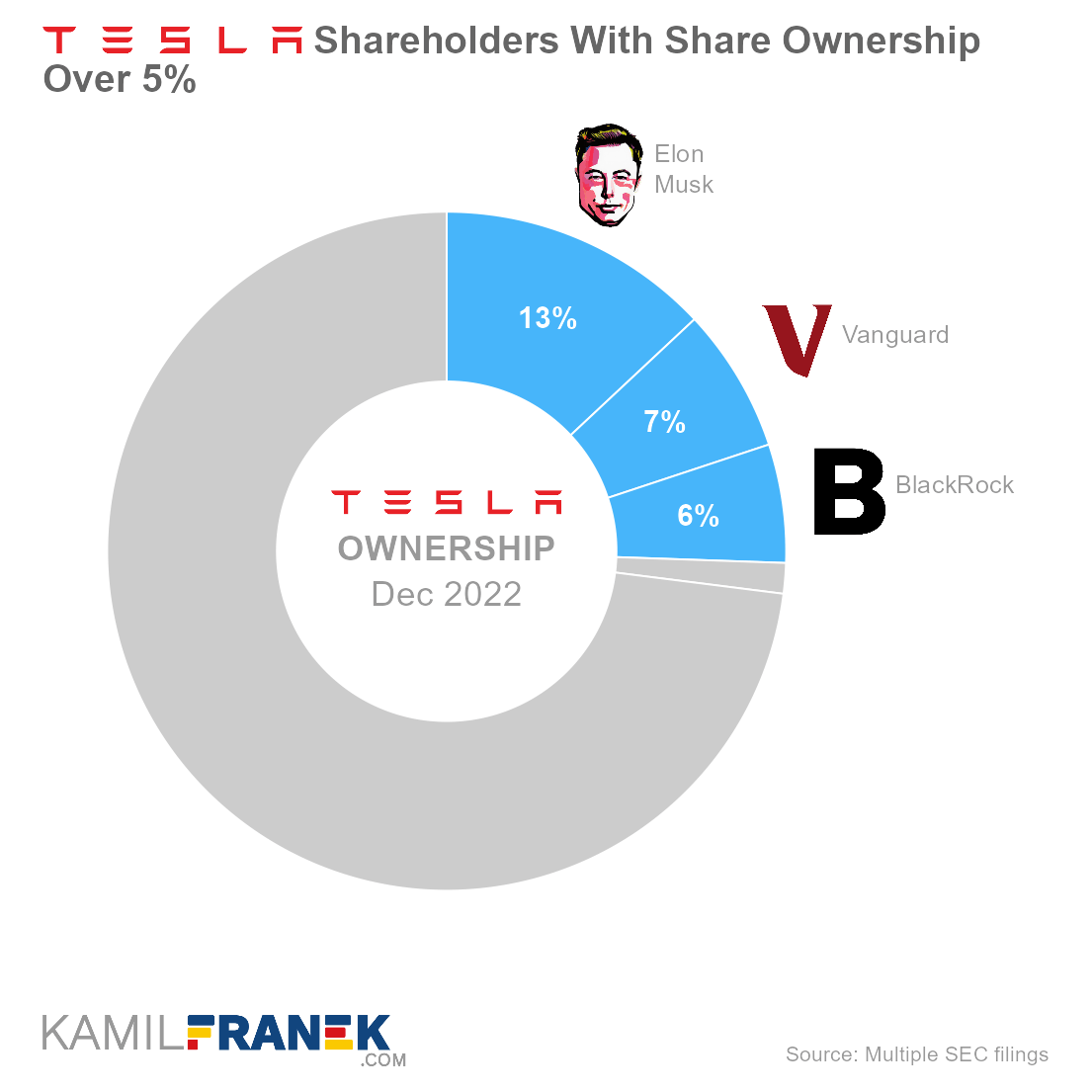
These factors ensure that Musk’s ownership is a constantly monitored figure by investors, analysts, and the media, reflecting his ongoing engagement with and financial stake in the company’s destiny. At various points, his ownership has hovered between 13% and 22%, depending on the timing of option exercises and sales. As of early 2024, his ownership typically hovers in the low to mid-teens percentage range, often cited around 13-15% of the total outstanding shares.
Unpacking the Financial Implications of Musk’s Stake
Elon Musk’s substantial, albeit fluctuating, ownership percentage in Tesla carries profound financial implications that ripple through market valuation, corporate governance, and his personal wealth. His position as a significant owner, coupled with his role as CEO, creates a unique dynamic that is closely watched by the investment community.
Influence on Shareholder Value and Market Perception
Musk’s ownership percentage is more than just a numerical value; it’s a powerful signal to the market. A high stake indicates a strong alignment of interests between the CEO and the shareholders. Investors often interpret significant insider ownership as a sign of confidence from the person steering the ship, suggesting that the leader’s financial well-being is directly tied to the company’s success. This can bolster investor confidence, reduce perceived risk, and positively influence the stock price. Conversely, any significant reduction in his stake, especially if not accompanied by a clear rationale (like tax obligations), can trigger concerns about his long-term commitment or personal liquidity, potentially impacting shareholder value negatively. His pronouncements, tweets, and even lifestyle choices are often viewed through the lens of his Tesla ownership, influencing market sentiment and valuation. Tesla’s valuation, often seen as a premium compared to traditional automakers, is partly attributable to the market’s belief in Musk’s vision and his unwavering commitment, underscored by his substantial personal investment.
Voting Power and Strategic Control
While Musk’s ownership percentage might not grant him a simple majority, it provides him with significant voting power and, consequently, strategic control over Tesla’s direction. Even with a stake in the mid-teens, he remains the largest individual shareholder. This allows him to exert considerable influence over board appointments, major corporate decisions, and long-term strategy. His ability to rally other shareholders, particularly smaller retail investors who often follow his lead, further amplifies his sway. This level of control means that Musk can push through bold, long-term initiatives that might face resistance from more risk-averse institutional investors if he held a smaller stake. It also means that his vision for Tesla, whether it’s expanding into new energy sectors, pushing for full self-driving, or even controversial decisions like accepting Dogecoin for merchandise, carries immense weight due to his significant financial backing in the company.
Personal Wealth and Liquidity Considerations
Elon Musk’s Tesla shares constitute the vast majority of his immense personal wealth. The staggering increase in Tesla’s market capitalization over the past decade has propelled him to the status of one of the world’s richest individuals. However, this wealth is largely “paper wealth” as long as it remains invested in Tesla stock. Converting this wealth into liquid assets requires selling shares, which can have market implications and tax consequences.
The financial management of such a vast holding involves complex considerations:
- Tax Liabilities: Exercising stock options is a taxable event, often requiring the sale of a portion of the shares to cover the significant income tax bill.
- Diversification: While highly concentrated in Tesla, some sales might also be for personal diversification purposes, though this is less frequently cited for Musk.
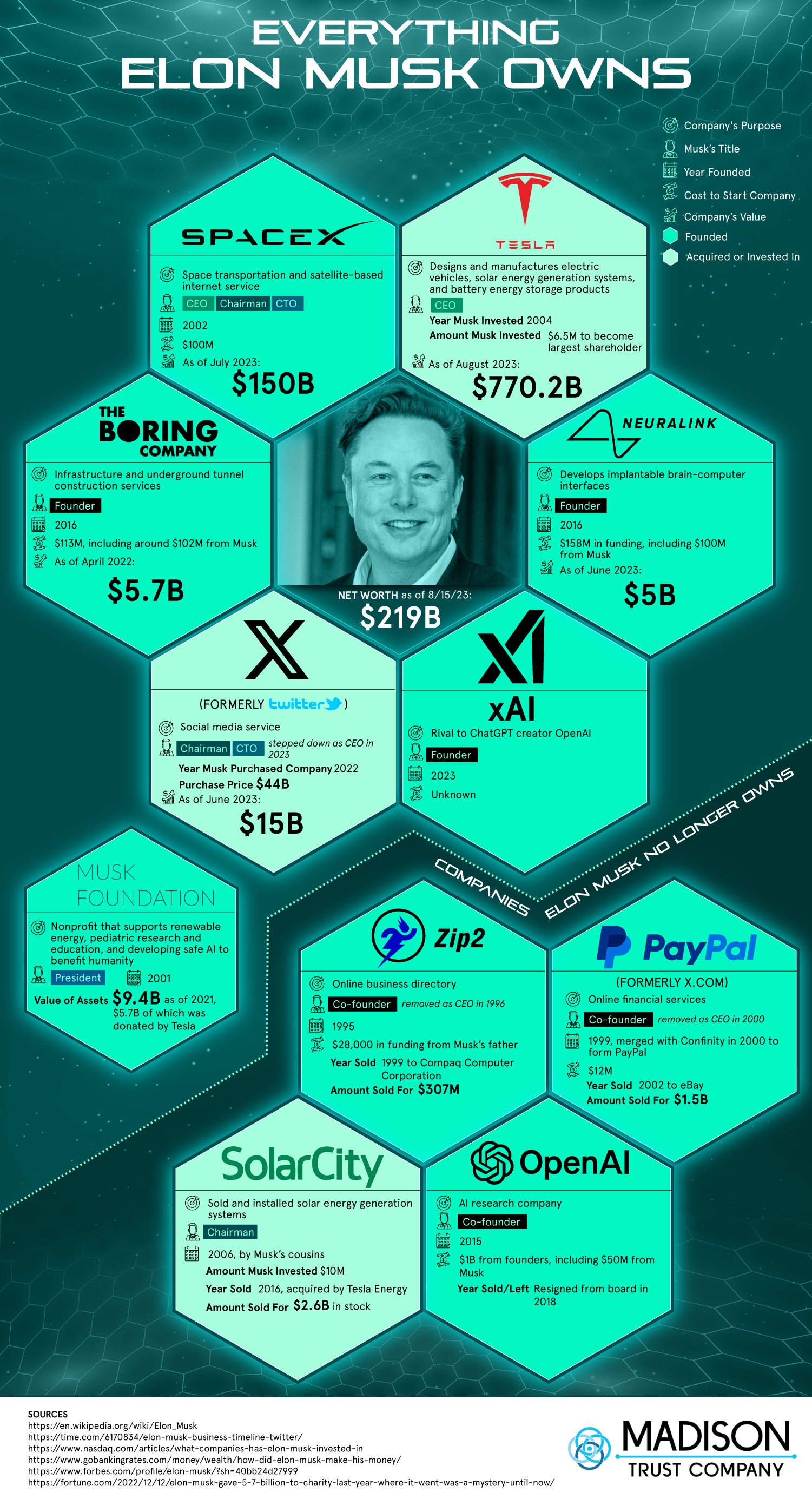
- Funding Other Ventures: His acquisition of Twitter (now X) was famously financed, in part, by selling billions of dollars worth of Tesla stock. This highlighted how his personal ownership in one company could be leveraged to fund other, unrelated entrepreneurial ambitions, creating ripple effects across different markets.
- Pledging Shares: Musk has also reportedly pledged a significant portion of his Tesla stock as collateral for personal loans, a common practice among ultra-high-net-worth individuals to access liquidity without selling shares and incurring immediate tax events.
The delicate balance between maintaining significant ownership for influence and liquidity needs for taxes or other ventures is a constant financial tightrope walk for Musk.
Factors Affecting Musk’s Current and Future Ownership
The percentage of Tesla stock Elon Musk owns is not static; it’s a dynamic figure influenced by pre-determined compensation structures, personal financial decisions, and broader corporate finance strategies. Understanding these factors is key to appreciating the trajectory of his stake.
Stock Option Grants and Vesting Schedules
A primary driver of changes in Musk’s ownership percentage comes from his unique, performance-based compensation packages. These packages typically grant him a massive number of stock options that vest (become exercisable) only if Tesla achieves highly ambitious operational and market capitalization milestones. For example, his 2018 compensation plan, which was structured over several tranches, incentivized him to grow Tesla’s market cap to unprecedented levels, reaching over $650 billion. As these milestones are met, Musk gains the right to purchase shares at a predetermined, often very low, strike price. When he exercises these options, his total share count increases, and if no new shares are issued by the company concurrently, his percentage ownership could rise. However, these options are typically part of a larger, long-term incentive pool, and the company’s overall share count can also increase over time, impacting his proportional ownership. These grants represent a forward-looking incentive, tying his future wealth directly to Tesla’s success.
Share Sales for Tax Obligations and Other Ventures
While exercising options increases his share count, a significant portion of these gains often has to be liquidated almost immediately to cover the substantial tax liabilities associated with them. The profits from exercising stock options are typically treated as ordinary income and are subject to high tax rates. To avoid a significant personal cash outlay, Musk often sells a portion of the newly acquired shares to “cover” these taxes. These sales, while necessary, reduce his overall percentage ownership.
Beyond taxes, Musk has also sold Tesla shares to fund other major personal and business endeavors. The most prominent example was the multi-billion-dollar sale of Tesla stock in 2022 to help finance his acquisition of Twitter (now X). Such large-scale sales demonstrably decrease his ownership percentage and can, depending on market conditions and investor sentiment, put temporary downward pressure on Tesla’s stock price due to the sheer volume. These sales highlight the reality that even the wealthiest individuals need to manage liquidity and capital for their various ventures, and their primary holdings can serve as a vast, albeit volatile, ATM.
Potential for Future Acquisitions or Dilutions
Tesla, like any large, publicly traded company, might engage in future corporate actions that could impact Musk’s ownership. While less frequent now that Tesla is well-established, future equity offerings (issuing new shares to raise capital) could dilute all existing shareholders, including Musk. Conversely, if Tesla were to undertake significant share buybacks – repurchasing its own stock from the open market – it would reduce the total number of outstanding shares, thereby increasing the percentage ownership of remaining shareholders, including Musk, without him having to buy more shares himself. Furthermore, any significant mergers, acquisitions, or spin-offs involving Tesla could also have complex implications for ownership structures and percentages, though these are more speculative long-term possibilities.
Why Musk’s Ownership Percentage Matters to Investors
For investors, Elon Musk’s ownership percentage in Tesla is far more than a simple metric; it’s a key factor influencing their investment thesis, risk assessment, and expectations for future returns. It touches upon issues of corporate governance, strategic direction, and the very alignment of interests between management and shareholders.
Alignment of Interests and Long-Term Vision
A substantial ownership stake, such as Musk’s, is often viewed by investors as a strong signal of alignment. When the CEO’s personal wealth is intrinsically tied to the company’s stock performance, it suggests that their decisions are likely to be made with the long-term success and shareholder value in mind. Investors believe that Musk, given his massive personal investment, is highly motivated to ensure Tesla’s continued growth and profitability. This alignment provides a certain level of comfort, as it implies that the leader is truly “in it with them,” sharing in both the triumphs and the challenges. His willingness to tie his compensation almost entirely to stock performance, rather than salary, further reinforces this perception of long-term commitment and confidence in Tesla’s future.
Impact on Corporate Governance and Decision-Making
Musk’s significant voting power, derived from his ownership, profoundly impacts corporate governance and decision-making at Tesla. Investors understand that his influence extends beyond just his role as CEO; he effectively controls a substantial portion of the vote on critical issues. This can be a double-edged sword. On one hand, it allows for swift, decisive action and the pursuit of ambitious, long-term strategies that might otherwise be hampered by short-term pressures from institutional investors. It enables a founder-led vision to be executed with fewer internal obstacles. On the other hand, it concentrates power, meaning that if investors disagree with Musk’s decisions or his extracurricular activities (like managing other companies or his social media presence), their ability to effect change through traditional shareholder democracy might be limited. The unique governance structure, heavily influenced by Musk’s stake, means investors buy into not just Tesla’s products, but also into Elon Musk’s leadership style and vision.
A Bellwether for Investor Confidence
Ultimately, Musk’s ownership percentage acts as a bellwether for investor confidence in Tesla. Any significant change – a major sale, a new large option grant, or even public discussion of his stake – is scrutinized. When Musk sells shares, the market often tries to decipher the reason: is it for taxes, for a new venture, or a signal of waning confidence? Similarly, a move to further increase his stake or a compensation package that significantly ties his future wealth to new milestones is generally perceived positively, signaling renewed commitment. For many retail investors, in particular, Musk is Tesla, and his personal financial commitment to the company is a direct reflection of his belief in its future. His ownership percentage isn’t just a number; it’s a narrative, a constant reaffirmation of his financial and emotional ties to the company that has redefined the automotive and energy industries.
In conclusion, Elon Musk’s ownership percentage in Tesla is a complex, fluctuating financial metric that underpins his influence, his wealth, and Tesla’s market perception. It’s a critical element for investors to monitor, providing insights into the company’s governance, strategic direction, and the potent alignment of interests between one of the world’s most influential entrepreneurs and the pioneering company he continues to lead. As Tesla evolves, so too will the dynamics of Musk’s stake, remaining a pivotal factor in the ongoing financial narrative of one of the 21st century’s most impactful companies.
aViewFromTheCave is a participant in the Amazon Services LLC Associates Program, an affiliate advertising program designed to provide a means for sites to earn advertising fees by advertising and linking to Amazon.com. Amazon, the Amazon logo, AmazonSupply, and the AmazonSupply logo are trademarks of Amazon.com, Inc. or its affiliates. As an Amazon Associate we earn affiliate commissions from qualifying purchases.