
In the dynamic world of travel, the quest for the “best” air ticket booking site is a common pilgrimage for travelers. However, defining “best” is less about a single definitive answer and more about the convergence of sophisticated technology, intuitive design, and robust backend systems that cater to diverse user needs. This article delves into the technological underpinnings that differentiate leading air ticket booking platforms, examining their engineering prowess, user experience design, and innovative features that collectively shape a superior travel planning experience. We will explore the core technical capabilities, advanced digital innovations, and critical security measures that define excellence in this competitive digital landscape.

The Foundational Technology: Speed, Accuracy, and Data Management
At the heart of any effective air ticket booking site lies a complex web of technology designed to deliver real-time information with unparalleled speed and accuracy. These platforms are not merely search engines; they are sophisticated data processing hubs that orchestrate billions of data points to present travelers with optimal flight options.
Real-time Data Aggregation and Pricing Algorithms
The journey of finding a flight begins with massive data aggregation. Air ticket booking sites connect to a multitude of sources, primarily Global Distribution Systems (GDS) like Amadeus, Sabre, and Travelport, as well as direct Application Programming Interfaces (APIs) from individual airlines. This intricate network allows them to pull live data on flight availability, schedules, and crucially, dynamic pricing.
The real magic, however, lies in their proprietary pricing algorithms. These algorithms don’t just display prices; they constantly analyze supply and demand, competitor pricing, historical data, and even user behavior to present the most current fare. The challenge is immense: processing petabytes of data from thousands of routes, dozens of airlines, and various fare classes, all while ensuring that the price displayed is instantly bookable. A truly “best” site excels here by minimizing latency and ensuring that the prices shown are genuinely what you can book, reducing the frustration of “ghost fares” that disappear upon selection.
Robust Search Engine Architecture
Beyond data aggregation, the efficiency of a booking site hinges on its search engine architecture. When a user inputs their desired origin, destination, and dates, a powerful backend system kicks into action. This system must be capable of:
- Multi-parameter querying: Simultaneously filtering by airlines, layovers, departure/arrival times, fare types, and more.
- Complex routing optimization: For multi-city or open-jaw itineraries, the engine must quickly identify viable and cost-effective combinations across different carriers.
- Flexible date searches: The ability to scan “date ranges” (e.g., +/- 3 days) requires advanced indexing and processing power to compare millions of potential date combinations efficiently.
A well-engineered search architecture translates directly into a faster, more comprehensive search experience, presenting relevant results almost instantaneously. The underlying infrastructure often employs distributed computing and highly optimized databases to handle the immense load and deliver sub-second response times, which are critical for user satisfaction.
User Interface (UI) & User Experience (UX) Engineering
While the backend drives performance, the frontend is where users interact. Exceptional UI/UX engineering is paramount for a booking site to be considered “best.” This involves designing a platform that is not only aesthetically pleasing but also intuitively navigable and highly functional across various devices.
Key aspects of superior UI/UX include:
- Clean and uncluttered layout: Presenting complex flight data in an easy-to-understand format.
- Responsive design: Ensuring a seamless and optimized experience whether accessed from a desktop, tablet, or smartphone.
- Interactive elements: Features like calendar views for price comparison over different dates, filter sliders, and interactive maps for exploring destinations or layover options.
- Clear calls to action: Guiding users effortlessly from search to booking confirmation.
A focus on human-computer interaction ensures that travelers can quickly grasp information, compare options, and make informed decisions without encountering unnecessary friction or confusion. The “best” sites invest heavily in user research and A/B testing to continually refine their interfaces.
Advanced Digital Features and Intelligent Tools
Modern air ticket booking sites go beyond basic search functionality, integrating intelligent tools and advanced digital features that leverage cutting-edge technology to empower travelers.
AI-Powered Price Prediction and Alerts
One of the most valuable innovations in online travel is the application of Artificial Intelligence (AI) and Machine Learning (ML) for price prediction. Platforms like Google Flights and Hopper utilize sophisticated algorithms to analyze vast datasets of historical flight prices, seasonality, events, and market trends. This enables them to forecast whether a specific flight’s price is likely to rise, drop, or remain stable.
Users benefit from:
- “Buy now or wait” recommendations: AI provides data-driven advice on the optimal time to book.
- Price drop alerts: Travelers can set up alerts to receive notifications via email or push notifications when fares for their desired route drop to a more favorable price point.
This predictive analytics capability transforms travel planning from a guesswork endeavor into a more strategic process, potentially saving travelers significant amounts of money.
Smart Filtering and Customization Engines
The ability to finely tune search results is a hallmark of an advanced booking site. Smart filtering engines allow users to go beyond basic criteria, offering granular control over their flight selection. This includes:
- Airline alliances: Filtering for flights operated by Star Alliance, Oneworld, or SkyTeam members.
- Specific aircraft types: For enthusiasts or those preferring certain cabin configurations.
- Layover preferences: Not just maximum duration, but also preferred airports for connections.
- Baggage policies: Clearly displaying included baggage or estimated costs for checked luggage.
- “Virtual Interlining” or “Hacker Fares”: Some sites’ engines are engineered to combine flights from different airlines that typically don’t codeshare, often resulting in significantly cheaper itineraries. While these require separate tickets and carry different risks (e.g., missed connections), the underlying technology to identify and present these complex combinations is highly advanced.
These customization engines are built upon intricate logic and extensive databases, ensuring that every user can tailor their search to their exact preferences, no matter how niche.
Mobile-First Experience and App Integration
In an increasingly mobile-centric world, the “best” air ticket booking sites offer a robust mobile-first experience, often through dedicated, feature-rich applications. These apps are engineered not just as miniature versions of their websites but as standalone platforms optimized for on-the-go travel planning and management.

Key features include:
- Push notifications: Real-time alerts for price changes, flight status updates (delays, gate changes), and boarding reminders.
- In-app check-in and boarding passes: Streamlining the airport experience by allowing travelers to manage their journey from their device.
- Offline access: Storing itineraries and important travel documents for access without an internet connection.
- Location-based services: Providing relevant information based on the user’s current location, such as nearby airports or local offers.
The seamless integration between web and mobile platforms ensures continuity in the user’s travel planning journey, making it convenient to search, book, and manage flights from anywhere at any time.
Security, Reliability, and Post-Booking Technological Support
Booking air tickets involves sensitive personal and financial information, making security and reliability paramount. Furthermore, the journey doesn’t end at booking; effective post-booking technological support is crucial for a complete and stress-free experience.
Cybersecurity Protocols and Data Privacy
A truly “best” booking site prioritizes robust cybersecurity measures to protect its users. This includes:
- SSL/TLS Encryption: Ensuring all data transmitted between the user’s browser and the site’s servers is encrypted, preventing eavesdropping and tampering.
- PCI DSS Compliance: Adhering to the Payment Card Industry Data Security Standard to securely handle credit card information.
- Secure account management: Implementing multi-factor authentication and strong password policies to protect user accounts.
- Data privacy regulations: Compliance with global regulations like GDPR and CCPA, guaranteeing transparency in data collection, usage, and storage.
The integrity of these systems is non-negotiable, and platforms that invest heavily in threat detection, vulnerability assessments, and regular security audits instill confidence in their users.
Automated Customer Service and Self-Service Portals
While human support remains vital, the “best” booking sites leverage technology to provide efficient and accessible customer service, particularly for routine queries and minor modifications.
- AI-powered chatbots: Available 24/7 to answer common questions, guide users through processes, or escalate complex issues to human agents.
- Comprehensive knowledge bases: Online repositories of FAQs, guides, and tutorials that empower users to find solutions independently.
- Self-service portals/dashboards: Personalized online accounts where users can view their itineraries, make minor changes (if permitted by the airline/fare rules), print e-tickets, or initiate cancellation requests without direct human interaction.
These automated systems reduce wait times, provide instant assistance, and free up human agents to handle more complex or sensitive issues, improving overall service quality.
Real-time Flight Status Tracking and Proactive Alerts
For travelers, knowing the real-time status of their flight is invaluable. Leading booking sites integrate with air traffic control data, airline operational systems, and other third-party services to provide accurate and timely updates.
This includes:
- Live flight tracking: Visualizing the aircraft’s position on a map.
- Proactive notifications: Automatically sending alerts for delays, gate changes, terminal changes, or cancellations.
- Rebooking assistance: In case of significant disruptions, some platforms offer automated tools or guided processes to help users explore rebooking options.
This technological foresight enhances traveler preparedness and reduces anxiety, particularly during travel disruptions.
Leading Platforms Through a Tech Lens
While personal preference always plays a role, several platforms consistently stand out for their technological prowess and user-centric innovation.
Google Flights: Algorithmic Superiority and Data Visualization
Google Flights is often cited for its unrivaled search speed and algorithmic efficiency. Its direct integration with Google’s vast data processing capabilities allows for near-instantaneous results, even for complex queries. The interactive calendar view showcasing price trends and the “Explore” map feature (which allows users to discover destinations within a budget) are prime examples of superior data visualization and user experience engineering. Its AI-powered price predictions are among the most accurate, making it a go-to for strategic booking.
Skyscanner & Kayak: Meta-Search Mastery and “Hacker Fares”
Skyscanner and Kayak excel as meta-search engines, aggregating results from hundreds of airlines and Online Travel Agencies (OTAs). This comprehensive aggregation is a significant technical achievement, requiring robust integration and sophisticated deduplication algorithms. Skyscanner is particularly noted for its “Everywhere” search and its pioneering of “Virtual Interlining”, which intelligently combines separate tickets from different airlines to create cheaper itineraries. Kayak’s strength lies in its extensive filtering options and price alert system, offering granular control and proactive notifications.
Online Travel Agencies (OTAs – e.g., Expedia, Priceline): Comprehensive Booking Ecosystems
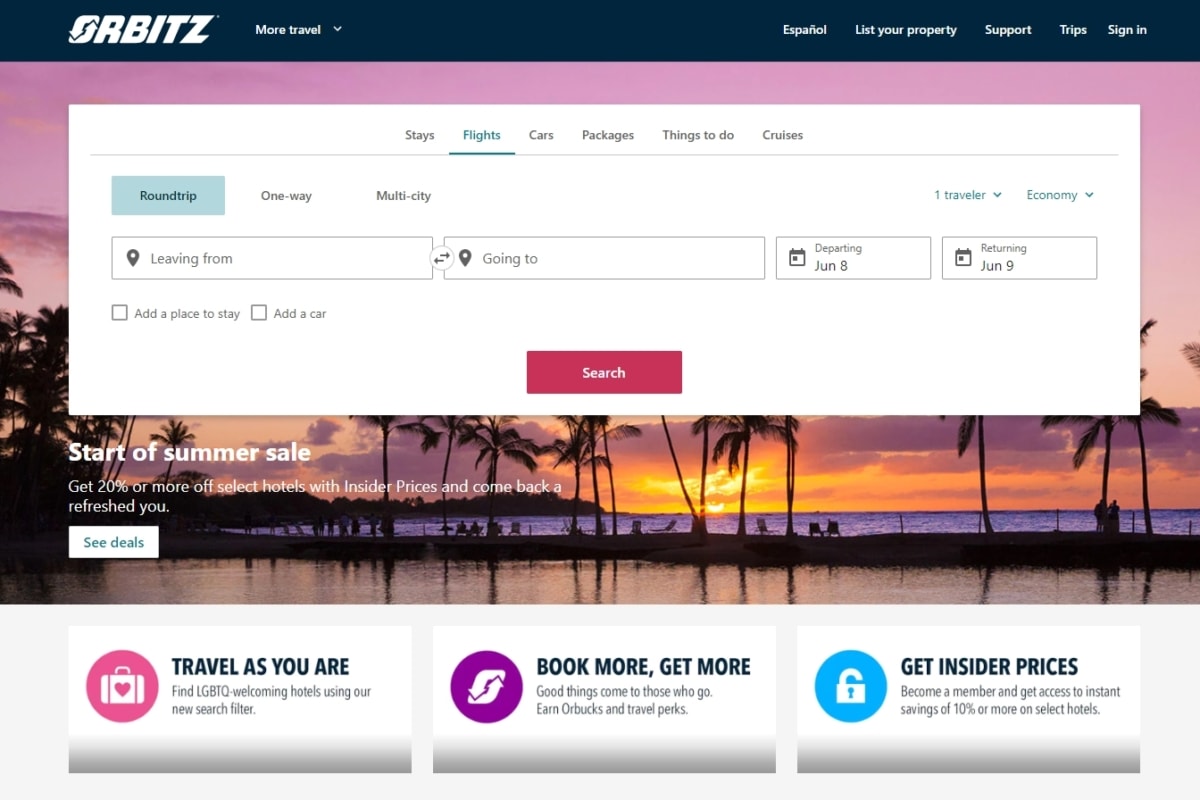
OTAs like Expedia, Priceline, and Booking.com offer a more integrated booking experience, often bundling flights with hotels, car rentals, and activities. Their technological strength lies in their backend integration capabilities, managing complex package bookings across multiple service providers. They often boast robust loyalty programs and proprietary booking engines that offer exclusive deals. Their large-scale customer relationship management (CRM) systems and dedicated support infrastructure are also key technological assets for managing millions of bookings and customer interactions.
Conclusion
The pursuit of the “best” air ticket booking site ultimately leads to an appreciation of the sophisticated technology underpinning these platforms. From lightning-fast data aggregation and intelligent pricing algorithms to intuitive UI/UX design, AI-powered predictions, and stringent cybersecurity, the leaders in this space are defined by their engineering excellence and commitment to innovation.
When evaluating a booking site, consider its speed and accuracy, the intuitiveness of its user interface, the breadth of its advanced features (like price predictions and smart filters), the seamlessness of its mobile experience, and the robustness of its security and post-booking support systems. Each traveler’s definition of “best” will align with the platform whose technological offerings best suit their specific needs and travel planning style. By understanding the technological prowess behind these digital travel companions, you can make a more informed choice and unlock a smoother, more efficient path to your next destination.
aViewFromTheCave is a participant in the Amazon Services LLC Associates Program, an affiliate advertising program designed to provide a means for sites to earn advertising fees by advertising and linking to Amazon.com. Amazon, the Amazon logo, AmazonSupply, and the AmazonSupply logo are trademarks of Amazon.com, Inc. or its affiliates. As an Amazon Associate we earn affiliate commissions from qualifying purchases.