
For any business with employees, navigating federal payroll taxes is a critical and often complex responsibility. Among the most vital forms is Form 941, the Employer’s Quarterly Federal Tax Return. This document reports the income taxes, social security tax, and Medicare tax that employers withhold from their employees’ paychecks, as well as the employer’s own share of social security and Medicare tax. Missing deadlines or misfiling can lead to significant penalties, making it essential to understand not just what to file, but also where to send it – especially when including a payment. While electronic methods are increasingly mandated and preferred, some scenarios still permit or even require mailing. This guide delves into the specifics, helping employers ensure compliance and financial peace of mind.
Deciphering Form 941: Your Quarterly Employer Tax Responsibility
Understanding the foundational aspects of Form 941 is the first step toward accurate and timely compliance. This form is the cornerstone of federal payroll tax reporting for most U.S. businesses.
What is Form 941 and Who Must File?
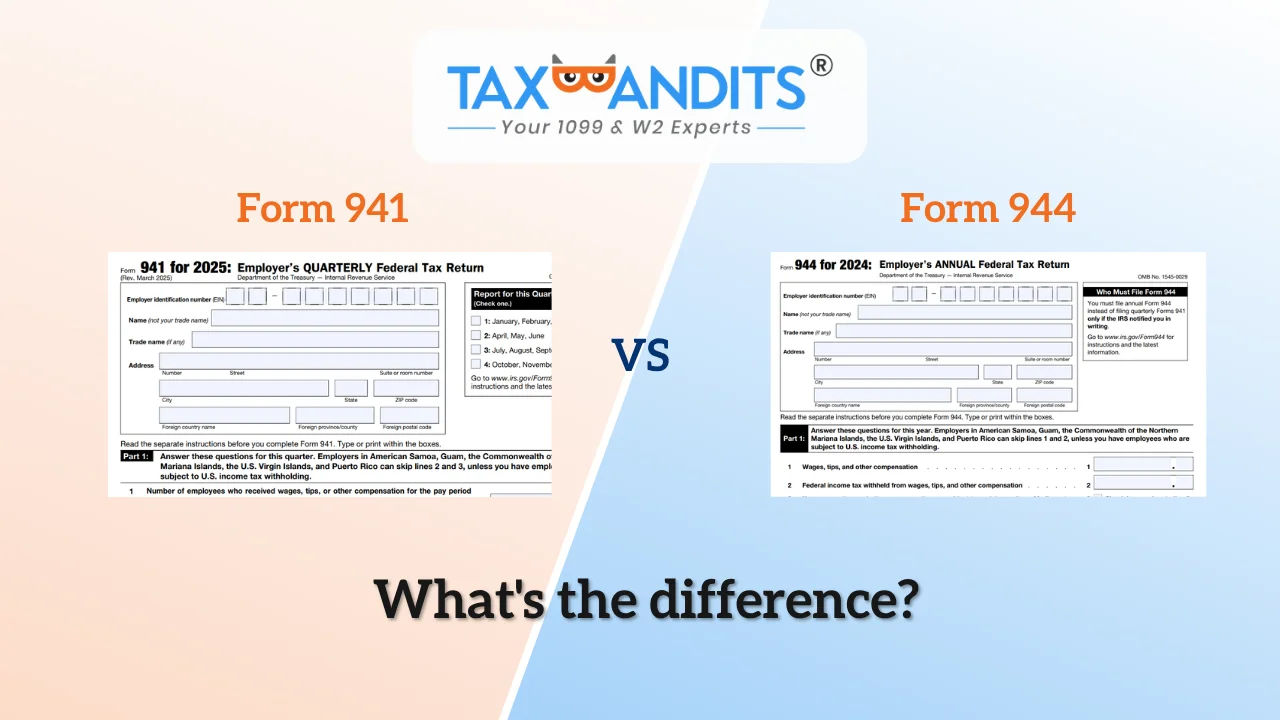
Form 941, officially known as the “Employer’s Quarterly Federal Tax Return,” serves a singular, crucial purpose: to report the federal income tax, Social Security tax, and Medicare tax that employers withhold from their employees’ wages. It also accounts for the employer’s portion of Social Security and Medicare taxes. This aggregate amount constitutes the federal payroll tax liability for a given quarter.
Most employers who pay wages subject to income tax withholding, Social Security, and Medicare taxes must file Form 941 quarterly. This applies whether your business is a sole proprietorship, partnership, corporation, or LLC. There are a few exceptions: employers of household employees, employers of agricultural employees (who typically file Form 943 annually), and some seasonal employers who don’t pay wages during specific quarters. For the vast majority of businesses, however, Form 941 is a non-negotiable quarterly obligation, due by the last day of the month following the end of the quarter (April 30, July 31, October 31, and January 31).
Understanding Your Tax Deposit Obligations
It’s crucial to distinguish between filing Form 941 and actually depositing the payroll taxes you owe. While Form 941 reports your total tax liability for the quarter, the actual tax payments are generally required to be made throughout the quarter, not just when Form 941 is filed. The IRS dictates specific deposit schedules—either monthly or semi-weekly—based on an employer’s total tax liability during a “lookback period.”
- Monthly Depositor: If your total tax liability for the four quarters in the lookback period was $50,000 or less, you’re generally a monthly depositor. You must deposit your payroll taxes by the 15th day of the next month.
- Semi-weekly Depositor: If your total tax liability during the lookback period was more than $50,000, you are a semi-weekly depositor. Payments for wages paid on Wednesday, Thursday, or Friday are due by the following Wednesday. Payments for wages paid on Saturday, Sunday, Monday, or Tuesday are due by the following Friday.
The critical point here is that for most employers, these tax deposits must be made using the Electronic Federal Tax Payment System (EFTPS). The allowance to mail Form 941 with a payment is a specific exception, reserved for very small tax liabilities, and it’s vital not to confuse the two methods of payment. Failing to adhere to the correct deposit schedule or payment method can trigger significant penalties.
The Specifics of Mailing Form 941 with Payment
While electronic payment via EFTPS is the standard and often legally mandated method for most employers, there are specific, limited circumstances where mailing Form 941 along with a paper check is permissible. Understanding these conditions is key to avoiding penalties.
When Mailing is Permitted (and Advised)
Mailing Form 941 with a payment is an exception, not the rule. This option is primarily available for very small employers who meet strict criteria. You can typically mail Form 941 with a payment only if:
- Your total tax liability for the current quarter (Line 12 on Form 941) is less than $2,500.
- You did not incur a $100,000 next-day deposit obligation during the current or prior calendar year.
- You expect your tax liability for the current quarter and the previous quarter to be less than $2,500.
Essentially, if your payroll tax obligations are consistently minimal, the IRS may allow you to make a single payment with your quarterly Form 941. If you usually deposit your taxes monthly or semi-weekly, you must continue to do so via EFTPS, even if your total quarterly liability for a specific quarter dips below $2,500. Attempting to mail a payment when you are required to use EFTPS can result in substantial penalties for failure to deposit electronically. Always verify your deposit schedule and requirements.
Finding the Correct IRS Mailing Address
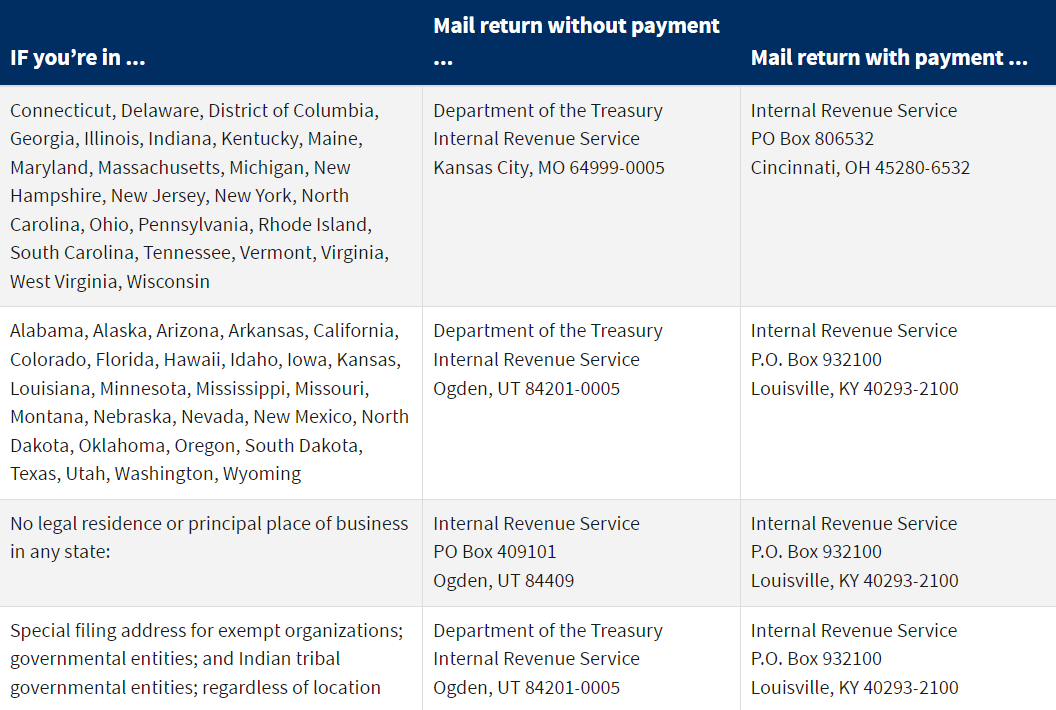
Perhaps the most critical piece of information for employers who do qualify to mail their Form 941 with payment is the correct mailing address. The IRS uses different addresses based on several factors: the state where your business is located, whether you are making a payment, and sometimes even the type of form being filed. A common mistake is using an outdated address or an address intended for forms without payments.
The absolute authoritative source for the correct mailing address is the IRS website (IRS.gov). You should specifically search for “Where to File Your Taxes (for Form 941)” or consult the instructions booklet for the current tax year’s Form 941. These resources provide a table of addresses organized by state. For example, a business located in California would mail to a different IRS service center than one located in New York or Florida. These addresses can change, so relying on old forms or third-party information without verification is risky. Ensure you are looking at the specific address for Form 941 with payment. The address for Form 941 without payment is typically different. Double-checking this annually is a fundamental step in your compliance strategy.
Preparing Your Mailed Payment Package
Once you’ve confirmed that mailing is appropriate for your business and you’ve identified the precise IRS mailing address, meticulous preparation of your package is paramount. Accuracy here prevents processing delays and potential penalties.
First and foremost, you must include Form 941-V, Payment Voucher, with your check or money order. The 941-V voucher acts as a routing slip for your payment, ensuring it’s correctly credited to your account. This form is a simple tear-off section from the bottom of Form 941. It requires you to fill in your Employer Identification Number (EIN), the tax period for which you are making the payment, and the amount of the payment. Do not staple your check or the payment voucher to Form 941 itself; instead, enclose them loosely in the envelope.
Your payment should be made by check or money order, payable to the “United States Treasury.” On the memo line of your check or money order, clearly write:
- Your Employer Identification Number (EIN)
- “Form 941”
- The tax period for which the payment is being made (e.g., “1st Quarter 2024”).
Finally, to safeguard against claims of non-receipt, it is highly recommended to send your Form 941 and payment via certified mail with a return receipt requested. This provides undeniable proof of mailing and proof of delivery, which can be invaluable in case of an IRS inquiry or dispute. The postmark date on your envelope is generally considered the filing and payment date, so ensure it’s postmarked by the deadline.
The Imperative of Electronic Federal Tax Payment System (EFTPS)
While mailing is an option for a select few, the vast majority of employers are required to use the Electronic Federal Tax Payment System (EFTPS). Embracing this system is not just about compliance; it’s about efficiency, security, and modern financial management.
Why EFTPS is the Standard (and Often Mandate)
The IRS strongly encourages, and for most businesses, mandates, the use of EFTPS for federal tax deposits. This online system offers a secure and convenient way to make all your federal tax payments, including payroll taxes, electronically. Its advantages over paper-based methods are numerous:
- Efficiency: Payments can be scheduled in advance, ensuring timely deposits without last-minute rushes to the post office.
- Accuracy: Reduces the chance of errors common with manual checks and vouchers.
- Security: Electronic transactions are generally more secure than mailing sensitive financial documents.
- Proof of Payment: EFTPS provides immediate confirmation numbers for each transaction, offering irrefutable proof of payment.
- Reduced Penalties: By simplifying timely and accurate payments, EFTPS helps employers avoid penalties for late deposits or incorrect payment methods.
The IRS generally mandates EFTPS for all federal tax deposits for employers with an aggregate tax liability of $2,500 or more for the quarter. Failing to use EFTPS when required can result in a 10% penalty on the amount not deposited electronically. This underscores why understanding your deposit schedule and payment method is so vital.
Getting Started with EFTPS
Enrolling in EFTPS is a straightforward process, typically completed online at EFTPS.gov. You will need your Employer Identification Number (EIN), your business name, and bank account information. After enrollment, which involves a verification process (usually receiving a PIN via mail within 5-7 business days), you can begin scheduling payments.
Once enrolled, you can schedule payments up to 365 days in advance, providing ample time to plan your cash flow. You’ll receive an immediate confirmation number, which you should save for your records. This system allows for precise control over your tax obligations, ensuring payments are made on time every time, directly from your bank account to the U.S. Treasury.
Leveraging Payroll Software and Professionals
For many businesses, managing payroll and associated tax obligations can be a significant administrative burden. This is where modern payroll software and professional services become invaluable tools. Reputable payroll software solutions often integrate directly with EFTPS, automating the deposit process based on your payroll runs. This means that once you process payroll, the software calculates the necessary tax deposits and can even initiate the EFTPS payment on your behalf, reducing manual intervention and the risk of errors.
Similarly, working with a qualified tax professional or a full-service payroll provider can streamline your entire payroll tax compliance process. These experts understand the intricacies of federal and state tax laws, can ensure your Form 941 is accurately prepared, and guarantee that your tax deposits are made correctly and on schedule through EFTPS. This not only saves time but also provides peace of mind, knowing that your business is compliant and protected from potential penalties.
Safeguarding Your Business: Best Practices for Payroll Tax Compliance
Beyond simply knowing where to mail or how to submit your Form 941 and payments, adopting best practices is essential for robust financial health and compliance.
Avoiding Penalties and Interest
The IRS is vigilant about payroll tax compliance, and penalties for errors or omissions can be substantial. Understanding common pitfalls can help you steer clear of them:
- Failure to File: Penalties accrue for each month or part of a month your return is late, typically 5% of the unpaid tax, up to 25%.
- Failure to Pay: If you file on time but don’t pay, there’s a penalty of 0.5% of the unpaid taxes for each month or part of a month the taxes remain unpaid, also up to 25%.
- Failure to Deposit: This is particularly costly if you don’t use EFTPS when required or miss deposit deadlines. Penalties range from 2% to 15% depending on how late the deposit is.
- Interest: In addition to penalties, the IRS charges interest on underpayments and unpaid taxes, which can compound over time.
These penalties are cumulative, meaning you could face penalties for failure to file, failure to pay, and failure to deposit, significantly increasing your overall tax burden. Proactive management and strict adherence to IRS guidelines are your best defense.
Meticulous Record-Keeping
Effective record-keeping is the backbone of sound financial management and crucial for payroll tax compliance. The IRS requires employers to keep all employment tax records for at least four years after the date the tax becomes due or is paid, whichever is later. These records should include:
- Employee names, addresses, and Social Security numbers.
- Dates of employment.
- Records of wages, annuity, and pension payments.
- Amounts and dates of tax deposits.
- Copies of all tax returns filed (e.g., Form 941, Form W-2).
- Adjustments or claims for refunds.
These detailed records are essential for completing accurate quarterly and annual returns, responding to IRS inquiries, and defending your position in the event of an audit. Digital records, securely backed up, are often preferred for their accessibility and durability.
When to Seek Expert Guidance
Payroll tax laws are complex and constantly evolving. For many small business owners, dedicating the necessary time and expertise to navigate these intricacies can be challenging. This is when seeking professional guidance becomes a wise investment.
A qualified Certified Public Accountant (CPA), an enrolled agent, or a specialized payroll service provider can offer invaluable support. They can help you:
- Determine your correct deposit schedule.
- Ensure accurate calculation of taxes.
- Properly prepare and file Form 941.
- Manage EFTPS payments.
- Stay updated on changing tax laws.
- Represent your business in communications with the IRS.
Outsourcing or consulting with experts not only reduces the risk of costly errors and penalties but also frees up your time to focus on core business operations, contributing to overall financial health and strategic growth.
Conclusion
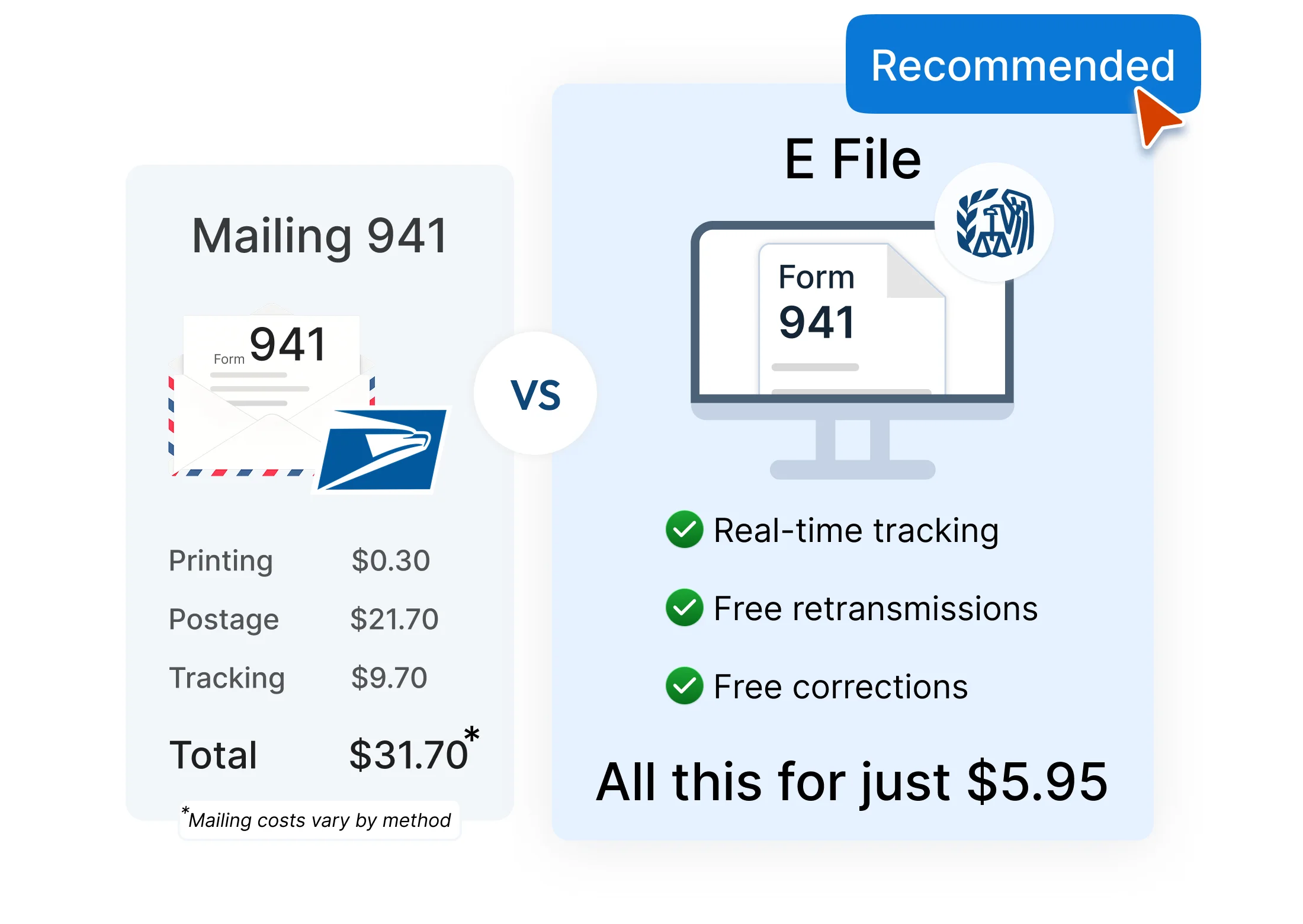
Understanding where to mail Form 941 with payment is a specific question with a nuanced answer rooted deeply in federal payroll tax regulations. While a limited number of small businesses may still qualify to mail a physical Form 941 along with a check and the mandatory Form 941-V payment voucher, this is the exception, not the rule. For the vast majority of employers, the Electronic Federal Tax Payment System (EFTPS) is the legally mandated and most efficient method for making federal tax deposits.
Regardless of whether you mail or use EFTPS, accuracy, timeliness, and adherence to IRS guidelines are paramount. Always consult the official IRS website (IRS.gov) for the most current mailing addresses and deposit requirements. By prioritizing meticulous record-keeping, leveraging technology, and not hesitating to seek professional financial guidance, employers can confidently navigate their payroll tax obligations, avoid costly penalties, and maintain robust financial compliance for their business.
aViewFromTheCave is a participant in the Amazon Services LLC Associates Program, an affiliate advertising program designed to provide a means for sites to earn advertising fees by advertising and linking to Amazon.com. Amazon, the Amazon logo, AmazonSupply, and the AmazonSupply logo are trademarks of Amazon.com, Inc. or its affiliates. As an Amazon Associate we earn affiliate commissions from qualifying purchases.