
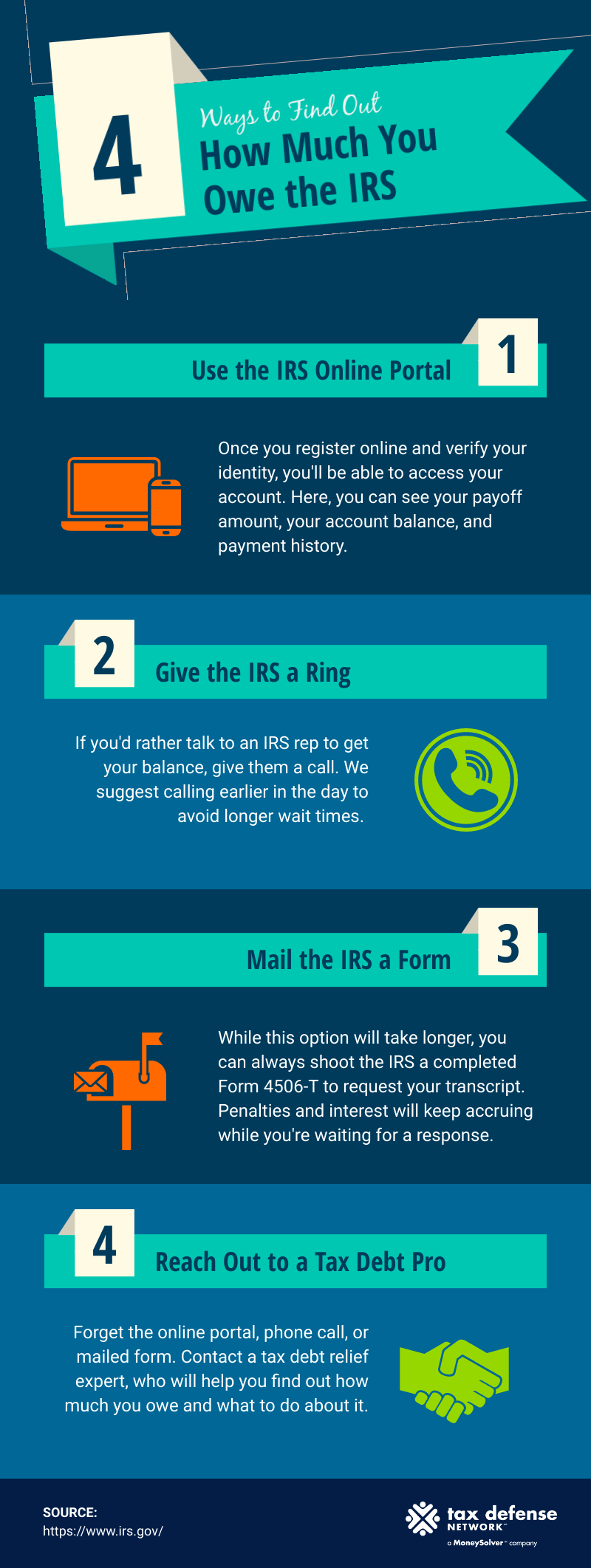
The question, “What do I owe the IRS?” is one that resonates with individuals and businesses across the United States. It’s a fundamental query that can induce anxiety, confusion, or a simple desire for clarity. Navigating the labyrinthine world of federal taxation can be daunting, but understanding your obligations is the first critical step toward financial peace of mind and compliance. This article aims to demystify the process, providing insights into how your tax liability is determined, how to manage it, and what steps to take if you find yourself facing an unexpected or overwhelming tax bill.
The Fundamentals: Understanding Your Tax Liabilities
Before you can determine what you owe, it’s essential to grasp the basic principles of federal taxation. The IRS operates on a “pay-as-you-go” system, meaning taxes are generally paid throughout the year, either through payroll withholding or estimated tax payments.
Who Needs to Pay and What Types of Income Are Taxed?
Virtually every U.S. citizen and resident alien who meets certain income thresholds is required to file a federal income tax return. The IRS defines income broadly, encompassing wages, salaries, commissions, tips, business profits, rental income, interest, dividends, capital gains, and even certain types of unemployment compensation or social security benefits. It’s crucial to understand that not all income is taxed equally, and some may be exempt or subject to different rules. For instance, tax-exempt interest from municipal bonds is typically not included in your taxable income.
Deciphering Different Tax Categories (Income, Payroll, Capital Gains)
Your overall tax obligation isn’t just a single number; it’s often a composite of various tax types:
- Income Tax: This is the most common form, levied on your earnings from wages, salaries, and other forms of income after certain deductions and credits are applied. The U.S. employs a progressive tax system, meaning higher earners pay a higher percentage of their income in taxes.
- Payroll Taxes: These taxes fund Social Security and Medicare. If you’re an employee, these are typically withheld from your paycheck as FICA (Federal Insurance Contributions Act) taxes. If you’re self-employed, you’re responsible for paying both the employer and employee portions as Self-Employment (SE) tax, which is essentially your contribution to Social Security and Medicare.
- Capital Gains Tax: This applies to profits from the sale of assets like stocks, bonds, real estate, or other investments. The tax rate depends on how long you held the asset (short-term vs. long-term) and your income level.
- Estate and Gift Taxes: These are less common but significant for high-net-worth individuals, applying to the transfer of wealth upon death or during life.
- Excise Taxes: These are taxes on specific goods or services, like fuel, tobacco, or tanning services, and are usually included in the price of the item.
Understanding which of these apply to your specific financial situation is the cornerstone of accurately calculating your debt to the IRS.
The Role of Filing Status and Dependents
Your filing status plays a significant role in determining your standard deduction, tax rates, and eligibility for certain credits. The five main filing statuses are: Single, Married Filing Jointly, Married Filing Separately, Head of Household, and Qualifying Widow(er). Each has different implications for your tax liability. Similarly, claiming eligible dependents can provide valuable tax benefits, such as the Child Tax Credit or Credit for Other Dependents, which can directly reduce the amount you owe.
Pinpointing Your Exact Debt: A Step-by-Step Guide
Once you understand the types of taxes, the next step is to accurately calculate your specific obligation for a given tax year. This process involves meticulous record-keeping and a thorough understanding of available tax benefits.
Gathering Essential Financial Documents
The foundation of accurate tax preparation is comprehensive documentation. You’ll need:
- Income Statements: W-2 forms (from employers), 1099 forms (for independent contractors, interest, dividends, retirement distributions, etc.), Schedule K-1 (for partnerships/S-corps).
- Deduction Records: Receipts for charitable contributions, medical expenses, business expenses, student loan interest statements (Form 1098-E), mortgage interest statements (Form 1098).
- Credit Information: Documentation for childcare expenses, education expenses (Form 1098-T), energy-efficient home improvements.
- Investment Records: Brokerage statements showing capital gains/losses, dividend income.
- Previous Year’s Tax Return: This can be a helpful reference for recurring items and carryovers.
Organizing these documents beforehand will streamline the entire tax preparation process.
Leveraging Tax Software and Professional Expertise
For many, tax preparation software (like TurboTax, H&R Block, TaxAct) offers a user-friendly way to calculate their taxes. These programs guide you through the process, identify potential deductions and credits, and electronically file your return. However, if your financial situation is complex (e.g., multiple businesses, foreign income, intricate investments), or if you simply prefer professional assurance, a qualified tax preparer, Enrolled Agent (EA), or Certified Public Accountant (CPA) can be invaluable. They can offer personalized advice, ensure compliance, and potentially identify savings you might miss.
Maximizing Deductions, Credits, and Exemptions
A key strategy for reducing what you owe is to take advantage of every eligible deduction, credit, and exemption.
- Deductions reduce your taxable income. You can choose between the standard deduction (a fixed amount based on your filing status) or itemizing deductions (listing out specific expenses like mortgage interest, state and local taxes, and medical expenses). Choosing the larger of the two is crucial.
- Credits directly reduce your tax liability dollar-for-dollar. Examples include the Child Tax Credit, Earned Income Tax Credit, education credits, and various credits for energy-efficient home improvements or adopting a child. Credits are generally more valuable than deductions.
- Exemptions (personal exemptions) were eliminated with the Tax Cuts and Jobs Act (TCJA) of 2017 for tax years 2018 through 2025, but the concept of dependents remains critical for various credits.
Thoroughly reviewing your eligibility for these benefits can significantly impact your final tax bill.
Reviewing and Understanding Your Tax Forms
After inputting all your information, it’s vital to review the generated forms, particularly Form 1040 (U.S. Individual Income Tax Return). This form summarizes your income, adjustments, deductions, credits, and ultimately, your total tax and any refund or amount due. Take the time to understand the lines where your information populates and how the final figures are derived. This understanding not only ensures accuracy but also empowers you with greater financial literacy.
When the Numbers Don’t Add Up: Strategies for Payment and Resolution
Sometimes, despite careful planning, you might find yourself with a larger tax bill than anticipated, or financial difficulties make paying on time impossible. The IRS has established procedures for taxpayers who cannot pay their full tax liability by the due date.
Navigating Payment Options (Direct Pay, Installment Agreements)
If you owe taxes, the IRS offers several payment methods:
- IRS Direct Pay: A free, secure way to pay directly from your checking or savings account.
- Debit Card, Credit Card, or Digital Wallet: Through third-party processors, often incurring a fee.
- Electronic Federal Tax Payment System (EFTPS): Primarily for business tax payments, but individuals can also use it for estimated taxes.
- Check or Money Order: Mailed with a payment voucher.
If you can’t pay the full amount immediately, an Installment Agreement is a common solution. This allows you to make monthly payments for up to 72 months. While interest and penalties still apply, it prevents further collection action and demonstrates your commitment to resolving the debt. Setting up an online payment agreement is often the quickest way to do this.
The Offer in Compromise (OIC): When It’s an Option
An Offer in Compromise (OIC) allows certain taxpayers to settle their tax liability with the IRS for a lower amount than what they originally owe. The IRS considers an OIC when there’s doubt about the taxpayer’s ability to pay, doubt about the amount of tax owed, or when collecting the full amount would create economic hardship. It’s a complex process, and the IRS typically accepts OICs when it believes it’s the most they can expect to collect within a reasonable timeframe. It’s not a guaranteed solution and requires significant documentation of your financial situation.
Understanding and Mitigating Penalties and Interest
The IRS charges penalties for various reasons, including failure to file on time, failure to pay on time, and accuracy-related penalties (e.g., underreporting income). Interest is charged on underpayments and unpaid tax from the due date of the return until the date of payment. While penalties can be substantial, they can sometimes be abated if you can demonstrate “reasonable cause” for the failure (e.g., serious illness, natural disaster). Interest, however, is rarely waived. Understanding these charges can motivate timely filing and payment and encourage seeking relief options.
Seeking Professional Tax Relief Services
When faced with significant IRS debt, the stress can be immense. Tax attorneys, Enrolled Agents specializing in tax resolution, or CPAs can provide invaluable assistance. They can negotiate with the IRS on your behalf, help you understand your options (like OICs, innocent spouse relief, or currently not collectible status), and guide you through the process, potentially saving you substantial amounts in penalties and interest, and providing peace of mind.
Beyond the Due Date: Proactive Tax Planning for Financial Wellness
The best way to manage what you owe the IRS is to approach your tax obligations proactively, not just reactively. Year-round planning can significantly impact your financial health and reduce end-of-year surprises.
Year-Round Record Keeping Best Practices
Don’t wait until tax season to gather your documents. Implement a system for tracking income, expenses, and other financial records throughout the year. Digital solutions (scanned receipts, cloud storage) or a simple, organized physical folder can save countless hours and prevent missed deductions. This also makes it easier to respond to any IRS inquiries should they arise.
Adjusting Withholding and Estimated Payments
Review your W-4 form (for employees) or your estimated tax payments (for self-employed individuals) periodically, especially after significant life changes like marriage, divorce, a new job, or starting a business. Adjusting your withholding or estimated payments ensures you’re paying roughly the correct amount of tax throughout the year, minimizing the chance of owing a large sum or receiving a huge refund (which essentially means you’ve given the government an interest-free loan). The goal is to owe a small amount or get a small refund.
Leveraging Tax-Advantaged Investment Vehicles
Strategic use of retirement accounts and other investment vehicles can significantly reduce your current and future tax liabilities.
- 401(k)s and Traditional IRAs: Contributions are often tax-deductible, lowering your current taxable income. Taxes are deferred until retirement.
- Roth IRAs and Roth 401(k)s: Contributions are made with after-tax dollars, but qualified withdrawals in retirement are tax-free.
- Health Savings Accounts (HSAs): Offer a triple tax advantage: tax-deductible contributions, tax-free growth, and tax-free withdrawals for qualified medical expenses.
- 529 Plans: Tax-advantaged savings plans for education expenses.
Integrating these into your financial plan can provide long-term tax benefits.
The Value of Ongoing Financial and Tax Advice
Your financial situation evolves, and so do tax laws. Engaging with a financial advisor and a tax professional on an ongoing basis can provide strategic guidance. They can help you align your financial goals with tax-efficient strategies, optimize your investment portfolio, plan for retirement, and adapt to legislative changes, ensuring you are always making informed decisions regarding what you owe the IRS.
Common Mistakes to Avoid and Best Practices for IRS Compliance
Navigating the tax system effectively means not just knowing what to do, but also understanding what not to do. Avoiding common pitfalls can save you time, money, and stress.
The Dangers of Procrastination and Incomplete Records
Delaying tax preparation often leads to rushed decisions, missed deductions, and potential errors. Furthermore, lacking complete records can make it impossible to substantiate claims if audited, potentially leading to disallowed deductions and additional taxes, penalties, and interest. Adopt a proactive, organized approach.
Misinterpreting Tax Law and Forms
Tax law is complex, and misinterpreting rules can lead to incorrect calculations, underpayment, or overpayment. Relying on outdated information or advice from unreliable sources can be detrimental. When in doubt, consult official IRS publications or a qualified tax professional.
The Importance of Responding to IRS Communications
Ignoring letters or notices from the IRS is one of the worst mistakes you can make. These communications often contain critical information regarding your tax account, potential errors, or proposed changes to your tax liability. Promptly responding and addressing the issues raised is crucial to prevent further penalties, interest, or collection actions.
Why Professional Guidance is Often a Smart Investment
While doing your taxes yourself can save on preparation fees, the potential cost of errors, missed deductions, or incorrect compliance can far outweigh those savings, especially for complex returns. A professional tax preparer can not only ensure accuracy but also provide valuable advice tailored to your specific situation, helping you proactively manage your tax burden and ultimately, your financial well-being.
Understanding “what do I owe the IRS” is more than just calculating a number; it’s about comprehending your financial obligations, leveraging available tools and strategies, and taking proactive steps to ensure compliance and optimize your financial future. By staying informed, organized, and seeking professional help when needed, you can transform a source of potential stress into a manageable aspect of your overall financial strategy.
aViewFromTheCave is a participant in the Amazon Services LLC Associates Program, an affiliate advertising program designed to provide a means for sites to earn advertising fees by advertising and linking to Amazon.com. Amazon, the Amazon logo, AmazonSupply, and the AmazonSupply logo are trademarks of Amazon.com, Inc. or its affiliates. As an Amazon Associate we earn affiliate commissions from qualifying purchases.