
Lupus, a chronic autoimmune disease, is characterized by periods of remission and exacerbation, commonly known as lupus flare-ups. During a flare-up, the immune system, which normally defends the body against foreign invaders, mistakenly attacks healthy tissues and organs. This can lead to a wide range of symptoms that can vary in severity and duration from person to person. Understanding lupus flare-ups is crucial for those living with the condition, their loved ones, and healthcare providers, as it empowers individuals to better manage their health, adapt their lifestyles, and seek timely medical intervention.
While the fundamental nature of lupus flare-ups remains consistent – an intensification of disease activity – the way they manifest and are managed can be significantly influenced by technological advancements, strategic personal and corporate branding, and robust financial planning. This article will delve into the multifaceted experience of lupus flare-ups, exploring not only the medical aspects but also how individuals can leverage technology, build resilient personal brands, and establish sound financial strategies to navigate this challenging chronic condition.
Understanding the Nature of Lupus Flare-ups
Lupus flare-ups are not simply a bad day; they represent a measurable increase in disease activity. The immune system’s overactivity triggers inflammation in various parts of the body, including joints, skin, kidneys, blood cells, brain, heart, and lungs. The unpredictability of these flares is a significant challenge for individuals managing lupus. A person might experience months or even years of relative stability, only to be blindsided by a sudden and intense resurgence of symptoms.
Triggers of Lupus Flare-ups
The exact triggers for lupus flare-ups are not always clear and can be highly individualized. However, several common factors are known to precipitate or exacerbate symptoms in susceptible individuals:
- Sunlight Exposure: Ultraviolet (UV) radiation from the sun is a well-established trigger for many people with lupus. Exposure can lead to skin rashes, fatigue, and joint pain, and in some cases, can even trigger a systemic flare. This highlights the importance of protective measures like sunscreen, protective clothing, and avoiding peak sun hours.
- Infections: Viral or bacterial infections can disrupt the delicate balance of the immune system and lead to a lupus flare. The body’s response to an infection can inadvertently stimulate the already overactive immune system of a lupus patient.
- Stress: Both physical and emotional stress can play a significant role in triggering flares. Significant life events, demanding work environments, or prolonged periods of anxiety can lower the body’s threshold for immune dysregulation.
- Medications: Certain medications, particularly some antibiotics and blood pressure medications, can induce lupus-like symptoms or trigger flares in individuals with existing lupus. It is vital for patients to discuss all medications, including over-the-counter drugs and supplements, with their healthcare provider.
- Hormonal Changes: Hormonal fluctuations, particularly those associated with menstruation, pregnancy, and menopause, can influence lupus activity. Estrogen, in particular, has been linked to a higher incidence and severity of lupus in women.
- Fatigue and Overexertion: While it might seem counterintuitive, pushing oneself too hard physically when experiencing fatigue can sometimes lead to a flare. The body’s need for rest and recovery is paramount in managing lupus.
Recognizing the Signs of a Flare-up
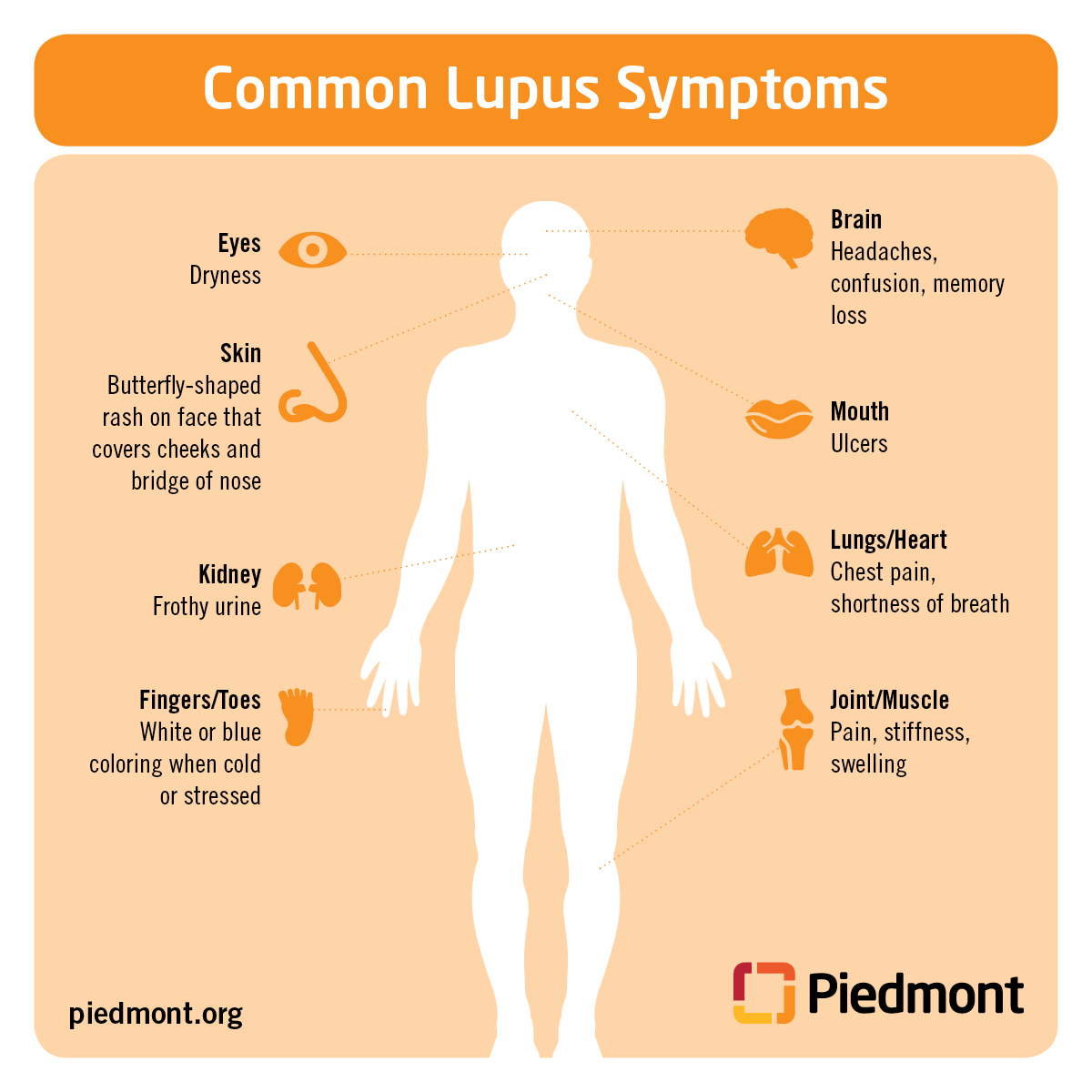
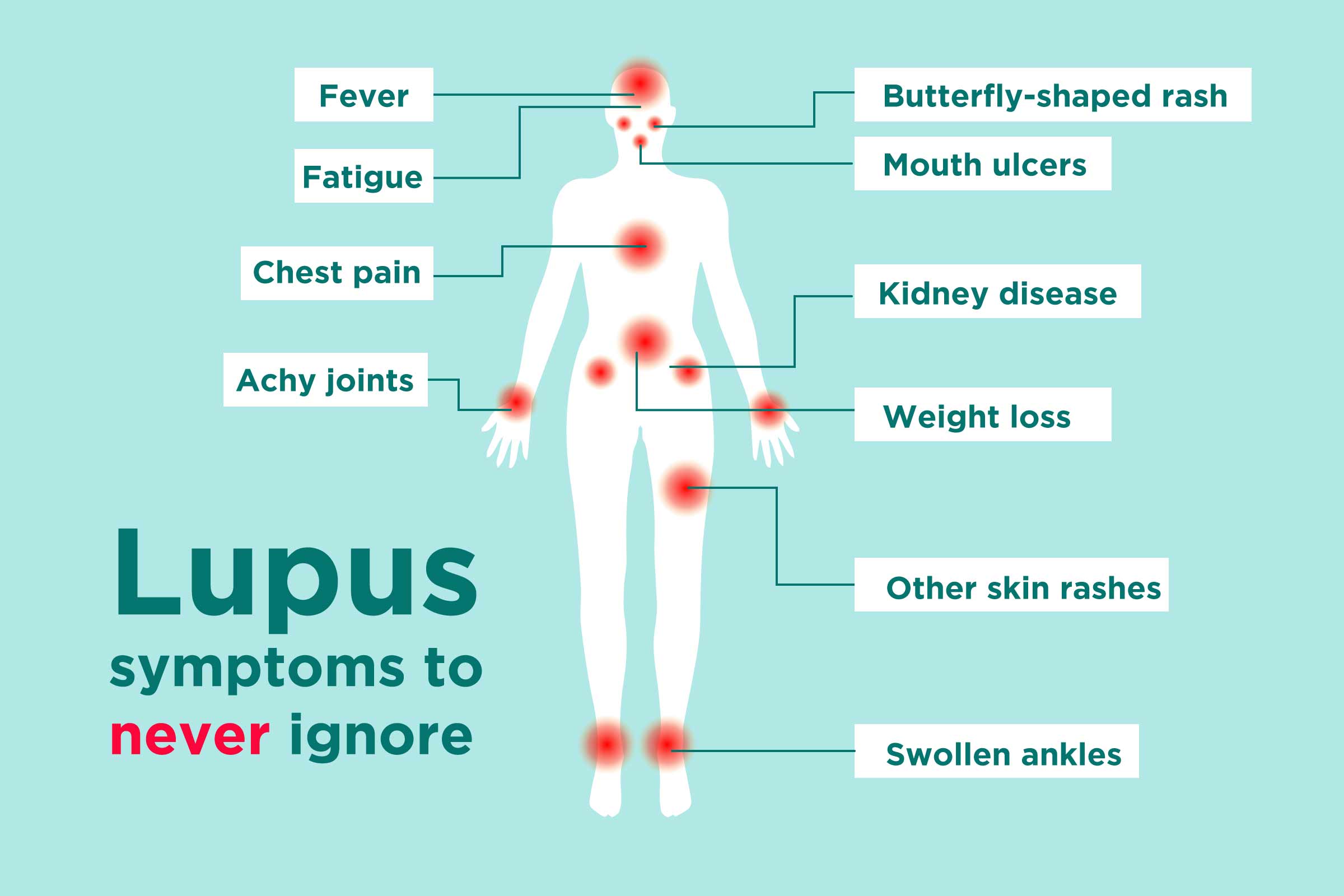
The symptoms of a lupus flare-up can be diverse and often mimic other conditions, making accurate diagnosis and management crucial. Common signs include:
- Increased Fatigue: Profound and debilitating tiredness that is not relieved by rest is often an early indicator of a flare.
- Joint Pain and Swelling: Arthralgia (joint pain) and arthritis (joint inflammation) are very common, often affecting the hands, wrists, and knees.
- Skin Rashes: The characteristic “butterfly rash” across the cheeks and bridge of the nose is a classic lupus symptom, but other rashes can also appear on sun-exposed areas or elsewhere on the body.
- Fever: A low-grade fever, often without an apparent infection, can signal an increase in inflammation.
- Mouth or Nose Sores: Painless sores in the mouth or nose can develop during flares.
- Hair Loss: Significant and sudden hair loss can occur, often temporary but distressing.
- Swelling in Legs, Ankles, or Eyes: This can indicate kidney involvement.
- Chest Pain: Pleurisy (inflammation of the lining of the lungs) or pericarditis (inflammation of the lining of the heart) can cause sharp chest pain.
- Shortness of Breath: Again, this can be a sign of lung or heart involvement.
- Cognitive Issues: “Lupus fog,” characterized by memory problems, difficulty concentrating, and confusion, can be a symptom of neurological involvement.
Navigating Lupus Flare-ups with Technology
The digital age offers a wealth of tools and resources that can significantly improve the lives of individuals managing lupus, particularly during flare-ups. From symptom tracking to remote healthcare, technology can empower patients and enhance their management strategies.
Leveraging Technology for Symptom Management and Monitoring
- Symptom Tracking Apps: Numerous mobile applications are designed to help individuals meticulously record their symptoms, medication adherence, and lifestyle factors. These apps can provide valuable data for both the patient and their doctor, helping to identify patterns, understand triggers, and assess the effectiveness of treatments. Features often include daily symptom logging, medication reminders, energy level tracking, and mood diaries. This data can be invaluable when discussing changes in health with a rheumatologist.
- Wearable Devices: Smartwatches and fitness trackers can monitor vital signs like heart rate, sleep patterns, and activity levels. While not diagnostic tools, the data they provide can offer insights into overall well-being and potential changes that might precede or accompany a flare. For instance, a sudden drop in activity levels or disrupted sleep patterns could be early warning signs.
- Telehealth and Remote Monitoring: The rise of telehealth has made it easier for individuals with lupus to access healthcare professionals without the need for in-person visits, which can be particularly beneficial during a flare when mobility might be limited or the risk of exposure to infections is higher. Remote monitoring devices, such as blood pressure cuffs or glucose meters, can also be used to transmit data to healthcare providers, allowing for proactive management and early intervention.
Digital Security and Privacy in Healthcare
As more health information is digitized, ensuring the security and privacy of personal health data becomes paramount. Individuals managing chronic conditions like lupus should be mindful of the platforms they use to store and share their health information. Utilizing secure patient portals, understanding privacy policies, and being cautious about sharing sensitive information online are crucial steps in safeguarding one’s digital health. This also extends to ensuring the security of personal devices used for health tracking and communication.
AI Tools for Personalized Health Insights
Artificial intelligence (AI) is increasingly being integrated into healthcare. While still evolving, AI-powered tools are beginning to offer personalized health insights. For individuals with lupus, this could translate into AI algorithms that analyze symptom data and suggest potential triggers or lifestyle modifications. Future AI applications might even assist in predicting flare-ups based on complex patterns in an individual’s health data, enabling more proactive management and preventative measures.
Building Resilience Through Personal Branding and Marketing

Living with a chronic condition like lupus can impact various aspects of life, including professional and social interactions. Developing a strong personal brand can be an invaluable tool for navigating these challenges and fostering understanding and support.
Defining Your Narrative: Personal Branding for Lupus Warriors
A personal brand is more than just a professional resume; it’s the unique story you tell about yourself. For individuals with lupus, this can involve proactively communicating their condition in a way that educates, advocates, and inspires. This doesn’t mean oversharing, but rather choosing to share aspects of their journey that foster understanding and build connections.
- Authenticity: Being authentic about their experiences, including the challenges and triumphs, resonates with others. This can involve sharing insights on managing fatigue, advocating for accommodations, or simply raising awareness about lupus.
- Advocacy and Education: Individuals can use their platforms, whether social media, community groups, or professional networks, to educate others about lupus. This can help to dispel myths, reduce stigma, and build a more supportive environment.
- Setting Boundaries: A strong personal brand also involves effectively communicating one’s needs and limitations. This is crucial during flare-ups, where clearly articulating the need for rest or adjustments to commitments is essential.
Corporate Identity and Support Systems
For organizations and employers, fostering an inclusive and supportive corporate identity is vital for employees managing chronic conditions. This includes:
- Creating a Culture of Understanding: Promoting awareness about chronic illnesses like lupus within the workplace can lead to greater empathy and support from colleagues and management.
- Flexible Work Policies: Implementing flexible work arrangements, such as remote work options or adjusted hours, can be instrumental in allowing employees with lupus to manage their symptoms and continue contributing effectively.
- Employee Assistance Programs (EAPs): EAPs can provide valuable resources and support for employees facing health challenges, including access to counseling, financial advice, and health management programs.
Reputation Management in the Face of Chronic Illness
Managing one’s reputation, both personally and professionally, when living with a chronic illness requires a proactive approach. This involves:
- Communicating Effectively: Being open and honest (to the extent comfortable) about the impact of lupus, especially during flare-ups, can prevent misunderstandings and foster a supportive network. For example, informing colleagues or supervisors about potential needs during a flare can be crucial.
- Focusing on Strengths: While acknowledging the challenges, it’s important to highlight one’s capabilities and contributions. A strong personal brand emphasizes what an individual can do, rather than what they cannot.
- Building a Network of Support: Cultivating relationships with understanding friends, family, and professional contacts can provide emotional and practical support during difficult times.
Financial Preparedness for Lupus Flare-ups
The financial implications of managing a chronic illness like lupus can be substantial. From healthcare costs to potential impacts on earning capacity, robust financial planning is an essential component of comprehensive lupus management.
Personal Finance and Healthcare Costs
- Understanding Insurance Coverage: Navigating health insurance plans to understand coverage for doctor visits, medications, diagnostic tests, and potential hospitalizations is paramount. This includes understanding deductibles, co-pays, and out-of-pocket maximums.
- Budgeting for Medical Expenses: Creating a dedicated budget for medical expenses, including prescription drugs, specialist appointments, and potential therapies, can help individuals anticipate and manage these costs.
- Utilizing Financial Tools: Various financial tools and apps can assist with budgeting, tracking expenses, and managing savings. These tools can help individuals stay on top of their finances, even during challenging times.
Income Generation and Side Hustles
- Maintaining Employment: For many, maintaining consistent employment is crucial for financial stability. This may involve open communication with employers about needs and seeking accommodations.
- Exploring Side Hustles and Online Income: For those whose lupus symptoms impact their ability to maintain a full-time job, exploring flexible side hustles or online income opportunities can be a lifeline. This could include freelance work, online tutoring, or selling crafts, all of which can often be managed from home and at one’s own pace. Leveraging digital skills learned through tech tutorials can be particularly beneficial here.
- Disability Benefits: In cases where lupus significantly impacts the ability to work, understanding and applying for disability benefits, both short-term and long-term, becomes a critical financial strategy.
Business Finance and Employer Support
For individuals who are self-employed or own businesses, managing the financial impact of lupus flare-ups requires a different set of strategies:
- Contingency Planning: Businesses should have contingency plans in place for unexpected absences of key personnel, including the owner. This could involve cross-training employees or establishing relationships with freelance professionals who can step in.
- Insurance for Business Owners: Exploring business insurance options that cover income replacement due to illness can provide a crucial safety net.
- Prioritizing Health: While running a business is demanding, prioritizing personal health and proactively managing lupus can prevent more severe and costly consequences down the line, both personally and for the business.
Conclusion
Lupus flare-ups present a unique and often challenging aspect of living with a chronic autoimmune disease. The unpredictable nature of these exacerbations requires a holistic approach to management that extends beyond medical intervention. By embracing technological advancements for symptom tracking and remote care, building a strong and authentic personal brand that fosters understanding and advocacy, and establishing robust financial planning strategies, individuals with lupus can navigate their condition with greater resilience, control, and well-being. The integration of these diverse strategies empowers individuals to not only manage the symptoms of lupus but to truly thrive in its presence, turning challenges into opportunities for growth and self-discovery.
aViewFromTheCave is a participant in the Amazon Services LLC Associates Program, an affiliate advertising program designed to provide a means for sites to earn advertising fees by advertising and linking to Amazon.com. Amazon, the Amazon logo, AmazonSupply, and the AmazonSupply logo are trademarks of Amazon.com, Inc. or its affiliates. As an Amazon Associate we earn affiliate commissions from qualifying purchases.