
In an increasingly interconnected world, the ability to transfer money efficiently, securely, and cost-effectively is not just a convenience—it’s a fundamental financial necessity. Whether it’s splitting a restaurant bill with friends, paying an overseas vendor, supporting family across borders, or making a significant investment, sending funds underpins virtually every financial interaction. This guide delves into the diverse landscape of fund transfer methods, focusing squarely on the financial implications, strategic choices, and best practices that empower individuals and businesses to navigate this essential aspect of modern finance.
The Financial Imperative: Why Sending Funds Matters
The act of sending funds is far more than a simple transaction; it’s a critical component of personal and business financial health. Understanding the underlying reasons and specific requirements for each transfer is the first step in making an informed decision about the most appropriate method. The context of the transfer—its purpose, destination, and urgency—dictates the financial tools and strategies one should employ.

Personal Needs vs. Business Requirements
For individuals, sending funds often relates to daily expenses, gifts, emergencies, or supporting loved ones. The priority here might be ease of use, low fees for smaller amounts, or speed for urgent transfers. For instance, sending money to a child at college might prioritize instant availability via a P2P app, while paying rent might involve an automated bank transfer.
Businesses, on the other hand, face a more complex array of needs: paying suppliers, distributing salaries, settling international invoices, or managing inter-company transfers. Business fund transfers typically demand higher security, detailed transaction records for accounting and auditing purposes, scalability, and potentially favorable exchange rates for large international sums. The financial implications of delays or errors can be substantial, impacting cash flow, supplier relationships, and regulatory compliance.
Domestic vs. International Dynamics
The geographical destination of funds profoundly influences the available options and their associated financial characteristics. Domestic transfers within the same country often benefit from established banking infrastructures, making them relatively quick and inexpensive. Services like national interbank transfer systems (e.g., ACH in the US, SEPA in Europe) offer reliable, low-cost solutions, albeit sometimes with a slight delay.
International transfers introduce layers of complexity: currency conversion, differing regulatory environments, and a wider array of service providers. The costs associated with international transfers—including exchange rate markups and correspondent bank fees—can significantly erode the transferred amount, making careful selection crucial. The choice between a traditional bank wire and a specialized online money transfer service can mean hundreds, if not thousands, of dollars in savings or losses, particularly for larger sums.
The Spectrum of Urgency and Value
Not all fund transfers are created equal in terms of urgency or value. An immediate need for cash, such as an emergency abroad, might warrant a more expensive, faster service, where the premium paid for speed is justified by the critical situation. Conversely, a recurring monthly payment for a subscription might prioritize automation and minimal fees over instantaneity.
Similarly, the value of the transfer dictates the level of scrutiny required for fees and security. Sending a small amount might absorb a flat fee more easily, making convenience paramount. However, transferring a large sum, such as a down payment for property or a significant business invoice, necessitates a meticulous comparison of exchange rates, transaction limits, and the robustness of security protocols, as even a small percentage point difference can translate into a substantial financial impact. Understanding these dynamics is the bedrock of intelligent financial planning for fund transfers.
Traditional Avenues: Tried and Tested Financial Mechanisms
Before the advent of digital platforms, a limited set of traditional methods governed how funds moved from one account to another. While some of these have seen a decline in use for everyday transactions, they remain vital for specific financial scenarios due to their inherent security, established legal frameworks, and reliability, particularly for larger or more sensitive transfers.
Bank Wire Transfers: Reliability at a Cost
Bank wire transfers are a classic method for sending funds directly from one bank account to another, domestically or internationally. They are renowned for their security and speed, often processing within hours or a few business days, making them a preferred choice for high-value transactions like real estate purchases or business-to-business payments where certainty of receipt is paramount. The underlying infrastructure, such as SWIFT for international wires, is globally recognized and highly secure.
However, this reliability comes at a financial cost. Banks typically charge fixed fees for outgoing wires, which can range from $25 to $50 for domestic transfers and often more for international ones. Furthermore, international wires may incur additional fees from intermediary banks and often come with less favorable exchange rates compared to specialized currency exchange services. While secure, the immutability of a wire transfer—once sent, it’s very difficult to recall—underscores the critical importance of verifying recipient details meticulously. For significant sums, the cost-benefit analysis often tilts towards wires due to the peace of mind they offer regarding the secure movement of capital.
Checks and Money Orders: Security in Paper Form
Checks represent one of the oldest forms of fund transfer, instructing a bank to pay a specific amount from the drawer’s account to the payee. While electronic payments have largely superseded paper checks for routine transactions, they still serve important niches. They offer a physical record of payment, can be mailed, and provide a delay before funds are debited from the sender’s account, offering a measure of control. However, they are susceptible to fraud (e.g., check washing, counterfeit checks), require time for mailing and clearing, and carry the risk of bouncing if insufficient funds are available. For businesses, checks can still be part of payroll or vendor payments, especially where digital adoption is varied.
Money orders, typically purchased at post offices, convenience stores, or some banks, are prepaid instruments. The sender pays the face value plus a small fee, and the recipient can cash it or deposit it. Money orders are considered very secure because they are prepaid, eliminating the risk of insufficient funds. They are often used by individuals who don’t have bank accounts, for small payments where a physical record is needed, or when sending money where the recipient might not trust a personal check. While secure and affordable, they have limits on the maximum amount and are slower than electronic methods.
Cashier’s Checks: Guaranteed Funds for High-Value Transactions
A cashier’s check (or bank check) is a check drawn by a bank on its own funds, not from an individual’s account. This means the bank guarantees payment, making them highly secure and trusted. Recipients often prefer cashier’s checks for large transactions, such as buying a car, making a down payment on a house, or other significant purchases where the seller requires guaranteed funds.
To obtain a cashier’s check, an individual typically pays the bank the full amount plus a small service fee, and the funds are immediately withdrawn from their account. This certainty of payment makes them less risky than personal checks for the recipient and can speed up transactions where trust is a factor. While secure, they require a visit to a bank branch, carry a fee, and still involve physical delivery, meaning they are not instantaneous. For substantial financial commitments, the peace of mind offered by a cashier’s check often outweighs the minor inconveniences and costs involved.
The Digital Revolution: Modern Financial Tools and Platforms
The digital age has transformed the landscape of fund transfers, offering a plethora of online and app-based solutions that prioritize speed, convenience, and often, lower costs. These modern financial tools have democratized access to various payment mechanisms, making it easier than ever to send money domestically and across borders.
Peer-to-Peer (P2P) Payment Apps: Instant Gratification for Everyday Transfers
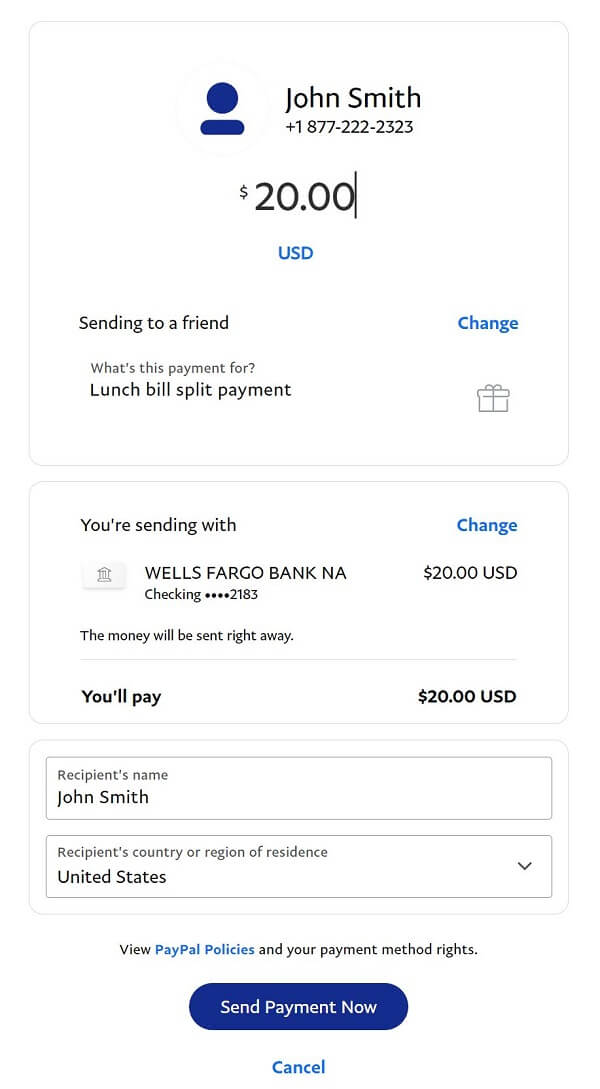
P2P payment apps like PayPal, Venmo, Zelle, and Cash App have become ubiquitous for everyday money transfers. These platforms allow users to send and receive money almost instantly using just a phone number or email address, linking directly to their bank accounts or debit cards. For domestic, personal transactions, many of these services are free, making them incredibly popular for splitting bills, paying friends back, or small purchases.
From a financial perspective, their primary advantages are speed and convenience. However, users must be aware of potential fees for certain services, such as instant transfers to a bank account (instead of standard transfer times) or for using credit cards. Security is also a key consideration; while the apps themselves employ encryption, users must be vigilant against scams and ensure they are sending money to the correct recipient, as P2P transfers are often difficult to reverse. For businesses, some P2P platforms offer business accounts with additional features, but often with transaction fees, making them a less cost-effective primary solution for high-volume operations than dedicated business payment systems.
Online Money Transfer Services: Streamlined Cross-Border Payments
For international fund transfers, specialized online services such as Wise (formerly TransferWise), Remitly, Xoom (a PayPal service), and WorldRemit have significantly disrupted the traditional banking model. These platforms are designed specifically to offer lower fees and more competitive exchange rates than traditional banks, making them a preferred choice for individuals and small businesses sending money across borders.

Their financial models typically involve transparent, upfront fees and real, mid-market exchange rates, minimizing hidden costs. They leverage local payment networks in different countries to facilitate transfers, often avoiding the multiple intermediary bank fees associated with SWIFT wires. Transfers can often be initiated online and delivered directly to a bank account, mobile wallet, or for cash pickup in the recipient’s local currency, often within minutes to a few days. The financial benefits of these services are substantial for international senders, allowing more money to reach the recipient. Users benefit from easy online tracking and competitive pricing, making them a powerful tool for global financial management.
Emerging Technologies: Blockchain and Digital Currencies
The advent of blockchain technology and digital currencies (cryptocurrencies) like Bitcoin and Ethereum presents an evolving frontier for fund transfers. These decentralized networks offer the potential for extremely fast, low-cost, and secure transactions, particularly for cross-border payments, by cutting out traditional intermediaries. Transactions are recorded on an immutable public ledger, enhancing transparency and security.
While still nascent for mainstream adoption, especially for the average consumer, cryptocurrency transfers are gaining traction for specific use cases. Businesses involved in international trade or those seeking to avoid traditional banking fees and delays are exploring stablecoins (cryptocurrencies pegged to fiat currencies) for remittances and payments. Financially, the primary draws are lower transaction fees (especially for large amounts), faster settlement times (sometimes seconds), and increased financial autonomy. However, significant volatility, regulatory uncertainties, and a steep learning curve remain challenges. Users must also be mindful of the irreversible nature of crypto transactions and the need for robust cybersecurity practices. As regulatory frameworks mature and user interfaces simplify, blockchain and digital currencies could fundamentally reshape the future of fund transfers.
Critical Financial Considerations for Secure Transfers
Sending funds, regardless of the method, inherently carries financial risks and implications. A robust understanding of these considerations is paramount to ensure both the security of your money and the efficiency of the transfer, safeguarding your financial interests.
Navigating Fees, Exchange Rates, and Hidden Costs
The total cost of sending funds can be deceptively complex. Direct transaction fees are just one piece of the puzzle. For international transfers, the exchange rate offered by the service provider is often the most significant hidden cost. Many banks and even some online services apply a markup to the interbank exchange rate (the mid-market rate), effectively giving you fewer foreign currency units for your local currency. This “spread” can dramatically reduce the amount received by the beneficiary.
Savvy financial management dictates comparing not just the stated fee but also the effective exchange rate across multiple providers. Online money transfer services often pride themselves on transparency regarding their exchange rates and fees, often providing real-time calculators that show exactly how much the recipient will receive. Be vigilant for “zero-fee” claims that might mask higher exchange rate markups. Furthermore, consider any potential fees charged by the recipient’s bank for receiving international transfers, as these can chip away at the final amount. Always seek a detailed breakdown of all costs involved before initiating a transfer.
Ensuring Data Security and Fraud Prevention
The digital nature of most modern fund transfers necessitates a heightened awareness of data security and fraud prevention. Financial institutions and online platforms employ sophisticated encryption and security protocols, but the weakest link often lies with the user. Phishing scams, where fraudsters attempt to trick users into revealing login credentials or personal financial information, are a constant threat. Always verify the legitimacy of emails, texts, or calls requesting sensitive information.
When using online platforms, ensure your internet connection is secure, especially when accessing financial accounts. Use strong, unique passwords and enable two-factor authentication (2FA) wherever possible. For P2P apps, double-check recipient details before sending, as mistaken transfers are often difficult to reverse. Businesses must implement robust internal controls, employee training on cybersecurity best practices, and secure payment processing systems to protect against financial fraud and data breaches. Regularly monitoring transaction history for unauthorized activity is a crucial preventive measure.
Compliance, Limits, and Regulatory Adherence
Fund transfers are subject to various national and international regulations designed to combat money laundering, terrorist financing, and other illicit financial activities. These regulations often impose limits on how much money can be sent or received within a certain timeframe, requiring additional verification for larger transactions. For example, specific thresholds might trigger identity verification (KYC – Know Your Customer) or require reporting to financial authorities.
Understanding these regulatory requirements is essential. Failure to comply can result in delays, freezing of funds, or even legal penalties. Businesses, particularly those engaged in international trade, face complex compliance obligations and must ensure their payment systems and processes adhere to all relevant anti-money laundering (AML) and sanctions regulations in all jurisdictions involved. Personal users should be aware that repeated high-value transactions might flag their accounts for additional scrutiny. Transparency about the source and purpose of funds is often required, reinforcing the importance of proper documentation.
Verifying Recipient Details: The Ultimate Precaution
Perhaps the most critical financial consideration before executing any fund transfer is the meticulous verification of recipient details. An incorrect digit in an account number, a misspelled name, or an outdated address can lead to funds being sent to the wrong person, or worse, irrevocably lost. For bank transfers, this includes the full legal name of the recipient, their bank name, account number, and for international transfers, the SWIFT/BIC code and potentially an IBAN.
In the age of digital payments, fraudsters often impersonate legitimate contacts or businesses, providing slightly altered payment details. Always independently confirm payment instructions directly with the intended recipient through a separate, trusted communication channel (e.g., a phone call to a known number, rather than replying to an email). For large sums, consider a small test transfer first. The financial loss from sending money to an incorrect or fraudulent recipient can be total, making this step non-negotiable for responsible financial management.
Optimizing Your Fund Transfer Strategy: Making Informed Financial Choices
The decision of how to send funds should never be a default choice. Instead, it requires a strategic approach, balancing various financial and practical considerations to ensure your money reaches its destination securely, efficiently, and at the lowest possible cost. This involves a continuous assessment of needs against available solutions and a commitment to meticulous record-keeping.
Assessing Your Specific Needs Against Available Options
The first step in optimizing your fund transfer strategy is a clear and honest assessment of your specific requirements. This includes:
- Amount: Is it a small sum for a friend, or a significant business transaction? This impacts fees, security protocols, and regulatory limits.
- Urgency: Does the money need to arrive instantly, within a few hours, or can it take several days? Speed often comes with a higher price tag.
- Recipient’s Access: Does the recipient need cash, a bank deposit, or can they receive funds via a mobile wallet or P2P app? The recipient’s banking infrastructure and technological literacy play a crucial role.
- Frequency: Is this a one-off payment, or a recurring transfer? Recurring payments might benefit from automated setup and dedicated services with favorable long-term rates.
- International vs. Domestic: As discussed, this fundamentally changes the options and cost structures.
By meticulously outlining these factors, you can filter through the myriad of available services and narrow down the most financially sensible choices. For example, a small, urgent international transfer might favor an online money transfer service with cash pickup, while a large, less urgent international business payment might benefit from a bank wire with a carefully negotiated exchange rate.
Balancing Cost, Speed, and Security
The ideal fund transfer method usually represents an optimal balance between cost, speed, and security—a financial triad where often, improving one aspect may compromise another.
- Cost: Always compare total costs, including explicit fees, hidden exchange rate markups, and potential recipient bank fees. For recurring transfers, even small percentage differences can accumulate into significant savings over time. Leveraging competitive online services for international transfers or free P2P apps for domestic ones can yield substantial financial benefits.
- Speed: Instant transfers are often possible with P2P apps or certain online services, but they might involve higher fees or less stringent security checks. Traditional bank wires are fast, but costly. Weigh the financial cost of speed against the actual necessity of instant delivery.
- Security: This is non-negotiable. Prioritize services with robust encryption, fraud detection, and clear dispute resolution processes. For very large sums, the guaranteed nature of a bank wire or cashier’s check might justify higher costs due to the reduced risk. Always confirm recipient details independently, irrespective of the method chosen.
An informed financial decision means understanding these trade-offs and selecting the option that best aligns with your priorities for each unique transfer situation.
The Importance of Documentation and Record-Keeping
Diligent documentation and record-keeping are often overlooked but are crucial components of a sound fund transfer strategy, offering both financial protection and administrative ease.
- For Personal Finances: Keep records of all significant transfers, including dates, amounts, recipients, and confirmation numbers. This aids in budgeting, tax reporting (especially for gifts or overseas support), and provides proof of payment in case of disputes. Electronic confirmations from apps or banks are usually sufficient.
- For Business Finance: Comprehensive record-keeping is not just good practice; it’s a regulatory requirement. Businesses must maintain detailed ledgers of all incoming and outgoing funds, including invoices, payment confirmations, and reconciliation records. This supports auditing, tax compliance, dispute resolution with suppliers or customers, and overall financial transparency. Digital archiving of transaction details, along with robust accounting software integrations, streamlines this process.
In conclusion, sending funds effectively in today’s financial landscape requires more than just knowing how to initiate a transfer. It demands a sophisticated understanding of the financial implications of each method, a keen eye for costs, a proactive approach to security, and diligent record-keeping. By adopting a strategic mindset and continuously evaluating the best tools for their specific needs, individuals and businesses can master the art of fund transfers, ensuring their money moves efficiently, securely, and cost-effectively, safeguarding their financial well-being.
aViewFromTheCave is a participant in the Amazon Services LLC Associates Program, an affiliate advertising program designed to provide a means for sites to earn advertising fees by advertising and linking to Amazon.com. Amazon, the Amazon logo, AmazonSupply, and the AmazonSupply logo are trademarks of Amazon.com, Inc. or its affiliates. As an Amazon Associate we earn affiliate commissions from qualifying purchases.