
The landscape of financial management has undergone a profound transformation, with digital platforms now central to nearly every monetary transaction, including the annual ritual of paying taxes. For individuals and businesses alike, understanding how to navigate online tax payment systems is not just a matter of convenience but a critical component of modern financial literacy. This guide delves into the various methods, advantages, and best practices for fulfilling your tax obligations digitally, ensuring accuracy, security, and peace of mind.
The Advantages and Main Avenues of Online Tax Payment
Embracing online tax payment offers a multitude of benefits over traditional paper-based methods, aligning with the broader trend toward digital-first financial operations. From speed and accuracy to enhanced record-keeping, the digital realm provides a streamlined approach to tax compliance.
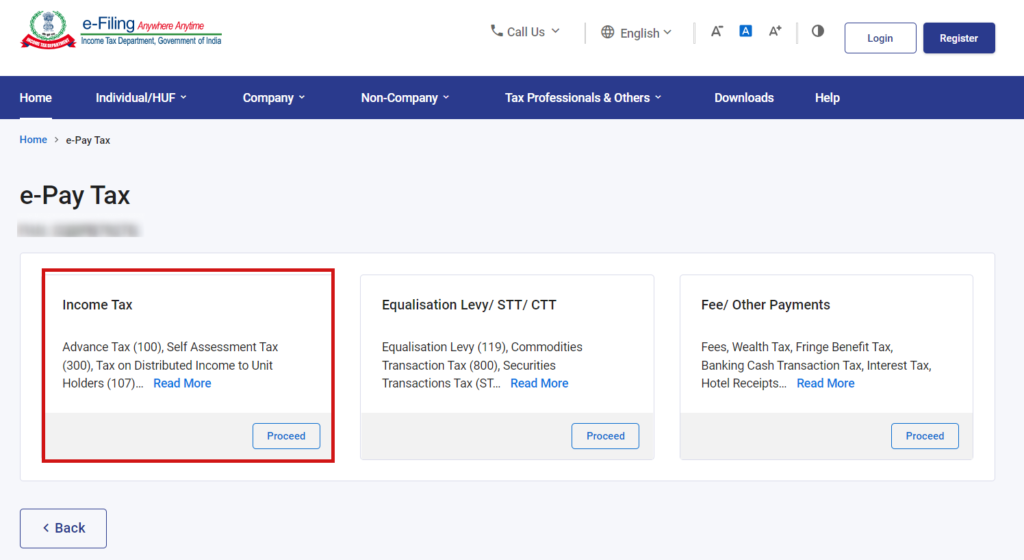
Why Choose Digital Over Traditional?
The shift to online tax payments is driven by compelling advantages. Foremost among these is convenience. Taxpayers can remit payments 24/7 from any location with internet access, eliminating the need for mailing checks or visiting physical payment centers. This flexibility is particularly valuable for those with demanding schedules or living in remote areas.
Speed and efficiency are another significant draw. Online payments are processed far more quickly than mailed checks, reducing the risk of late payment penalties due to postal delays. This immediate processing also offers greater certainty regarding the exact time of payment, which can be crucial when nearing a tax deadline.
Enhanced record-keeping is an often-overlooked benefit. Digital payment systems automatically generate transaction confirmations and receipts, which can be easily saved, printed, or integrated into personal finance software. This creates a clear, verifiable audit trail, simplifying future tax preparations or addressing any payment-related inquiries. Furthermore, the reduced risk of lost mail or incorrectly processed paper checks adds a layer of security and reliability.
Key Online Payment Methods at a Glance
The digital ecosystem provides several distinct pathways for paying your taxes, each catering to different needs and preferences:
- Direct Pay via Government Websites: The most straightforward method, allowing payments directly from a checking or savings account. This is typically free and highly secure.
- Credit or Debit Card Payments: Available through third-party payment processors, offering convenience but often incurring a processing fee.
- Electronic Federal Tax Payment System (EFTPS): A robust system designed for individuals, businesses, and tax professionals to make federal tax payments electronically.
- Tax Software Integration: Many commercial tax preparation software packages offer integrated payment options directly within the application.
- Payment through a Tax Professional: If you use an accountant or tax preparer, they can often facilitate electronic payments on your behalf.
Understanding these options is the first step toward selecting the most suitable method for your specific financial situation.
Navigating Federal Tax Payments Digitally
The Internal Revenue Service (IRS) offers several secure and convenient methods for taxpayers to pay their federal taxes online. Familiarity with these platforms is essential for seamless tax compliance.
IRS Direct Pay: Simplicity and Speed
IRS Direct Pay is a free, secure web service that allows individuals to pay their federal income taxes directly from their checking or savings account. It’s ideal for single payments of current tax year balances, estimated tax payments, or payments for a prior year’s tax liability. The process is remarkably user-friendly: taxpayers simply visit the official IRS website, select the payment reason, enter their bank account details, and verify their identity using prior tax information. The system provides an immediate confirmation number, serving as proof of payment. This method avoids processing fees often associated with credit card payments and offers a direct, secure channel to the IRS.
The Electronic Federal Tax Payment System (EFTPS): For Businesses and Regular Filers
For businesses and individuals who make recurring tax payments, especially estimated taxes or various business taxes, the Electronic Federal Tax Payment System (EFTPS) is the preferred method. EFTPS is a free service provided by the U.S. Department of the Treasury. It requires prior enrollment and offers more comprehensive features, including the ability to schedule payments up to 365 days in advance and view a detailed payment history. While the enrollment process is more involved than IRS Direct Pay, taking several days to complete, its benefits for ongoing tax management are significant. It’s particularly valuable for small businesses, self-employed individuals, and those who need to make quarterly estimated tax payments.
Paying via Tax Software and Payment Processors
Many popular commercial tax preparation software programs, such as TurboTax, H&R Block, and TaxAct, integrate payment options directly into their filing process. After preparing your return, you can often choose to have the software initiate an electronic funds withdrawal (direct debit) from your bank account or pay via credit/debit card through a third-party processor. While direct debit through software is generally free, paying with a credit or debit card will incur a convenience fee charged by the processor, not the IRS. This fee, typically a percentage of the payment amount, should be factored into your decision, especially for large tax liabilities. Despite the fee, credit card payments can offer rewards points or defer immediate cash outflow, appealing to some taxpayers.
Special Cases: Estimated Taxes and Payment Plans
Online payment methods are not limited to annual tax balances. Both IRS Direct Pay and EFTPS are excellent tools for making estimated tax payments throughout the year, crucial for self-employed individuals, freelancers, and those with significant income not subject to withholding. Furthermore, if you cannot pay your full tax liability by the deadline, the IRS offers online payment agreements (OPAs). Through the IRS website, taxpayers can apply for short-term payment plans or offer in compromise (OIC), and then make the agreed-upon payments electronically. This digital access to payment plans provides flexibility for managing financial challenges while staying compliant.
Understanding State and Local Online Tax Payment Systems
While federal taxes often get the most attention, state and local taxes are equally important and also offer extensive online payment capabilities. The specifics vary by jurisdiction, but the underlying principles of digital convenience and security remain consistent.
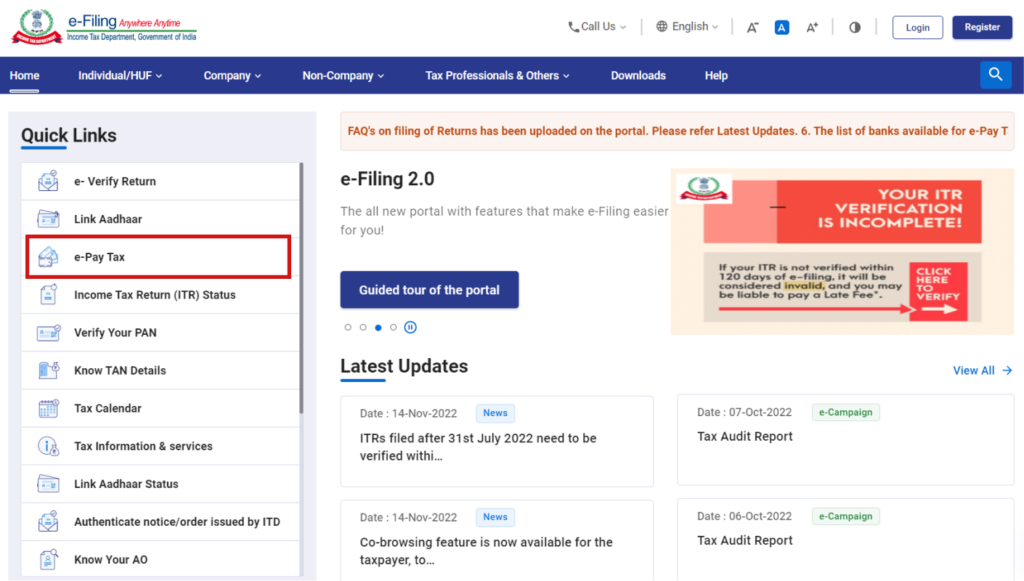
State Department of Revenue Portals
Every state operates its own Department of Revenue or equivalent agency, and virtually all provide online portals for tax payments. These portals typically mirror the functionality of federal systems, allowing residents to pay state income tax, sales tax, property tax, and other state-specific levies. Common payment methods include direct debit from a checking or savings account (often free) and credit/debit card payments (usually incurring a convenience fee).
Navigating state tax portals requires careful attention to detail, as each state has unique tax codes, deadlines, and portal interfaces. It’s crucial to ensure you are on the official state government website to avoid scams. These portals are also valuable resources for checking payment history, verifying tax account balances, and sometimes even amending past returns. For businesses operating across multiple states, understanding each state’s online payment system is paramount for multi-state tax compliance.
Local Tax Considerations
Beyond state taxes, many individuals and businesses are also subject to local taxes imposed by cities, counties, or municipalities. These can include local income taxes, property taxes, school district taxes, and various business licenses or fees. The availability and methods for online payment of local taxes are highly localized.
Some larger cities and counties have sophisticated online payment systems directly accessible through their official government websites. These might offer options for direct debit or credit card payments, similar to state and federal systems. However, in smaller municipalities, online payment options might be more limited or require integration with a county-level system. It is essential to consult your specific local government’s official website or tax office to determine the available online payment methods. Always verify the legitimacy of any local tax payment portal to prevent fraudulent transactions. Managing local tax payments online can significantly reduce administrative burden, particularly for property owners with multiple local tax obligations.
Ensuring Security and Accuracy in Your Online Transactions
Paying taxes online offers convenience, but it also necessitates vigilance regarding security and accuracy. Protecting your financial information and ensuring your payments are correctly applied are paramount.
Verifying Official Sources and Avoiding Scams
The digital world is rife with sophisticated scams, and tax season often sees an increase in fraudulent activity targeting taxpayers. It is absolutely critical to always use official government websites for tax payments. For federal taxes, this means IRS.gov. For state taxes, always navigate directly to your state’s official Department of Revenue website (e.g., using a .gov domain). Never click on suspicious links in emails or text messages claiming to be from the IRS or a state tax agency, as these are often phishing attempts designed to steal your personal and financial information. Government agencies typically communicate via mail for official tax matters and do not initiate contact via email or phone asking for personal financial information. Look for secure website indicators like “https://” in the URL and a padlock icon in your browser’s address bar.
Double-Checking Details: The Importance of Precision
Before finalizing any online tax payment, meticulously review all entered information. A single incorrect digit in an account number, routing number, Social Security number, or payment amount can lead to significant issues, including failed payments, misapplied funds, or even penalties.
- Bank Account Information: Ensure your checking or savings account number and bank routing number are precisely entered.
- Payment Amount: Verify that the amount you intend to pay matches the amount entered into the system.
- Tax Year and Type: Confirm you are applying the payment to the correct tax year and the correct type of tax (e.g., income tax, estimated tax, business tax).
- Confirmation Numbers: Always save or print your confirmation number once the payment is complete. This is your immediate proof of payment and is crucial if any discrepancies arise later.
Record-Keeping Best Practices
Effective record-keeping is a cornerstone of sound financial management, especially concerning tax payments. While online systems generate digital confirmations, it’s wise to maintain your own organized records.
- Save Digital Receipts: Download and save PDF copies of all payment confirmations to a secure, easily accessible folder on your computer or cloud storage.
- Print Copies: Consider printing hard copies of critical confirmations, especially for large payments, and filing them with your other tax documents.
- Bank Statements: Cross-reference your bank statements to ensure that the electronic withdrawal for your tax payment has occurred as expected. Report any discrepancies immediately.
- Payment History: Utilize the payment history features offered by EFTPS or state portals to review past transactions regularly.
Maintaining thorough records not only simplifies future tax preparation but also provides essential documentation in the event of an audit or an inquiry from the tax authorities.
Optimizing Your Online Tax Payment Strategy
Beyond simply making a payment, a strategic approach to online tax payments can enhance financial planning and compliance. This involves careful consideration of deadlines, costs, and how tax payments integrate with your broader financial ecosystem.
Planning Ahead and Meeting Deadlines
One of the greatest advantages of online payment systems is the ability to schedule payments in advance. For those who file their taxes early, scheduling a payment for the official deadline (e.g., April 15th) ensures the funds remain in your account longer, potentially earning interest, while still guaranteeing on-time remittance. This is particularly beneficial for estimated tax payments, where quarterly deadlines must be met. Setting calendar reminders and utilizing the advance scheduling features of platforms like EFTPS can prevent late penalties and maintain financial discipline. Always double-check the specific deadline for the current tax year, as these can occasionally shift due to holidays or other factors.
Cost Considerations: Weighing Payment Options
While direct debit from a bank account through official government portals (like IRS Direct Pay or state portals) is typically free, using a credit or debit card through third-party processors almost always incurs a convenience fee. These fees, often a percentage of the payment amount, can add up, especially for large tax liabilities.
- Analyze Fees vs. Rewards: If you’re considering a credit card payment, weigh the convenience fee against any credit card rewards (cash back, points, miles) you might earn. For some, the value of the rewards might outweigh the fee; for others, the fee is an unnecessary expense.
- Cash Flow Management: Credit card payments can offer short-term cash flow benefits by deferring the actual outflow of funds. However, this strategy should only be employed if you can pay off the credit card balance promptly to avoid high-interest charges, which would far exceed any convenience fee or rewards.
- Budgeting: Incorporate tax payment methods and potential fees into your annual financial budget to avoid surprises.
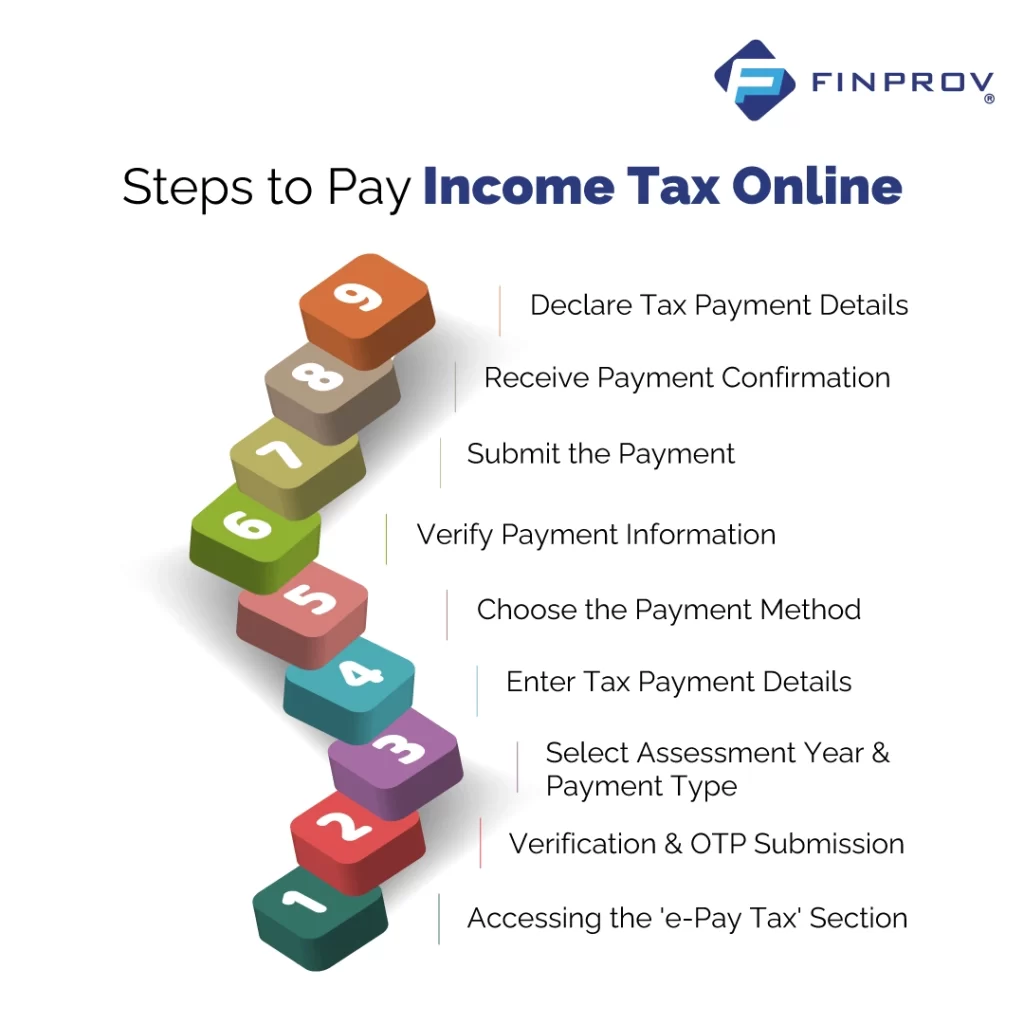
Integrating with Your Overall Financial Management
Online tax payments should not be viewed in isolation but as an integral part of your overall financial management strategy.
- Financial Software: Many personal finance software programs and budgeting apps can track tax payments, integrate with banking transactions, and provide a holistic view of your financial health. Leveraging these tools helps in forecasting tax liabilities and allocating funds accordingly.
- Tax Withholding and Estimated Payments: Regularly review your tax withholding (for employees) or adjust your estimated tax payments (for self-employed individuals) to minimize the amount owed at tax time. The goal is to avoid both large refunds (indicating too much tax was withheld, tying up your money) and large balances due (which can cause cash flow strain). Online payment systems make it easy to adjust these payments throughout the year.
- Professional Advice: Consult with a financial advisor or tax professional to optimize your tax strategy, especially if you have complex financial situations, business income, or significant investments. They can help you understand all available online payment options and how to integrate them effectively into your broader financial plan.
By understanding the available online payment mechanisms, adhering to security best practices, and strategically integrating tax payments into your financial planning, you can transform a once-daunting annual obligation into a streamlined and manageable process. The digital era has brought unprecedented convenience to tax compliance, empowering taxpayers to take greater control over their financial responsibilities.
aViewFromTheCave is a participant in the Amazon Services LLC Associates Program, an affiliate advertising program designed to provide a means for sites to earn advertising fees by advertising and linking to Amazon.com. Amazon, the Amazon logo, AmazonSupply, and the AmazonSupply logo are trademarks of Amazon.com, Inc. or its affiliates. As an Amazon Associate we earn affiliate commissions from qualifying purchases.