
Taxes – the word alone can evoke a mix of confusion, frustration, and even dread for many. Yet, understanding and effectively managing your tax obligations is a cornerstone of sound financial health. Far from being just an annual chore, thoughtful tax planning is a year-round process that can significantly impact your wealth accumulation, investment returns, and overall financial security. This comprehensive guide aims to demystify the world of taxation, providing you with the knowledge and strategies to navigate your financial duties with confidence and competence.
Whether you’re an individual employee, a self-employed professional, a small business owner, or an investor, taxes touch nearly every financial transaction and decision you make. From the income you earn to the products you buy, the property you own, and the gains you realize from investments, various forms of taxation play a critical role in funding public services and redistributing wealth. By approaching taxes not as an unavoidable burden but as an integral part of your financial strategy, you can unlock opportunities for optimization, avoid costly mistakes, and ultimately achieve greater financial well-being.
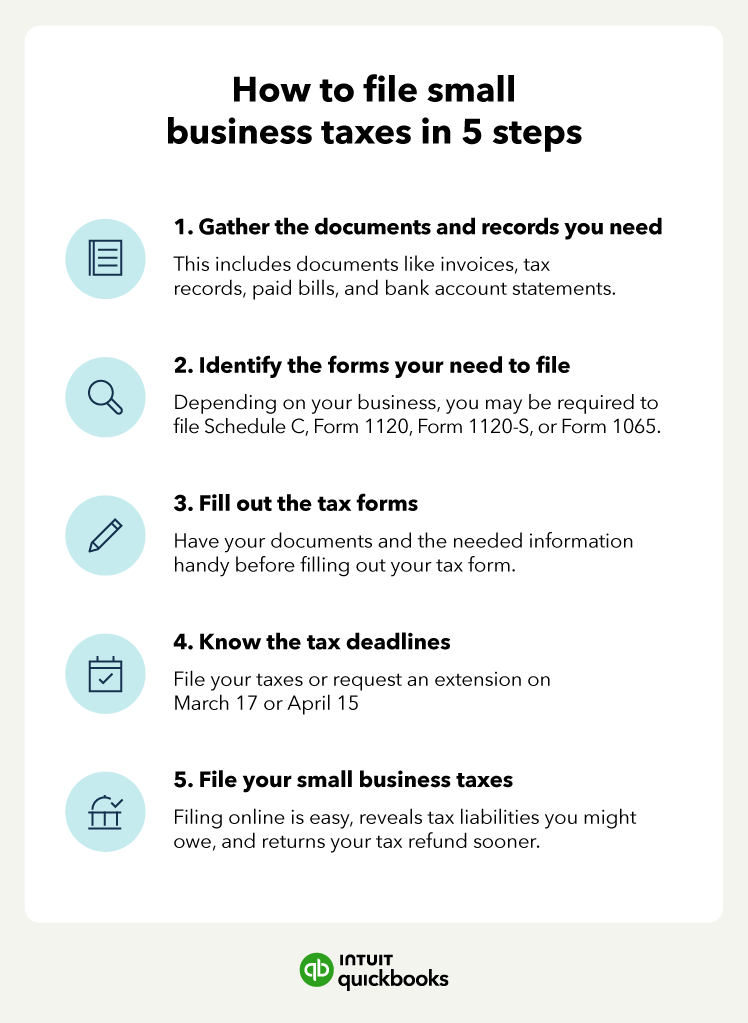
This article will break down the complex landscape of taxation into digestible components, covering everything from fundamental concepts and essential preparation steps to strategic planning and common pitfalls. Our goal is to empower you with the insights needed to not just “do tax” but to do it smartly and effectively, ensuring compliance while maximizing your financial position.
Understanding the Fundamentals of Taxation
Before diving into the mechanics of tax preparation, it’s crucial to grasp the foundational principles that govern taxation. A solid understanding of these basics provides the context necessary to make informed decisions and navigate the tax system effectively.
What is Tax and Why Do We Pay It?
At its core, a tax is a compulsory financial charge or other levy imposed on a taxpayer by a governmental organization in order to fund public expenditures. In simpler terms, taxes are how governments collect money to pay for services and infrastructure that benefit everyone, such as roads, schools, healthcare, national defense, and social welfare programs. Without taxes, these essential services would not exist. For citizens, paying taxes is a civic duty that contributes to the collective good and the functioning of society.
Types of Taxes You Might Encounter
The tax landscape is diverse, encompassing various forms that impact different aspects of your financial life. Understanding these categories is the first step toward comprehensive tax management.
- Income Tax: This is perhaps the most common tax, levied on an individual’s or company’s income or profits. For individuals, income tax often applies to wages, salaries, investment income, and self-employment earnings. Most progressive tax systems mean higher earners pay a larger percentage of their income in taxes.
- Sales Tax: A consumption tax imposed by governments on the sale of goods and services. It is typically added to the price of an item at the point of sale and collected by the vendor.
- Property Tax: Levied on real estate and sometimes personal property, this tax is typically imposed by local governments (like counties or municipalities) and is often used to fund local services such as schools, police, and fire departments.
- Capital Gains Tax: A tax on the profit realized from the sale of a non-inventory asset, such as stocks, bonds, real estate, or other investments, when the selling price exceeds the purchase price. These are often categorized as short-term (assets held for a year or less) or long-term (assets held for more than a year), with different tax rates applying.
- Payroll Taxes: Taxes paid on the wages and salaries of employees. These typically include Social Security and Medicare taxes (often called FICA in the U.S.), which fund retirement, disability, and healthcare benefits. Both employees and employers usually contribute to these taxes.
- Estate Tax/Inheritance Tax: Taxes levied on the value of a deceased person’s estate before distribution to heirs, or on the inheritance received by beneficiaries.
Key Tax Concepts: Taxable Income, Deductions, Credits, and Exemptions
Navigating your tax return requires familiarity with several critical terms that directly influence your final tax liability.
- Taxable Income: This is the portion of your gross income that is subject to taxation after all allowable deductions and exemptions have been subtracted. It’s not your total earnings, but a refined figure that forms the basis for calculating your tax.
- Deductions: Deductions reduce your taxable income. For example, if your income is $70,000 and you have $10,000 in deductions, your taxable income becomes $60,000. Deductions can be standard (a fixed amount set by the government) or itemized (specific expenses like mortgage interest, state and local taxes, or medical expenses).
- Credits: Tax credits are even more powerful than deductions because they directly reduce the amount of tax you owe, dollar for dollar. A $1,000 tax credit reduces your tax bill by $1,000, regardless of your income. Examples include child tax credits, education credits, and credits for energy-efficient home improvements. Some credits are refundable, meaning you can get money back even if you owe no tax, while others are non-refundable.
- Exemptions: Historically, exemptions reduced taxable income for the taxpayer, spouse, and dependents. While personal exemptions have been suspended in some jurisdictions (e.g., U.S. federal tax code from 2018-2025), dependent exemptions or similar relief mechanisms often remain.
Essential Steps for Personal Tax Preparation
The annual ritual of tax preparation can be significantly streamlined with a systematic approach. By understanding what’s needed and how to proceed, you can minimize stress and maximize accuracy.
Gathering Your Documents: What You Need
The foundation of accurate tax filing is comprehensive documentation. Start collecting these documents well in advance of the filing deadline:
- Income Statements: W-2s (for employees), 1099-NEC (for non-employee compensation), 1099-MISC (for miscellaneous income), 1099-INT (interest income), 1099-DIV (dividend income), K-1s (from partnerships, S corporations, or trusts), and statements for capital gains/losses.
- Deduction and Credit Records: Mortgage interest statements (1098), property tax statements, charitable contribution receipts, medical expense records, student loan interest statements, tuition statements (1098-T), and records of business expenses (for self-employed).
- Personal Information: Your Social Security Number (SSN) or Individual Taxpayer Identification Number (ITIN), and those for your spouse and dependents.
- Prior Year’s Tax Return: This is an invaluable reference for comparison, carrying over information, and ensuring consistency.
Choosing Your Filing Method: DIY vs. Professional Help
Deciding how to file your taxes depends on your comfort level, the complexity of your financial situation, and your budget.
- Do-It-Yourself (DIY): Best for individuals with straightforward tax situations (e.g., W-2 income only, standard deductions). This method offers cost savings and direct control over the process. Free filing options are often available for lower-income taxpayers.
- Tax Software and Online Filing Platforms: A popular middle ground, these tools guide you through the process with prompts, calculations, and error checks. They are suitable for moderately complex situations, including those with investments, self-employment income, or itemized deductions.
- Professional Tax Preparer: Ideal for complex tax situations (e.g., multiple businesses, international income, significant investments, estate planning) or for those who simply prefer to outsource the task. While more expensive, a professional can offer expert advice, identify overlooked deductions, and represent you in case of an audit.
Understanding Tax Software and Online Filing Platforms
Modern tax software has revolutionized personal tax preparation. Platforms like TurboTax, H&R Block Tax Software, and TaxAct guide users step-by-step, import data directly from financial institutions, and automatically calculate your tax liability or refund. They offer different versions (e.g., free, deluxe, premier) catering to varying levels of complexity. These platforms also facilitate e-filing, a secure and efficient way to submit your return directly to the tax authorities. Before choosing, consider your specific needs and compare features, pricing, and customer support.
Common Deductions and Credits for Individuals
Maximizing your deductions and credits is key to reducing your tax burden. Some common examples include:
- Standard Deduction: A fixed amount that reduces your taxable income, often chosen if your itemized deductions are less than this amount.
- Itemized Deductions: Such as mortgage interest, state and local taxes (SALT, often capped), medical expenses (exceeding a certain percentage of AGI), charitable contributions, and certain investment interest.
- Child Tax Credit: For eligible parents, this credit can significantly reduce taxes owed per qualifying child.
- Earned Income Tax Credit (EITC): A refundable credit for low-to-moderate income working individuals and families.
- Education Credits: American Opportunity Tax Credit and Lifetime Learning Credit can help offset higher education expenses.
- Retirement Savings Contributions: Contributions to traditional IRAs and 401(k)s are often tax-deductible, reducing your taxable income in the present.
The Filing Process: From Calculation to Submission
Once you’ve gathered your documents and chosen your method, the process generally follows these steps:
- Input Data: Enter all income, deduction, and credit information into your chosen software or provide it to your preparer.
- Review and Verify: Carefully review your return for accuracy. Software will typically flag potential errors or missing information.
- Calculate Tax/Refund: The system or preparer will calculate your final tax liability or refund amount.
- Sign and Submit: Electronically sign and e-file your return. If filing by mail, print, sign, and send the physical documents.
- Pay or Receive Refund: If you owe taxes, arrange payment by the deadline. If you’re due a refund, it will typically be issued via direct deposit or check within a few weeks.
Navigating Business Taxes (for Entrepreneurs and Small Business Owners)
For entrepreneurs and small business owners, tax obligations extend beyond personal income tax and involve a more intricate web of compliance requirements. The type of business entity you choose profoundly impacts your tax responsibilities.
Different Business Structures and Their Tax Implications
The legal structure of your business dictates how its income and expenses are reported and taxed.
- Sole Proprietorship: The simplest structure, where the owner and business are legally inseparable. Business income and expenses are reported on the owner’s personal tax return (e.g., Schedule C, Form 1040). The owner pays self-employment taxes (Social Security and Medicare) on net earnings.
- Partnership: Two or more owners share in the profits and losses. The partnership itself doesn’t pay income tax; instead, it files an informational return (e.g., Form 1065) and issues K-1s to partners, who then report their share of income or loss on their personal returns. Partners also pay self-employment taxes.
- Limited Liability Company (LLC): Offers liability protection similar to a corporation but with flexible tax treatment. An LLC can be taxed as a sole proprietorship (single-member LLC), partnership (multi-member LLC), S-corporation, or C-corporation. The tax implications depend on this election.
- S Corporation: A “pass-through” entity, meaning profits and losses are passed directly to the owners’ personal income without being subject to corporate tax rates. Owners can be employees of the S-corp, receiving a salary (subject to payroll taxes) and distributions (not subject to self-employment tax), offering potential tax savings.
- C Corporation: A separate legal entity from its owners. The corporation pays taxes on its profits, and shareholders pay taxes again on dividends received (known as “double taxation”). While more complex, C-corps offer significant flexibility for growth, fundraising, and employee benefits.

Understanding Estimated Taxes
If you’re self-employed, a freelancer, or earn income that isn’t subject to withholding (like rental income or significant investment gains), you’re generally required to pay estimated taxes throughout the year. This involves calculating your expected tax liability (income tax, self-employment tax) and paying it in quarterly installments. Failing to pay enough estimated tax can result in penalties.
Payroll Taxes and Employee Withholding
Businesses with employees have additional responsibilities related to payroll taxes. This includes:
- Withholding: Deducting federal income tax, state income tax (if applicable), Social Security, and Medicare taxes from employees’ wages.
- Employer Contributions: Paying the employer’s share of Social Security and Medicare taxes, as well as federal and state unemployment taxes.
- Reporting and Remittance: Regularly reporting these taxes to the government and remitting the collected funds.
Sales Tax Collection and Remittance (if applicable)
If your business sells tangible goods or certain services, you may be required to collect sales tax from customers and remit it to the relevant state and local authorities. Rules vary significantly by jurisdiction regarding what is taxable, the applicable rates, and filing frequencies. Understanding your “nexus” (the connection your business has to a state that obligates it to collect sales tax) is crucial for online businesses.
Maximizing Business Deductions
Businesses can significantly reduce their taxable income by claiming legitimate business expenses. Common deductions include:
- Operating Expenses: Rent, utilities, office supplies, advertising, legal and accounting fees, insurance premiums.
- Employee-Related Costs: Salaries, wages, benefits, employer-related payroll taxes.
- Home Office Deduction: If you use a portion of your home exclusively and regularly for business, you may be able to deduct a percentage of relevant home expenses.
- Mileage and Travel: Business-related travel, vehicle expenses.
- Depreciation: Deducting the cost of business assets (e.g., equipment, vehicles, buildings) over their useful life.
- Qualified Business Income (QBI) Deduction: Certain pass-through entities may be eligible for a deduction on qualified business income.
Maintaining meticulous records of all income and expenses is paramount for both compliance and maximizing deductions.
Strategic Tax Planning for Financial Well-being
Effective tax management isn’t just about filing an accurate return; it’s about strategic planning throughout the year to optimize your financial position.
Year-Round Tax Planning Strategies
Proactive tax planning can yield substantial benefits:
- Estimate Income and Expenses: Regularly review your projected income and expenses to adjust withholding or estimated tax payments as needed.
- Tax-Loss Harvesting: Sell losing investments to offset capital gains and potentially a limited amount of ordinary income.
- Charitable Giving: Strategize your donations to maximize tax benefits, potentially through a donor-advised fund or Qualified Charitable Distributions (QCDs) from an IRA.
- Review Withholding: Adjust your W-4 form with your employer to ensure the correct amount of tax is withheld from each paycheck, avoiding a large refund (which means you’ve overpaid the government interest-free) or a large tax bill.
- Keep Excellent Records: This cannot be stressed enough. Organized records simplify tax preparation and are invaluable in case of an audit.
Impact of Life Events on Your Taxes
Significant life changes can have profound tax implications, making it essential to adjust your financial strategy accordingly.
- Marriage: Changes your filing status, potentially impacting deductions, credits, and even your tax bracket.
- Buying a Home: May qualify you for deductions like mortgage interest and property taxes.
- Having Children: Opens up opportunities for credits like the Child Tax Credit and potentially deductions for childcare expenses.
- Retirement: Shifts in income sources (pensions, Social Security, withdrawals from retirement accounts) require careful tax planning.
- Starting a Business: As discussed, dramatically changes your tax obligations and opportunities for deductions.
- Selling Investments/Assets: Triggers capital gains or losses, requiring careful tracking and reporting.
Leveraging Tax-Advantaged Accounts
One of the most powerful strategies for long-term wealth building is utilizing accounts designed with specific tax benefits.
- 401(k)s and IRAs (Individual Retirement Accounts):
- Traditional: Contributions are often tax-deductible in the year they are made, reducing current taxable income. Earnings grow tax-deferred until withdrawal in retirement, at which point they are taxed as ordinary income.
- Roth: Contributions are made with after-tax dollars, meaning no upfront deduction. However, qualified withdrawals in retirement are entirely tax-free, including all earnings.
- Health Savings Accounts (HSAs): Available to individuals with high-deductible health plans, HSAs offer a powerful “triple tax advantage”: contributions are tax-deductible, earnings grow tax-free, and qualified medical withdrawals are tax-free. Unused funds can be invested and rolled over year after year, effectively becoming a retirement savings vehicle for healthcare expenses.
- 529 Plans: Designed for education savings, contributions grow tax-free, and withdrawals for qualified educational expenses are also tax-free. Many states also offer a tax deduction for contributions to their state’s 529 plan.
What to Do if You Owe Money or Are Due a Refund
- If you owe taxes: Pay on time! Penalties and interest can accrue quickly for late payments. If you can’t pay the full amount, consider an installment agreement with the tax authority.
- If you’re due a refund: Congratulations! You can opt for direct deposit for the quickest receipt. Consider how to best use your refund: pay down debt, boost emergency savings, or invest for your future.
Common Tax Mistakes to Avoid and Resources for Help
Even with careful planning, mistakes can happen. Being aware of common pitfalls and knowing where to turn for help can save you significant time, money, and stress.
Pitfalls to Steer Clear Of
- Failing to File: Even if you can’t pay, file your return on time to avoid failure-to-file penalties, which are often much steeper than failure-to-pay penalties.
- Incorrect Filing Status: Choosing the wrong filing status can lead to incorrect tax calculations and missed deductions/credits.
- Missing Deductions or Credits: Overlooking eligible deductions or credits is like leaving money on the table.
- Poor Record Keeping: Lack of organized records can lead to missed deductions, errors, and difficulties during an audit.
- Not Reporting All Income: This is a serious error that can lead to significant penalties and legal issues. All income, regardless of source, must be reported.
- Ignoring Estimated Taxes: For self-employed individuals, underpaying estimated taxes can result in penalties.
- Falling for Scams: Be wary of suspicious emails, calls, or texts claiming to be from tax authorities, especially those demanding immediate payment or personal information.
When to Seek Professional Tax Advice
While many can manage their taxes independently, certain situations warrant professional assistance:
- Complex Financial Situations: Owning multiple businesses, significant investment portfolios, international income, or complex trusts.
- Major Life Changes: Marriage, divorce, inheritance, starting a business, or selling substantial assets.
- Audit Notification: If you receive an audit notice, a professional can represent you and guide you through the process.
- Uncertainty or Lack of Time: If you’re unsure about specific tax rules or simply don’t have the time to dedicate to thorough tax preparation, a professional can provide peace of mind.
- Desire for Strategic Planning: A good tax advisor can help you develop long-term tax strategies that align with your overall financial goals.

Official Resources and Further Learning
Reliable information is crucial. Always consult official sources for the most accurate and up-to-date tax guidance for your specific jurisdiction.
- Government Tax Websites: (e.g., IRS.gov in the U.S., HMRC.gov.uk in the UK, CRA-ARC.gc.ca in Canada). These sites offer forms, publications, FAQs, and taxpayer assistance.
- Taxpayer Advocate Service (TAS): An independent organization within tax authorities that helps taxpayers resolve problems with the tax agency.
- Low Income Taxpayer Clinics (LITCs): Offer free or low-cost assistance to eligible individuals.
- Reputable Financial News Outlets and Books: Many financial publications and books provide excellent overviews and deep dives into tax planning strategies.
In conclusion, “how to do tax” is more than a simple query; it’s an invitation to take control of a vital aspect of your financial life. By understanding the fundamentals, meticulously preparing, planning strategically, and knowing when to seek expert help, you can transform the daunting task of tax management into a powerful tool for achieving your financial aspirations. Embrace the process, stay informed, and make your taxes work for you.
aViewFromTheCave is a participant in the Amazon Services LLC Associates Program, an affiliate advertising program designed to provide a means for sites to earn advertising fees by advertising and linking to Amazon.com. Amazon, the Amazon logo, AmazonSupply, and the AmazonSupply logo are trademarks of Amazon.com, Inc. or its affiliates. As an Amazon Associate we earn affiliate commissions from qualifying purchases.