
Navigating the landscape of tax payments can often feel complex, yet it’s a fundamental aspect of personal and business finance. When you file your annual tax return, or even your quarterly estimated taxes, you might discover you owe the government money. Understanding the various methods available to satisfy this obligation is crucial not only for compliance but also for financial peace of mind. Timely and accurate payment helps you avoid penalties, interest, and unnecessary stress. This guide delves into the primary avenues for settling your tax bill, offering insights into each method and strategic approaches to manage your tax liabilities effectively.

Understanding Your Tax Obligation
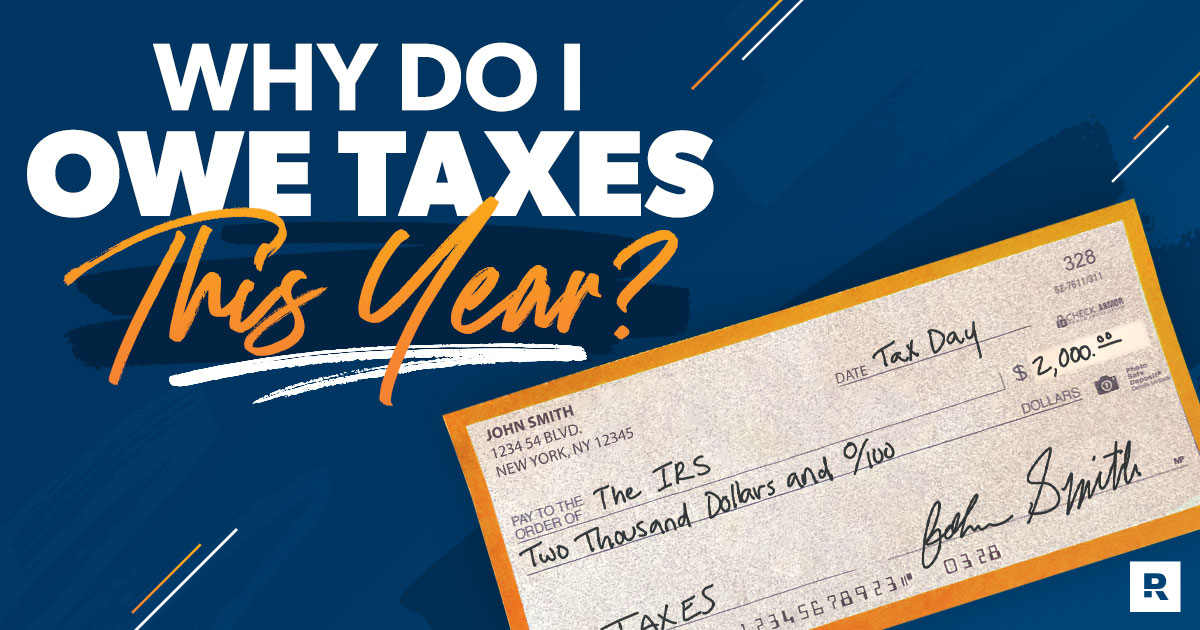
The phrase “taxes you owe” refers to the balance due to the Internal Revenue Service (IRS) and, potentially, state and local tax authorities after you’ve calculated your total tax liability, applied any credits, and accounted for any payments already made through withholding or estimated tax payments. This obligation can arise for various reasons, whether you are an individual employee, self-employed, a small business owner, or an investor. For individuals, under-withholding from your paychecks throughout the year or unexpected income from investments or side hustles can lead to a balance due. For businesses, income tax, payroll tax, sales tax, and other levies contribute to their overall tax burden. Failing to address these obligations by the stipulated deadlines can result in costly penalties and interest, making proactive financial planning and prompt payment essential.
Common Methods for Individuals
For most individual taxpayers, the IRS offers a variety of convenient ways to pay federal taxes. The choice often comes down to ease of use, cost, and personal preference for how financial transactions are handled.
Electronic Payment Options
Electronic payments have become the preferred method for many due to their speed, security, and convenience. They offer immediate confirmation and reduce the risk of lost mail.
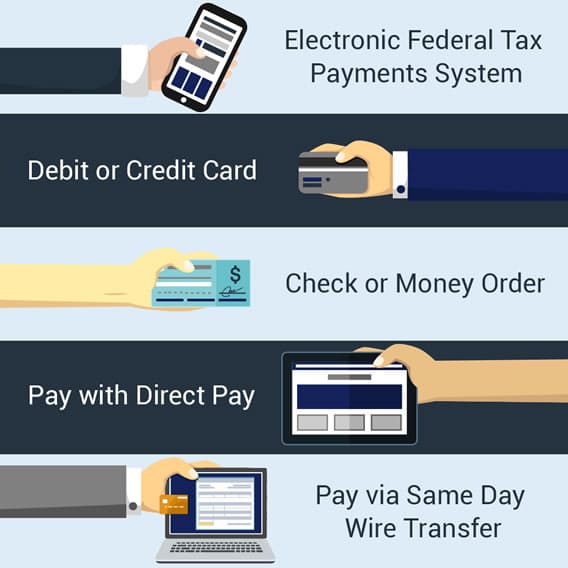
- IRS Direct Pay: This free service allows you to make direct debit payments from your checking or savings account. It’s straightforward to use, does not require pre-registration, and offers email confirmation of your payment. You can schedule payments up to 365 days in advance, making it ideal for proactive tax planning. Direct Pay can be used for Form 1040 series taxes, estimated tax payments (Form 1040-ES), and various other federal tax payments.
- Electronic Federal Tax Payment System (EFTPS): While often used by businesses, individuals can also enroll in EFTPS. This system offers more features, such as the ability to review your payment history, but it requires advance enrollment (which can take several days). Once enrolled, you can schedule payments up to 365 days in advance and make payments for all federal taxes. EFTPS is particularly useful for those who regularly make estimated tax payments.
- Credit or Debit Card Payments: You can pay your federal taxes using a credit card, debit card, or digital wallet (like PayPal) through one of the IRS-approved third-party payment processors. While convenient, these processors charge a convenience fee, which varies depending on the processor and the type of card used. This option might be attractive if you need to pay taxes and want to earn credit card rewards, or if you need to delay payment by utilizing your credit card’s billing cycle, albeit with the added fee.
- Tax Software Payments: Many popular tax preparation software programs (e.g., TurboTax, H&R Block) integrate payment options directly into their filing process. When you e-file your return and indicate a balance due, you can often authorize a direct debit from your bank account or pay via credit/debit card directly through the software. This streamlines the process, ensuring your payment details are linked correctly to your return.
Payment by Mail
While less common than electronic methods, paying by mail remains an option for those who prefer traditional methods or lack access to electronic services.
- Checks or Money Orders: If you choose to pay by mail, make your check or money order payable to “U.S. Treasury.” Ensure your name, address, daytime phone number, Social Security number (SSN), the tax year, and the related tax form (e.g., “2023 Form 1040”) are clearly written on your payment. Do not staple or attach your payment to your tax return.
- Form 1040-V Payment Voucher: When mailing a payment for your income tax balance, always include Form 1040-V, Payment Voucher. This form helps the IRS correctly apply your payment to your account. Fill out the voucher completely and enclose it with your payment.
- Mailing Address: The correct mailing address depends on your state of residence and the type of tax form you are submitting. The IRS provides specific addresses in the instructions for each tax form. It’s crucial to use the correct address to ensure your payment is received and processed without delay.
Other Considerations for Individuals
Life circumstances don’t always align with tax deadlines. The IRS offers options for those facing financial difficulties.
- Installment Agreements: If you cannot pay your tax liability in full by the due date, you may be able to set up a monthly payment plan, known as an installment agreement. This allows you to make smaller, more manageable payments over time, though interest and penalties will still accrue until the balance is paid in full. You can apply for an installment agreement online, by phone, or by mail.
- Offer in Compromise (OIC): An OIC allows certain taxpayers to resolve their tax liability with the IRS for a lower amount than what they originally owe. This option is typically available only to taxpayers who are experiencing significant financial hardship and can demonstrate that they genuinely cannot pay their full tax debt. It’s a complex process that usually requires professional assistance.
- Estimated Taxes: For self-employed individuals, gig workers, investors, and others who don’t have taxes withheld from their income, estimated taxes are crucial. These taxes are paid quarterly throughout the year (using Form 1040-ES) to cover income not subject to withholding. Failure to pay sufficient estimated taxes can result in underpayment penalties.
Business Tax Payment Methods
Businesses, from sole proprietors to corporations, have distinct tax obligations and payment methods, often with stricter electronic payment requirements.
Federal Business Taxes
Most businesses are required to pay federal taxes electronically, especially for payroll and corporate income taxes.
- EFTPS (Electronic Federal Tax Payment System): EFTPS is mandatory for most businesses to make federal tax deposits, including employment taxes, corporate income tax, and excise taxes. Businesses must enroll in EFTPS, and deposits are typically due several days before the actual tax payment date to allow for processing. This system ensures timely and accurate payment of significant business tax liabilities.
- Online Payment via Tax Software: Similar to individuals, many business tax preparation software solutions allow for direct electronic payment of federal business taxes when filing. This can include direct debit or integration with EFTPS for seamless remittance.
- Electronic Funds Withdrawal (EFW): If a business e-files its federal tax return (e.g., Form 1120 for corporations), it can often choose to pay its balance due via EFW. This option authorizes the IRS to withdraw the payment directly from the business’s bank account on a specified date.
- Mail: While most larger businesses are mandated to use EFTPS for deposits, some smaller businesses or specific tax forms might still allow payment by check or money order. Similar to individuals, checks should be made payable to the “U.S. Treasury” and include the business’s Employer Identification Number (EIN), the tax period, and the form number.
State and Local Taxes
Business tax obligations extend beyond federal requirements to state and often local jurisdictions. Payment methods for these can vary significantly.
- Vary Widely by State/Locality: Each state and many local governments have their own tax agencies, rules, and payment systems. Businesses must research and comply with the specific requirements for sales tax, payroll tax, corporate income tax, property tax, and other local levies in each jurisdiction where they operate.
- Electronic Portals: Most states now offer dedicated online portals for businesses to file returns and make payments. These portals often support direct debit from bank accounts, credit/debit card payments, and sometimes specific ACH credit options.
- Direct Debit/Proprietary Systems: Many states prefer or mandate direct debit for certain business taxes. Some may also use proprietary payment systems or work with specific third-party vendors for processing.
- Sales Tax, Payroll Tax, Corporate Income Tax: Businesses must manage various state taxes. Sales tax is collected from customers and remitted to the state. Payroll tax (state unemployment tax, state disability insurance, etc.) is typically paid periodically. Corporate income tax is often paid quarterly or annually, similar to federal estimated taxes.
Strategies for Managing Tax Payments
Effective tax management is an ongoing process that extends beyond simply making a payment on time. It involves proactive planning and smart financial habits.
Budgeting and Saving for Taxes
One of the most effective strategies is to anticipate your tax liability and set aside funds throughout the year.
- Setting Aside a Percentage of Income: For self-employed individuals or those with significant supplemental income, it’s wise to set aside a fixed percentage of every payment received into a separate savings account specifically for taxes. Many financial advisors recommend saving 25-35% or even more, depending on your income level and deductions.
- High-Yield Savings Accounts for Tax Funds: Storing your tax savings in a high-yield savings account can allow your money to grow, even if minimally, until it’s time to pay your taxes. This also psychologically separates your tax money from your operational or personal funds.
- Estimating Your Tax Liability Throughout the Year: Don’t wait until April 15th to calculate your tax bill. Use online calculators or consult with a professional to estimate your income and deductions quarterly. This foresight allows you to adjust your savings and avoid surprises.
Payroll Withholding Adjustments
For employees, adjusting your W-4 form can be a powerful tool to manage your tax payments throughout the year.
- Using Form W-4 to Adjust Withholdings: Review your Form W-4 annually or whenever there’s a significant life change (marriage, new child, new job). Adjusting your allowances can help ensure that the correct amount of tax is withheld from each paycheck, minimizing the likelihood of a large refund (which means you’ve overpaid and given the government an interest-free loan) or a large balance due.
- Avoiding Under-withholding or Over-withholding: The goal is to match your withholdings as closely as possible to your actual tax liability. Under-withholding can lead to penalties, while significant over-withholding ties up money that could be invested or used for other financial goals throughout the year.
Professional Guidance
Tax laws are intricate and constantly evolving. Leveraging professional expertise can save both time and money.
- When to Consult a Tax Professional: If your financial situation is complex (e.g., owning a business, significant investments, multiple income streams, international income, or facing an audit), a tax professional (such as a CPA or Enrolled Agent) can provide invaluable guidance.
- Benefits of Tax Planning: A good tax professional doesn’t just prepare your taxes; they engage in tax planning. This involves strategizing throughout the year to minimize your tax liability legally, identify eligible deductions and credits, and advise on optimal payment strategies.
Navigating Penalties and Extensions
Even with careful planning, sometimes circumstances can lead to challenges in meeting tax obligations. Understanding penalties and extensions is vital.
Penalties for Late Payment and Underpayment
The IRS imposes penalties to encourage timely compliance.
- Failure to Pay Penalty: If you don’t pay your taxes by the due date, you may face a failure to pay penalty, which is 0.5% of the unpaid taxes for each month or part of a month that taxes remain unpaid, capped at 25% of your unpaid tax. Interest also accrues on unpaid taxes.
- Underpayment Penalty (Estimated Taxes): If you don’t pay enough tax through withholding and estimated tax payments throughout the year, you may be charged an underpayment penalty. This typically applies if you owe at least $1,000 in tax when you file. There are safe harbor rules that can help you avoid this penalty, such as paying at least 90% of your current year’s tax liability or 100% (or 110% for higher earners) of your prior year’s tax liability.
- Interest on Unpaid Taxes: In addition to penalties, the IRS charges interest on underpayments and unpaid taxes. The interest rate can change quarterly and is typically tied to the federal short-term rate plus 3 percentage points.
Requesting an Extension to File (Not to Pay)
It’s crucial to distinguish between an extension to file and an extension to pay.
- Form 4868 for Individuals: If you need more time to prepare your federal income tax return, you can request an automatic six-month extension by filing Form 4868, Application for Automatic Extension of Time To File U.S. Individual Income Tax Return, by the original due date.
- Extension Grants More Time to File, Not to Pay: An extension to file does not grant you an extension of time to pay your taxes. You must still estimate your tax liability and pay any taxes you owe by the original deadline to avoid failure-to-pay penalties and interest. If you don’t pay by the original deadline, penalties and interest will begin to accrue from that date, even if you have an extension to file.
- Estimate Tax and Pay by the Original Deadline: When filing Form 4868, it’s essential to make a good faith estimate of your tax liability and pay any amount you think you’ll owe. This proactive step can significantly reduce or eliminate penalties, allowing you the necessary time to finalize your return without incurring additional costs.
Paying taxes you owe is an unavoidable responsibility, but by understanding the available payment methods, managing your finances strategically, and knowing your options for extensions and financial relief, you can meet your obligations efficiently and avoid unnecessary complications. Proactive planning, leveraging electronic tools, and seeking professional advice are key components of a sound financial strategy that encompasses your tax responsibilities.
aViewFromTheCave is a participant in the Amazon Services LLC Associates Program, an affiliate advertising program designed to provide a means for sites to earn advertising fees by advertising and linking to Amazon.com. Amazon, the Amazon logo, AmazonSupply, and the AmazonSupply logo are trademarks of Amazon.com, Inc. or its affiliates. As an Amazon Associate we earn affiliate commissions from qualifying purchases.