
Navigating the complexities of personal finance often brings forth a crucial question: “How much do I owe the IRS?” For many, this isn’t just a matter of curiosity; it’s a foundational element of sound financial health and peace of mind. Proactively understanding your tax obligations to the Internal Revenue Service (IRS) is essential, not only for fulfilling your civic duty but also for avoiding potential penalties, interest charges, and the stress associated with unmanaged debt. This comprehensive guide will walk you through the official channels and best practices for determining your precise tax liability, ensuring you remain informed and in control of your financial standing with the nation’s primary tax collection agency.
The Indispensable Value of Knowing Your IRS Balance
Understanding your current tax balance with the IRS is more than just good practice; it’s a critical component of robust personal financial management. Ignoring potential tax debts can lead to significant financial repercussions, while staying informed empowers you to make timely decisions and manage your finances effectively.
Why Proactive Knowledge is Power
Knowing your IRS balance proactively allows you to plan. Whether it’s setting aside funds, adjusting your budget, or exploring payment options, early awareness provides the necessary lead time. It helps prevent surprises during tax season or when an unexpected notice arrives. This foresight enables you to maintain a healthy credit profile, avoid enforced collection actions like liens or levies, and ensure you remain in good standing with federal tax laws. For business owners, this knowledge is even more critical, impacting cash flow and operational stability. It’s about being an active participant in your financial journey rather than a passive recipient of its outcomes.
Common Scenarios Leading to IRS Debt
Several common situations can lead to an unexpected tax bill from the IRS. One of the most frequent is insufficient withholding or estimated tax payments throughout the year. If you’re an employee, your W-4 form dictates how much tax is withheld from each paycheck; if you claim too many allowances or don’t adjust it after a life event (like marriage or having a child), you might underpay. For self-employed individuals, freelancers, or those with significant investment income, failing to make adequate quarterly estimated tax payments is a common culprit. Other scenarios include unreported income, errors on your filed tax return, or changes in tax law that you weren’t aware of. Sometimes, a seemingly minor oversight can compound into a substantial liability, underscoring the importance of vigilance.
Understanding Penalties and Interest
One of the most compelling reasons to ascertain your IRS balance is to comprehend and mitigate the impact of penalties and interest. The IRS charges penalties for various reasons, including failure to file on time, failure to pay on time, and accuracy-related issues. The “failure to pay” penalty is typically 0.5% of the unpaid taxes for each month or part of a month that taxes remain unpaid, maxing out at 25% of your unpaid tax. Interest is also charged on underpayments and applies to any unpaid tax from the due date of the return until the date of payment. The interest rate can change quarterly and is typically the federal short-term rate plus 3 percentage points. These charges can significantly inflate your original tax debt, making prompt identification and resolution of any outstanding balance absolutely vital.
Official Avenues to Ascertain Your IRS Debt
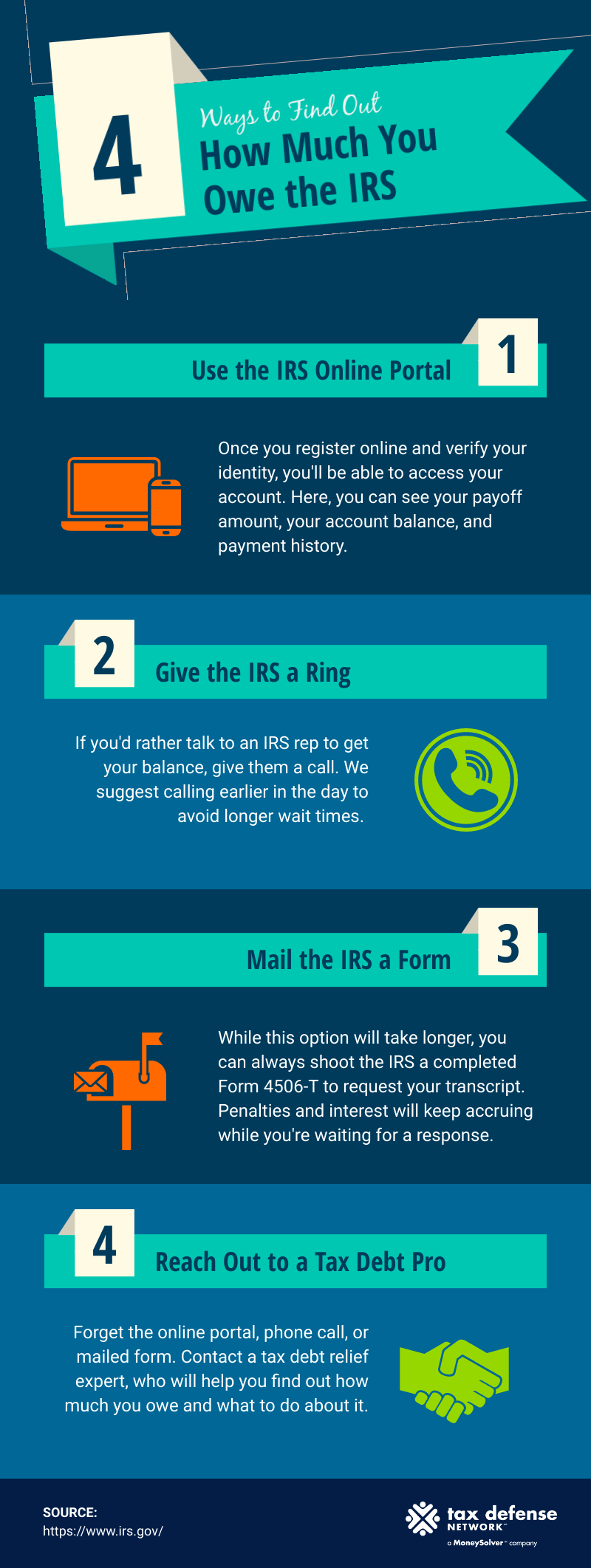
The IRS provides several official and secure channels for taxpayers to check their account balance and understand their tax obligations. Utilizing these established methods ensures you receive accurate information directly from the source.
The IRS Online Account: Your Digital Hub
The most convenient and comprehensive method to check your IRS balance is through your personalized IRS Online Account. This secure portal, accessible via the IRS website (IRS.gov), allows individual taxpayers to:
- View your balance, including any interest and penalties, for the current tax year and up to 10 prior tax years.
- See your payment history and any scheduled or pending payments.
- Access key tax records, including tax transcripts.
- View digital copies of select IRS notices.
- Make payments directly from your bank account or by debit/credit card.
- Set up or modify a payment plan.
To create an account, you’ll need to go through an identity verification process, which typically involves providing personal information, financial account details (like a credit card or loan account number), and a mobile phone. Once set up, this portal becomes an invaluable tool for managing your federal tax obligations.
Deciphering Tax Transcripts
An alternative, albeit more detailed, way to understand your tax history and potential balances is by ordering your tax transcripts. While not a direct “balance owed” statement, a “Record of Account” transcript combines information from your tax return with any subsequent adjustments made by you or the IRS, including payments. This can help you piece together your financial interactions with the IRS and identify any outstanding amounts.
You can request transcripts online, by mail, or by phone. The “Account Transcript” will show most tax return line items, payment types, and other transactions for a specific tax year. Reviewing these documents carefully can often reveal the source and status of any outstanding balances or adjustments that might contribute to a debt.
Interpreting IRS Notices and Letters
The IRS primarily communicates official information, including outstanding balances, through mailed notices and letters. If you owe the IRS, you will almost certainly receive a notice detailing the amount due, the reason for the debt, and instructions on how to pay. Common notices indicating a balance due include:
- CP14 (Balance Due): The most common notice, indicating you owe money.
- CP2000 (Underreporter Inquiry): Suggests discrepancies between income reported by third parties (e.g., employers, banks) and what you reported on your return.
- Letter 1153 (Final Notice of Intent to Levy): A serious letter indicating the IRS intends to seize assets if the debt is not paid.
It is crucial to read these notices carefully, as they contain specific instructions and deadlines. Do not ignore them; respond promptly or seek professional advice if you don’t understand the content.
Direct Communication: Phone and Mail Inquiries
While less immediate than the online account, you can always contact the IRS directly by phone or mail to inquire about your balance.
- By Phone: You can call the IRS Taxpayer Assistance line. Be prepared for potentially long wait times, especially during peak tax season. You will need to verify your identity, so have your Social Security number, date of birth, and previous tax return information handy.
- By Mail: You can write to the IRS to request your account balance. This is the slowest method and generally not recommended for urgent inquiries, but it provides a written record of your request.
Always use certified mail with a return receipt if sending sensitive information or payments to the IRS via postal service.

Engaging with Tax Professionals for Expert Guidance
While the IRS provides direct tools, the complexity of tax law and individual financial situations often warrant the expertise of a qualified tax professional. They can offer invaluable assistance in understanding, verifying, and resolving your tax obligations.
When a CPA or Enrolled Agent Becomes Essential
There are specific circumstances where professional help is not just beneficial, but often essential. If you receive an IRS notice that you don’t understand, suspect an error on your tax return (or the IRS’s assessment), are facing significant tax debt, or are dealing with complex issues like audits, liens, or levies, a tax professional should be your first call. Similarly, if you own a business, have international income, or have experienced a major life event that impacts your taxes, a professional can ensure compliance and identify potential issues before they escalate. Their expertise can save you time, money, and considerable stress, especially when navigating the intricacies of tax law.
The Scope of Professional Assistance
A qualified tax professional—such as a Certified Public Accountant (CPA) or an Enrolled Agent (EA)—can provide a wide range of services. They can securely access your IRS records with your authorization, verify the accuracy of the IRS’s stated balance, and explain the intricacies of any penalties or interest. They can also represent you before the IRS, communicate on your behalf, and negotiate payment plans or other resolution options. Beyond just clarifying your debt, they can help amend past tax returns if errors are found, provide strategic advice to prevent future tax issues, and offer comprehensive tax planning to optimize your financial position. Their in-depth knowledge and experience can be a critical asset in managing your relationship with the IRS effectively.
Navigating and Resolving Your IRS Tax Debt
Discovering you owe the IRS can be daunting, but it’s a situation with clearly defined resolution paths. The key is to act promptly and understand the options available to you.
Exploring IRS Payment Options
The IRS offers several options for taxpayers who cannot pay their tax debt in full immediately:
- Full Payment: If possible, paying your tax liability in full is always the best option, as it stops the accrual of penalties and interest. You can pay online, by phone, or by mail.
- Short-Term Payment Plan: If you can pay your balance within 180 days, you might be granted a short-term payment extension. While this extends the payment deadline, interest and penalties still apply.
- Installment Agreement: If you need more than 180 days, you can request an installment agreement. This allows you to make monthly payments for up to 72 months. While penalties and interest still apply, the failure-to-pay penalty is usually reduced. You can apply for an installment agreement online via your IRS Online Account.
- Offer in Compromise (OIC): An OIC allows certain taxpayers to resolve their tax liability with the IRS for a lower amount than what they originally owe. An OIC is typically granted when taxpayers are experiencing significant financial hardship and the IRS believes it’s unlikely they will ever be able to pay the full amount. This is a complex process and usually requires professional assistance.
- Currently Not Collectible (CNC) Status: In extreme cases of financial hardship, the IRS may determine that you are currently unable to pay your tax debt and place your account in CNC status. This means the IRS will temporarily stop collection efforts, though interest and penalties will continue to accrue.
Understanding these options is crucial for developing a realistic plan to address your debt and prevent further financial strain.
Strategies for Preventing Future Tax Liabilities
Preventing future tax debt is just as important as resolving current ones. Proactive strategies can help you avoid unwelcome surprises each tax season.
- Adjust Your Withholding: For employees, regularly review your W-4 form, especially after life changes like marriage, divorce, a new job, or having children. The IRS Tax Withholding Estimator tool can help you determine the correct amount to have withheld from your paychecks.
- Make Estimated Tax Payments: If you are self-employed, have significant investment income, or earn income not subject to withholding, make quarterly estimated tax payments to cover your tax obligations throughout the year.
- Keep Meticulous Records: Organize all income statements, expense receipts, and financial documents throughout the year. Good record-keeping simplifies tax preparation and provides necessary documentation if questions arise.
- Understand Tax Laws and Credits: Stay informed about changes in tax law that might affect you. Explore applicable tax credits and deductions that could reduce your taxable income.
- Consult a Tax Professional Annually: Even if you don’t owe the IRS, an annual check-in with a tax professional can help optimize your tax strategy, identify potential issues, and ensure compliance.
Best Practices for Ongoing Tax Health
Maintaining good tax health is an ongoing process that extends beyond simply filing a return each year. It involves vigilance, organization, and forward-thinking.
Meticulous Record-Keeping
The cornerstone of effective tax management is thorough record-keeping. Keep all financial documents related to income, expenses, deductions, and credits organized for a minimum of three years from the date you filed your original return or two years from the date you paid the tax, whichever is later. For certain assets or activities, this period can be even longer. This includes W-2s, 1099s, bank statements, receipts for deductible expenses, investment statements, and records of any estimated tax payments. Digital copies backed up in a secure cloud storage solution are often preferable to purely paper records, offering easier access and greater security against loss or damage.
Vigilance Against Scams
The IRS will never initiate contact with you via email, text message, or social media to request personal or financial information. They also will not demand immediate payment over the phone, threaten legal action or arrest for unpaid taxes, or require specific payment methods like gift cards. Any such contact is a scam. If you receive suspicious communications, do not respond, click on links, or open attachments. Report them to the Treasury Inspector General for Tax Administration (TIGTA). Always go directly to IRS.gov or call official IRS phone numbers to verify any concerns about your account. Protecting your identity and finances from fraudsters is a crucial aspect of tax health.
The Role of Year-Round Tax Planning
Tax planning should not be a once-a-year event; it’s a continuous process. Throughout the year, consider how financial decisions, such as buying a home, selling investments, starting a business, or making charitable donations, will impact your tax liability. Adjust your withholding or estimated payments as needed. Maximize contributions to tax-advantaged accounts like 401(k)s and IRAs. Review your capital gains and losses strategically. Engaging in year-round tax planning, ideally with the guidance of a professional, can help you legally minimize your tax burden, avoid penalties, and ensure you’re always prepared for tax season.
By leveraging the official resources available and adopting a proactive, informed approach, checking and managing your IRS tax obligations becomes a straightforward and empowering aspect of your overall financial well-being.
aViewFromTheCave is a participant in the Amazon Services LLC Associates Program, an affiliate advertising program designed to provide a means for sites to earn advertising fees by advertising and linking to Amazon.com. Amazon, the Amazon logo, AmazonSupply, and the AmazonSupply logo are trademarks of Amazon.com, Inc. or its affiliates. As an Amazon Associate we earn affiliate commissions from qualifying purchases.