
In today’s dynamic economy, accepting credit card payments is not merely a convenience; it’s a fundamental necessity for nearly every business, from fledgling startups and online entrepreneurs to established brick-and-mortar stores. The ability to process card transactions directly impacts sales volume, customer satisfaction, and ultimately, your financial bottom line. Navigating the complex world of credit card processing, however, requires a clear understanding of its financial mechanisms, associated costs, and the strategic choices that can optimize profitability.
Navigating the Core Components of Credit Card Processing
Before diving into specific solutions, it’s crucial to grasp the fundamental financial ecosystem that facilitates every credit card transaction. This intricate network involves multiple parties, each playing a distinct role and often taking a share of the transaction value. Understanding these components is the first step toward managing costs effectively.
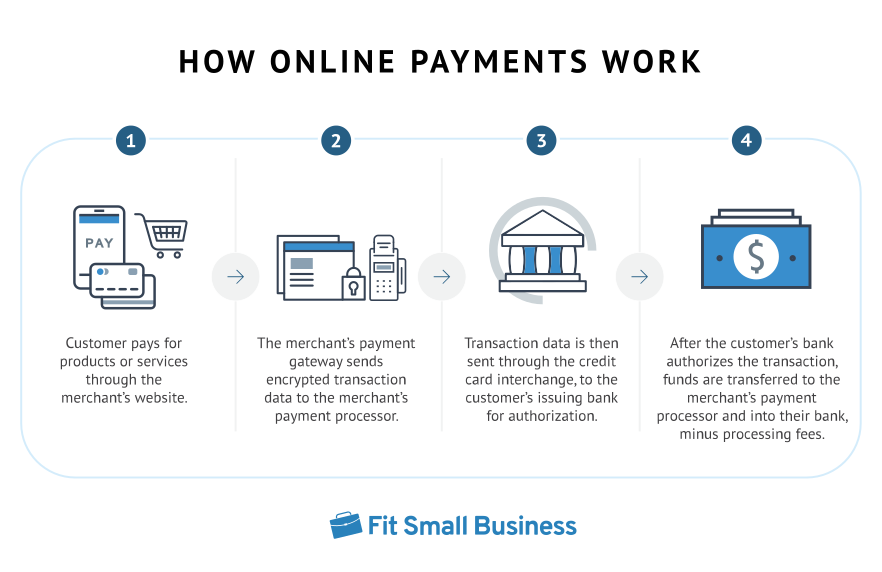
The Ecosystem of Financial Transactions
When a customer swipes, taps, or enters their credit card details, a sophisticated, near-instantaneous financial ballet unfolds:
- Cardholder: The customer initiating the payment.
- Merchant: Your business, receiving the payment.
- Issuing Bank: The financial institution that issued the credit card to the cardholder (e.g., Chase, Wells Fargo). They approve or decline the transaction based on the cardholder’s available credit.
- Payment Network (Card Brand): Major card brands like Visa, Mastercard, American Express, and Discover act as intermediaries, setting interchange rates and ensuring the secure transmission of transaction data between banks.
- Payment Processor (Acquirer): This is the financial institution or service provider (e.g., Stripe, Square, PayPal, or a traditional merchant acquirer) that processes the transaction on behalf of your business. They have a direct relationship with the acquiring bank.
- Acquiring Bank: The bank that holds the merchant’s account and receives funds from the issuing bank on behalf of the merchant.
Each of these entities plays a vital role in verifying the transaction, moving funds, and ensuring compliance, all while incurring a cost that is ultimately passed on to the merchant.
Understanding the Cost Structure: Interchange, Assessment, and Processor Fees
The cost of accepting credit card payments is rarely a single, straightforward fee. Instead, it’s a layered structure that impacts your business finance significantly.
- Interchange Fees: These are the largest component of processing costs, typically ranging from 1.5% to 3.5% of the transaction value. They are paid by the acquiring bank (and thus by you) to the issuing bank for the risk and cost of funding the cardholder’s account. Interchange rates vary widely based on card type (rewards, corporate, debit), transaction method (card-present vs. card-not-present), and merchant category.
- Assessment Fees: Also known as network fees, these are paid directly to the card brands (Visa, Mastercard, etc.) for using their networks. These are typically a small percentage (e.g., 0.10% to 0.15%) plus a small per-transaction fee, but they are non-negotiable and apply to every transaction.
- Processor Fees: This is the fee charged by your payment processor for their services, which include gateway services, fraud tools, customer support, and reporting. These fees can be structured in various ways (percentage, per-transaction, monthly, or a combination) and are often the most negotiable component of your overall processing costs.
Understanding these three core components is critical for any business looking to accurately forecast costs, optimize payment processing, and protect profit margins.
Selecting the Optimal Payment Solution for Your Business Model
The choice of payment solution profoundly impacts your operational efficiency, customer experience, and financial outlay. Different business models necessitate different tools, each with its own cost structure and feature set.
E-commerce Gateways and Processors
For online businesses, the payment gateway and processor are often integrated or offered as a bundled service. Platforms like Stripe, PayPal, Shopify Payments, and Square Online offer comprehensive solutions.
- Key Financial Considerations: Evaluate their transaction fees (flat rate vs. interchange-plus), monthly fees, chargeback fees, and payout schedules. Some processors offer volume discounts as your online income grows.
- Integration with Financial Tools: Ensure seamless integration with your e-commerce platform and accounting software for streamlined financial reporting and reconciliation. The ease of connecting sales data to your general ledger can save significant time and resources.
Point-of-Sale (POS) Systems for Brick-and-Mortar
Physical retail locations require POS systems that not only process payments but often integrate with inventory management, customer relationship management (CRM), and sales reporting.
- Hardware and Software Costs: Beyond transaction fees, consider the upfront cost of POS hardware (terminals, card readers, receipt printers) and ongoing software subscription fees.
- Efficiency and Accuracy: A robust POS system enhances financial accuracy by reducing manual errors, speeding up checkout times, and providing real-time sales data essential for financial planning and inventory valuation.
- Reporting Capabilities: Look for systems that offer detailed sales reports, employee performance metrics, and inventory turnover analysis—all crucial for informed financial decision-making.
Mobile Payment Solutions and Virtual Terminals
For businesses on the go, service providers, or those processing payments infrequently, mobile readers and virtual terminals offer flexibility and cost-effectiveness.
- Cost-Effectiveness for Side Hustles and Small Businesses: Often, these solutions come with lower or no monthly fees, making them ideal for businesses with variable transaction volumes or side hustles.
- Acceptance Anywhere: Mobile readers connect to smartphones or tablets, allowing you to accept payments at markets, client sites, or during deliveries, directly impacting your ability to capture revenue instantly.
- Virtual Terminals: These allow you to manually enter card details into a web interface, turning any computer with internet access into a payment terminal, useful for phone orders or invoicing. Evaluate their transaction fees, which can sometimes be higher due to the “card-not-present” risk.
Optimizing Costs and Enhancing Profitability in Payment Processing
Managing payment processing costs is an ongoing financial strategy. By understanding fee structures and implementing smart tactics, businesses can significantly impact their net revenue.
Deciphering Fee Structures: Tiered, Interchange-Plus, and Flat-Rate
The way your processor bundles costs directly affects your bottom line.
- Tiered Pricing: The processor categorizes transactions into qualified, mid-qualified, and non-qualified tiers, each with a different rate. While seemingly simple, it can be opaque, often leading to higher overall costs as more transactions fall into higher-rate tiers. This structure can make accurate financial forecasting difficult.
- Interchange-Plus Pricing (Cost-Plus): This is generally considered the most transparent and often the most cost-effective model for businesses with higher transaction volumes. You pay the direct interchange and assessment fees, plus a small, fixed markup (e.g., 0.20% + $0.10) to the processor. This model allows for clear insight into your actual costs.
- Flat-Rate Pricing: Processors charge a single, fixed percentage (e.g., 2.9% + $0.30 per transaction) for all transactions, regardless of card type or method. This is simple to understand and budget for, making it popular with small businesses and startups (e.g., Square, PayPal). However, for high-volume businesses, it can become more expensive than interchange-plus, especially for debit card transactions which have lower interchange rates.
Choosing the right structure requires analyzing your average transaction value, monthly volume, and the types of cards your customers typically use.
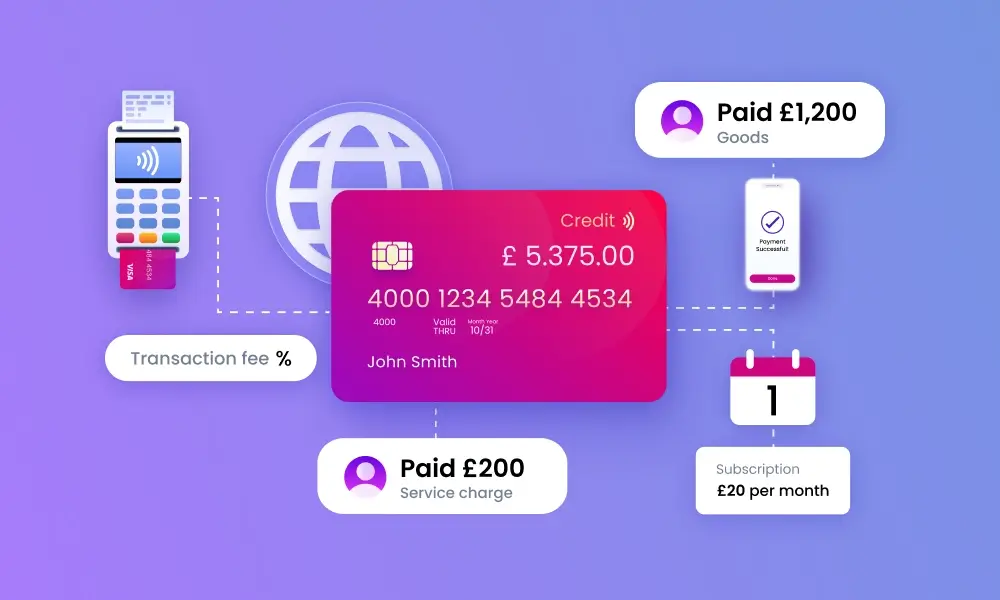
Strategies for Minimizing Processing Fees
Proactive management of processing fees can yield substantial financial benefits.
- Negotiate with Processors: Especially for businesses with growing sales volumes, there’s often room to negotiate lower percentage rates or per-transaction fees.
- Surcharge Options (Where Legal): In some regions, businesses can add a surcharge to credit card transactions to offset processing fees. It’s crucial to check local laws and card brand regulations (which often require clear signage) before implementing. This strategy directly shifts some financial burden to the customer.
- Offer Cash Discounts: Encouraging customers to pay with cash or debit (which has lower interchange fees than credit) by offering a small discount can reduce overall processing costs.
- Batching Strategies: For some processors, “batching” transactions (sending them to the bank for settlement) less frequently (e.g., once a day instead of multiple times) can reduce per-batch fees. However, this impacts cash flow as funds take longer to settle.
- Level 2/3 Processing for B2B: If you process business-to-business (B2B) payments, providing additional data fields (e.g., invoice number, tax amount) can qualify transactions for lower interchange rates, a significant financial advantage.
The Impact of Chargebacks and Fraud on Your Bottom Line
Chargebacks and fraud are not just operational hassles; they represent direct financial losses, often including the transaction amount, products/services rendered, and additional chargeback fees imposed by the processor (typically $15-$50 per instance).
- Financial Loss: Each chargeback is a loss of revenue, plus the cost of the goods/services.
- Operational Costs: The time and resources spent responding to disputes add to the financial burden.
- Reputation Risk: High chargeback rates can lead to fines, account termination, or being placed on industry watchlists, jeopardizing your ability to accept credit cards—a critical financial lifeline.
Ensuring Financial Security and Compliance
While security has technical underpinnings, its primary motivation for businesses is financial protection and the maintenance of trust. Non-compliance and security breaches carry severe financial penalties and reputational damage.
PCI DSS Compliance: A Financial Imperative
The Payment Card Industry Data Security Standard (PCI DSS) is a set of security standards designed to ensure that all companies that process, store, or transmit credit card information maintain a secure environment.
- Avoiding Penalties: Non-compliance can result in substantial monthly fines from card brands and acquiring banks (ranging from $5,000 to $100,000+), in addition to potential liabilities from data breaches.
- Maintaining Trust: Adherence to PCI DSS protects customer data, safeguarding your brand’s reputation and ensuring continued customer loyalty, which directly translates to sustained revenue.
- Reducing Breach Costs: A data breach can cost millions in forensics, legal fees, customer notification, and regulatory fines. PCI DSS is a critical defense against these catastrophic financial events.
Implementing Robust Fraud Prevention Measures
Proactive fraud prevention is an investment that protects your financial assets.
- Address Verification Service (AVS) and Card Verification Value (CVV): Utilizing these tools for card-not-present transactions helps verify the cardholder’s identity, reducing fraudulent transactions.
- 3D Secure (e.g., Verified by Visa, Mastercard SecureCode): Adds an extra layer of authentication for online credit and debit card transactions, shifting liability for fraudulent chargebacks from the merchant to the issuing bank for transactions where 3D Secure was used. This is a significant financial protection.
- Fraud Monitoring Services: Many payment processors offer AI-powered fraud detection tools that analyze transaction patterns in real-time to flag suspicious activity, minimizing financial exposure.
Managing Chargebacks: Strategies for Prevention and Resolution
Effectively managing chargebacks is crucial for mitigating financial losses.
- Clear Communication: Ensure your billing descriptors are clear, shipping policies are transparent, and customer service is responsive. Misunderstandings often lead to chargebacks.
- Proof of Delivery/Service: Maintain meticulous records of order fulfillment, including shipping confirmations, tracking numbers, and proof of delivery, which are essential for disputing fraudulent chargebacks.
- Prompt Resolution: Address customer complaints swiftly and issue refunds when appropriate to prevent disputes from escalating into chargebacks. The cost of a refund is often less than a chargeback fee plus the lost revenue.
- Chargeback Representment: Understand the process of disputing chargebacks. Providing compelling evidence can help recover funds and protect your chargeback ratio.
Integrating Payment Data for Comprehensive Financial Management
Receiving credit card payments isn’t just about getting money into your bank account; it’s about integrating that data into your broader financial operations for complete visibility and strategic planning.
Streamlining Reconciliation and Reporting
Connecting your payment processor with your accounting software (e.g., QuickBooks, Xero) is paramount for financial accuracy and efficiency.
- Automated Reconciliation: Automated feeds reduce manual data entry, minimizing errors and saving countless hours during month-end closing.
- Accurate Financial Statements: Ensure that revenue, expenses (processing fees), and liabilities are correctly recorded, leading to precise profit and loss statements and balance sheets.
- Tax Compliance: Comprehensive reports simplify tax preparation by providing clear records of sales and payment processing costs.
Cash Flow Management and Payout Schedules
Understanding when and how funds from credit card sales reach your bank account is critical for managing liquidity.
- Payout Frequency: Different processors have different payout schedules (daily, weekly, custom). Aligning these with your operational expenses and working capital needs is vital.
- Rolling Reserves: Some processors, especially for newer or higher-risk businesses, hold back a percentage of sales for a period (a rolling reserve) to cover potential chargebacks. This impacts your immediate cash flow and needs to be factored into your financial planning.
- Impact on Operations: A predictable cash flow from credit card payments allows for better budgeting, timely bill payments, and strategic investments.

Leveraging Payment Data for Financial Analysis
Beyond basic accounting, the data generated by credit card payments offers a rich source of insights for strategic financial analysis.
- Identifying Sales Trends: Analyze peak sales times, popular products, and customer spending habits to optimize inventory, staffing, and marketing efforts.
- Optimizing Pricing Strategies: Understand how different pricing models affect transaction volumes and average ticket values, informing adjustments to maximize revenue.
- Customer Segmentation: Payment data can reveal customer demographics and purchasing behaviors, enabling targeted marketing and loyalty programs that enhance long-term customer value and revenue.
In conclusion, receiving credit card payments is a multi-faceted aspect of modern business finance. By diligently understanding its underlying financial mechanisms, strategically selecting the right tools, actively managing costs, and integrating payment data into your overall financial strategy, businesses can not only process transactions efficiently but also unlock significant opportunities for profitability and sustainable growth.
aViewFromTheCave is a participant in the Amazon Services LLC Associates Program, an affiliate advertising program designed to provide a means for sites to earn advertising fees by advertising and linking to Amazon.com. Amazon, the Amazon logo, AmazonSupply, and the AmazonSupply logo are trademarks of Amazon.com, Inc. or its affiliates. As an Amazon Associate we earn affiliate commissions from qualifying purchases.