
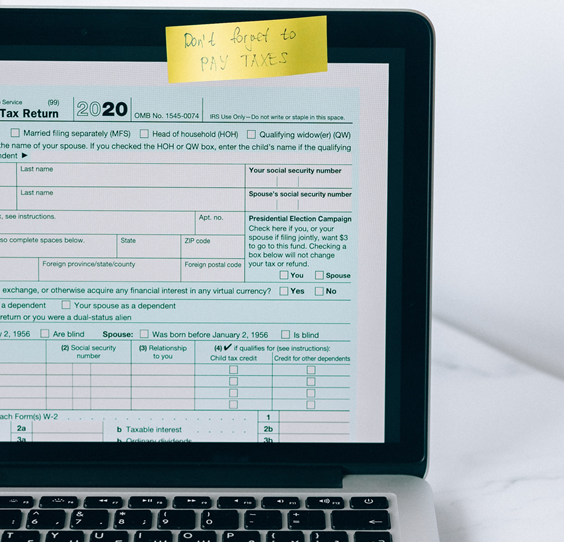
In an increasingly digital world, managing personal and business finances has become remarkably streamlined, and federal income tax payments are no exception. Gone are the days when the only reliable method was mailing a check, fraught with concerns about postal delays and proof of delivery. Today, the Internal Revenue Service (IRS) offers a robust suite of online payment options that not only simplify the process but also enhance financial security and record-keeping for taxpayers. For individuals, small business owners, and large corporations alike, understanding and leveraging these digital payment avenues is a cornerstone of sound financial management and compliance. This guide delves into the specifics of paying federal income tax online, emphasizing the financial advantages, detailing the various methods, and offering strategic insights for a hassle-free experience.

The Financial Advantages of Digital Tax Payments
Opting to pay your federal income taxes online offers a multitude of financial benefits that extend beyond mere convenience. These advantages contribute significantly to better financial planning, reduced risk, and improved overall fiscal health.
Enhanced Security and Data Protection
One of the foremost concerns when dealing with financial transactions online is security. The IRS, along with its authorized payment processors, employs state-of-the-art encryption and security protocols to protect sensitive taxpayer information. When you submit a payment online, your data is safeguarded against interception and misuse, significantly reducing the risk associated with physical mail, such as checks being lost or stolen. This digital fortress helps maintain the integrity of your financial identity and provides peace of mind that your money is reaching its intended destination securely. For taxpayers, this translates into a lower risk of identity theft and financial fraud, which can be costly and time-consuming to resolve.
Streamlined Record-Keeping and Accessibility
Digital payments create an immediate, verifiable electronic trail. When you pay online, you typically receive an instant confirmation number or email, serving as concrete proof of payment. This eliminates the need to manually track mailed checks or worry about the IRS not receiving your payment. For individuals, this simplifies personal finance management; for businesses, it supports robust accounting practices and facilitates easier audits. All payment records are stored electronically, making them readily accessible should you need to reference them for future tax filings, financial planning, or resolving any discrepancies with the IRS. This digital archive not only saves physical storage space but also ensures critical financial data is always at your fingertips.
Preventing Penalties and Late Fees
Tax deadlines are immutable, and missing them can result in costly penalties and interest charges. Online payment methods offer a significant advantage here: they are processed instantaneously or very quickly, ensuring your payment is considered “on time” as long as the transaction is initiated by the deadline. This removes the uncertainty associated with postal delivery times, especially during peak tax season. By eliminating the risk of late payments due to mailing delays, taxpayers can avoid unnecessary financial burdens in the form of accrued penalties and interest, thus preserving more of their hard-earned money. It also provides a buffer against last-minute filing stress, knowing that the payment mechanism is reliable and swift.
Convenience and Time Efficiency
From a financial planning perspective, time is money. Paying taxes online eliminates the need to print forms, write checks, purchase stamps, and make a trip to the post office. This saved time can be redirected towards other productive financial activities, whether it’s managing investments, reviewing budgets, or focusing on income-generating tasks. The ability to make payments 24/7, from anywhere with an internet connection, offers unparalleled flexibility. This convenience is particularly valuable for busy professionals, entrepreneurs, and anyone whose schedule makes traditional payment methods impractical.
Navigating Your Online Federal Tax Payment Options
The IRS provides several secure and reliable digital payment methods, each catering to different taxpayer needs and preferences. Understanding these options is crucial for making an informed financial decision.
IRS Direct Pay: The No-Fee Government Option
IRS Direct Pay is arguably the most straightforward and cost-effective method for most taxpayers. This free service allows you to pay your taxes directly from your checking or savings account. It’s ideal for individual income tax payments (Form 1040, 1040-ES), estimated taxes, and payments for an extension. The main benefits are that there are no processing fees, and you receive immediate confirmation. You can schedule payments up to 365 days in advance, providing excellent flexibility for financial planning. To use it, you’ll need your bank account number and routing number, along with basic identifying information to confirm your identity.
Electronic Federal Tax Payment System (EFTPS): Ideal for Businesses and Recurring Payments
EFTPS is a robust, free service offered by the U.S. Department of the Treasury that is particularly well-suited for businesses, payroll service providers, and individual taxpayers who need to make recurring or estimated tax payments. While it requires an enrollment process that can take a few days, its comprehensive features make it invaluable for managing regular tax obligations. Through EFTPS, you can pay all types of federal taxes, including income, employment, and excise taxes, and schedule payments up to 365 days in advance. It provides an excellent audit trail, allowing users to view up to 15 months of payment history. For businesses, EFTPS simplifies cash flow management by allowing precise scheduling of tax payments, preventing unexpected drains on working capital.
Credit Card, Debit Card, or Digital Wallet Payments via Third-Party Processors
For those who prefer the convenience of using a credit card, debit card, or a digital wallet (such as PayPal), the IRS partners with authorized third-party payment processors. While these methods offer instant payment and the potential to earn credit card rewards, they come with a processing fee charged by the third party (not the IRS). These fees vary but are typically a percentage of the payment amount for credit/debit cards, or a flat fee for digital wallets. Taxpayers should weigh the cost of these fees against any potential benefits, such as earning points or miles, or the flexibility of paying with credit. For some, the ability to pay using a credit card might be a temporary liquidity solution, though caution is advised to avoid accumulating high-interest debt.
Payment Through Tax Software or Tax Professional

Many popular tax preparation software programs (e.g., TurboTax, H&R Block) offer an integrated option to pay your federal taxes directly through their platform when you file your return. This method often links to IRS Direct Pay or uses a third-party processor. Similarly, if you utilize a tax professional to prepare your returns, they can often facilitate the electronic payment on your behalf, providing an added layer of convenience and assurance. This consolidated approach streamlines the entire tax filing and payment process, making it a single, seamless transaction.
A Step-by-Step Financial Walkthrough for Online Payments
Regardless of the method chosen, a structured approach to making your online tax payment will ensure accuracy and financial compliance.
Gathering Your Essential Financial Information
Before initiating any online payment, gather all necessary financial details. This includes your Social Security Number (SSN) or Employer Identification Number (EIN), your adjusted gross income (AGI) from a prior year (for identity verification purposes if using IRS Direct Pay), your bank account number and routing number (for IRS Direct Pay or EFTPS), or your credit/debit card details. Having this information readily available minimizes errors and expedites the payment process. Ensure all financial data is accurate to prevent processing delays or failed transactions.
Selecting the Right Payment Method for Your Needs
Consider your financial situation and preferences. If you want to avoid fees and have a checking/savings account, IRS Direct Pay is often the best choice. If you’re a business or make frequent estimated payments, EFTPS is superior for its comprehensive management tools. If you need to leverage credit or digital wallets, be prepared for associated fees. Assess your cash flow and liquidity—is it better to pay from your bank account now, or use a credit card and pay it off later to manage immediate funds? Making this strategic choice upfront is key.
Executing the Payment Transaction
Follow the specific prompts for your chosen payment method. For IRS Direct Pay or EFTPS, you’ll enter your personal/business details, bank information, the payment amount, and select the tax type and tax period. For credit/debit card payments, you’ll be redirected to a third-party processor’s secure site. Double-check all entered information, especially the payment amount and bank/card details, before finalizing the transaction. A small error here could lead to significant financial headaches.
Verifying and Retaining Payment Confirmation
Upon successful completion, you will receive a confirmation number or email. This is your undeniable proof of payment. Save this confirmation in a secure, easily accessible digital folder and consider printing a copy for your physical records. For EFTPS, you can also view your payment history directly on the platform. This confirmation is invaluable for resolving any potential disputes or if the IRS has questions about your payment in the future. It’s a critical financial document that should be treated with the same importance as a bank statement.
Strategic Financial Planning and Best Practices for Online Tax Payments
Effective tax payment goes hand-in-hand with diligent financial planning. Employing best practices can further optimize your online tax payment experience.
Proactive Budgeting and Tax Savings
The most effective way to avoid last-minute tax payment stress is through proactive financial planning. Incorporate tax liabilities into your annual budget. For employees, adjust your W-4 to ensure appropriate withholding. For self-employed individuals and those with other income streams, regularly set aside funds for estimated taxes throughout the year. Utilizing dedicated savings accounts for tax funds can prevent accidental spending and ensure the money is available when payment is due. This disciplined approach eliminates the financial shock of a large tax bill and ensures a smoother payment process.
Understanding Payment Deadlines and Extensions
While online payments offer flexibility, strict adherence to deadlines is paramount. Mark key tax dates on your calendar and set reminders. If you anticipate difficulty paying on time, file for an extension to file, which can be done easily online. Remember, an extension to file is not an extension to pay. If you can’t pay the full amount by the deadline, pay as much as you can to minimize penalties and interest. The IRS offers various payment plans and relief options (e.g., Offer in Compromise, Installment Agreement) that can be explored online if you’re facing financial hardship. Understanding these options beforehand is a vital component of responsible financial planning.
Cybersecurity and Protecting Your Financial Information
Even with secure platforms, vigilance is key. Always ensure you are on the official IRS website (irs.gov) or an authorized third-party processor’s site before entering sensitive information. Be wary of phishing emails or suspicious links claiming to be from the IRS, as the IRS will never initiate contact about your tax bill via email, text message, or social media. Use strong, unique passwords for any accounts related to tax payments and enable two-factor authentication where available. Regularly review your bank and credit card statements for any unauthorized transactions. Protecting your financial data online is a continuous effort.
Addressing Payment Issues and Understanding Relief Options
Despite best efforts, issues can arise. If an online payment fails, first check with your bank or credit card company. If you believe there’s an error on the IRS’s side, contact them directly. The IRS website provides clear instructions and phone numbers for various departments. If you find yourself unable to pay your tax liability, don’t ignore it. The IRS is often willing to work with taxpayers who demonstrate a good-faith effort. Explore options like an Offer in Compromise (OIC) or an Installment Agreement on the IRS website. Proactively addressing payment issues, rather than delaying, can save you significant financial stress and penalties in the long run.
In conclusion, paying federal income tax online has evolved from a novel concept to an indispensable tool for sound financial management. By embracing the security, convenience, and efficiency of digital payment methods, taxpayers can not only meet their civic duties but also enhance their financial planning, minimize risks, and streamline their record-keeping. With a clear understanding of the available options, a methodical approach to payment execution, and adherence to best practices, navigating the world of online federal tax payments becomes a seamless and empowering aspect of modern financial life.
aViewFromTheCave is a participant in the Amazon Services LLC Associates Program, an affiliate advertising program designed to provide a means for sites to earn advertising fees by advertising and linking to Amazon.com. Amazon, the Amazon logo, AmazonSupply, and the AmazonSupply logo are trademarks of Amazon.com, Inc. or its affiliates. As an Amazon Associate we earn affiliate commissions from qualifying purchases.