
In an increasingly digital world, the way we manage our finances has undergone a profound transformation. From budgeting apps to online banking, virtually every aspect of personal finance has migrated to digital platforms. Paying taxes, once a dreaded paper-and-postage affair, has not only followed suit but has become one of the most streamlined online processes available to taxpayers today. The shift to online tax payments represents a monumental leap forward, offering unparalleled convenience, security, and efficiency. This guide delves into the various methods for fulfilling your tax obligations digitally, ensuring you can navigate this essential financial task with confidence and ease. Understanding these options is not just about convenience; it’s about leveraging modern financial tools to maintain compliance, avoid penalties, and gain greater control over your financial life.
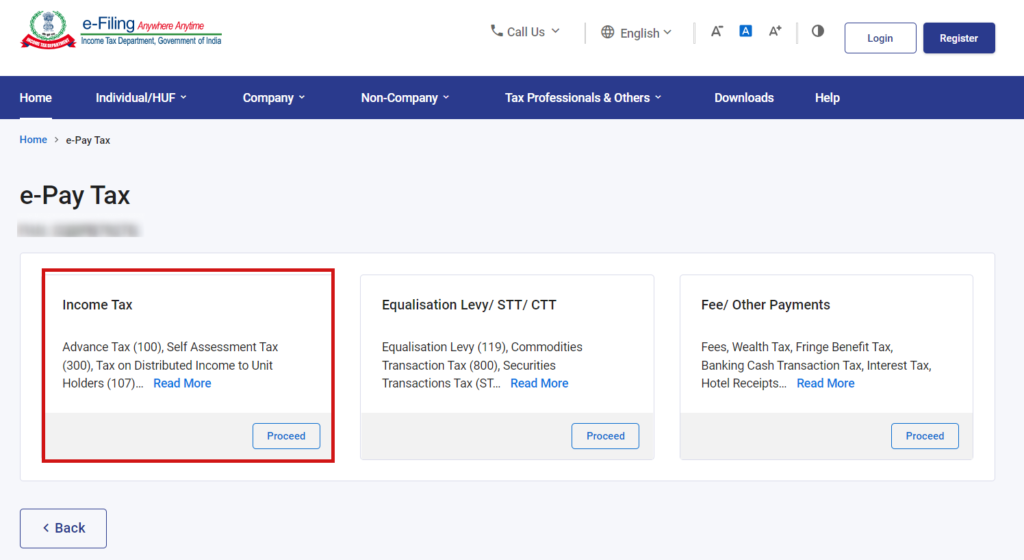
The Digital Evolution of Tax Payments
The journey from stacks of paper forms and trips to the post office to a few clicks on a screen has been revolutionary. This digital evolution is driven by both governmental initiatives to improve efficiency and taxpayer demand for simpler, faster solutions.
From Paper Trails to Digital Streams: A Brief History
For decades, tax season was synonymous with paper forms, envelopes, stamps, and often, long queues at the post office. The introduction of electronic filing (e-file) in the 1980s marked the first significant step towards digitalization, allowing tax professionals to transmit returns directly to the IRS. However, the actual payment often still involved mailing a check. The late 1990s and early 2000s saw the gradual introduction of online payment options, starting with credit card payments through third-party processors, and eventually leading to direct debit options from bank accounts. Today, the landscape is almost entirely digital, with most taxpayers having access to multiple online payment channels.
Why Online Payments Are the New Standard
Online payments have become the preferred method for several compelling reasons. Firstly, convenience is paramount. Taxpayers can make payments from anywhere, at any time, using a computer or mobile device. This eliminates the need for physical checks, envelopes, and postal services, saving time and effort. Secondly, security has significantly improved. Government portals and reputable tax software providers employ advanced encryption and security protocols to protect sensitive financial data. While no system is entirely impervious, these platforms are generally more secure than sending checks through mail, which can be vulnerable to theft or loss. Thirdly, accuracy is enhanced. Digital systems reduce the risk of human error associated with manual data entry and calculation, ensuring payments are correctly applied to the taxpayer’s account. Finally, instant confirmation provides peace of mind, with digital receipts serving as immediate proof of payment.
Understanding the Shift: Benefits for Taxpayers and Governments
For taxpayers, the benefits extend beyond convenience to include better financial management. Online payment options often come with scheduling features, allowing taxpayers to set up future payments, which can be crucial for estimated taxes or payment plans. This proactive approach helps in budgeting and avoiding late payment penalties. For governments, the shift to digital streamlines processing, reduces administrative costs associated with handling paper checks, and accelerates revenue collection. It also provides a clearer, more auditable trail of transactions, enhancing transparency and reducing opportunities for fraud. This symbiotic relationship underscores why online tax payments are not just a trend but a fundamental aspect of modern financial infrastructure.
Navigating the Online Tax Payment Landscape
The digital sphere offers several avenues for paying your taxes, each with its own advantages. Understanding these options is crucial for selecting the method that best suits your needs.
Direct Pay through Government Portals
The most straightforward method for many is direct payment through the relevant government tax agency’s website. For federal taxes in the United States, the IRS Direct Pay service is a popular choice. This service allows taxpayers to pay directly from their checking or savings account without any processing fees. It’s available 24/7 and supports various payment types, including estimated taxes, balance due, and even payments for amended returns. Most state tax agencies offer similar direct pay portals for state income, property, and sales taxes. These portals are typically user-friendly, requiring only basic personal and banking information. The key advantage here is the direct interaction with the tax authority, ensuring payment is correctly attributed and often providing immediate confirmation.
Payment via Tax Software
Many taxpayers utilize commercial tax preparation software like TurboTax, H&R Block, TaxAct, or FreeTaxUSA to prepare and e-file their returns. These platforms often integrate payment options directly into their workflow. After completing your return, the software will prompt you to choose how you want to pay any balance due. You can typically opt for a direct debit from your bank account or, in some cases, pay using a credit/debit card. While direct debits through tax software usually incur no additional fees from the software provider, credit/debit card payments often involve a processing fee charged by a third-party processor. The convenience here lies in the all-in-one solution: prepare, file, and pay in one integrated process.
Third-Party Payment Processors
For those who prefer to pay by credit or debit card, the IRS (and many state agencies) partners with authorized third-party payment processors. These processors facilitate payments using various cards (Visa, MasterCard, American Express, Discover) and charge a convenience fee, which varies depending on the processor and the amount paid. While these fees can add up, paying by credit card offers benefits such as earning reward points or delaying payment if you need extra time before your bank account is debited. It’s critical to ensure you are using an authorized processor listed on the official IRS or state tax agency website to avoid scams.
Understanding Payment Options: Bank Account vs. Debit/Credit Card
The choice between paying directly from a bank account (ACH debit) and using a debit or credit card often comes down to cost and financial strategy.
- Bank Account (ACH Direct Debit): This is generally the most cost-effective method as it usually involves no transaction fees. It’s a secure way to transfer funds directly from your checking or savings account. It requires accurate routing and account numbers.
- Debit Card: While it draws directly from your bank account like an ACH debit, using a debit card through a third-party processor might incur a small convenience fee, though typically less than credit card fees.
- Credit Card: Offers flexibility and potential rewards but comes with convenience fees, which can be a percentage of the payment or a flat rate. Be cautious if using a credit card to pay taxes; if you can’t pay off the balance quickly, the interest accrued on the credit card could outweigh any rewards and make it a more expensive option than penalties from the tax agency itself.
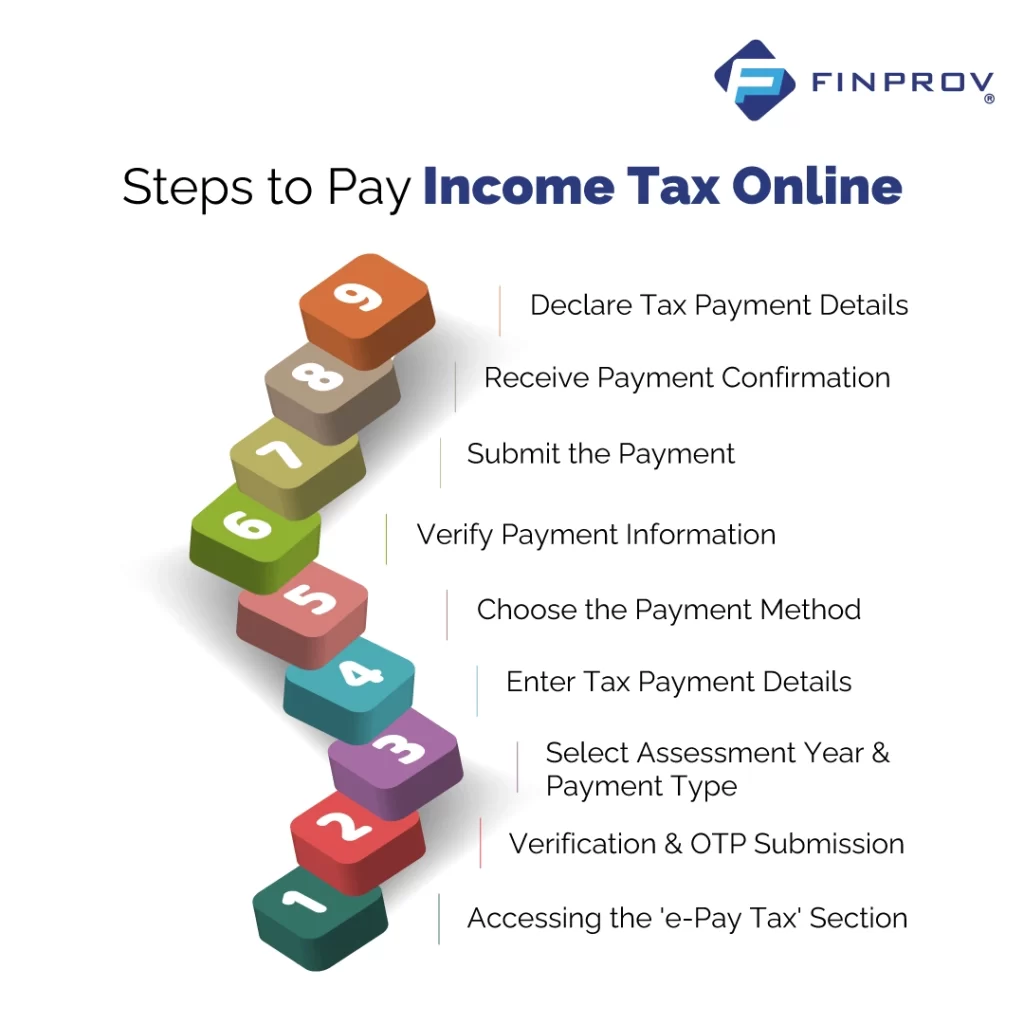
A Step-by-Step Guide to Online Tax Payments
Regardless of the method you choose, a structured approach ensures a smooth and secure transaction.
Preparation is Key: Gather Your Information
Before you initiate any online payment, have all necessary information at hand. This typically includes:
- Your Social Security Number (SSN) or Individual Taxpayer Identification Number (ITIN).
- Your date of birth.
- Your current address.
- The tax year for which you are making the payment.
- The payment amount.
- Your bank account details (routing and account number) for direct debit, or your credit/debit card number, expiration date, and security code if paying by card.
- If you’re paying estimated taxes, know which payment period the payment applies to (e.g., Q1, Q2).
Choosing Your Payment Method
Based on the considerations above (cost, convenience, rewards, timing), decide whether you will use a government direct pay portal, your tax software’s integrated payment system, or an authorized third-party credit card processor. For most federal payments, IRS Direct Pay is often the default recommendation due to its zero fees.
Executing the Payment: What to Expect
- Access the Platform: Navigate to the chosen website (e.g., IRS.gov for Direct Pay, your tax software’s payment section, or an authorized processor’s site).
- Verify Your Identity: You’ll typically need to provide your SSN/ITIN, date of birth, and possibly your prior year’s adjusted gross income (AGI) or a recent tax payment amount for verification purposes.
- Enter Payment Details: Input the tax year, payment amount, and select the type of payment (e.g., “Balance Due,” “Estimated Tax”).
- Provide Financial Information: Enter your bank account details or credit/debit card information.
- Review and Confirm: Carefully review all details before submitting. One small error in an account number or amount could cause significant issues.
- Receive Confirmation: After submission, you should receive an immediate confirmation number. Save this number! It is your proof of payment.
Verifying and Documenting Your Payment
Always take a screenshot or print out the confirmation page, and keep a record of the confirmation number. Many online payment systems also send an email confirmation. Keep this email in your tax records. It’s also good practice to check your bank or credit card statement a few business days later to ensure the payment has been successfully debited or charged. This documentation is invaluable if there are any discrepancies or questions about your payment in the future.
Security, Accuracy, and Common Pitfalls
While online payments offer immense benefits, vigilance is crucial to ensure security and accuracy.
Ensuring Digital Security: Protecting Your Financial Data
- Use Official Websites: Always ensure you are on the official government tax website (e.g., IRS.gov) or a reputable tax software provider’s site. Look for “https://” in the URL and a padlock icon.
- Beware of Phishing Scams: The IRS and state tax agencies will never initiate contact with you via email, text message, or social media to request personal or financial information. Be extremely wary of unsolicited communications.
- Strong Passwords: If you create an account on a tax portal, use strong, unique passwords and enable two-factor authentication if available.
- Secure Network: Avoid making payments over unsecured public Wi-Fi networks. Use a private, secure internet connection.
- Regular Software Updates: Keep your operating system, web browser, and antivirus software up to date.
Avoiding Common Errors and Penalties
- Double-Check Information: A common mistake is entering incorrect SSNs, routing numbers, account numbers, or payment amounts. A minor typo can lead to a rejected payment or misapplied funds.
- Pay on Time: Even online payments must adhere to deadlines. Be mindful of tax due dates, including those for estimated taxes, to avoid late payment penalties. Online payments typically need to be initiated by 11:59 PM in your local time zone on the due date.
- Select Correct Tax Year: Ensure you’re applying the payment to the correct tax year. Making a payment for 2023 when you meant to pay for 2024 estimated taxes can create unnecessary headaches.
- Understand Estimated Taxes: If you’re self-employed or have significant income not subject to withholding, you’re likely required to pay estimated taxes quarterly. Missing these payments can result in penalties.
What to Do If You Encounter Issues
If a payment is rejected, or you realize you made an error:
- Contact the Agency: Reach out to the IRS or relevant state tax agency immediately. Provide your confirmation number and explain the situation.
- Review Bank Statements: Check your bank account to see if the payment was debited. If not, you may need to re-initiate the payment.
- Consult a Professional: If you’re unsure about how to resolve a payment issue, a tax professional can provide guidance and help rectify the situation.
Beyond Payments: The Future of Digital Tax Management
The convenience of online payments is just one facet of the broader digital transformation in tax and financial management.
Integration with Financial Planning Tools
Modern financial tools are increasingly integrating tax considerations into their platforms. Budgeting apps, personal finance managers, and investment platforms are beginning to offer features that help users track tax-deductible expenses, estimate tax liabilities throughout the year, and even facilitate payments directly. This integration allows for a more holistic view of one’s financial health, where tax planning isn’t an isolated annual event but an ongoing component of sound financial strategy.
The Role of AI in Tax Preparation and Payment
Artificial intelligence is poised to revolutionize tax management further. AI-powered tools can analyze financial transactions, identify potential deductions, flag inconsistencies, and even automate aspects of tax preparation. While still in nascent stages for individual taxpayers, AI could soon make tax estimation and payment almost entirely seamless, reducing the burden and complexity for individuals and small businesses alike. Imagine a future where your financial accounts automatically feed into an AI that calculates and even suggests optimal payment strategies, all within regulatory compliance.

Looking Ahead: A Fully Digital Tax Ecosystem
The ultimate vision is a fully digital tax ecosystem where data flows seamlessly, securely, and privately between financial institutions, taxpayers, and tax authorities. This would involve real-time reporting, automated compliance checks, and proactive communication. While regulatory, privacy, and security challenges remain, the trend towards greater digitalization is undeniable. For taxpayers, this means a future of even greater ease, transparency, and accuracy in managing their tax obligations, freeing up time and resources for other financial pursuits.
In conclusion, paying your taxes online is not merely a modern convenience; it’s a fundamental aspect of contemporary personal finance. By understanding the available methods, prioritizing security, and maintaining diligent records, taxpayers can navigate this essential obligation with efficiency and confidence, ultimately contributing to a more streamlined and financially secure future.
aViewFromTheCave is a participant in the Amazon Services LLC Associates Program, an affiliate advertising program designed to provide a means for sites to earn advertising fees by advertising and linking to Amazon.com. Amazon, the Amazon logo, AmazonSupply, and the AmazonSupply logo are trademarks of Amazon.com, Inc. or its affiliates. As an Amazon Associate we earn affiliate commissions from qualifying purchases.