
The financial world has undergone a profound digital transformation, and perhaps nowhere is this more evident than in the realm of tax payments. Gone are the days when mailing a check or visiting a physical office were the only avenues to fulfill your tax obligations. Today, paying income tax online has become the standard, offering unparalleled convenience, security, and efficiency. For many, the transition to digital tax payments can seem daunting, but it’s a straightforward process that empowers individuals and businesses to manage their financial duties with greater ease and control. This guide will demystify the process, exploring the options available and providing a step-by-step roadmap to successfully paying your income tax online. Embracing digital tax payments isn’t just about convenience; it’s about leveraging modern financial tools for better personal and business financial management.
The Evolving Landscape of Tax Payments: Why Online is the New Standard
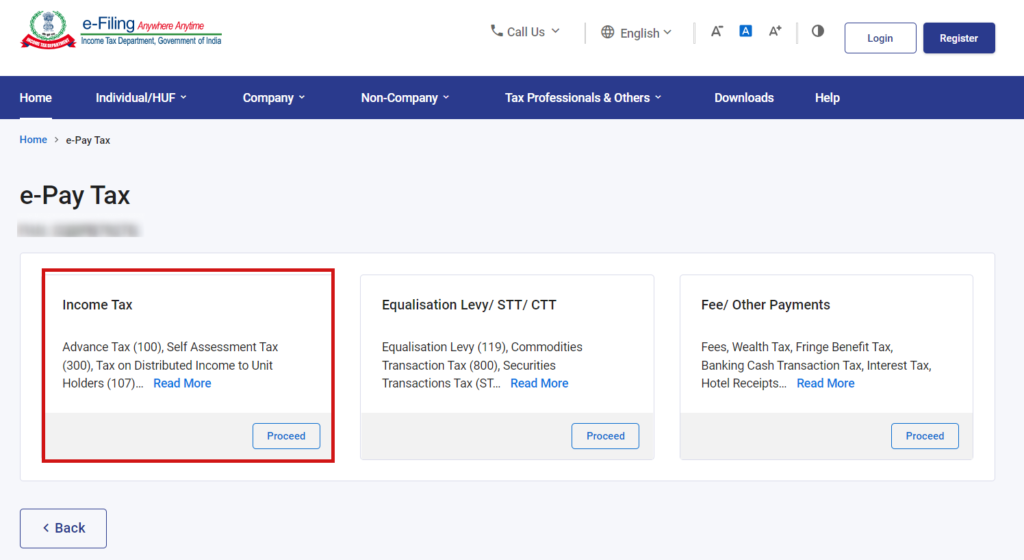
The shift towards online tax payments isn’t merely a technological fad; it’s a fundamental improvement in how citizens interact with their financial obligations. Governments worldwide have invested heavily in robust digital infrastructures to facilitate this change, driven by demands for greater efficiency, transparency, and accessibility. The benefits of this paradigm shift extend far beyond simple convenience, fundamentally enhancing the taxpayer experience.
Convenience and Accessibility
One of the most compelling reasons to pay income tax online is the sheer convenience it offers. Taxpayers are no longer bound by traditional office hours or geographical limitations. Payments can be initiated 24 hours a day, 7 days a week, from any location with internet access – be it your home, office, or even while traveling abroad. This flexibility is invaluable, especially for individuals with busy schedules or those living in remote areas without easy access to financial institutions or tax offices. The ability to make last-minute payments without the stress of postal delays or bank queues is a significant advantage, ensuring deadlines are met with ease.
Enhanced Security and Accuracy
While concerns about online security are valid, government tax portals and reputable tax software providers employ state-of-the-art encryption and security protocols to protect sensitive financial information. These systems are designed to be more secure than mailing paper checks, which are susceptible to loss or theft. Furthermore, online payment systems reduce the potential for human error. Automated input validation, clear step-by-step instructions, and immediate confirmation receipts minimize mistakes that could lead to penalties or delays. Direct electronic transfers eliminate issues like misread handwriting or incorrect routing numbers associated with manual processes.
Environmental Benefits and Streamlined Record Keeping
The move to online tax payments also brings environmental advantages by significantly reducing the need for paper. This contributes to sustainability efforts and lessens the carbon footprint associated with paper production and physical mail delivery. From a personal finance perspective, digital payments inherently streamline record-keeping. Every online transaction generates an electronic confirmation, which can be easily saved, stored, and accessed digitally. This eliminates the need to file physical receipts and makes it simpler to retrieve payment records for future reference, audits, or financial planning. It’s a crucial component of modern digital financial management, ensuring all your tax payment details are organized and readily available.
Understanding Your Online Tax Payment Options
When it comes to paying your income tax online, you’re not limited to a single method. Various avenues exist, each with its own set of advantages and considerations. Understanding these options is key to choosing the method that best suits your individual or business needs.
Direct Pay through Government Portals
Most national tax authorities offer a direct payment service through their official websites. For instance, in the United States, the IRS offers “Direct Pay,” allowing taxpayers to pay directly from their checking or savings account for free. Similarly, Her Majesty’s Revenue and Customs (HMRC) in the UK provides various methods, including direct debit and online banking. These portals are typically the most straightforward and cost-effective option, as they bypass third-party fees. You simply navigate to the official tax authority’s website, select the payment option, enter your bank account details (routing and account number), the amount, and the tax year, then authorize the payment. This method provides an immediate confirmation number, serving as proof of payment.
Payment via Tax Software Providers
Many taxpayers utilize commercial tax preparation software like TurboTax, H&R Block, or TaxAct to prepare and file their returns. A significant advantage of using these platforms is their integrated payment feature. Once you’ve completed your tax return and determined your tax liability, the software can facilitate the payment directly from within its interface. This often involves authorizing an electronic funds withdrawal from your bank account or, in some cases, linking to a third-party payment processor for credit/debit card payments. The convenience here lies in the seamless transition from filing to paying, ensuring accuracy as the payment amount is automatically populated from your prepared return.
Electronic Federal Tax Payment System (EFTPS)
Specifically in the US, the Electronic Federal Tax Payment System (EFTPS) is a service primarily used by businesses but also available to individuals who need to make federal tax payments. EFTPS allows you to make all federal tax payments, including income tax, electronically. It requires prior enrollment and offers the ability to schedule payments up to 365 days in advance. This system is particularly beneficial for businesses or self-employed individuals who make estimated tax payments throughout the year, as it provides a robust platform for managing recurring tax obligations efficiently and securely. While requiring a bit more setup initially, it offers a high degree of control and record-keeping for frequent payers.
Debit/Credit Card Payments (and Associated Fees)
While direct bank transfers are often free, many tax authorities also allow payments via debit or credit card through authorized third-party processors. This option offers flexibility, especially if you prefer to use a credit card for rewards points or to manage cash flow. However, it’s crucial to be aware that these third-party processors typically charge a convenience fee, which is a percentage of the payment amount. These fees can add up, so it’s wise to weigh the benefits against the cost. Before opting for this method, always check the fee structure and compare it with the potential rewards or float period offered by your card. For large tax bills, these fees might become substantial, making direct bank transfers a more financially prudent choice.
A Step-by-Step Guide to Making Your Online Tax Payment
Paying income tax online is a systematic process designed for clarity and security. By following a structured approach, you can ensure your payment is made accurately and on time, minimizing stress and potential issues.
Step 1: Gather Necessary Information
Before you begin, ensure you have all the required details at hand. This typically includes your Taxpayer Identification Number (TIN), Social Security Number (SSN), Employer Identification Number (EIN) if paying for a business, or equivalent national identification for tax purposes. You’ll also need the exact amount you owe, the specific tax year the payment applies to, and your bank account details (account number and routing number for direct debit) or credit/debit card information. Having this information ready prevents delays and potential errors during the payment process.
Step 2: Choose Your Payment Method
Based on the options discussed previously, decide which method suits you best. Consider factors like cost (fees for credit/debit cards), convenience (integrated with tax software vs. direct government portal), and the type of payment (one-time vs. recurring estimated payments). If you’ve just filed your taxes using software, paying directly through that platform might be the most seamless. If you prefer to avoid fees, a direct pay option through the government portal is often the best choice.
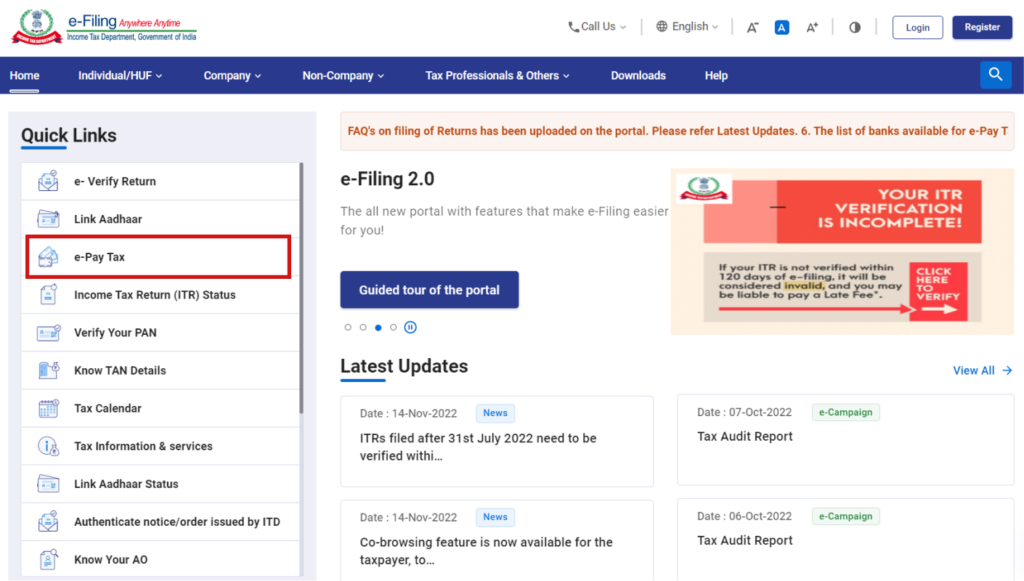
Step 3: Navigate the Chosen Platform
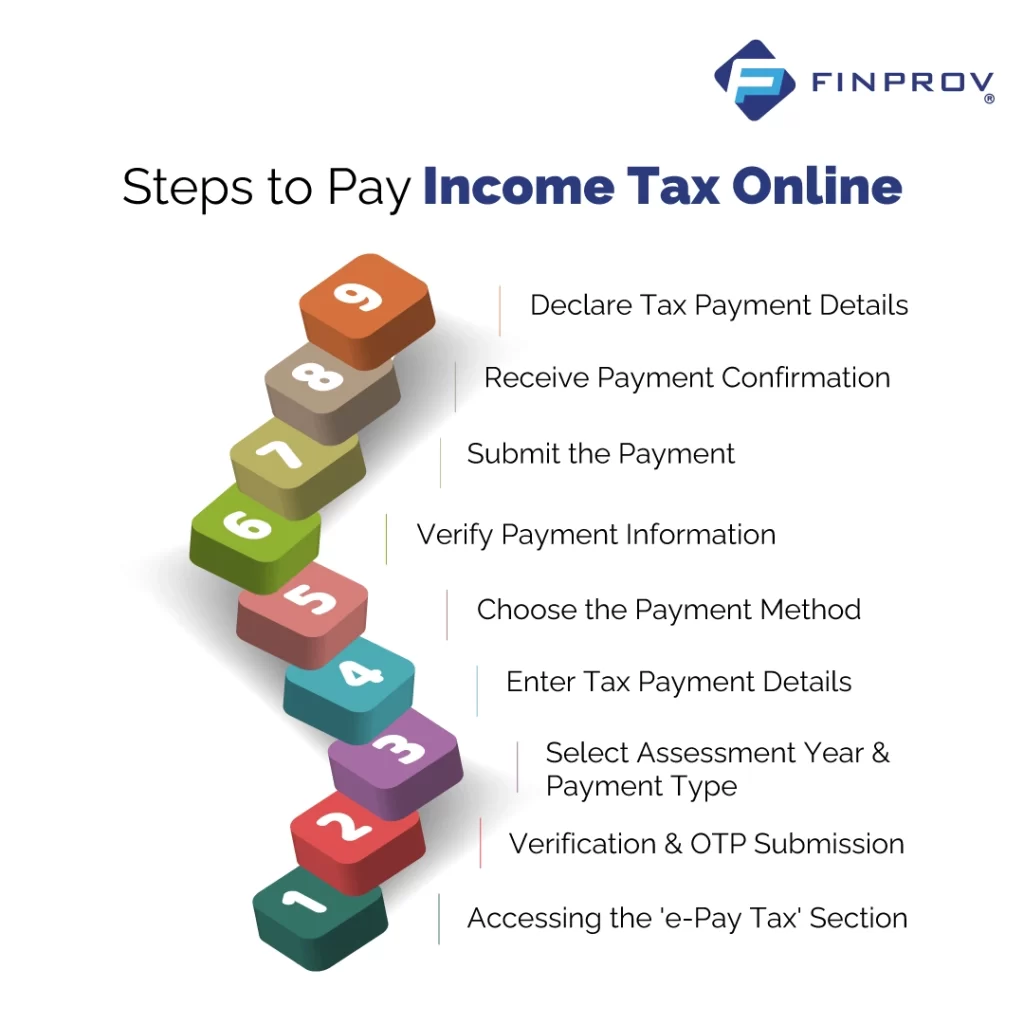
Once your method is chosen, access the relevant platform.
- For Government Portals: Go to the official website of your national tax authority (e.g., IRS.gov, GOV.UK/HMRC). Look for sections like “Pay Your Taxes,” “Make a Payment,” or “Direct Pay.” You may need to create an account or log in if you already have one.
- For Tax Software: If you’re using software, navigate to the payment section within the application after your return is finalized. The software will guide you through the steps to authorize payment.
- For EFTPS: Log in to your EFTPS account and select the option to make a payment.
Follow the on-screen prompts carefully. You will typically be asked to confirm your identity, select the type of tax you are paying (e.g., income tax, estimated tax), specify the tax year, and enter the payment amount.
Step 4: Review and Confirm
This is arguably the most critical step. Before submitting your payment, meticulously review all the entered information. Double-check your TIN, payment amount, bank account or card details, and the tax year to ensure absolute accuracy. An incorrect digit could lead to your payment being misdirected or rejected, potentially resulting in penalties. Many platforms will provide a summary screen for a final review before processing.
Step 5: Save Confirmation Records
After successfully submitting your payment, the system will typically provide a confirmation number, a transaction ID, or an email confirmation. It is imperative to save this information immediately. Take a screenshot, print the confirmation page, or save the email in a dedicated tax folder. This confirmation serves as your undeniable proof of payment, which is vital for your records and indispensable if any future discrepancies arise with the tax authority. Having clear, accessible records is a cornerstone of responsible financial management.
Common Pitfalls and Best Practices for Online Tax Payments
While paying income tax online offers numerous advantages, being aware of potential pitfalls and adhering to best practices can further enhance your experience and safeguard your financial well-being. Proactive measures can prevent common issues and ensure a smooth, secure process.
Avoiding Scams and Phishing Attempts
A significant risk in the digital landscape is the prevalence of scams and phishing attempts. Cybercriminals often impersonate tax authorities to trick individuals into divulging sensitive information or making fraudulent payments. Always verify the legitimacy of any communication requesting tax payments or personal data. Only use official government websites (which typically end in .gov) for tax payments. Be wary of unsolicited emails, texts, or phone calls demanding immediate payment, threatening legal action, or asking for unusual payment methods like gift cards or cryptocurrency. Legitimate tax authorities will rarely initiate contact this way for immediate payment demands. When in doubt, navigate directly to the official government website rather than clicking on links from suspicious emails.
Understanding Payment Deadlines and Penalties
Online payments, while convenient, do not exempt you from payment deadlines. Tax payments must be initiated by the designated due date. While an online payment processed on the due date is generally considered timely, always allow for potential processing delays, especially if using a third-party processor. Familiarize yourself with the specific deadlines for your tax obligations (e.g., annual income tax, quarterly estimated taxes). Failing to pay on time can result in penalties and interest charges, which can significantly increase your overall tax burden. If you anticipate difficulty meeting a deadline, research options like payment plans or extensions before the due date.
What to Do if There’s an Error
Even with careful review, errors can occasionally occur. If you realize you’ve made a mistake – perhaps paid the wrong amount, selected the wrong tax year, or used an incorrect bank account – act quickly. Most tax authorities have specific procedures for correcting payment errors. This often involves contacting them directly via their official customer service channels. Do not try to reverse a payment without guidance from the tax authority, as this could lead to further complications. Providing your confirmation number and detailed explanation will be crucial for resolving the issue efficiently. Prompt action can often mitigate potential penalties.
The Importance of Digital Record Keeping
As mentioned, digital records are invaluable. Beyond saving the initial payment confirmation, cultivate a habit of organizing all your tax-related documents digitally. Create a dedicated folder on your computer or cloud storage service for each tax year, containing:
- Payment confirmations
- Copies of filed tax returns
- W-2s, 1099s, and other income statements
- Receipts for deductions
- Any correspondence with the tax authority
This centralized digital archive simplifies future tax preparation, assists with financial planning, and is indispensable in the event of an audit. Regular backups of these digital files ensure their safety and accessibility for years to come, solidifying your control over your financial narrative.
Beyond the Basics: Advanced Considerations for Digital Tax Management
Mastering the basics of online tax payments opens the door to more sophisticated digital financial management strategies. For those with more complex financial situations, leveraging online tools can offer additional benefits.
Estimated Tax Payments
For self-employed individuals, freelancers, small business owners, or those with significant income not subject to withholding (like investment income), making estimated tax payments throughout the year is crucial. Online payment systems, particularly options like EFTPS, are perfectly suited for managing these recurring obligations. You can schedule multiple payments in advance, ensuring compliance and avoiding a large, unexpected tax bill at year-end. This proactive approach to tax management is a cornerstone of responsible personal and business finance, made significantly easier by digital platforms.
Overpayments and Refunds
Sometimes, you might overpay your taxes, whether through excessive withholding or an intentional overestimation of income. Online tax filing and payment systems simplify the process of claiming a refund. When you file your return digitally, the system automatically calculates any overpayment and allows you to specify whether you want the refund direct-deposited into your bank account. This is significantly faster and more secure than waiting for a paper check, which can take weeks to arrive and is susceptible to being lost or stolen. Online platforms often provide tools to track the status of your refund, offering transparency and peace of mind.
Professional Assistance vs. DIY
While paying taxes online has become more accessible, deciding whether to handle your taxes entirely yourself or seek professional assistance is an important financial decision. For straightforward tax situations, using online software and making payments yourself is often cost-effective and efficient. However, if your financial life is complex—involving multiple income sources, investments, rental properties, or significant deductions—a qualified tax professional can provide invaluable guidance. Many professionals can also facilitate online payments on your behalf after preparing your return, combining expert advice with the convenience of digital transactions. The key is to assess your comfort level and the complexity of your financial situation to determine the most prudent approach.
Conclusion
Paying income tax online is no longer a futuristic concept; it is the practical, efficient, and secure standard for managing one of life’s most essential financial obligations. By understanding the available options, meticulously following the step-by-step process, and adhering to best practices, you can navigate the digital tax landscape with confidence. The transition to online tax payments offers convenience, enhances accuracy, and significantly streamlines record-keeping, allowing you to take greater control over your financial health. Embrace these digital solutions, and transform what was once a cumbersome annual task into a manageable and secure financial transaction, freeing you to focus on broader financial goals.
aViewFromTheCave is a participant in the Amazon Services LLC Associates Program, an affiliate advertising program designed to provide a means for sites to earn advertising fees by advertising and linking to Amazon.com. Amazon, the Amazon logo, AmazonSupply, and the AmazonSupply logo are trademarks of Amazon.com, Inc. or its affiliates. As an Amazon Associate we earn affiliate commissions from qualifying purchases.