
The question “what’s the best cruise ship?” is deceptively simple, yet profoundly complex. It’s a query that doesn’t seek a singular, universally agreed-upon answer but rather opens a fascinating discourse into the nuanced world of brand strategy, corporate identity, and consumer psychology. In the highly competitive ocean of leisure travel, “best” is not a fixed benchmark but a dynamic reflection of how effectively a cruise line’s brand articulates its unique value proposition, resonates with its target audience, and consistently delivers on its promises. This article will delve into how cruise brands carve out their distinct identities, market their experiences, and ultimately vie for the coveted title of “best” in the eyes of diverse travelers.
The Elusive “Best”: Defining Brand Success through Target Audiences
The concept of “best” in the cruise industry is inherently subjective, shaped by individual traveler preferences, expectations, and desired experiences. A cruise line’s brand strategy begins with a precise understanding of who they aim to serve, allowing them to tailor every aspect of their offering to that specific demographic. This segmentation is crucial for defining what “best” truly means within their niche.
Luxury vs. Mass Market: Tailoring the Brand Promise
At the broadest level, cruise brands often position themselves along a spectrum ranging from ultra-luxury to mass-market appeal. A luxury brand like Seabourn or Regent Seven Seas Cruises aims to deliver an unparalleled, all-inclusive experience characterized by opulent accommodations, gourmet dining, personalized service, and exclusive itineraries. Their brand promise revolves around exclusivity, sophistication, and meticulous attention to detail, targeting affluent travelers willing to pay a premium for a refined, intimate journey. For this segment, “best” means an elevated experience where every whim is anticipated, and privacy is paramount.
In stark contrast, mass-market brands such as Royal Caribbean or Carnival Cruise Line focus on providing value-packed, high-energy vacations for a broader audience, including families, groups, and younger travelers. Their brand promise centers on fun, variety, and accessibility, offering a multitude of activities, dining options, and entertainment for every taste. For these brands, “best” is defined by the sheer breadth of attractions, the vibrant atmosphere, and the memorable experiences created for thousands of passengers simultaneously. Their corporate identity emphasizes joy, adventure, and community, appealing to those who seek a dynamic, amenity-rich environment.
Adventure vs. Relaxation: Curating Niche Experiences
Beyond the luxury-to-mass-market scale, brand identity further specializes into distinct experience categories. Some brands lean into adventure and exploration, crafting itineraries and onboard features that cater to thrill-seekers and cultural enthusiasts. National Geographic Expeditions (in partnership with Ponant) and Hurtigruten Expeditions are prime examples, with brand identities built around immersive journeys to remote destinations like the Arctic, Antarctic, or Galápagos. Their marketing focuses on educational enrichment, active exploration, and authentic encounters, appealing to travelers who define “best” as an intellectually stimulating and physically engaging voyage.
Conversely, brands like Princess Cruises or Holland America Line historically emphasize relaxation, enrichment, and a more traditional cruising experience. Their brand strategy targets travelers seeking serene sea days, cultural lectures, elegant dining, and well-curated shore excursions. For them, “best” often translates to a comfortable pace, sophisticated ambiance, and opportunities for rejuvenation. The design and marketing of these brands highlight tranquil spaces, exceptional service, and enriching programs, creating a corporate identity synonymous with classic cruising comfort.
Family-Friendly vs. Adults-Only: Segmenting Brand Identity
The presence or absence of children onboard significantly shapes a cruise brand’s identity and appeal. Brands like Disney Cruise Line have perfected the family-friendly niche, with a corporate identity entirely built around magical experiences for children and adults alike. Their marketing showcases beloved characters, themed entertainment, dedicated kids’ clubs, and family-centric amenities. For parents, “best” means a stress-free vacation where children are entertained, and family memories are made.
On the other hand, brands like Virgin Voyages or Viking Ocean Cruises explicitly position themselves as adults-only or adult-focused. Virgin Voyages, with its “rebellious luxe” brand, targets a younger, more design-conscious adult demographic seeking a vibrant, party-like atmosphere without the distraction of children. Viking, conversely, caters to older, discerning travelers interested in destination-focused cultural immersion and quiet elegance. Both define “best” by offering an environment tailored exclusively to adult sensibilities, but with vastly different experiences. This clear segmentation allows each brand to build a loyal following among its chosen demographic.
Beyond the Ship: Crafting a Cohesive Brand Experience
A truly successful cruise brand understands that its identity extends far beyond the hull and superstructure. Every touchpoint, from the moment a potential passenger encounters an advertisement to their departure from the ship, contributes to the overall brand experience. This holistic approach is essential for building loyalty and securing a reputation as “the best.”
Architectural Design and Interior Aesthetics: Embodied Brand Values
The physical design of a cruise ship is a tangible manifestation of its brand values. A luxury cruise line will invest heavily in sophisticated materials, original artwork, spacious suites, and elegant common areas, reflecting its brand promise of exclusivity and refinement. For instance, Celebrity Cruises’ “Modern Luxury” brand is visually translated through contemporary design, striking public spaces, and an emphasis on outward-facing views.
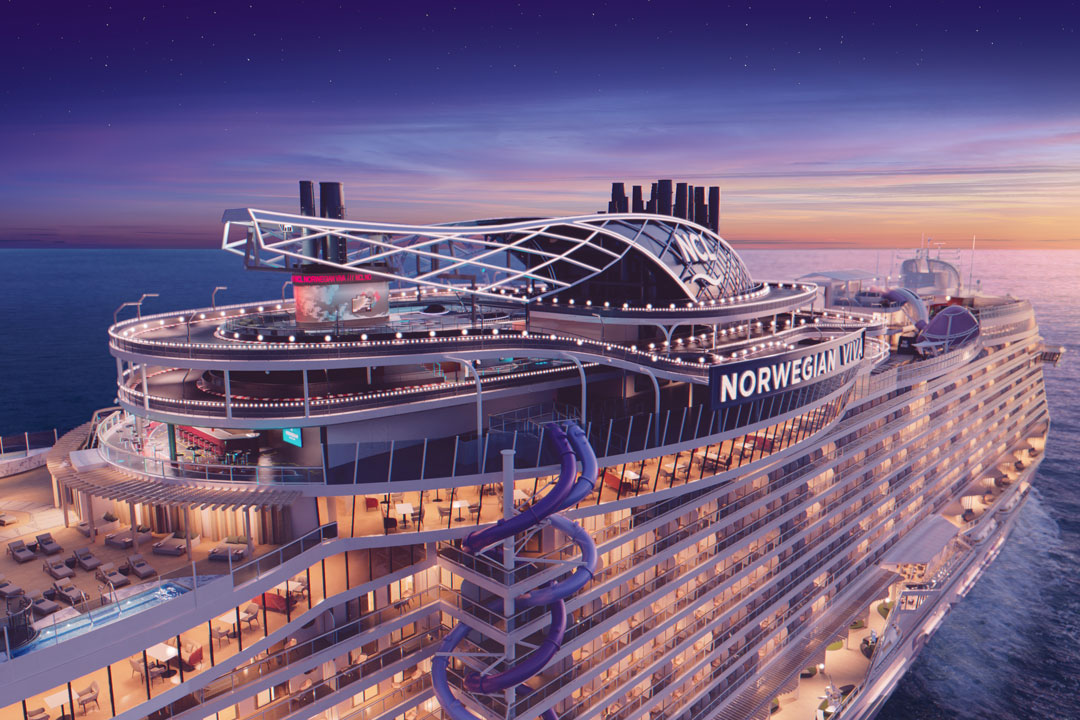
Mass-market brands, while equally intentional, will design spaces for maximum passenger flow, durability, and versatility, accommodating a wider range of activities and preferences. Norwegian Cruise Line’s “Freestyle Cruising” brand, for example, is visually supported by a multitude of dining venues and activity zones, encouraging guests to explore and customize their experience without strict schedules. The layout and decor are not just functional; they are intrinsic to the brand narrative.
Service Culture and Crew Branding: The Human Touch
The crew members are often the most direct representatives of a cruise brand. Their training, demeanor, and service philosophy are critical elements of the corporate identity. A brand emphasizing personalized luxury will train its staff to anticipate needs, remember preferences, and offer discreet, attentive service. A brand focused on fun and energy will encourage its staff to be engaging, enthusiastic, and approachable.
Disney Cruise Line, for instance, extends its “magic” brand to every cast member (as they call their employees), ensuring consistent, family-friendly interactions. Ritz-Carlton Yacht Collection, leveraging the parent hotel brand’s reputation, aims to replicate its legendary service standards at sea, where “best” is synonymous with impeccable and anticipatory hospitality. The consistent delivery of service, aligned with the brand’s promise, transforms a mere journey into a branded experience.
Onboard Amenities and Entertainment: Reinforcing the Brand Narrative
The selection and presentation of onboard amenities and entertainment are powerful tools for reinforcing a cruise brand’s narrative. From the types of restaurants and bars to the shows, activities, and shore excursions offered, each element must align with and enhance the overall brand identity.
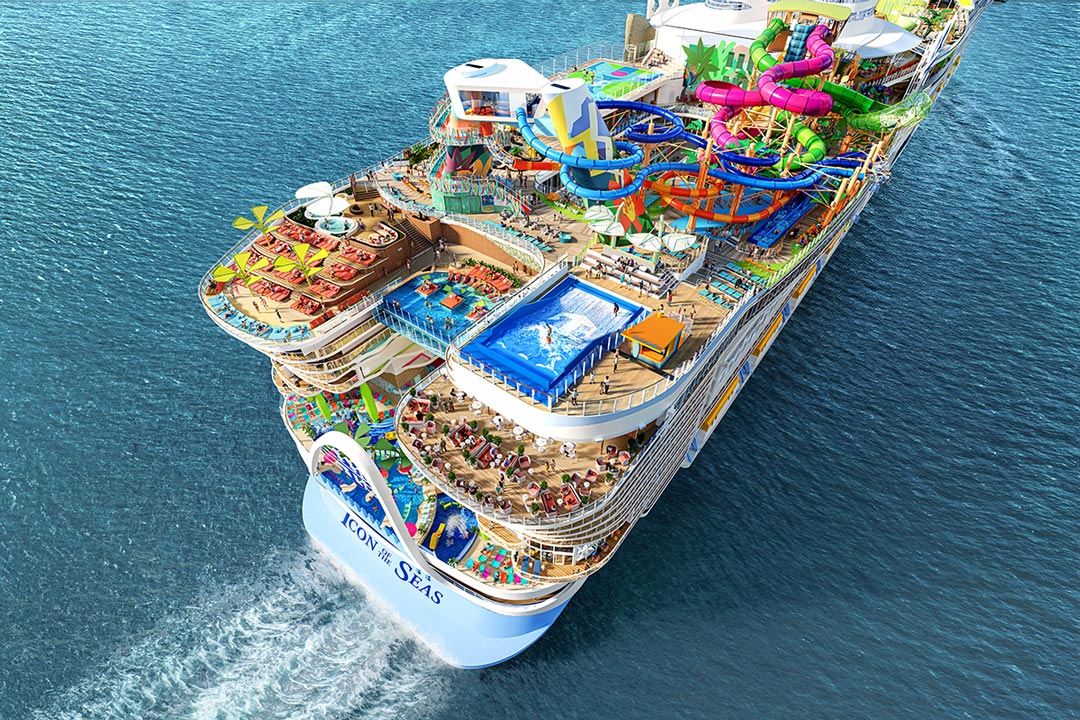
Royal Caribbean’s brand as an innovator and adventurer is evident in its elaborate onboard features: ice-skating rinks, surf simulators, rock-climbing walls, and even skydiving simulators. These aren’t just attractions; they are brand extensions that communicate excitement and groundbreaking experiences. In contrast, Oceania Cruises, known for its culinary excellence, places its brand emphasis on world-class dining, with multiple gourmet restaurants and a focus on destination-inspired cuisine. For Oceania, “best” in food and beverage is a core brand pillar, meticulously cultivated and marketed. Every amenity, from the smallest coffee shop to the largest theater, tells a story about what the brand stands for and what “best” means to its audience.
The Art of Distinction: Marketing and Brand Positioning in a Competitive Ocean
In a crowded marketplace with hundreds of ships and dozens of cruise lines, effective marketing and strategic brand positioning are paramount for standing out and being perceived as “the best” by one’s target demographic.
Visual Identity and Messaging: Communicating Unique Selling Propositions
A cruise brand’s visual identity—its logo, color palette, typography, and imagery—is the cornerstone of its communication strategy. This, combined with carefully crafted messaging, conveys the brand’s unique selling propositions (USPs) and differentiates it from competitors. Brands like Virgin Voyages use a distinctive, edgy visual style and playful, irreverent language to appeal to a younger, trend-conscious demographic, eschewing traditional cruise tropes. Their marketing emphasizes “adult-by-design” experiences and a “no-tipping” policy, clearly articulating their brand’s differentiation.
Conversely, a classic luxury brand might use elegant, subdued visuals and sophisticated language to convey exclusivity and refinement. The goal is always to create an immediate, compelling impression that aligns with the desired brand perception and answers the implicit question: “Why are we the best choice for you?”
Digital Presence and Storytelling: Engaging the Modern Consumer
In the digital age, a cruise brand’s online presence is critical for engaging consumers and building community. Websites, social media platforms, and digital advertising campaigns are used to tell the brand’s story, showcase experiences, and provide valuable information. High-quality photography and videography transport potential passengers directly onto the ships and into the destinations, creating an emotional connection.
Many cruise lines leverage influencer marketing and user-generated content to amplify their brand message, demonstrating authentic experiences through the eyes of real travelers. Brands that master digital storytelling can effectively communicate their ethos, foster aspirational imagery, and demonstrate why they are considered “best” by their loyal followers, encouraging new bookings and repeat business.
Partnerships and Alliances: Expanding Brand Reach
Strategic partnerships can significantly enhance a cruise brand’s reach, credibility, and appeal. Collaborating with renowned chefs, luxury goods brands, entertainment companies, or reputable tour operators can elevate the perceived value and unique offerings of a cruise line.
MSC Cruises, for instance, has partnered with global brands like LEGO and Chicco for their kids’ clubs, and with Cirque du Soleil for exclusive onboard entertainment, bolstering its family-friendly and entertainment-focused brand image. These alliances are not just marketing stunts; they are an integral part of the brand’s strategy to deliver unique, high-quality experiences that differentiate them in the market and reinforce their claim to be a “best-in-class” option for their audience.
Case Studies in Brand Mastery: Lessons from Leading Cruise Lines
To truly understand what makes a “best” cruise ship, it’s helpful to examine how some leading brands have successfully carved out their niches and maintained strong corporate identities.
Royal Caribbean: The Innovator and Thrill-Seeker Brand
Royal Caribbean has mastered the art of “bigger, bolder, better.” Its brand identity is built around innovation, adventure, and delivering “wow” moments. From the groundbreaking Oasis-class ships with their neighborhood concepts to unique features like the North Star observation capsule and robotic bartenders, Royal Caribbean consistently pushes the boundaries of what’s possible at sea. Their marketing highlights adrenaline-pumping activities and unparalleled entertainment, positioning them as the leader for active families and adventure-seeking travelers. They’ve effectively branded their ships as destinations in themselves, making “best” synonymous with ultimate onboard excitement.
Celebrity Cruises: Modern Luxury and Sophistication
Celebrity Cruises successfully repositioned itself as a premium brand offering “Modern Luxury.” Their corporate identity focuses on sophisticated design, exceptional cuisine, and attentive service, appealing to discerning adults and couples seeking a refined yet contemporary cruise experience. The Edge-class ships, with their innovative Magic Carpet and outward-facing designs, exemplify this brand philosophy, creating elegant spaces that connect guests with the sea. Celebrity’s marketing emphasizes culinary artistry, wellness, and destination immersion, targeting those who define “best” as understated elegance and contemporary comfort.
Virgin Voyages: Disrupting the Status Quo with a “Rebellious Luxe” Brand
Virgin Voyages burst onto the scene with a clear mission to disrupt the traditional cruise industry. Their “rebellious luxe” brand targets a younger, more alternative adult audience, shunning buffets and formal nights in favor of stylish eateries, vibrant nightlife, and a holistic wellness program. The entire experience, from the distinct red ship hulls to the tattooed mermaids in their branding, screams individuality and fresh thinking. By eliminating gratuities and focusing on an “adult-by-design” ethos, Virgin Voyages has built a strong, differentiated brand that clearly communicates who they are for (and who they are not for), making “best” mean progressive, chic, and playful.
Oceania Cruises: Culinary Excellence and Destination Focus
Oceania Cruises has built a powerful brand identity around “The Finest Cuisine at Sea™” and immersive destination experiences. Their corporate identity appeals to travelers who prioritize gourmet dining, unhurried itineraries, and an enriching cultural journey. Their smaller, mid-sized ships foster an atmosphere of understated elegance and allow access to more boutique ports. Oceania’s marketing consistently highlights its master chefs, diverse culinary venues, and carefully curated shore excursions, positioning them as the “best” choice for foodies and culturally curious travelers seeking an enriching and sophisticated voyage.
Navigating Tomorrow: The Evolution of Cruise Ship Branding
The cruise industry is constantly evolving, driven by changing consumer demands, technological advancements, and a growing emphasis on sustainability. Future cruise brands will need to adapt their strategies to remain relevant and continue to be considered “the best” by new generations of travelers.
Sustainability as a Brand Pillar: Eco-Conscious Identity
As environmental concerns become paramount, sustainability is rapidly transforming from a corporate responsibility into a powerful brand differentiator. Cruise lines that can authentically integrate eco-friendly practices—from advanced waste management systems and efficient propulsion technologies to sustainable sourcing and responsible tourism initiatives—will gain a significant competitive edge. Brands like Hurtigruten Expeditions already have sustainability at their core, building their entire identity around responsible exploration. In the future, “best” will increasingly encompass a brand’s commitment to protecting the oceans and the communities it visits, appealing to a growing segment of environmentally conscious travelers.
Technology Integration: Enhancing the Branded Experience
Technology will continue to play a pivotal role in shaping the cruise experience and branding. From seamless digital check-ins and personalized app-based services to virtual reality experiences and AI-powered concierges, smart technology will enhance convenience, customization, and engagement. Brands that can seamlessly integrate these technologies to create intuitive and immersive experiences will reinforce their modern and forward-thinking corporate identity. This includes leveraging data to understand passenger preferences and tailor offerings, making the “best” cruise ship one that feels effortlessly connected and personalized.

Personalization and Customization: The Future of “Best”
The ultimate evolution of “best” in cruise ship branding lies in hyper-personalization. As brands collect more data and refine their understanding of individual travelers, the ability to offer highly customized itineraries, dining experiences, entertainment options, and even cabin configurations will become a key differentiator. The future “best” cruise ship won’t be a one-size-fits-all product but rather a dynamic platform that adapts to each passenger’s desires, creating a unique and bespoke journey. This level of customization, powered by sophisticated brand intelligence, will allow cruise lines to truly deliver on the promise of an individualized “best” experience, fostering unparalleled loyalty and satisfaction.
In conclusion, “what’s the best cruise ship?” is a multifaceted question best answered through the lens of brand strategy. The “best” cruise ship is ultimately the one whose brand identity—its vision, values, target audience, design, service, and marketing—most perfectly aligns with an individual traveler’s desires. As the industry continues to innovate, the brands that master the art of differentiation, consistent delivery, and adaptive evolution will be the ones that consistently claim the title of “best” in the hearts and minds of their loyal passengers.
aViewFromTheCave is a participant in the Amazon Services LLC Associates Program, an affiliate advertising program designed to provide a means for sites to earn advertising fees by advertising and linking to Amazon.com. Amazon, the Amazon logo, AmazonSupply, and the AmazonSupply logo are trademarks of Amazon.com, Inc. or its affiliates. As an Amazon Associate we earn affiliate commissions from qualifying purchases.