
The story of Microsoft’s inception is not merely a tale of entrepreneurial ambition; it’s a foundational chapter in the annals of modern technology, a pivotal moment that irrevocably shaped the digital landscape we inhabit today. To understand “when did Bill Gates start Microsoft,” one must first immerse themselves in the nascent, almost mythological era of computing, a time when the very concept of a personal computer was a fringe idea, and software was an unchartered frontier.
The Dawn of a Digital Revolution: Pre-Microsoft Landscape
Before Microsoft became synonymous with operating systems and ubiquitous software, the world of computing was a vastly different place. It was a realm dominated by mainframes and minicomputers, machines that filled entire rooms, required specialized operators, and were accessible only to large corporations, governments, and academic institutions. The notion of a computer in every home, let alone on every desk, seemed like science fiction.
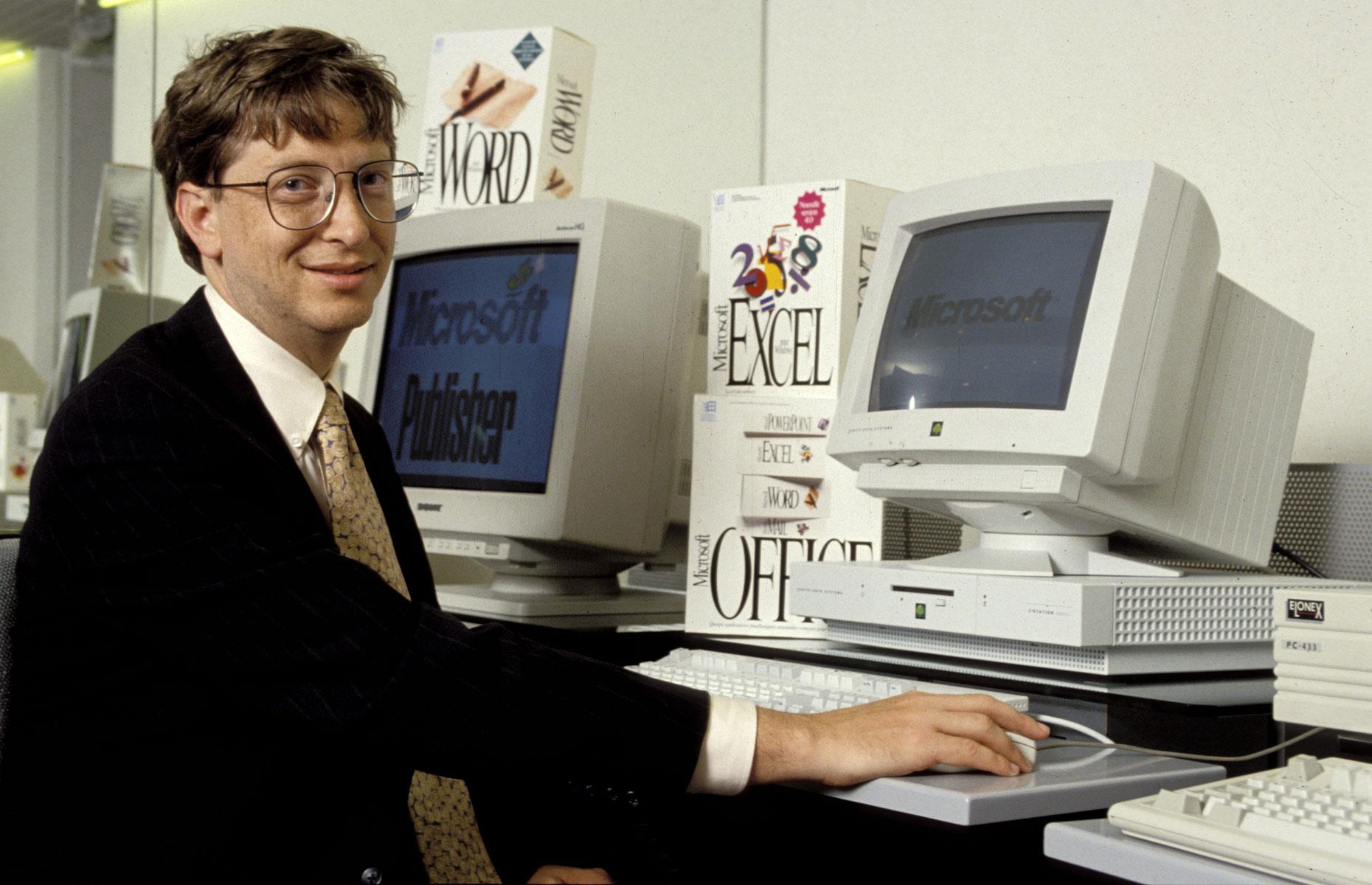
A World Without Widespread Personal Computing
In the early 1970s, computing power was a scarce and expensive commodity. Mainframe systems from giants like IBM processed data for large-scale operations, while smaller, albeit still substantial, minicomputers served departmental needs. Programmers communicated with these machines using punch cards or specialized terminals, writing code in esoteric languages that bore little resemblance to the user-friendly interfaces we know today. The focus was on raw processing power and efficiency for complex tasks, not on individual productivity or accessibility.
The concept of “software” as a distinct product, sold separately from hardware, was still evolving. Often, software was custom-built for specific machines or bundled as part of a larger hardware package. The idea of a universal software platform, one that could run on various machines and be easily distributed, was nascent. There was no established market for consumer software because there were virtually no consumer computers. The digital divide was not just between those with and without internet access; it was between institutions with multi-million dollar computing infrastructures and virtually everyone else. This environment, while seemingly restrictive, was ripe for disruption, waiting for a catalyst to democratize computing power.
The Altair 8800 and the Spark of Opportunity
The catalyst arrived in 1975 with the introduction of the MITS Altair 8800. Featured on the cover of Popular Electronics magazine, the Altair was groundbreaking: it was marketed as a “minicomputer kit” that hobbyists could assemble themselves. While rudimentary by today’s standards – lacking a keyboard, monitor, or even a robust operating system – it was affordable and accessible, igniting the imagination of a generation of electronics enthusiasts.
For Bill Gates and Paul Allen, two childhood friends with an insatiable passion for computers and programming, the Altair 8800 was more than just a new gadget; it was a revelation. They instantly recognized its potential, but also its critical limitation: without software, the Altair was merely an impressive collection of blinking lights and switches. Its native programming language was machine code, making it incredibly challenging for average users to program. This void presented an unparalleled opportunity: the chance to create software that could make personal computing genuinely usable and accessible to a wider audience. The Altair wasn’t just a computer; it was a blank slate, beckoning for a sophisticated operating system and programming languages that would unlock its true capabilities.
The Inception of Microsoft: A Vision for Software
It was in this fertile ground of technological potential and market vacuum that Microsoft was conceived. Bill Gates and Paul Allen, sensing the imminent dawn of the personal computer era, made a audacious gamble that would forever alter the course of history.
Paul Allen, Bill Gates, and the BASIC Interpreter
The spark for Microsoft was ignited by the Altair. Bill Gates and Paul Allen, then students (Gates at Harvard, Allen working for Honeywell), saw the Popular Electronics article and immediately understood the implications. They believed that if personal computers were to become widespread, they would need a user-friendly programming language. Their audacious proposal to MITS (Micro Instrumentation and Telemetry Systems), the creators of the Altair, was simple yet revolutionary: they could develop a BASIC interpreter for the machine.
BASIC (Beginner’s All-purpose Symbolic Instruction Code) was already a popular high-level programming language, known for its relative simplicity and ease of use compared to assembly language. Gates and Allen, despite not having an Altair themselves, worked feverishly on a simulator they built on a mainframe computer at Harvard. Paul Allen even flew to Albuquerque, New Mexico, where MITS was based, to demonstrate their interpreter. In a moment of high drama and brilliant improvisation, Allen debugged the code on the flight and managed to get it running on an actual Altair, delivering a flawless demonstration. MITS was impressed and agreed to license their Altair BASIC. This success validated their vision and proved the commercial viability of independent software development. It wasn’t just about making a program; it was about laying the groundwork for an entire industry focused on abstracting complex hardware interactions into more human-readable forms.
The Official Founding and Early Operations
With the successful development and licensing of Altair BASIC, Gates and Allen realized they needed to formalize their partnership and establish a legitimate business entity. While the work on BASIC had been ongoing in late 1974 and early 1975, the official date often cited for Microsoft’s founding is April 4, 1975. It was on this date that Bill Gates and Paul Allen formalized their partnership in Albuquerque, New Mexico, where they had relocated to be closer to MITS.
Initially, the company was not even called Microsoft. For a brief period, they considered “Allen & Gates.” However, they settled on the portmanteau “Micro-Soft,” combining “microcomputer” and “software,” eventually dropping the hyphen to become “Microsoft.” Their initial office was modest, and their early team was small, consisting primarily of Gates, Allen, and a handful of other dedicated individuals. Their days were spent coding, debugging, and envisioning a future where software would be the driving force behind the burgeoning personal computer industry. They operated with a lean, agile approach, characteristic of a startup, focused entirely on delivering quality software solutions that made hardware truly useful.
Microsoft’s Initial Mission: Software for Every Computer
From its very beginnings, Microsoft’s mission was clear: to make computing accessible by providing robust, easy-to-use software. Their initial focus was squarely on programming languages. They believed that for personal computers to thrive, developers and hobbyists needed the tools to create their own applications. Altair BASIC was just the beginning. The strategy was not to build hardware, but to build the foundational software layer that would power any hardware.
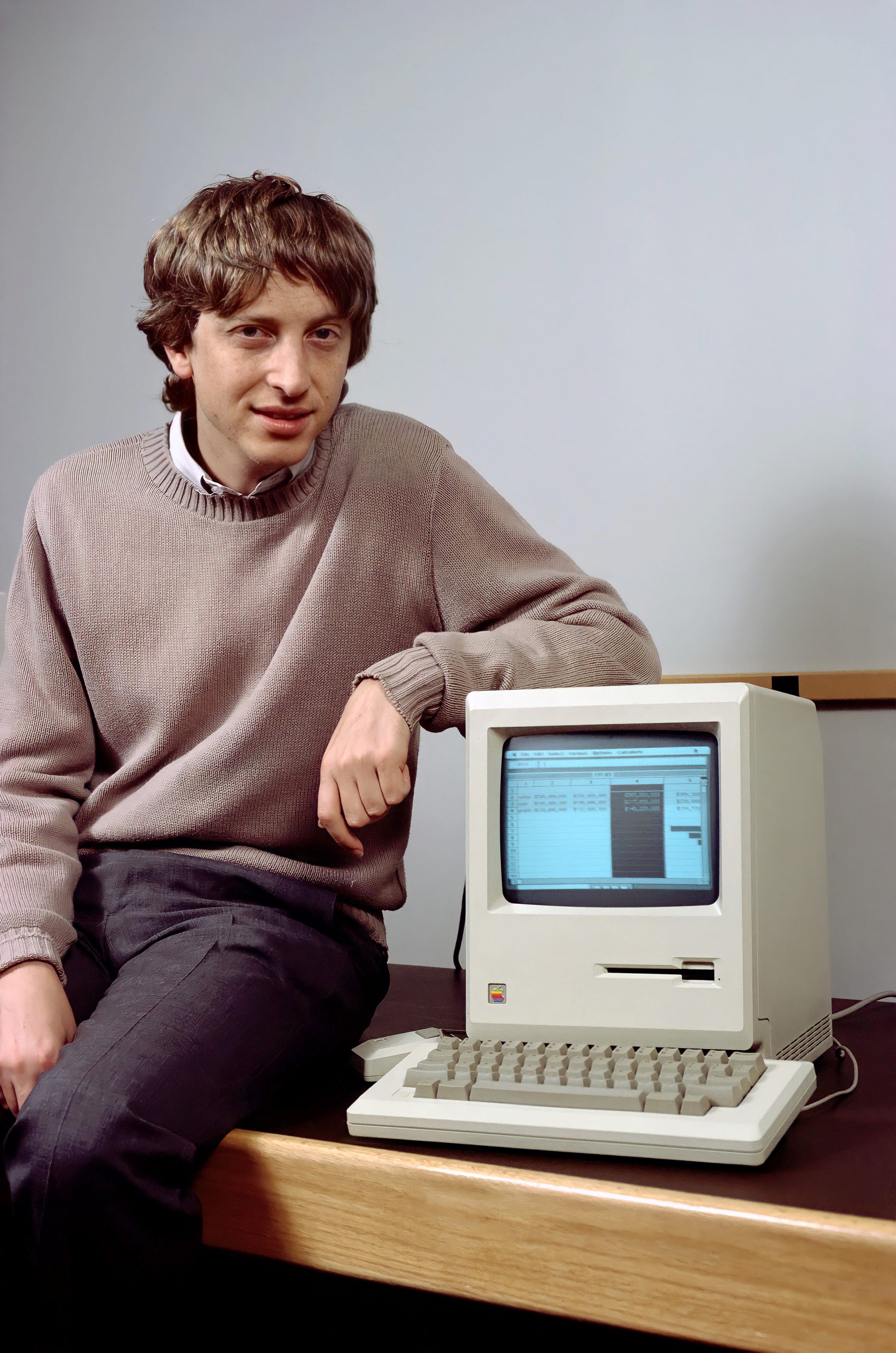
Gates famously articulated the vision of “a computer on every desk and in every home,” a bold and almost unimaginable prospect at the time. To achieve this, software had to be universal, portable, and powerful. Microsoft wasn’t just selling a product; they were selling the potential of computing. By focusing on programming languages, they empowered others to innovate, creating an ecosystem where software could flourish. This early decision to be a software-only company, rather than a hardware manufacturer, proved to be a strategic masterstroke, allowing them to collaborate with numerous hardware vendors and establish their software as an industry standard.
Microsoft’s Formative Years: Shaping the Software Ecosystem
Following its founding, Microsoft rapidly expanded its scope beyond a single BASIC interpreter. The late 1970s and early 1980s were a period of intense innovation and strategic maneuvering that would cement Microsoft’s position at the forefront of the burgeoning personal computer industry.
Expanding the Language Portfolio: Beyond BASIC
Recognizing that different applications and programming paradigms required different tools, Microsoft quickly expanded its portfolio of programming languages. They developed versions of BASIC for a multitude of microprocessors and computer architectures, essentially becoming the dominant provider of BASIC interpreters for the exploding personal computer market. But they didn’t stop there.
Microsoft understood the broader needs of the developing software community. They developed and licensed versions of other popular programming languages, including FORTRAN, COBOL, and Pascal, for microcomputers. These languages catered to more sophisticated business and scientific applications, broadening the appeal and capabilities of personal computers beyond the hobbyist sphere. By providing these essential development tools, Microsoft effectively lowered the barrier to entry for software developers, fostering a rich ecosystem of applications that could run on various machines. This strategy positioned Microsoft not just as a software vendor, but as an enabler of the entire personal computing revolution, providing the very grammar and lexicon through which digital ideas could be expressed.
The IBM PC Deal: A Game-Changer
While Microsoft’s programming languages were important, it was the landmark deal with IBM in 1980 that truly catapulted the company into a position of unparalleled influence. IBM, the undisputed titan of the computing industry, was preparing to enter the personal computer market with its “IBM PC.” Critically, IBM needed an operating system and programming languages for its new machine.
In a move that would become legendary in tech history, IBM approached Microsoft for a BASIC interpreter and an operating system. Microsoft famously did not have an operating system of its own readily available. However, in a brilliant display of business acumen and quick thinking, Bill Gates purchased an operating system called QDOS (Quick and Dirty Operating System) from Seattle Computer Products, rebranded it as MS-DOS (Microsoft Disk Operating System), and licensed it to IBM. Crucially, Microsoft retained the rights to license MS-DOS to other hardware manufacturers.
This non-exclusive licensing agreement was the linchpin of Microsoft’s future success. As the IBM PC became the industry standard, many other manufacturers began creating “IBM PC compatibles.” Since Microsoft held the rights to MS-DOS, it could license the operating system to all these clone manufacturers. This strategy allowed Microsoft to scale its operating system across the entire nascent PC industry, establishing MS-DOS as the de facto standard and creating a critical dependency on Microsoft’s software. It wasn’t just a deal; it was a foundational power play that made Microsoft the gatekeeper of the PC operating system.
The Rise of Graphical User Interfaces: Windows Takes Shape
Even as MS-DOS dominated, Bill Gates and his team recognized its limitations. The command-line interface, while powerful, was not intuitive for the average user. The future, they believed, lay in graphical user interfaces (GUIs), which had been pioneered at Xerox PARC and popularized by Apple’s Macintosh. Microsoft understood that for computers to truly enter every home and office, they needed to be as easy to use as an appliance.
Thus began the ambitious project to develop a graphical operating environment atop MS-DOS, which would eventually become Microsoft Windows. The initial announcement for Windows came in 1983, with its first public release, Windows 1.0, arriving in 1985. While early versions of Windows were met with mixed reviews and competed fiercely with other GUI environments like GEOS and later OS/2, the vision was clear. Microsoft was investing heavily in an intuitive visual interface that would transform how users interacted with their personal computers, moving away from text commands to a world of icons, menus, and mouse clicks. This long-term bet on GUIs, despite early challenges, proved to be another prescient move that would ensure Microsoft’s continued dominance through the next wave of technological evolution.
Enduring Legacy and Future Horizons
From its humble beginnings in Albuquerque in 1975, Microsoft has not only endured but thrived, becoming one of the most influential companies in the history of technology. Its early decisions and innovations laid the groundwork for the modern computing era.
From Startup to Tech Giant: Microsoft’s Impact
Microsoft’s journey from a small startup focused on a BASIC interpreter to a global technology behemoth is a testament to its foundational vision and strategic execution. The decisions made by Bill Gates and Paul Allen in those early years — particularly the focus on software over hardware, the non-exclusive licensing of MS-DOS, and the early recognition of the importance of GUIs — created a domino effect that shaped the entire personal computer industry.
By establishing MS-DOS as the standard operating system for IBM PCs and their compatibles, Microsoft effectively standardized the software layer across a fragmented hardware market. This standardization, in turn, fueled the exponential growth of software development, as developers could create applications knowing they would run on a vast installed base of machines. The subsequent success of Windows further solidified this dominance, making Microsoft’s operating system and productivity suite (Office) virtually indispensable in business and personal computing for decades. The company’s origins profoundly influenced how software is developed, distributed, and consumed, making personal computing a mass-market phenomenon rather than a niche hobby.

Continuous Innovation and Adaptation
While the question “when did Bill Gates start Microsoft” points to a specific historical event, Microsoft’s story is one of continuous evolution and adaptation. The company, under various leaders including Bill Gates, Steve Ballmer, and Satya Nadella, has navigated numerous technological shifts. From the initial focus on programming languages and operating systems, Microsoft expanded into application software (Microsoft Office), enterprise solutions, gaming (Xbox), web services, and cloud computing (Azure).
In recent years, Microsoft has embraced open-source technologies, artificial intelligence, and mixed reality, demonstrating a willingness to pivot and innovate beyond its traditional strongholds. While Bill Gates has transitioned from his full-time role at Microsoft to focus on philanthropy, the company he co-founded in 1975 remains a powerhouse of technological innovation, constantly redefining its role in an ever-changing digital world. The DNA of a software-first company, established in its very first days, continues to drive its strategy, ensuring its relevance far beyond the initial promise of a computer on every desk.
aViewFromTheCave is a participant in the Amazon Services LLC Associates Program, an affiliate advertising program designed to provide a means for sites to earn advertising fees by advertising and linking to Amazon.com. Amazon, the Amazon logo, AmazonSupply, and the AmazonSupply logo are trademarks of Amazon.com, Inc. or its affiliates. As an Amazon Associate we earn affiliate commissions from qualifying purchases.