
Marketing, at its core, is the engine that drives a business forward. It’s the strategic endeavor to connect with potential customers, understand their needs, and ultimately persuade them to choose your product or service. But what truly defines successful marketing? It’s not just about shouting from the rooftops; it’s about setting clear, actionable goals that guide every campaign, every piece of content, and every interaction. These goals, when aligned with the overarching objectives of the business, lay the foundation for sustainable growth and a strong market presence.
In today’s dynamic landscape, where technology evolves at lightning speed and consumer behavior is increasingly complex, understanding the fundamental goals of marketing is more crucial than ever. This article will delve into the multifaceted objectives that underpin effective marketing strategies, exploring how they integrate with the core pillars of Tech, Brand, and Money, and how achieving them fuels a business’s success.
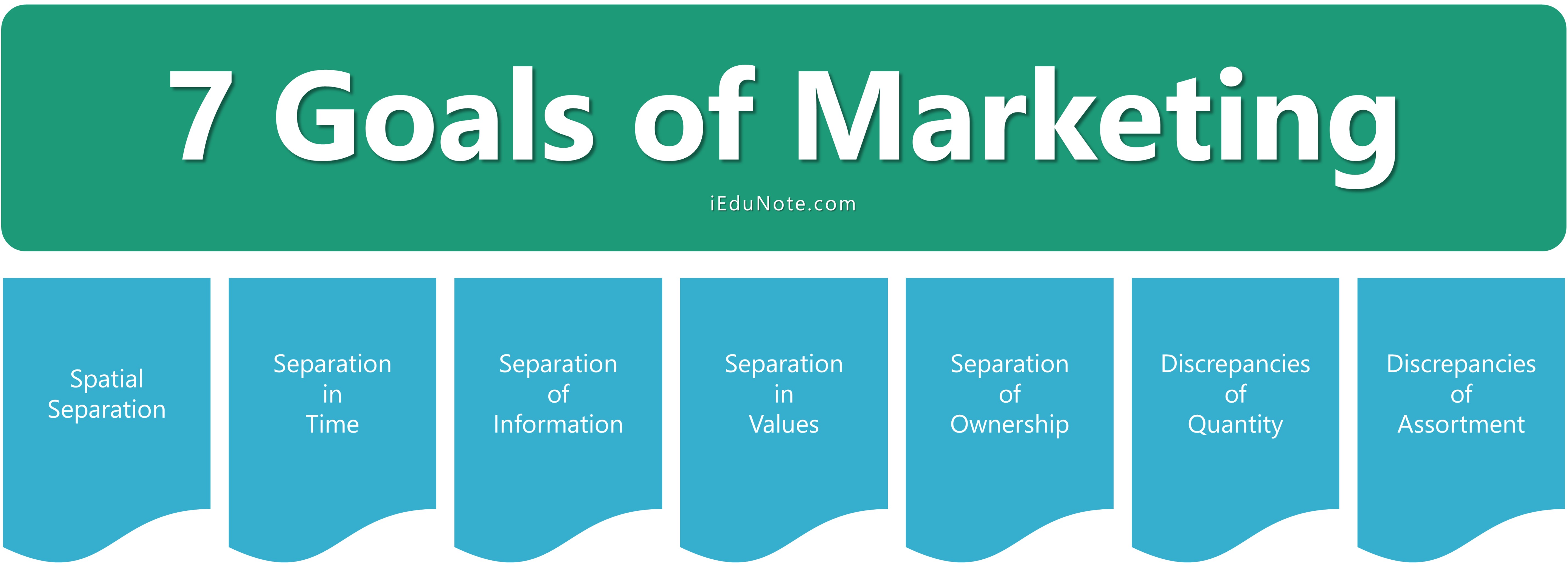
Understanding the Core Objectives of Marketing
The goals of marketing are not a monolithic entity. Instead, they are a spectrum of aspirations, each contributing to the overall health and prosperity of an organization. While the ultimate aim might be profit, the path to achieving it is paved with a series of interconnected objectives. These can be broadly categorized into building awareness, generating demand, fostering loyalty, and driving revenue.
Building Brand Awareness and Recognition
Before you can sell anything, people need to know you exist. Brand awareness is the foundational goal of most marketing efforts. It’s about ensuring that your target audience recognizes your brand name, logo, and perhaps even your core message. This doesn’t just mean making a fleeting impression; it means embedding your brand within the consciousness of potential customers so that when a need arises that you can fulfill, you are among the first—if not the first—options they consider.
-
The Role of Technology in Awareness: In the digital age, technology is a powerful amplifier of brand awareness. Through Search Engine Optimization (SEO), social media marketing, content creation (blog posts, videos, podcasts), and digital advertising (pay-per-click campaigns), businesses can reach vast audiences with precision. AI-powered tools can help identify target demographics, personalize messaging, and optimize ad spend for maximum impact. Furthermore, emerging tech trends like augmented reality (AR) and virtual reality (VR) offer innovative ways to create immersive brand experiences, leaving a lasting impression. Apps and gadgets can also be leveraged to build brand presence, perhaps through interactive features or unique utility. Digital security also plays a role here; a brand that demonstrates strong security practices builds trust, which is a crucial component of awareness.
-
Establishing a Distinct Corporate Identity: Beyond simply being known, effective marketing aims to establish a strong corporate identity. This involves defining what your brand stands for – its values, its mission, its unique selling proposition (USP). This identity should be consistently communicated across all touchpoints, from your website design and packaging to your customer service interactions. This is where the “Brand” pillar of our website truly shines. Marketing plays a pivotal role in shaping and communicating this identity, ensuring that it resonates with the target audience and differentiates the brand from its competitors. Case studies, for instance, become powerful tools to demonstrate the tangible benefits of a brand’s offerings and solidify its reputation.
Generating Demand and Driving Engagement
Once awareness is established, the next crucial goal is to generate demand for your products or services. This involves not just informing people about your existence, but also educating them about the problems you solve and the value you provide. Demand generation is about sparking interest, nurturing leads, and encouraging potential customers to move further down the sales funnel.
-
The Power of Persuasive Content and Design: Effective marketing content is persuasive, informative, and engaging. It speaks directly to the pain points and aspirations of the target audience, offering solutions and highlighting benefits. This is where strong copywriting, compelling visuals, and strategic storytelling come into play. Design, a fundamental aspect of the “Brand” pillar, is paramount here. A well-designed website, attractive product packaging, and visually appealing marketing materials can significantly influence perception and drive engagement. AI tools are increasingly being used to personalize content recommendations, optimize email marketing, and even generate ad copy, making demand generation more efficient and targeted.
-
Leveraging Digital Tools for Lead Capture: The digital realm offers a plethora of tools for lead generation and nurturing. This includes landing pages with clear calls to action (CTAs), lead magnets (e.g., e-books, webinars, free trials) that incentivize users to share their contact information, and email marketing automation platforms that allow for personalized follow-ups. The “Tech” pillar is central to this, providing the infrastructure and tools necessary to capture, manage, and engage with potential customers effectively. Productivity apps can also streamline the lead management process for marketing and sales teams.
Cultivating Customer Loyalty and Advocacy
Acquiring new customers is essential, but retaining existing ones is often more cost-effective and leads to more sustainable growth. Customer loyalty is the goal of fostering repeat business and building strong, long-term relationships with your customer base. Loyal customers are not only repeat purchasers but also become valuable brand advocates, spreading positive word-of-mouth and influencing others.
-
Personalized Experiences and Exceptional Service: In today’s competitive market, personalization is key to building loyalty. This involves understanding individual customer preferences and tailoring experiences accordingly, whether through personalized product recommendations, customized communication, or exclusive offers. Exceptional customer service is non-negotiable. Technology plays a vital role in enabling personalized experiences, from CRM systems that track customer interactions to AI-powered chatbots that provide instant support. The “Brand” pillar guides the development of a customer-centric culture, ensuring that every interaction reinforces positive brand perception.
-
Building Community and Fostering Relationships: Beyond transactional interactions, effective marketing aims to build a sense of community around the brand. This can be achieved through social media engagement, loyalty programs, exclusive online forums, or events. By fostering genuine relationships, brands can create a tribe of loyal followers who feel connected to the brand’s mission and values. This strengthens brand equity and fosters a sense of belonging, transforming customers into active participants in the brand’s journey.
Driving Revenue and Profitability
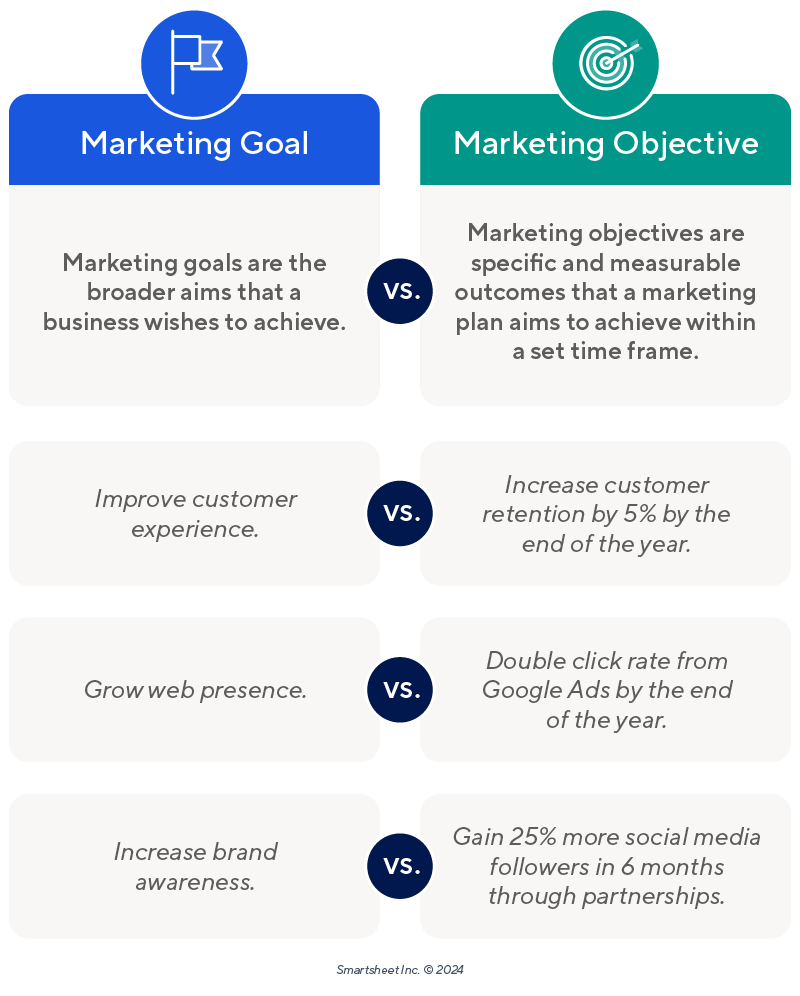
Ultimately, all marketing efforts are geared towards contributing to the financial success of the business. Driving revenue and profitability is the bottom-line goal that underpins all other marketing objectives. This involves not only increasing sales but also doing so in a cost-effective manner, ensuring a healthy return on investment (ROI).
-
Strategic Pricing and Value Proposition: The “Money” pillar is where the financial outcomes of marketing become most apparent. Effective marketing strategies must align with pricing strategies to ensure that products and services are perceived as valuable and affordable. The value proposition must be clearly communicated, justifying the price point and highlighting the benefits that outweigh the cost. This requires a deep understanding of market dynamics, competitor pricing, and customer willingness to pay.
-
Measuring ROI and Optimizing Campaigns: To ensure marketing efforts are financially effective, robust measurement and analysis are crucial. This involves tracking key performance indicators (KPIs) such as customer acquisition cost (CAC), customer lifetime value (CLTV), conversion rates, and marketing ROI. AI tools and financial dashboards provide invaluable insights into campaign performance, allowing marketers to identify what’s working, what’s not, and where to allocate resources for maximum impact. This data-driven approach is essential for optimizing campaigns and ensuring that marketing investments translate into tangible financial gains. Online income strategies and side hustle potential are also intrinsically linked to successful marketing, as effective promotion can turn personal ventures into profitable enterprises.
The Interplay Between Marketing Goals and Business Pillars
The goals of marketing are not isolated endeavors; they are deeply intertwined with the fundamental pillars of any successful modern enterprise: Tech, Brand, and Money.
Tech: The Engine of Modern Marketing Execution
Technology is no longer just a supporting element; it’s the very fabric of contemporary marketing. From the initial ideation and research to the execution and measurement of campaigns, technology empowers marketers to be more efficient, effective, and data-driven.
-
AI and Automation in Marketing: Artificial intelligence is revolutionizing how marketing is done. AI-powered tools can automate repetitive tasks, analyze vast amounts of data to identify trends and customer insights, personalize customer experiences at scale, and even generate creative content. For example, AI can optimize ad bidding in real-time, predict customer churn, and recommend the next best action for a sales representative. This frees up marketers to focus on higher-level strategic thinking and creative execution.
-
Digital Platforms and Tools: The digital landscape is replete with platforms and tools that marketers leverage to achieve their goals. Social media platforms allow for direct engagement with audiences, content management systems (CMS) facilitate the creation and distribution of content, email marketing software enables targeted communication, and analytics tools provide crucial performance metrics. Apps and gadgets can serve as direct channels for customer interaction and data collection, further enhancing marketing efforts. Digital security, in this context, becomes paramount as it safeguards sensitive customer data and maintains brand trust.
Brand: The Heartbeat of Customer Connection
The “Brand” pillar is where marketing truly finds its soul. A strong brand is more than just a logo; it’s a promise, a set of values, and an emotional connection with customers. Marketing’s primary goal is to build, nurture, and communicate this brand identity.
-
Crafting a Compelling Narrative: Effective marketing tells a story. It goes beyond simply listing features and benefits; it articulates a narrative that resonates with the target audience’s aspirations, challenges, and values. This narrative is built through consistent messaging across all channels, from website copy and social media posts to advertising campaigns and public relations efforts.
-
Building Trust and Reputation: Marketing plays a crucial role in shaping a brand’s reputation. Positive customer reviews, strong case studies, and consistent delivery on brand promises all contribute to building trust. Conversely, poorly executed marketing can damage a brand’s reputation. In today’s transparent digital world, managing online reputation is a continuous marketing objective. Personal branding, for individuals and entrepreneurs, is also a critical aspect of this, ensuring their online persona aligns with their professional goals.
Money: The Measure of Marketing Success
Ultimately, the success of marketing efforts is measured by their financial impact. The “Money” pillar is where the tangible results of marketing are realized.
-
Driving Sales and Revenue Growth: The most direct goal of marketing is to drive sales and, consequently, revenue growth. This is achieved by attracting qualified leads, converting them into customers, and encouraging repeat purchases. Marketing strategies must be designed to directly influence purchasing decisions and contribute to the company’s bottom line.
-
Optimizing Financial Performance: Beyond just generating revenue, effective marketing also focuses on optimizing financial performance. This involves understanding customer acquisition costs (CAC), maximizing customer lifetime value (CLTV), and achieving a positive return on marketing investment (ROI). Financial tools and analytics are essential for tracking these metrics and making data-driven decisions to improve profitability. For individuals and small businesses, mastering online income streams and side hustles often relies heavily on effective marketing to reach potential clients and customers.
Conclusion: A Holistic Approach to Marketing Goals
The goals of marketing are diverse, dynamic, and deeply interconnected with the technological, branding, and financial strategies of any organization. From building initial awareness and sparking demand to cultivating lasting customer loyalty and driving revenue, each objective plays a vital role in the overall success of a business.
In the current era, where technology provides unprecedented tools for reach and personalization, and where brand perception is paramount in a crowded marketplace, a holistic approach to marketing is no longer optional – it’s essential. By strategically aligning marketing goals with the capabilities of new technologies, the essence of the brand, and the imperative of financial success, businesses can navigate the complexities of the modern market and achieve sustainable, profitable growth. The continuous pursuit and refinement of these goals, informed by data and driven by a deep understanding of the customer, will remain the hallmark of effective marketing for years to come.
aViewFromTheCave is a participant in the Amazon Services LLC Associates Program, an affiliate advertising program designed to provide a means for sites to earn advertising fees by advertising and linking to Amazon.com. Amazon, the Amazon logo, AmazonSupply, and the AmazonSupply logo are trademarks of Amazon.com, Inc. or its affiliates. As an Amazon Associate we earn affiliate commissions from qualifying purchases.