
Navigating the landscape of student loan debt can feel like traversing a dense jungle without a compass. For millions, student loans represent a significant financial commitment, often stretching over decades. Yet, a surprising number of borrowers are not fully aware of the specifics of their loans – balances, interest rates, servicers, or even their repayment status. This lack of awareness can lead to missed payments, accumulating interest, default, and ultimately, severe damage to one’s financial health.
Understanding how to check your student loans is not merely a bureaucratic task; it’s a foundational step towards taking control of your financial future. It empowers you to make informed decisions, strategize your repayment, and potentially save thousands of dollars over the life of your loans. Whether you’re fresh out of college, years into your career, or considering returning to school, regularly monitoring your student loan accounts is a crucial habit for responsible financial management. This comprehensive guide will walk you through the essential steps, resources, and insights needed to effectively check and manage your student loans, transforming confusion into clarity and anxiety into actionable plans.
The Importance of Knowing Your Student Loan Status
Proactive management of student loans begins with a clear understanding of their current status. Ignoring your loans, hoping they will somehow manage themselves, is a perilous strategy that can lead to significant financial distress. Instead, embracing transparency and knowledge offers a multitude of benefits, from preventing costly errors to unlocking opportunities for financial optimization.
Preventing Costly Mistakes
One of the most immediate benefits of regularly checking your student loans is the ability to prevent costly mistakes. Forgetting a payment due date, not realizing a deferment period has ended, or misunderstanding the terms of your loan can lead to late fees, increased interest accrual, and a negative impact on your credit score. If a loan goes into default, the consequences can be severe, including wage garnishment, tax refund offset, and even professional license suspension. By staying informed, you can catch discrepancies early, update your contact information if it changes, and ensure you’re always making timely payments. Moreover, identifying potential errors made by your loan servicer, such as incorrect payment applications or miscalculations of interest, can save you a significant amount of money and stress in the long run. Regular checks act as your personal financial audit, ensuring that everything is in order and that you are not paying more than you owe.
Empowering Financial Decisions
Beyond preventing errors, knowing your student loan status empowers you to make smarter financial decisions. When you have a clear picture of your total debt, individual loan balances, interest rates, and repayment terms, you can more effectively budget your income. This clarity enables you to prioritize which loans to pay down first (e.g., those with the highest interest rates, often called the “debt avalanche” method), explore refinancing options for better rates, or consolidate multiple loans for simpler management. Furthermore, understanding your eligibility for various repayment plans – such as income-driven repayment (IDR) options for federal loans – can significantly reduce your monthly burden during periods of financial strain. Without this information, you’re essentially flying blind, unable to formulate an effective strategy to tackle one of your largest financial obligations.
Navigating Life Changes
Life is unpredictable, and your financial situation can change dramatically over time due to career shifts, marriage, family expansion, or unexpected expenses. Your student loan strategy needs to be flexible enough to adapt to these changes. Regularly checking your loans ensures you’re aware of how these life events might impact your repayment. For instance, a new job with a higher salary might mean you can afford to accelerate payments, while job loss or a significant reduction in income might necessitate exploring deferment, forbearance, or an income-driven repayment plan. Marriage can also have implications, especially for IDR plans where household income might be considered. By staying updated, you can proactively adjust your repayment plan, communicate effectively with your loan servicer, and ensure your loans remain manageable, regardless of what life throws your way.
How to Access Your Federal Student Loan Information
For many borrowers, federal student loans represent the largest portion of their educational debt. Fortunately, there are centralized resources specifically designed to help you track and manage these loans with relative ease. Understanding where to look and what information to expect is key.
The National Student Loan Data System (NSLDS)
The National Student Loan Data System (NSLDS) is the U.S. Department of Education’s central database for student aid. It contains information on all federal grants and loans, including the type of loan, the original loan amount, the current balance, the interest rate, the loan status (e.g., in-school, grace, repayment, deferment, forbearance, default), and, crucially, the contact information for your loan servicer(s). To access your information, you’ll need your FSA ID, which serves as your electronic signature and allows you to access federal student aid websites. The NSLDS is an invaluable tool, providing a holistic view of all your federal student loans in one place, which is particularly helpful if you have multiple loans from different academic periods or institutions. It’s the first stop for anyone looking to get a comprehensive overview of their federal student debt portfolio.
Your Loan Servicer’s Website
Once you’ve identified your loan servicer(s) through NSLDS, the next step is to visit their respective websites. Your loan servicer is the company that handles the billing and other services for your federal student loan. Popular servicers include Nelnet, Great Lakes (now Nelnet), MOHELA, and Aidvantage. On your servicer’s website, you’ll typically need to create an account or log in with existing credentials. Here, you’ll find more detailed, real-time information than what’s available on NSLDS. This includes your exact current balance, next payment due date, payment history, interest accrued since your last payment, options to make payments, sign up for auto-debit, change your repayment plan, or apply for deferment or forbearance. The servicer’s portal is your day-to-day command center for managing your federal loans.
Contacting Your Servicer Directly
While online portals offer significant convenience, there are times when speaking directly with your loan servicer is necessary. This might be to clarify complex issues, resolve payment disputes, discuss options for financial hardship, or get personalized advice on repayment plans. Before calling, it’s wise to gather all relevant account information, including your account number, and prepare a list of specific questions. Be prepared for potentially long wait times, but remember that directly communicating with your servicer can often provide the most accurate and nuanced answers to your specific situation. Keep detailed notes of your conversations, including the date, time, the representative’s name, and the outcome of the discussion, as this can be invaluable for future reference.
How to Access Your Private Student Loan Information
Unlike federal student loans, private student loans are issued by banks, credit unions, and state-affiliated organizations, and they do not appear on the NSLDS database. This means tracking them requires a different approach, often involving direct communication with the lender and leveraging your credit report.
Contacting Your Private Lender Directly
The most direct way to check your private student loans is to contact the lender directly. If you remember which bank or financial institution issued your loan (e.g., Sallie Mae, Discover, Wells Fargo, etc.), visit their website. Similar to federal loan servicers, private lenders will typically have an online portal where you can create an account or log in to view your loan details. Here, you’ll find information on your current balance, interest rate, payment history, and payment due dates. If you’re unsure who your private lender is, scour your old financial documents, email archives, or bank statements for any records of the loan or payments made. Some private loans may also have servicers that manage the loan on behalf of the lender, so be sure to differentiate between the two.
Checking Your Credit Report
Your credit report is an indispensable tool for identifying all your outstanding debts, including private student loans. Lenders report private student loans to the three major credit bureaus (Equifax, Experian, and TransUnion). By law, you are entitled to a free copy of your credit report from each of these bureaus once every 12 months through AnnualCreditReport.com. When you receive your reports, carefully review the “accounts” or “trade lines” section. All your private student loans should be listed there, along with the lender’s name, the original loan amount, the current balance, and your payment history. If you find a loan you don’t recognize or discrepancies in the reported information, contact both the credit bureau and the lender to investigate and correct the error. This method is particularly useful if you’ve lost track of your private loans or can’t recall which institutions you borrowed from.
Organizing Loan Documents
From the moment you apply for a student loan until you make your final payment, it is crucial to maintain an organized system for all your loan documents. This includes loan agreements, promissory notes, statements, payment confirmations, and any correspondence from your lender or servicer. These documents contain vital information such as loan numbers, original principal amounts, interest rates, repayment terms, and contact information. Having these records readily accessible can save you a tremendous amount of time and effort when you need to check your loan status, dispute an error, or apply for refinancing. Consider creating a dedicated physical folder or a digital folder on your computer for all student loan-related files. This proactive approach ensures you always have the necessary proof and details at your fingertips.
Understanding What You Find: Key Data Points to Track
Once you’ve successfully accessed your loan information, whether federal or private, the next critical step is to understand what you’re looking at. Merely seeing a number isn’t enough; you need to grasp the significance of various data points to truly manage your debt effectively.
Current Balances and Interest Rates
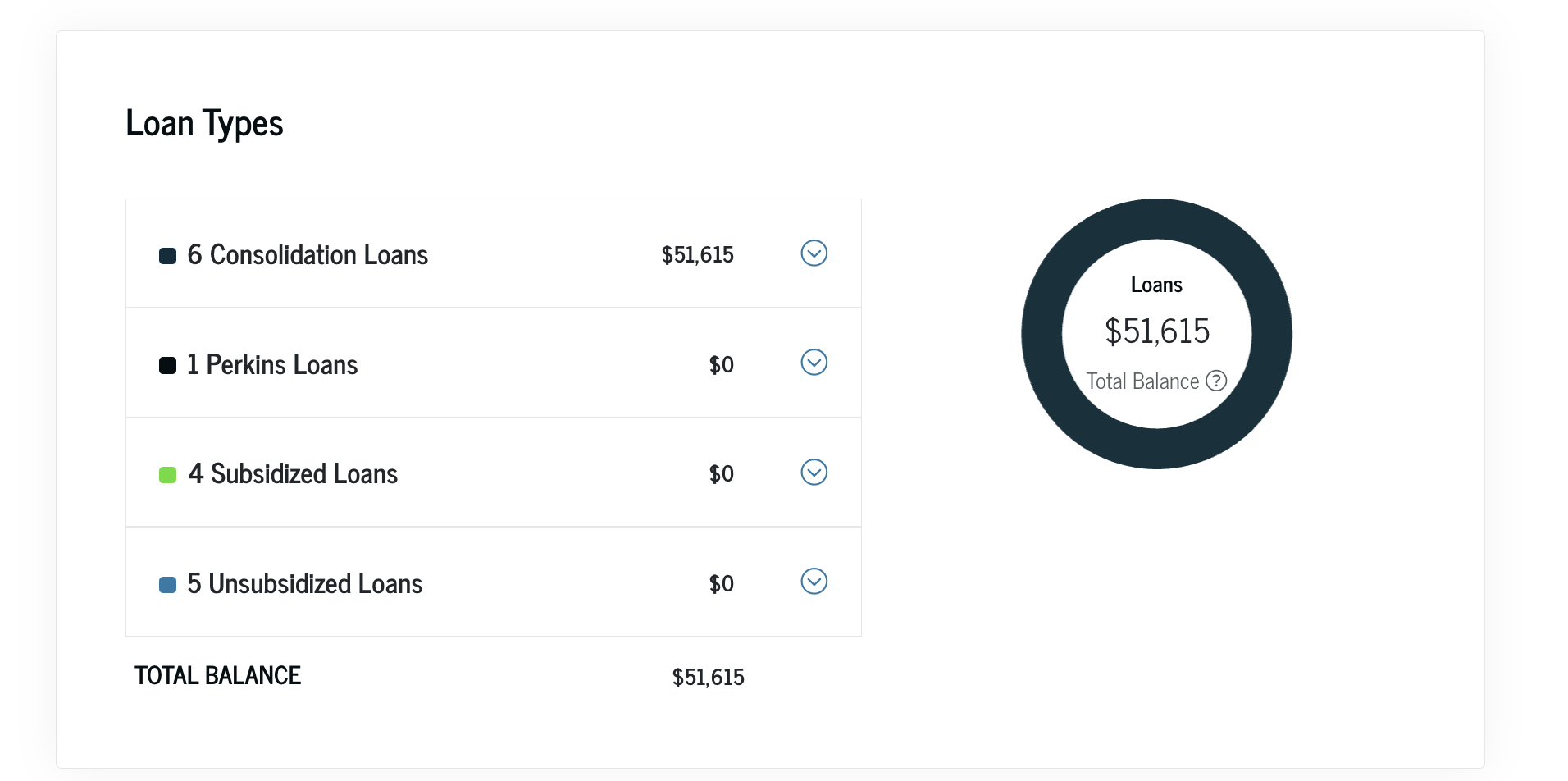
These are arguably the most fundamental pieces of information. Your current balance tells you how much you still owe, while the interest rate dictates how quickly that balance can grow. It’s important to distinguish between the principal balance (the original amount borrowed minus payments) and the total balance, which includes accrued interest. Note whether your interest rate is fixed (stays the same throughout the loan’s life) or variable (can change over time). For federal loans, interest rates are typically fixed. For private loans, they can be either. Understanding these figures allows you to calculate potential future costs, prioritize high-interest loans for faster repayment, and evaluate the benefits of refinancing.
Loan Servicer and Contact Information
Your loan servicer is your primary point of contact for all repayment-related inquiries. Knowing who your servicer is and having their up-to-date contact information (phone number, website, mailing address) is paramount. This information is crucial for making payments, discussing repayment options, and addressing any issues that may arise. For federal loans, servicers can sometimes change, so it’s wise to confirm this information periodically. For private loans, the lender usually acts as the servicer, but not always.
Repayment Status and Due Dates
Your repayment status indicates where your loan is in its lifecycle (e.g., in-school, grace period, in repayment, deferment, forbearance, default). Understanding your status is critical because it dictates whether payments are currently required. Equally important are your payment due dates. Missing a payment can lead to late fees, negative credit report entries, and potentially higher interest costs. Setting up reminders or enrolling in auto-debit can help ensure timely payments.
Repayment Plans and Eligibility
For federal student loans, there are various repayment plans, including the Standard Repayment Plan, Graduated Repayment Plan, Extended Repayment Plan, and several Income-Driven Repayment (IDR) plans (e.g., REPAYE, PAYE, IBR, ICR). Each plan has different eligibility requirements, monthly payment amounts, and repayment durations. Knowing which plan you’re on and understanding your eligibility for others can significantly impact your monthly budget and overall repayment strategy. Private loans typically have fewer flexible repayment options, but it’s still important to understand the terms you agreed to.
Loan History and Accrued Interest
Reviewing your loan history allows you to see all your past payments, any periods of deferment or forbearance, and how much interest has accrued over time. This history helps you track your progress, verify that payments have been correctly applied, and understand the total cost of your borrowing. Accrued interest is particularly important for loans that were in deferment or forbearance, as interest often continued to build during these periods, adding to your principal balance.
What to Do After Checking Your Loans
Checking your student loans is a vital first step, but it’s just the beginning. The information you gather should serve as a springboard for proactive financial management, allowing you to optimize your repayment strategy and work towards debt freedom.
Developing a Repayment Strategy
With a clear understanding of your loan balances, interest rates, and terms, you can now develop or refine your repayment strategy. Consider the “debt avalanche” method, where you prioritize paying off loans with the highest interest rates first, or the “debt snowball” method, which focuses on paying off the smallest balances first to build momentum. Explore options for federal loan consolidation if you have multiple federal loans, which can simplify payments and potentially lower your monthly amount (though it might extend your repayment term). For private loans, or if you have a mix of federal and private loans, refinancing could be an option if you have a strong credit score and stable income, potentially securing a lower interest rate and streamlining your payments under a new private lender. Each strategy has its pros and cons, and the best choice depends on your financial situation and psychological preferences.
Exploring Forgiveness Programs
For federal student loan borrowers, several forgiveness programs exist that can significantly reduce or even eliminate your debt under specific circumstances. The most prominent is Public Service Loan Forgiveness (PSLF), which forgives the remaining balance on Direct Loans after 120 qualifying payments made while working full-time for a qualifying employer. Other programs include Teacher Loan Forgiveness, which offers up to $17,500 in forgiveness for eligible teachers, and various income-driven repayment (IDR) plans that can lead to forgiveness of any remaining balance after 20 or 25 years of payments. It’s crucial to understand the eligibility requirements for these programs and ensure you are taking the necessary steps, such as certifying employment or enrolling in the correct IDR plan, to qualify. Private student loans typically do not offer forgiveness programs.
Seeking Professional Guidance
While this guide provides a solid framework, complex student loan situations or significant financial challenges may warrant professional guidance. Financial advisors specializing in student loan debt can help you navigate complicated scenarios, explore advanced repayment strategies, and provide personalized advice tailored to your specific goals. Non-profit credit counseling agencies can also offer free or low-cost assistance in managing debt and creating a budget. Be wary of companies that promise quick fixes or charge high fees for services you can perform yourself, such as consolidating federal loans (which is free through the Department of Education). A reputable professional will empower you with knowledge and help you make informed decisions, not just take over your loans.
Regularly Monitoring Your Loans
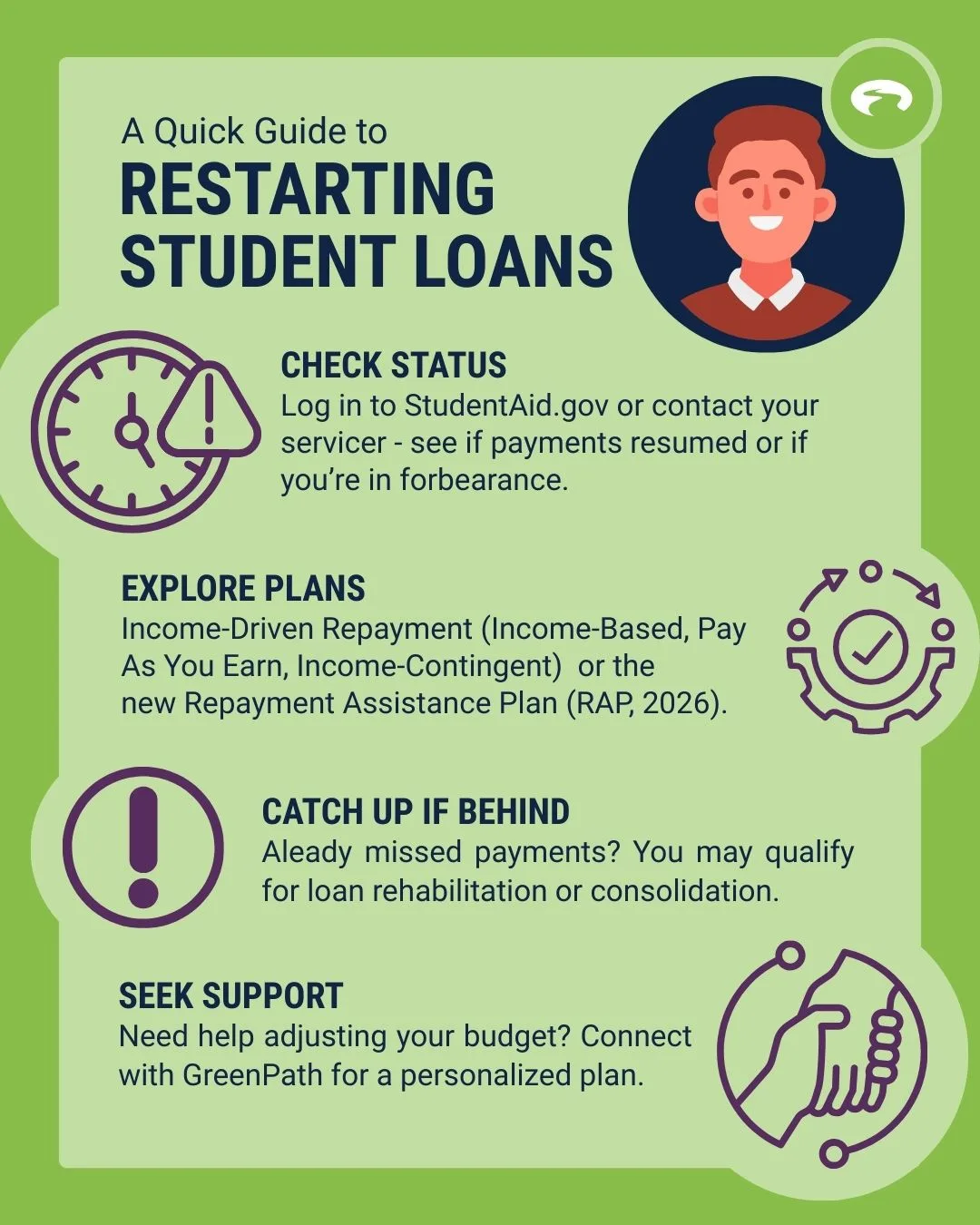
Managing student loans isn’t a one-time task; it’s an ongoing process. Make it a habit to regularly monitor your loan accounts – at least once a quarter, or annually at a minimum. Set reminders in your calendar to check your NSLDS account for federal loans and your lenders’ portals for private loans. Review your credit report once a year to catch any discrepancies or unfamiliar accounts. Life circumstances, interest rates, and repayment plan options can change, and staying on top of your loan status ensures you can adapt your strategy as needed. Proactive monitoring helps you remain in control, avoid surprises, and continually work towards your goal of student loan freedom.
In conclusion, understanding how to check your student loans is an indispensable skill for anyone carrying this form of debt. It’s the cornerstone of responsible financial management, enabling you to prevent costly mistakes, make empowered decisions, and effectively navigate life’s inevitable changes. By utilizing resources like the NSLDS for federal loans, contacting private lenders directly, and reviewing your credit report, you can gain a clear, comprehensive view of your debt. Once informed, you can then strategically plan your repayment, explore potential forgiveness, and seek professional guidance when necessary. The journey to financial wellness may be long, but by staying informed and proactive, you transform a daunting obligation into a manageable path toward a debt-free future.
aViewFromTheCave is a participant in the Amazon Services LLC Associates Program, an affiliate advertising program designed to provide a means for sites to earn advertising fees by advertising and linking to Amazon.com. Amazon, the Amazon logo, AmazonSupply, and the AmazonSupply logo are trademarks of Amazon.com, Inc. or its affiliates. As an Amazon Associate we earn affiliate commissions from qualifying purchases.