
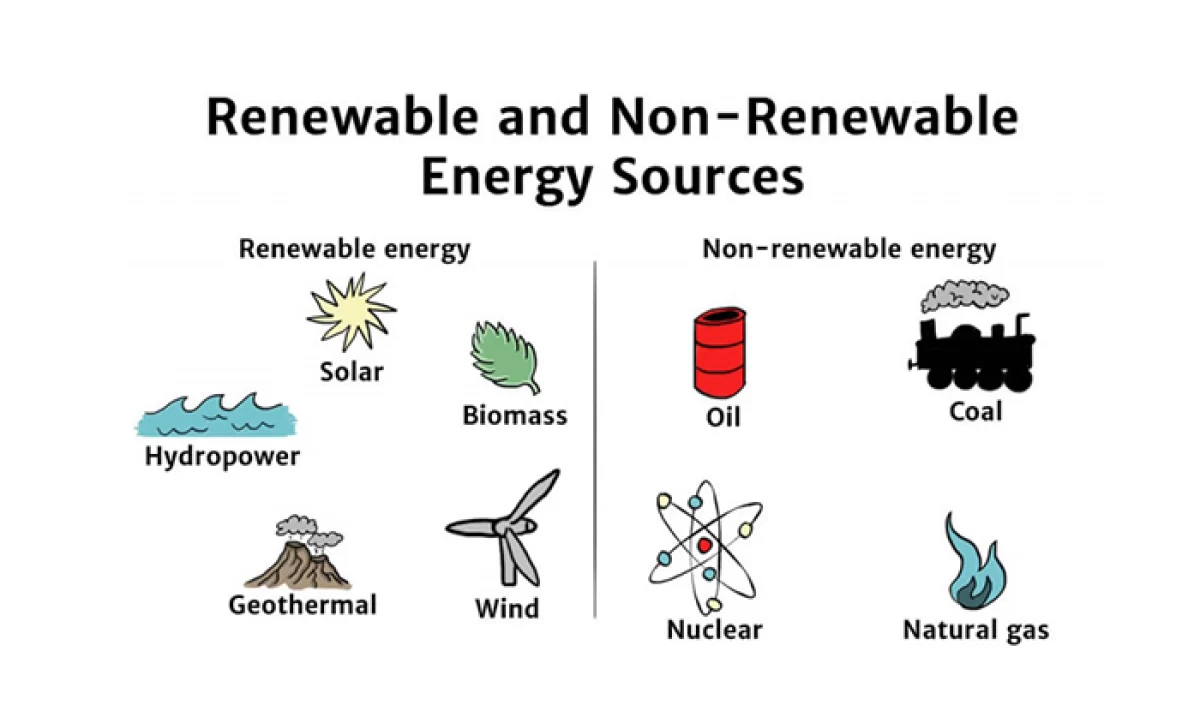
The very foundation of our modern world, from the smartphones in our pockets to the cars on our roads, is built upon the resources extracted from the Earth. These resources, however, are not all created equal. They fall into two broad categories: renewable and nonrenewable, distinguished by their ability to replenish themselves over human timescales. Understanding these differences is crucial, not just for environmental awareness, but also for making informed decisions about our technological advancements, brand strategies, and financial futures. In an era defined by rapid technological innovation, evolving consumer expectations, and dynamic economic landscapes, a deep understanding of resource sustainability has never been more pertinent.

The Finite Nature of Nonrenewable Resources
Nonrenewable resources are those that exist in a fixed amount on Earth and are consumed far faster than they can be naturally replenished. Once these resources are depleted, they are effectively gone for good from a practical human perspective. Their formation often takes millions of years through complex geological processes, making their extraction and use a fundamentally unsustainable practice in the long run.
Fossil Fuels: The Backbone of the Industrial Revolution (and its Challenges)
The most prominent examples of nonrenewable resources are fossil fuels: coal, oil, and natural gas. These were formed from the remains of ancient organic matter – plants and animals – buried under immense pressure and heat over vast periods.
- Coal: Primarily used for electricity generation and industrial processes, coal has powered much of the world’s industrialization. However, its combustion releases significant amounts of greenhouse gases like carbon dioxide, contributing to climate change, as well as other pollutants that harm air quality. Mining coal also has considerable environmental impacts, including habitat destruction and water pollution.
- Oil (Petroleum): This versatile resource is refined into gasoline, diesel fuel, jet fuel, and is the feedstock for a vast array of products, including plastics, pharmaceuticals, and synthetic fibers. The transportation sector, heavily reliant on oil, is a major contributor to global emissions. The extraction and transportation of oil also carry risks of environmental disasters, such as oil spills.
- Natural Gas: Often considered a “cleaner” fossil fuel than coal or oil due to lower carbon emissions per unit of energy produced, natural gas is widely used for heating, electricity generation, and industrial feedstock. While it burns more cleanly, the extraction process, particularly through hydraulic fracturing (fracking), can raise concerns about water contamination and seismic activity. Furthermore, methane, the primary component of natural gas, is a potent greenhouse gas if leaked into the atmosphere.
Minerals and Metals: Essential for Technology and Infrastructure
Beyond fossil fuels, many minerals and metals are also classified as nonrenewable. These are inorganic substances extracted from the Earth’s crust.
- Metals: Iron, copper, aluminum, gold, silver, and rare earth elements are all critical for modern life. Iron and aluminum are fundamental to construction and manufacturing. Copper is indispensable for electrical wiring. Rare earth elements, despite their name, are vital components in the magnets used in electric vehicle motors, wind turbines, and many electronic devices. The mining of these metals can lead to habitat destruction, soil erosion, and water pollution. Moreover, the processes of extraction and refinement are often energy-intensive and can produce hazardous waste.
- Minerals: Non-metallic minerals like phosphates (essential for fertilizers), sulfur, and sand and gravel (building materials) are also nonrenewable. Their extraction can deplete landscapes and alter natural water systems.
The Economic and Strategic Implications of Nonrenewable Resources
The finite nature of nonrenewable resources has profound economic and strategic implications. Nations that possess large reserves of these resources often wield significant geopolitical influence. Fluctuations in supply and demand can lead to volatile price swings, impacting global markets, inflation, and consumer spending. For businesses, reliance on nonrenewable resources can create supply chain vulnerabilities and long-term cost uncertainties.
The development of new technologies, particularly in the renewable energy sector and advanced materials, is partly driven by the desire to mitigate the risks associated with nonrenewable resource dependence. This pursuit of alternatives directly influences investment strategies and can create significant opportunities for businesses in emerging green tech sectors. Furthermore, the branding and marketing of products increasingly emphasize their origin and environmental footprint, pushing companies to consider the sustainability of their resource sourcing.
The Enduring Power of Renewable Resources
Renewable resources, in stark contrast, are those that can be replenished naturally within a human timescale, or are virtually inexhaustible. Their sustainable use offers a path towards a more resilient and environmentally responsible future. Harnessing these resources is a cornerstone of global efforts to combat climate change and ensure long-term economic prosperity.
Solar Energy: The Sun’s Unending Gift
Solar energy, derived from the sun’s radiation, is one of the most abundant and readily available renewable resources on Earth. Photovoltaic (PV) panels convert sunlight directly into electricity, while solar thermal systems use sunlight to heat water or air.
- Advantages: Solar energy is clean, producing no greenhouse gas emissions during operation. Its cost has been rapidly declining, making it increasingly competitive with traditional energy sources. The technology is scalable, from rooftop installations on homes to vast solar farms.
- Challenges: Intermittency is a key challenge; solar power generation is dependent on daylight hours and weather conditions. Energy storage solutions, such as batteries, are crucial for ensuring a consistent supply. Land use for large solar farms can also be a consideration.
Wind Energy: Harnessing Nature’s Breeze
Wind energy captures the kinetic energy of moving air using wind turbines to generate electricity. Wind farms, both onshore and offshore, are becoming increasingly common sights.
- Advantages: Wind energy is a clean and increasingly cost-effective source of electricity. Offshore wind farms, in particular, can benefit from stronger and more consistent winds.
- Challenges: Like solar, wind power is intermittent. Concerns regarding visual impact, noise pollution, and potential impacts on bird and bat populations are also subjects of ongoing research and mitigation efforts.
Hydropower: The Force of Flowing Water
Hydropower generates electricity by utilizing the energy of flowing or falling water, typically through dams. It is a mature and reliable renewable energy technology.
- Advantages: Hydropower provides a consistent and predictable source of electricity. Large dams can also offer benefits like flood control and water storage.
- Challenges: The construction of large dams can have significant environmental and social impacts, including habitat disruption, alteration of river ecosystems, and displacement of communities. Smaller, run-of-river hydro projects can mitigate some of these impacts.
Geothermal Energy: Tapping Earth’s Internal Heat
Geothermal energy harnesses the heat from within the Earth’s crust. This heat can be used directly for heating and cooling buildings or to generate electricity.
- Advantages: Geothermal energy is a consistent and reliable source of power, available 24/7, regardless of weather conditions. It has a relatively small land footprint compared to some other renewables.
- Challenges: Geothermal power plants are geographically limited to areas with accessible geothermal activity. The drilling process can be costly, and there are potential risks of releasing underground gases.
Biomass Energy: Organic Matter’s Potential
Biomass energy is derived from organic materials, such as agricultural waste, forest residues, and dedicated energy crops. These materials can be burned directly for heat or electricity, or converted into biofuels.
- Advantages: Biomass can utilize waste materials, reducing landfill burden. It can provide a source of renewable energy when other sources are unavailable.
- Challenges: The sustainability of biomass depends heavily on responsible sourcing and management. Burning biomass can still release pollutants, and large-scale cultivation of energy crops can compete with food production and lead to deforestation if not managed sustainably.
The Interplay Between Resources, Technology, and Business Strategy
The choice between relying on renewable or nonrenewable resources has significant ramifications for technological development, brand perception, and financial planning.
Technology as the Great Enabler and Disruptor
The ongoing evolution of technology is fundamentally reshaping our relationship with resources.
- Innovation in Renewables: Advancements in solar panel efficiency, battery storage capacity, and smart grid technology are making renewable energy more viable and cost-effective. AI-powered tools are being used to optimize energy distribution and predict renewable energy generation.
- Efficiency and Conservation: Technology also plays a crucial role in improving the efficiency of nonrenewable resource use. Innovations in engine design, building insulation, and industrial processes can significantly reduce consumption. Digital security measures are also becoming vital to protect the infrastructure that manages these resources.
- The Rise of the Circular Economy: Technology is enabling the development of circular economy models, where waste is minimized, and materials are reused and recycled. This approach reduces the demand for virgin resources, both renewable and nonrenewable.
Branding and Reputation in a Sustainable World
In today’s market, a company’s approach to resource management is increasingly intertwined with its brand identity and reputation.
- Consumer Demand for Sustainability: Consumers are becoming more environmentally conscious and actively seek out products and services from brands that demonstrate a commitment to sustainability. This is driving innovation and investment in eco-friendly practices.
- Corporate Social Responsibility (CSR): Brands that proactively adopt renewable energy, reduce their carbon footprint, and implement sustainable supply chains often gain a competitive advantage and build stronger customer loyalty. Case studies of successful sustainable businesses highlight the tangible benefits of such strategies.
- Marketing and Transparency: Effective marketing campaigns can highlight a company’s sustainable initiatives, building trust and positive brand perception. Transparency about resource sourcing and environmental impact is becoming a critical element of corporate identity.

Financial Planning and Investment in a Resource-Conscious Economy
The shift towards sustainability presents both challenges and significant opportunities for financial planning and investment.
- The Green Economy: The renewable energy sector, sustainable agriculture, and circular economy initiatives are driving massive investment opportunities. Understanding the long-term viability of these sectors is crucial for investors.
- Risk Management: Companies heavily reliant on volatile nonrenewable resource markets face greater financial risks. Diversifying energy sources and investing in sustainable alternatives can mitigate these risks. Personal finance strategies may also involve divesting from industries with high environmental impact.
- Online Income and Side Hustles: The growing demand for sustainable products and services has opened up new avenues for online income and side hustles, such as selling eco-friendly products, offering consulting services on sustainability, or developing green apps. Financial tools that track environmental impact and offer sustainable investment options are also emerging.
- Business Finance: Businesses need to integrate resource sustainability into their financial models. This includes accounting for the long-term costs of nonrenewable resources, potential carbon taxes, and the investment required for transitioning to renewable alternatives.
In conclusion, the distinction between renewable and nonrenewable resources is not merely an academic one; it is a fundamental determinant of our technological progress, our brand values, and our financial stability. As we navigate an increasingly complex global landscape, a conscious and informed approach to resource utilization, driven by innovation and a commitment to sustainability, will be paramount for securing a prosperous and healthy future. The examples of both categories underscore the critical need for strategic thinking across technology, brand, and money to foster a truly sustainable civilization.
aViewFromTheCave is a participant in the Amazon Services LLC Associates Program, an affiliate advertising program designed to provide a means for sites to earn advertising fees by advertising and linking to Amazon.com. Amazon, the Amazon logo, AmazonSupply, and the AmazonSupply logo are trademarks of Amazon.com, Inc. or its affiliates. As an Amazon Associate we earn affiliate commissions from qualifying purchases.