
The pulse of the US stock market is a constant thrum in the global financial landscape, a dynamic tapestry woven from countless transactions, economic data points, and investor sentiments. Asking “what is the US stock market doing today?” isn’t merely a quest for a snapshot of ticker symbols; it’s an inquiry into the health of the economy, the direction of corporate America, and the prevailing mood of millions of investors. Each day brings its own unique narrative, a blend of pre-market futures, opening bells, intraday volatility, and closing summaries, all of which contribute to the larger, ongoing story of wealth creation and economic evolution. For both seasoned investors and curious onlookers, understanding these daily movements is crucial – not just for potential short-term gains or losses, but for gleaning insights into broader trends that shape long-term financial strategies. While “today” offers immediate impact and often dramatic headlines, it’s always a single chapter in an endlessly unfolding financial saga.
Navigating the Daily Fluctuations: Key Market Indicators
Understanding what drives the US stock market on any given day requires a keen eye on a few fundamental indicators. These aren’t just numbers; they are barometers reflecting the collective mood, economic realities, and future expectations of market participants. Tracking these metrics provides invaluable context, transforming raw data into actionable insights for investors.
The Major Indices: Dow, S&P 500, and Nasdaq
At the forefront of daily market reporting are the three most prominent US stock indices, each offering a distinct lens through which to view market performance. The Dow Jones Industrial Average (DJIA), often simply called “the Dow,” is perhaps the most widely cited. Comprising 30 large, publicly owned companies listed on the NASDAQ and NYSE, it’s a price-weighted index intended to represent the overall health of the US economy. Its movements, while impactful, are concentrated among a relatively small group of established industrial giants.
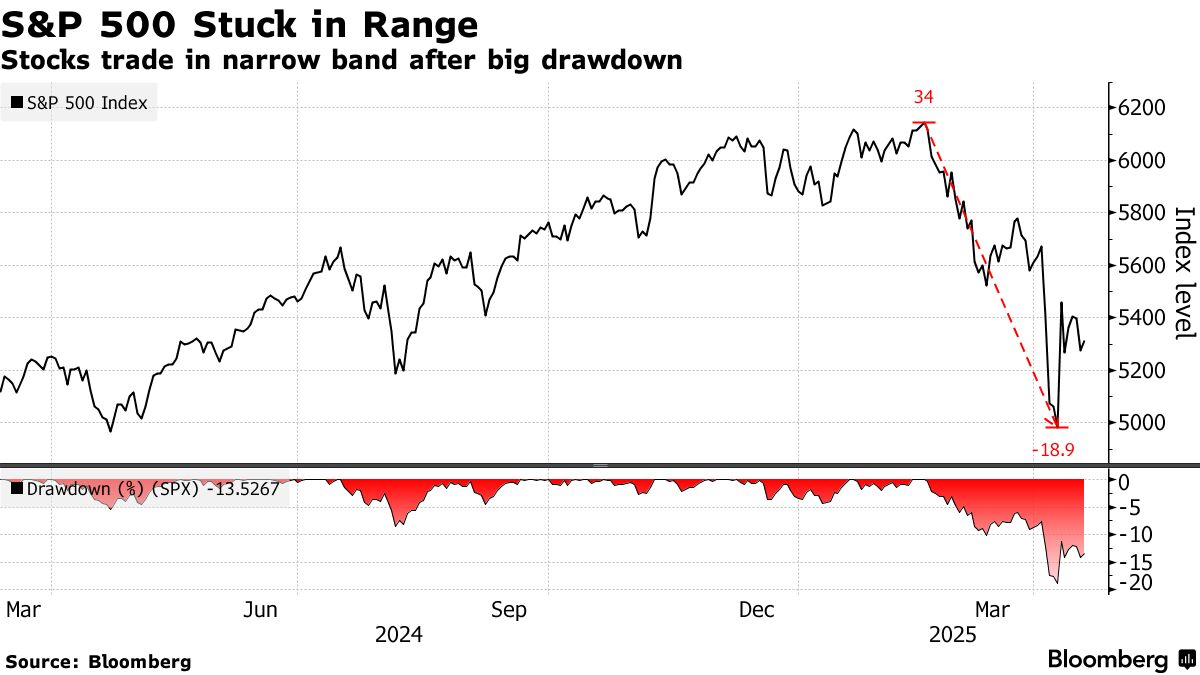
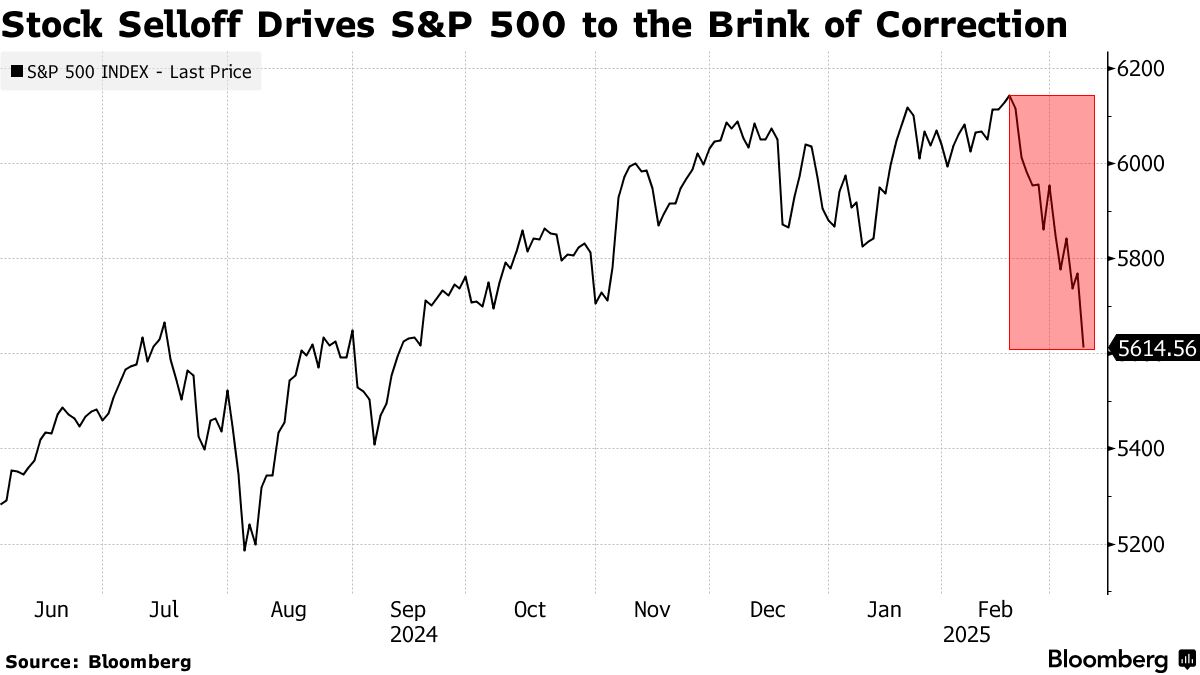
The S&P 500 is often considered the best single gauge of large-cap US equities and a better reflection of the broader market due to its inclusion of 500 leading companies. It is market-capitalization weighted, meaning companies with larger market values have a greater impact on the index’s movement. Its performance provides a comprehensive look at diverse sectors, from technology to healthcare, financials, and consumer staples, making it a critical benchmark for fund managers and individual investors alike.
Lastly, the Nasdaq Composite is heavily weighted towards technology and growth companies. While it includes all stocks listed on the Nasdaq exchange, its daily movements are often dominated by the performance of tech behemoths like Apple, Microsoft, Amazon, Google, and Nvidia. A strong day for the tech sector typically translates into a significant upswing for the Nasdaq, while a downturn in technology stocks can pull the entire index lower. Monitoring all three indices provides a holistic view: the Dow for industrial strength, the S&P 500 for broad market health, and the Nasdaq for the pulse of innovation and growth.
Volume and Volatility: Understanding Market Sentiment
Beyond price movements, the trading volume on a given day offers critical clues about market sentiment. High trading volume accompanying a significant price move (up or down) suggests conviction behind that move, indicating strong participation from institutional and individual investors. Conversely, low volume during a price change might suggest a lack of broad conviction, potentially signaling a less sustainable trend. For instance, a market rallying on low volume could be viewed with skepticism, suggesting a “dead cat bounce” rather than a robust recovery.
Volatility, the degree of variation of a trading price series over time, is another key indicator. The CBOE Volatility Index (VIX), often referred to as the “fear gauge,” measures the market’s expectation of future volatility based on S&P 500 index options. A rising VIX typically signals increasing investor anxiety and often accompanies market downturns or periods of uncertainty, as investors pay more for options to hedge against potential losses. Conversely, a lower VIX indicates a more complacent or optimistic market. While high volatility can be unsettling for many investors, it can also present opportunities for those who thrive on market fluctuations, highlighting the importance of understanding and managing risk tolerance.
Sector Performance: Where is the Money Flowing?
On any given day, beneath the headline movements of the major indices, specific sectors within the economy may perform dramatically differently. Understanding which sectors are leading and which are lagging provides granular insight into market dynamics. For example, during periods of economic growth, cyclical sectors like technology, consumer discretionary, and financials often outperform. When inflation concerns loom, energy and materials sectors might see increased interest as commodity prices rise. In times of uncertainty, defensive sectors such as utilities, healthcare, and consumer staples tend to be more resilient, as demand for their products and services remains relatively stable regardless of the economic climate.
Analyzing sector performance helps investors identify underlying trends. A sudden surge in the healthcare sector might be driven by a major drug approval or a new government policy. A dip in financials could be a reaction to interest rate changes or concerns about loan defaults. By observing these shifts, investors can discern where capital is being allocated, understand the market’s interpretation of economic news, and potentially adjust their portfolios to align with prevailing trends or capitalize on perceived undervaluation in out-of-favor sectors. This granular view moves beyond simple index numbers to reveal the intricate workings of the stock market’s ecosystem.
Driving Forces Behind Today’s Market Movements
The daily gyrations of the stock market are rarely random. Instead, they are the cumulative reaction to a complex interplay of macroeconomic forces, central bank policies, corporate developments, and global events. Understanding these catalysts is essential for making sense of “what the market is doing today.”
Macroeconomic Data Releases
Economic data forms the bedrock of market expectations. Each month, a slew of reports is released that provides a snapshot of the US economy’s health. Key among these are inflation reports, such as the Consumer Price Index (CPI) and Producer Price Index (PPI), which indicate the rate at which prices for goods and services are rising. Higher-than-expected inflation can signal a need for tighter monetary policy from the Federal Reserve, potentially dampening corporate profits and consumer spending, which often leads to market pullbacks.
Employment figures, particularly the monthly Non-Farm Payrolls (NFP) report and weekly jobless claims, are also closely watched. Strong job growth indicates a robust economy, boosting consumer confidence and spending, which are positive for corporate earnings. Conversely, rising unemployment claims can signal an economic slowdown. Other vital statistics include Gross Domestic Product (GDP) growth, which measures the total economic output, retail sales, indicating consumer spending trends, and manufacturing data (like the ISM Manufacturing PMI), which reflects industrial activity. Each data point, whether confirming or defying expectations, can trigger significant market reactions as investors recalibrate their outlook on future corporate earnings and economic stability.
Federal Reserve Policy and Interest Rates
Perhaps no single entity wields as much direct influence over the US financial markets as the Federal Reserve. Its monetary policy decisions, particularly regarding interest rates, reverberate throughout the economy. When the Fed raises interest rates, borrowing becomes more expensive for businesses and consumers, which can slow economic growth, curb inflation, and reduce corporate profits, often leading to a bearish market sentiment. Conversely, interest rate cuts are generally seen as stimulative, encouraging borrowing, spending, and investment, which tends to be bullish for stocks.
The Fed’s Federal Open Market Committee (FOMC) meetings are highly anticipated events. Statements following these meetings, along with any indications of future policy direction (known as “forward guidance”), are scrutinized by investors. Beyond interest rates, the Fed’s stance on quantitative easing (QE), where it buys bonds to inject liquidity into the system, or quantitative tightening (QT), where it reduces its balance sheet, also significantly impacts market liquidity and asset prices. A shift in the Fed’s rhetoric or policy can cause immediate and substantial market movements as investors adjust their positions to align with the new economic reality.
Corporate Earnings and Company-Specific News
While macroeconomic data sets the broader stage, corporate earnings reports are critical drivers for individual stock movements and often influence entire sectors. During earnings season, typically a few weeks after each quarter ends, companies release their financial results. Stronger-than-expected earnings or optimistic guidance for future quarters can send a company’s stock soaring, while a miss or a pessimistic outlook can trigger sharp declines. These reports offer a direct look into the profitability and health of individual businesses, which collectively determine the market’s valuation.
Beyond quarterly reports, company-specific news plays a crucial role. Announcements of mergers and acquisitions (M&A), new product launches, significant patent approvals, changes in leadership, or even cybersecurity breaches can dramatically impact a company’s share price. Analyst ratings and price target adjustments from major investment banks also frequently move stocks, as they can influence institutional buying and selling. A positive research report can provide a catalyst for upward movement, while a downgrade can prompt investors to rethink their positions, underscoring the granular influences that can drive daily market action.
Geopolitical Events and Global Market Influences
The US stock market does not operate in a vacuum; it is deeply interconnected with the global economy. Geopolitical events such as international conflicts, trade disputes, or significant political shifts in major economies can have immediate and far-reaching effects. For example, tensions in the Middle East can spike oil prices, impacting energy sector stocks and consumer spending. Trade wars, like those between the US and China, can disrupt supply chains, reduce corporate profits, and create uncertainty for multinational corporations.
Furthermore, economic performance in other major global markets directly influences US stocks. A slowdown in China or the Eurozone, for instance, can dampen demand for US exports and affect the earnings of US companies with significant international exposure. Currency fluctuations, particularly the strength of the US dollar against other major currencies, can also impact the competitiveness of US goods abroad and the reported earnings of US companies repatriating profits from overseas. In an increasingly globalized world, a comprehensive understanding of “what the US stock market is doing today” necessitates an awareness of these intricate international dynamics and their potential ripple effects.
Investment Strategies in a Dynamic Market
Given the constant flux of the stock market, investors need robust strategies to navigate its daily ups and downs and achieve their financial objectives. A solid approach balances short-term market observations with long-term financial goals, emphasizing risk management and emotional discipline.
Short-Term vs. Long-Term Perspectives
One of the most fundamental distinctions in investing is between a short-term and a long-term perspective. Daily market movements, “what the US stock market is doing today,” are of paramount importance to day traders and swing traders, who aim to profit from rapid price changes over hours, days, or weeks. Their strategies involve technical analysis, swift decision-making, and often high leverage, seeking to exploit volatility. This approach requires significant time commitment, specialized knowledge, and a high tolerance for risk.
Conversely, for long-term investors, daily fluctuations are often considered noise rather than signals. Their focus is on fundamental analysis, investing in quality companies with strong growth prospects or stable dividends, and holding these assets for years or even decades. The power of compounding returns, where earnings generate further earnings, is the cornerstone of long-term wealth creation. Strategies like dollar-cost averaging, where one invests a fixed amount regularly regardless of market levels, help mitigate the risk of timing the market and ensure participation in market upturns while smoothing out the impact of downturns. For these investors, patience and adherence to a well-defined plan are far more critical than reacting to “today’s” headlines.
Diversification and Risk Management
No matter the time horizon, diversification is a cornerstone of prudent investing. It involves spreading investments across various asset classes, industries, geographies, and company sizes to reduce overall portfolio risk. The adage “don’t put all your eggs in one basket” holds profound truth in the investment world. A diversified portfolio might include a mix of large-cap and small-cap stocks, domestic and international equities, bonds, real estate, and potentially commodities. If one sector or asset class experiences a downturn, others might perform well, cushioning the blow to the overall portfolio.
Risk management goes hand-in-hand with diversification. This involves not only understanding the inherent risks of different investments but also aligning those risks with an individual’s personal risk tolerance. Before making any investment, it’s crucial to assess how much potential loss one is comfortable with. This self-assessment helps in constructing a portfolio that allows for restful sleep, even during volatile market periods. Regularly rebalancing the portfolio to maintain desired asset allocation and reviewing investment objectives as life circumstances change are also critical aspects of effective risk management.
The Role of Information and Emotional Discipline
In the age of instant information, investors are bombarded with news, opinions, and analyses about “what the US stock market is doing today.” While staying informed is vital, the key is to process this information with emotional discipline. Fear of Missing Out (FOMO) during a market rally can lead to impulsive buying at inflated prices, while panic selling during a downturn can lock in losses. Both are driven by emotion rather than rational analysis.
Successful investing often requires a counter-intuitive approach: being greedy when others are fearful and fearful when others are greedy. This isn’t about being contrarian for its own sake, but about making informed decisions based on thorough research, valuation principles, and a long-term plan, rather than succumbing to the herd mentality. Cultivating a calm and logical approach, adhering to a pre-established investment strategy, and avoiding knee-jerk reactions to daily market noise are hallmarks of seasoned investors. Education and continuous learning about market fundamentals, company valuations, and economic cycles empower investors to make decisions that serve their financial goals, independent of the daily emotional swings of the market.
Looking Beyond Today: Preparing for Tomorrow’s Market
While understanding “what the US stock market is doing today” is essential for context, truly successful investors also cast their gaze forward, anticipating future trends and preparing for the market environments of tomorrow. This foresight involves economic prognostication, identifying disruptive innovations, and embracing evolving investment philosophies.
The Importance of Economic Foresight
Effective long-term investing requires more than just reacting to current news; it demands an understanding of economic foresight. This involves analyzing leading economic indicators that can hint at future economic conditions, such as consumer confidence indices, housing starts, manufacturing orders, and inverted yield curves. These indicators often provide clues about potential economic expansions or contractions well before they are officially declared. By understanding these signals, investors can anticipate potential headwinds like recessions or tailwinds like periods of strong growth, allowing them to adjust their portfolios proactively rather than reactively.
For instance, if leading indicators suggest an impending economic slowdown, a prudent investor might consider increasing exposure to defensive sectors or fixed-income assets. Conversely, signs of robust economic growth might encourage greater allocation to growth stocks or cyclical industries. This ability to adapt investment strategies to changing economic cycles is a hallmark of sophisticated financial planning. It’s not about perfect prediction, but about understanding probabilities and positioning oneself to capitalize on anticipated trends while mitigating risks associated with unfavorable conditions.
Technological Advancements and Disruptive Innovation
The landscape of the stock market is continually reshaped by technological advancements and disruptive innovation. From the dot-com bubble to the rise of artificial intelligence, new technologies create new industries, redefine existing ones, and determine future market leaders. Today, areas like artificial intelligence (AI), biotechnology, renewable energy, and quantum computing are on the cusp of revolutionizing various sectors. Identifying companies at the forefront of these innovations can lead to significant long-term investment opportunities.
However, investing in innovation also carries inherent risks, as many nascent technologies may not achieve commercial success. The challenge lies in discerning truly transformative technologies from passing fads and identifying companies with sustainable competitive advantages in these emerging fields. The continued influence of tech giants, often dubbed the “Magnificent Seven” (Apple, Microsoft, Alphabet, Amazon, Nvidia, Tesla, Meta), underscores the immense value created by innovation. Understanding the trajectory of these technological shifts is crucial for positioning portfolios for future growth, recognizing that today’s market darlings may be tomorrow’s laggards if they fail to innovate.
Sustainable and Responsible Investing (SRI/ESG)
An increasingly prominent trend in the investment world is Sustainable and Responsible Investing (SRI), often referred to through its focus on Environmental, Social, and Governance (ESG) factors. Investors are increasingly looking beyond traditional financial metrics to evaluate companies based on their impact on the environment, their social responsibility (e.g., labor practices, community involvement), and the integrity of their corporate governance. This is not merely an ethical choice but a strategic one, as companies with strong ESG practices are often seen as better managed, more resilient, and better positioned for long-term success.
The integration of ESG factors into investment decisions is no longer a niche strategy but a mainstream movement, driven by growing awareness of global challenges and a desire among investors to align their capital with their values. Many studies suggest that companies with high ESG ratings can offer competitive or even superior financial returns over the long term, in part because they are better equipped to navigate regulatory changes, attract talent, and build stronger brand loyalty. Understanding this evolving investment philosophy and the metrics used to evaluate ESG performance is becoming an indispensable part of preparing for the future of the stock market.
The question “what is the US stock market doing today?” is a fundamental query, but its answer is merely a single data point in an expansive financial journey. Daily movements, driven by a confluence of macroeconomic data, central bank policies, corporate performance, and global events, offer a momentary snapshot. However, true investment acumen lies not in fixating on this daily noise, but in understanding the underlying currents, discerning long-term trends, and applying a disciplined, diversified strategy that aligns with one’s financial goals. The stock market is a marathon, not a sprint, and while today’s performance provides immediate context, patience, continuous education, and a forward-looking perspective remain the most valuable assets for navigating its enduring landscape.
aViewFromTheCave is a participant in the Amazon Services LLC Associates Program, an affiliate advertising program designed to provide a means for sites to earn advertising fees by advertising and linking to Amazon.com. Amazon, the Amazon logo, AmazonSupply, and the AmazonSupply logo are trademarks of Amazon.com, Inc. or its affiliates. As an Amazon Associate we earn affiliate commissions from qualifying purchases.