
Nasdaq stands as a titan in the global financial landscape, recognized as a leading electronic marketplace for securities. Unlike traditional floor-based exchanges, Nasdaq operates purely digitally, facilitating countless trades every second. For investors, entrepreneurs, and financial professionals alike, understanding the sheer scale of Nasdaq’s operations, particularly the number of companies it lists, provides crucial insights into market breadth, investment opportunities, and the dynamics of capital formation. The precise count of companies listed on Nasdaq is not a static figure but rather a dynamic metric, continuously fluctuating due to various market activities.
Understanding Nasdaq’s Unique Position in Global Markets
Nasdaq’s evolution from its inception in 1971 as the world’s first electronic stock market has cemented its status as a hub for innovation and growth. While initially synonymous with technology companies, its scope has significantly broadened, now encompassing a diverse array of industries from biotechnology and consumer services to finance and manufacturing. This diversification means that an investor exploring Nasdaq is not limited to a single sector but gains access to a wide cross-section of the global economy.
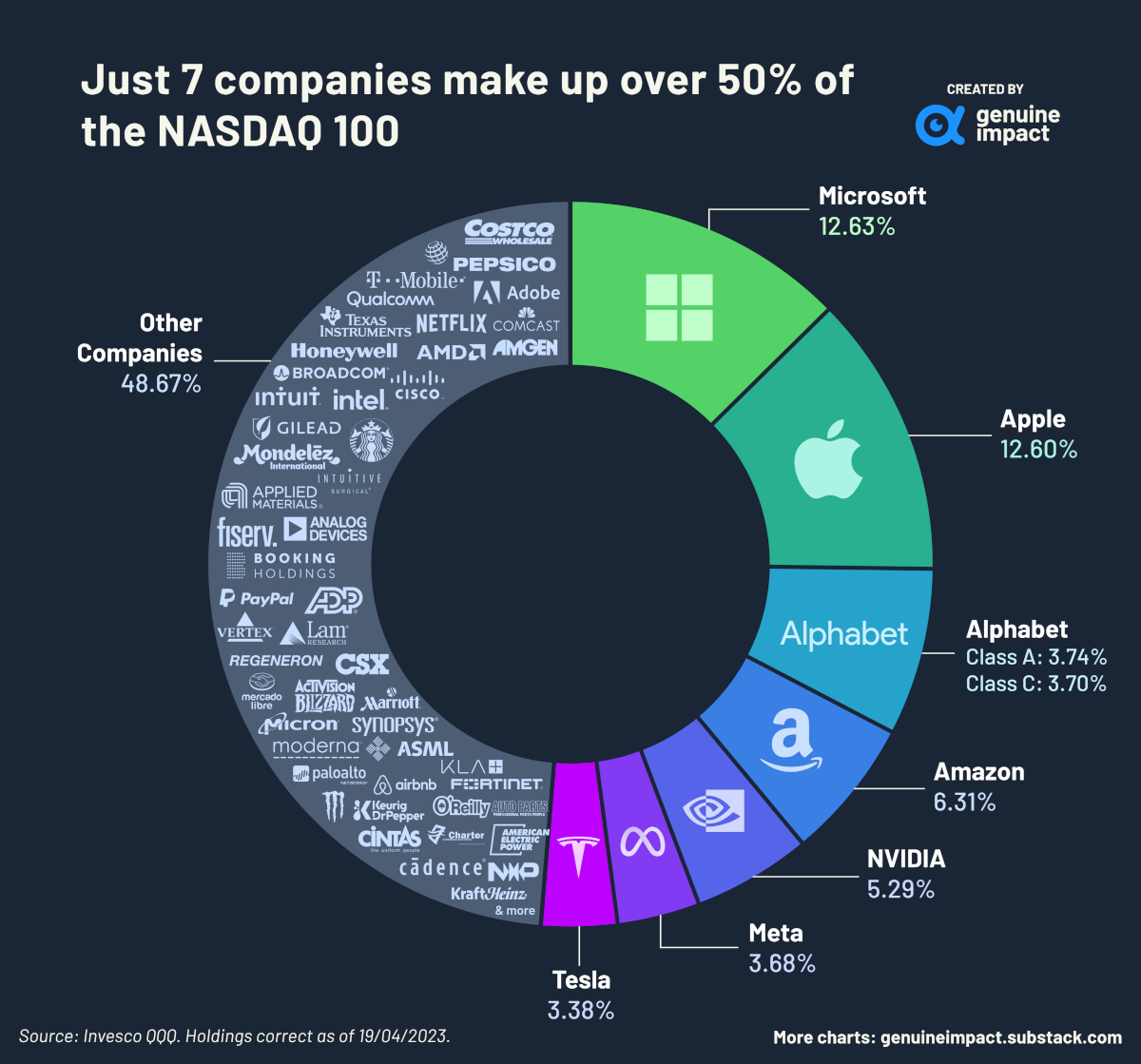
The exchange operates several distinct markets, each designed to accommodate companies of varying sizes and stages of development, reflecting different listing requirements and liquidity profiles. The primary markets include:
- Nasdaq Global Select Market: Home to some of the world’s most prominent companies, this market boasts the highest initial listing standards, attracting large-cap, financially robust entities.
- Nasdaq Global Market: This market hosts a vast number of mid-cap companies that meet stringent financial and liquidity requirements, offering a broad spectrum of established businesses.
- Nasdaq Capital Market: Designed for smaller companies seeking to raise capital, this market has less stringent listing criteria compared to its larger counterparts, serving as an important entry point for emerging businesses.
This tiered structure ensures that Nasdaq remains accessible to a wide range of companies, from burgeoning startups to multinational giants, all while maintaining rigorous standards designed to protect investors and uphold market integrity. Its electronic, high-speed trading infrastructure has also been pivotal in shaping modern market efficiency, providing rapid execution and transparent pricing across its listed securities.
The Dynamic Nature of Nasdaq Listings
To directly address the question, the number of companies listed on Nasdaq is not fixed. It is a constantly evolving figure influenced by market cycles, economic conditions, and individual corporate strategies. Historically, Nasdaq has consistently listed between 3,000 and 4,000 companies at any given time. As of recent periods, this number typically hovers around 3,800 to 4,000 unique companies, though it is crucial to remember this figure changes daily.
This dynamic nature is driven by several key factors:
Initial Public Offerings (IPOs)
When a private company decides to go public, it undergoes an IPO to list its shares on an exchange like Nasdaq. Each successful IPO adds a new entity to Nasdaq’s roster. These events are often driven by a company’s need to raise significant capital for expansion, pay off debt, or provide liquidity for early investors and employees. The allure of Nasdaq’s reputation for fostering growth companies often makes it a preferred venue for tech startups and innovative businesses seeking public capital.
Delistings and Transfers
Conversely, companies can be removed from Nasdaq’s listings through several mechanisms:
- Mergers and Acquisitions: When one publicly traded company is acquired by another, its shares are typically delisted. Similarly, a merger might result in one entity ceasing to exist as a separate listed company.
- Going Private: Companies may choose to buy back all outstanding shares from public shareholders, reverting to private ownership. This often happens when management believes the company is undervalued or seeks to avoid the regulatory burdens and public scrutiny associated with being listed.
- Bankruptcy: Companies facing severe financial distress may file for bankruptcy protection, leading to their delisting as they no longer meet the solvency requirements of the exchange.
- Failure to Meet Listing Requirements: Nasdaq imposes ongoing financial and corporate governance requirements (e.g., minimum share price, market capitalization, shareholder equity). Failure to maintain these standards can result in a company being delisted.
- Transfers to Other Exchanges: While less common, a company might choose to move its listing from Nasdaq to another exchange, such as the New York Stock Exchange (NYSE), or vice-versa, based on strategic considerations, prestige, or investor base.
Listing Requirements: A Gateway to Public Capital
The stringent listing requirements imposed by Nasdaq are fundamental to its integrity and reputation. These aren’t arbitrary rules but rather a set of criteria designed to ensure that only legitimate, financially sound, and transparent companies are available for public investment. Key requirements often include:
- Financial Metrics: Minimum levels of shareholder equity, market capitalization, public float (the portion of shares available for public trading), and net income over a specified period.
- Share Price and Volume: A minimum bid price per share and a certain number of publicly held shares with adequate trading volume to ensure liquidity.
- Corporate Governance: Adherence to robust corporate governance standards, including an independent board of directors, audit committees, and ethical conduct policies.
- Reporting Standards: Compliance with SEC reporting requirements, ensuring transparency and timely disclosure of financial and operational information.
These prerequisites act as a filter, protecting investors by ensuring that listed companies maintain a certain level of stability and transparency, thereby fostering trust in the market.
More Than Just a Number: The Significance for Investors
While the exact number of listed companies is a moving target, the overall magnitude and breadth of Nasdaq’s listings hold profound implications for investors.
Market Breadth and Diversification Opportunities
A large and diverse pool of listed companies translates directly into extensive diversification opportunities for investors. Beyond the tech giants that dominate headlines, Nasdaq offers exposure to a myriad of sectors, allowing investors to build portfolios that are resilient to downturns in any single industry. This breadth supports the creation of well-balanced investment strategies, whether through individual stock picking or via diversified funds.
Innovation and Growth Potential
Nasdaq has cultivated a reputation as the exchange for innovation. Its history of listing groundbreaking companies has attracted a specific type of investor—those seeking high-growth potential and capital appreciation. Investing in Nasdaq-listed companies often means betting on future technologies, disruptive business models, and companies poised for significant expansion. This focus on growth-oriented businesses can be particularly attractive to long-term investors aiming for substantial returns.
Liquidity and Market Efficiency
The vast number of companies and the sheer volume of trading on Nasdaq contribute significantly to market liquidity. High liquidity means investors can typically buy or sell shares quickly and easily without significantly impacting the share price. This efficiency is crucial for all investors, enabling them to enter and exit positions effectively and manage their portfolios dynamically. Nasdaq’s electronic nature further enhances this efficiency, providing fast order execution and price discovery.
Navigating the Nasdaq Landscape: Resources and Tools
For investors looking to engage with Nasdaq-listed companies, a wealth of resources and tools is available to aid in research and decision-making.
Researching Individual Stocks
Diligent research is paramount for successful investing. Investors can leverage:
- Official Nasdaq Website: Provides extensive company profiles, real-time quotes, news, and SEC filings.
- Company Investor Relations Portals: Most public companies maintain dedicated IR sections on their websites, offering annual reports, quarterly earnings calls transcripts, and investor presentations.
- Financial Data Providers: Services like Bloomberg, Refinitiv Eikon, Yahoo Finance, Google Finance, and brokerage platforms offer detailed financial statements, analyst ratings, historical data, and charting tools.
Fundamental analysis, which involves evaluating a company’s financial health, management, industry position, and competitive advantages, is crucial for individual stock selection. Coupled with technical analysis, which studies price trends and trading volumes, investors can form comprehensive views on potential investments.
Investing in Nasdaq Indices
For those seeking diversification without the complexities of individual stock picking, investing in Nasdaq-tracking indices is a popular strategy.
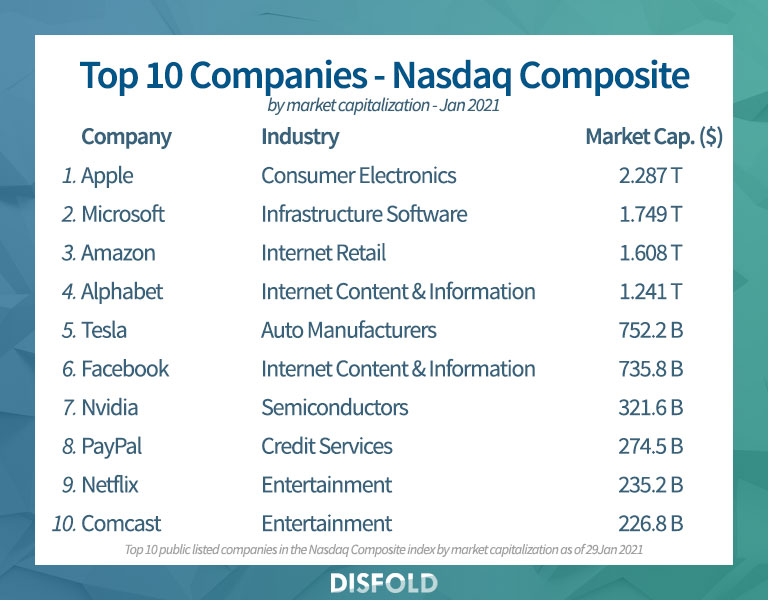
- Nasdaq Composite Index: This broad-based index includes virtually all common stocks listed on the Nasdaq stock market, providing a comprehensive measure of the exchange’s performance.
- Nasdaq 100 Index: This index comprises the 100 largest non-financial companies listed on Nasdaq, often serving as a benchmark for large-cap growth stocks, particularly in the tech sector.
Exchange-Traded Funds (ETFs) and mutual funds that track these indices, such as the Invesco QQQ Trust (which tracks the Nasdaq 100), offer a convenient way to gain diversified exposure to a basket of Nasdaq-listed companies with a single investment, thereby reducing idiosyncratic risk associated with individual stocks.

The Future of Nasdaq Listings and Market Evolution
The landscape of public company listings is always evolving, and Nasdaq continues to adapt and innovate. The rise of alternative listing mechanisms, such as Special Purpose Acquisition Companies (SPACs), has provided new avenues for companies to go public, sometimes bypassing the traditional IPO process. Additionally, there’s a growing emphasis on Environmental, Social, and Governance (ESG) criteria, with investors increasingly seeking companies that demonstrate strong sustainability practices and ethical governance.
Nasdaq remains at the forefront of facilitating capital formation, providing a vital platform for companies to grow and for investors to participate in that growth. While the exact number of listed companies fluctuates, its consistent position as a premier global exchange for innovation and enterprise ensures its enduring significance in the financial world. Understanding its scale and dynamics is fundamental for any investor looking to navigate modern financial markets effectively.
aViewFromTheCave is a participant in the Amazon Services LLC Associates Program, an affiliate advertising program designed to provide a means for sites to earn advertising fees by advertising and linking to Amazon.com. Amazon, the Amazon logo, AmazonSupply, and the AmazonSupply logo are trademarks of Amazon.com, Inc. or its affiliates. As an Amazon Associate we earn affiliate commissions from qualifying purchases.