
The daily opening of the stock market is far more than just the sound of a bell; it’s a complex interplay of global economic forces, investor sentiment, and real-time data that sets the tone for the trading day. For seasoned investors and novices alike, understanding the dynamics of the market’s initial hours offers critical insights into prevailing trends, potential opportunities, and emerging risks. The opening reflects a culmination of overnight news, pre-market trading activity, and the collective interpretation of forward-looking economic indicators.
Understanding Pre-Market Indicators and Opening Bell Dynamics
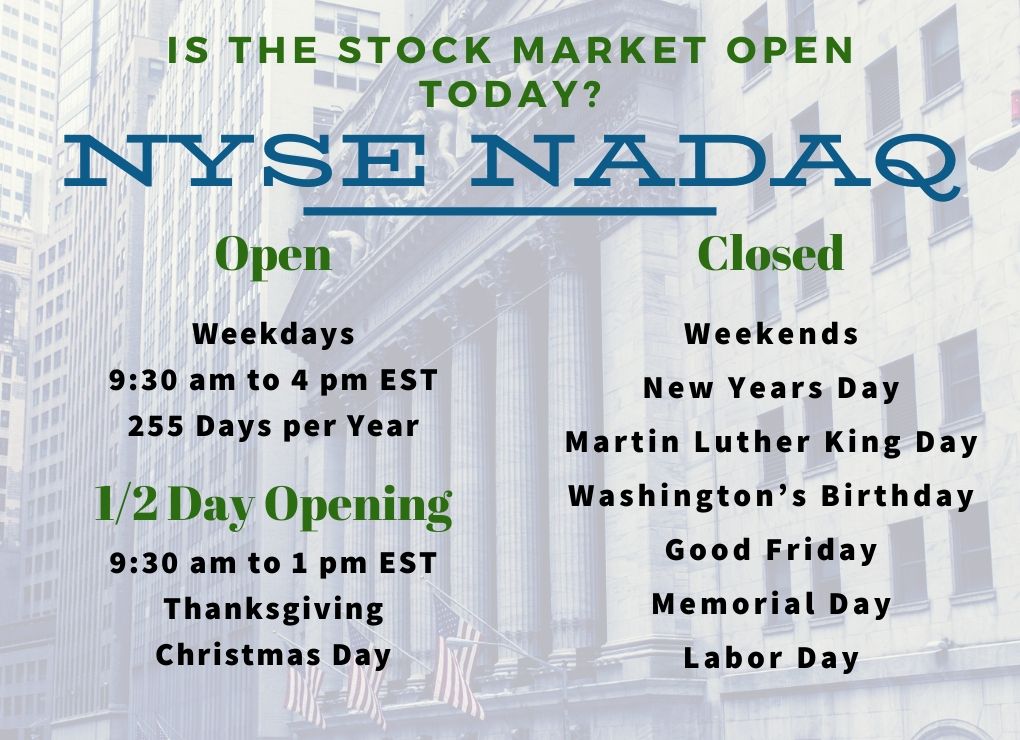
Before the official market opening at 9:30 AM ET, a robust landscape of pre-market activity provides crucial clues as to how the major indices — the S&P 500, Dow Jones Industrial Average, and Nasdaq Composite — are likely to commence trading. This preparatory period, often beginning as early as 4:00 AM ET, allows institutional investors, high-frequency trading firms, and some retail investors to trade specific securities.
Futures Trading as a Bellwether
One of the most significant indicators of the market’s anticipated opening lies in futures contracts. Equity index futures, such as those tied to the S&P 500 (ES), Nasdaq 100 (NQ), and Dow Jones (YM), trade nearly 23 hours a day, providing continuous price discovery. If S&P 500 futures are significantly up or down hours before the market opens, it signals a strong sentiment for the broader market. A positive trend in futures suggests investors are anticipating a strong opening, perhaps driven by optimistic news or earnings reports, while a decline often indicates apprehension or a reaction to negative developments. These futures contracts act as a leading gauge, reflecting immediate reactions to events that occur outside regular trading hours, from geopolitical shifts to late-night corporate announcements. Their movements often directly influence the opening gap of the underlying indices.
Global Market Performance Overnight
The interconnectedness of global financial markets means that the performance of Asian and European bourses overnight profoundly impacts Wall Street’s opening. A strong rally in the Nikkei 225 or DAX often injects optimism into U.S. markets, particularly if driven by broad economic improvements or positive corporate news. Conversely, significant sell-offs in major foreign indices due to economic downturns, political instability, or market-specific crises can trigger a cautious or negative opening in the U.S. This global domino effect underscores the need for investors to monitor international news and market closures, as these can dictate the initial mood and direction of domestic trading. The narrative established overseas often sets the initial sentiment that feeds into U.S. pre-market futures and subsequently influences the opening bell.
Key Economic Data Releases
Scheduled economic reports frequently dictate the market’s trajectory, especially those released before or shortly after the opening bell. Data points such as initial jobless claims, inflation figures (Consumer Price Index, Producer Price Index), manufacturing surveys (ISM), and retail sales can significantly alter investor perceptions of the economy’s health and the Federal Reserve’s potential monetary policy actions. A surprisingly strong employment report released at 8:30 AM ET might fuel a robust opening, as it signals economic resilience. Conversely, higher-than-expected inflation figures could lead to a sell-off at the open due to concerns about aggressive interest rate hikes. Market participants spend considerable time analyzing these reports, and their collective reaction often manifests in immediate price swings as trading commences.
The Forces Shaping Early Trading
Beyond pre-market indicators, several fundamental and technical forces converge to shape the initial hours of trading. These forces create volatility and present distinct challenges and opportunities for investors.
Corporate Earnings and News Releases
For individual stocks and, by extension, entire sectors, corporate earnings reports are paramount. Companies typically release their quarterly results either before market open or after market close. An earnings beat or miss, coupled with revised guidance, can cause dramatic price swings. If a major tech company beats earnings expectations, it can propel not only its own stock but also lift the entire technology sector and perhaps the broader market. Conversely, a significant disappointment from an industry leader can drag down its peers. News beyond earnings, such as mergers and acquisitions, new product launches, regulatory approvals, or even CEO changes, can also create immediate market reactions. These company-specific developments are often the primary drivers of volatility in the first 30-60 minutes of trading, leading to significant gaps up or down.
Geopolitical Developments and Their Market Impact
The interconnected world economy ensures that geopolitical events reverberate through financial markets. Political instability in key regions, international trade disputes, sanctions, or even major diplomatic statements can trigger immediate market responses. For instance, heightened tensions in oil-producing regions can send crude oil prices soaring, impacting energy sector stocks and inflationary expectations across the market. Unexpected policy announcements from major governments can lead to re-evaluation of economic forecasts. The market’s opening often reflects the collective interpretation of these complex events, with investors adjusting their risk appetite based on perceived global stability or instability. This introduces an element of unpredictability, as geopolitical shifts can occur at any time, often catching markets off-guard.
Central Bank Statements and Monetary Policy Expectations
Central banks, most notably the U.S. Federal Reserve, exert immense influence over financial markets. Statements, minutes from meetings, and speeches by central bank officials are meticulously scrutinized for clues about future monetary policy, particularly interest rate decisions and quantitative easing/tightening programs. If the market anticipates a hawkish stance (e.g., higher interest rates) based on an overnight announcement or comments, it can lead to a negative opening, especially for growth stocks that are more sensitive to borrowing costs. Conversely, dovish signals (e.g., lower rates or continued stimulus) can fuel a bullish opening. The market tries to price in these expectations, and any deviation from what is anticipated can lead to significant market adjustments at the open.
Sectoral Performance and Early Trends
The stock market is not a monolith; it’s a collection of diverse sectors that often react differently to the same economic news or market sentiment. Observing early sectoral performance provides a granular view of where capital is flowing and where investors are finding opportunities or seeking refuge.
Tech Sector Resilience or Volatility
The technology sector, often characterized by high growth and innovation, frequently dictates the overall market’s direction due to its significant market capitalization. On a day with strong economic data or positive sentiment, tech stocks might lead the rally. However, they are also highly sensitive to interest rate expectations; a rise in bond yields can make future earnings less attractive, often leading to sell-offs. The opening for tech stocks can be particularly volatile, as they often react strongly to company-specific news, cybersecurity threats, or shifts in consumer spending habits. Early trading in tech can be a bellwether for investor risk appetite.
Energy and Commodity Market Influence
The energy sector’s performance is intrinsically linked to global commodity prices, particularly crude oil and natural gas. An overnight surge in oil prices, perhaps due to supply concerns or geopolitical events, will typically lead to a strong opening for energy stocks. Conversely, a significant drop in commodity prices can weigh heavily on the sector. Beyond energy, other commodity-dependent sectors like materials also react to global supply and demand dynamics, inflation expectations, and currency fluctuations. Early moves in these sectors can signal broader inflationary or deflationary pressures.
Financials and Interest Rate Sensitivities
Financial institutions, including banks, insurance companies, and investment firms, are highly sensitive to interest rate movements and the overall health of the economy. A rise in long-term interest rates often benefits banks by allowing them to earn more on loans, potentially leading to a strong opening for the financial sector. Conversely, an economic slowdown or concerns about credit quality can lead to a cautious or negative opening. Early trading in financials can provide insights into market expectations for economic growth and the yield curve.
Consumer Staples vs. Discretionary Spending
These two sectors often act as counter-cyclical indicators. Consumer staples, comprising companies that produce essential goods (food, beverages, household products), tend to be more resilient during economic downturns and might see inflows during a cautious opening. Consumer discretionary, on the other hand, includes companies selling non-essential goods and services (automobiles, retail, entertainment) and typically thrives during periods of strong economic growth. A strong opening for consumer discretionary stocks can signal optimism about consumer health and economic expansion, while an early rally in staples might suggest investors are seeking defensive positions.
Navigating the Morning Volatility for Investors
The first hour of trading, often dubbed the “opening hour,” is notorious for its heightened volatility and liquidity. This period presents both significant risks and rapid opportunities.
The Role of Algorithmic Trading
Modern markets are heavily influenced by algorithmic and high-frequency trading (HFT) firms. These automated systems execute trades in milliseconds, reacting to news, price movements, and order flow with incredible speed. At the open, these algorithms play a substantial role in price discovery, often exacerbating initial moves. They can quickly process vast amounts of pre-market data and execute large orders, contributing to the initial surge or decline. While HFT improves market liquidity, it can also lead to “flash crashes” or rapid, unexplained price movements that can be challenging for human traders to interpret in real time. Understanding their potential influence helps in not overreacting to initial, often exaggerated, price swings.
Identifying Early Opportunities and Risks
For active traders, the opening provides opportunities to capitalize on momentum or reversions to the mean. Gaps up or down from the previous day’s close often present short-term trading opportunities. A stock that gaps down on weak earnings might be a candidate for a bounce if the market deems the sell-off overdone, or it could continue its decline. Conversely, a strong opening might indicate sustained buying interest. However, the risk is equally high. False breakouts or breakdowns are common, and liquidity can be thinner in some names, leading to wider bid-ask spreads and increased slippage. Prudent investors often wait for the market to “settle down” after the initial frenzy, typically within the first 15-30 minutes, before making significant moves.
Long-Term Strategy vs. Day-to-Day Fluctuations
For long-term investors, the daily opening is usually less critical than the broader market trends and the fundamental health of their portfolio companies. While it’s important to be aware of significant opening gaps, particularly if they are driven by news that fundamentally alters a company’s prospects, reacting to every intraday swing can be detrimental to a long-term strategy. The morning volatility is often noise for those focused on years, not minutes. Long-term investors prioritize asset allocation, diversification, and investing in quality businesses, allowing them to ride out short-term fluctuations without emotional decisions based on an hour’s worth of trading.
What to Watch for Throughout the Day
The opening is just the beginning. The market continues to evolve, with new information and shifting dynamics influencing prices until the closing bell.
Intra-Day Reversals and Momentum Shifts
It’s common for the market to experience reversals after a strong or weak opening. An initial rally might fade as profit-taking sets in, or an early sell-off could attract bargain hunters, leading to a recovery. These intra-day shifts are influenced by incoming news, analysts’ reactions to earnings, and the continuous flow of capital. Observing momentum indicators and volume trends can help identify whether an opening move has conviction or is likely to reverse. The market rarely moves in a straight line, and understanding potential inflection points throughout the day is key.
The Impact of Mid-Day Economic Reports
While many key economic reports are released pre-market, some data points, such as consumer confidence indices or specific industry surveys, might come out mid-day. These reports can provide a fresh catalyst for market movement, potentially altering the prevailing sentiment established at the open. Investors must remain vigilant for these scheduled releases, as they can trigger new trends or exacerbate existing ones. Unexpected comments from policymakers or breaking news headlines can also cause abrupt shifts in market direction.
Preparing for the Close: Power Hour Dynamics
The final hour of trading, often referred to as “Power Hour” (3:00 PM to 4:00 PM ET), can see renewed volatility and increased volume. This period is influenced by institutional rebalancing, algorithmic trading aiming to minimize tracking error against benchmarks, and end-of-day order flows. Investors often position themselves for the next trading day, and late-breaking news can have an amplified effect due to thinner liquidity. The closing prices established during Power Hour carry significant weight, as they form the basis for futures trading and pre-market activity the following day, completing the cycle of market dynamics.
aViewFromTheCave is a participant in the Amazon Services LLC Associates Program, an affiliate advertising program designed to provide a means for sites to earn advertising fees by advertising and linking to Amazon.com. Amazon, the Amazon logo, AmazonSupply, and the AmazonSupply logo are trademarks of Amazon.com, Inc. or its affiliates. As an Amazon Associate we earn affiliate commissions from qualifying purchases.