
In the sprawling and highly competitive landscape of global tourism, few entities command as much recognition and evoke as distinct an image as MSC Cruises. More than just a fleet of ships, MSC Cruises represents a carefully cultivated brand, a strategic extension of a maritime giant that has carved out a unique niche by championing a specific vision of seafaring leisure. To truly understand “what are MSC Cruises” is to dissect the layers of its brand identity, its strategic positioning, and the experiential promise it delivers to millions of passengers worldwide. It’s an exploration of how a company transforms its heritage, innovation, and cultural ethos into a powerful and enduring brand.
The Genesis and Evolution of the MSC Brand
The story of MSC Cruises is intrinsically linked to its parent company, the Mediterranean Shipping Company (MSC), one of the world’s largest container shipping lines. This rich maritime heritage forms the bedrock of the cruise brand, providing a foundation of expertise, scale, and global reach that few competitors can match.
From Shipping Roots to Cruise Line Giant
MSC’s journey into passenger cruising began in 1988, a strategic diversification rooted in a deep understanding of seafaring operations. Leveraging decades of experience in logistics, navigation, and global port access, MSC entered the cruise market by acquiring the Starlauro line, rebranding it as MSC Cruises in 1995. This wasn’t merely an opportunistic venture; it was a calculated move to expand its maritime footprint and capitalize on the growing demand for leisure travel. The brand’s initial focus was on offering accessible, value-driven cruises, particularly within the Mediterranean, a region where its parent company had an unparalleled presence. This strategic entry allowed MSC Cruises to build credibility and market share, gradually transforming from a relatively small player into a formidable global brand. The transition from freight to leisure required a significant shift in brand focus, moving from operational efficiency to customer experience, hospitality, and aspirational lifestyle.
Defining the “Mediterranean Way of Life”
A cornerstone of the MSC Cruises brand strategy has been its consistent articulation of the “Mediterranean Way of Life.” This isn’t just a geographical descriptor; it’s a carefully crafted brand promise encompassing warmth, conviviality, exquisite cuisine, elegant design, and a relaxed yet refined approach to leisure. MSC positioned itself as the authentic ambassador of this lifestyle, differentiating itself from North American-centric cruise lines that often focused on high-energy entertainment and Americanized dining. From the moment passengers step aboard, they are immersed in an atmosphere designed to evoke the sun-drenched coasts and vibrant cultures of the Mediterranean. This brand promise is woven into every aspect of the experience: the multi-lingual crew, the emphasis on fresh, regionally inspired ingredients in dining, the sophisticated European-inspired interior design, and the overall ambiance of sophisticated relaxation. This cultural distinctiveness became a powerful magnet for passengers seeking an authentic European cruising experience, solidifying MSC’s brand identity as a purveyor of “Mediterranean elegance.”
Global Expansion and Brand Recognition
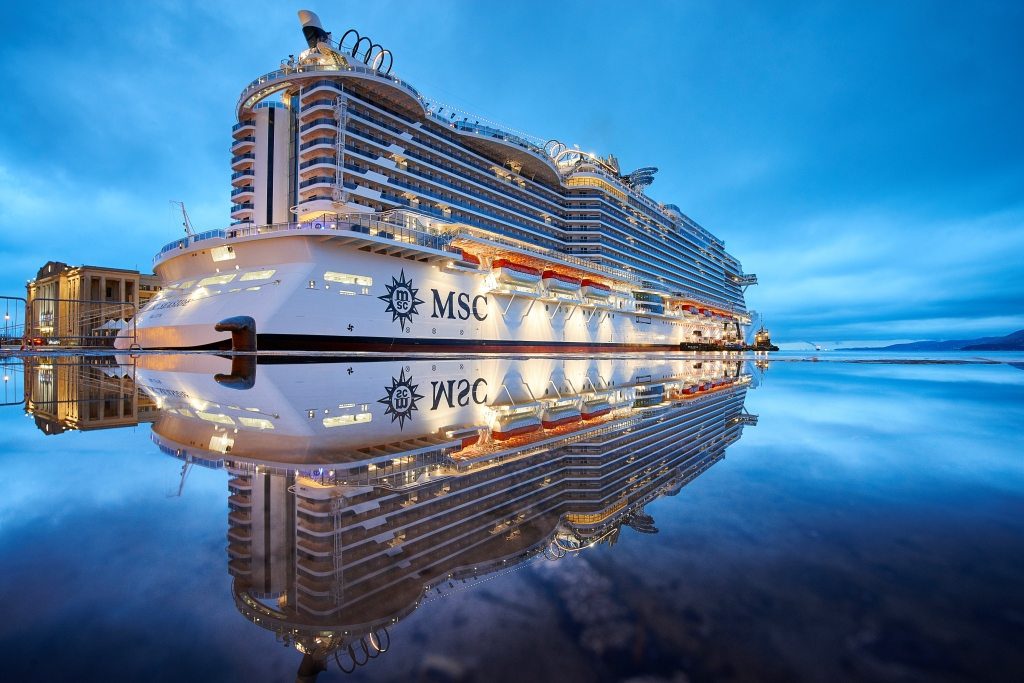
Having established a strong foothold in Europe, MSC Cruises embarked on an ambitious global expansion strategy. This involved commissioning a series of increasingly larger and more technologically advanced ships, designed to appeal to a wider international audience while retaining the core Mediterranean brand essence. The brand strategically expanded into markets such as North America, South America, Asia, and the Middle East, adapting its marketing and sales strategies to resonate with diverse cultural preferences without diluting its core identity. This expansion required significant investment in brand building, including targeted advertising campaigns, partnerships with travel agencies, and a strong digital presence. Today, MSC Cruises operates in over 100 countries, its distinctive logo and blue livery becoming synonymous with quality cruising worldwide. This global reach has cemented its status as a major international brand, recognized not just for its fleet but for the unique experience it promises.
Core Pillars of the MSC Cruise Brand Strategy
The enduring success and distinct identity of MSC Cruises are built upon several strategic pillars that guide its product development, customer engagement, and market positioning. These pillars collectively form the essence of the MSC brand.
Fleet Innovation and Design Language
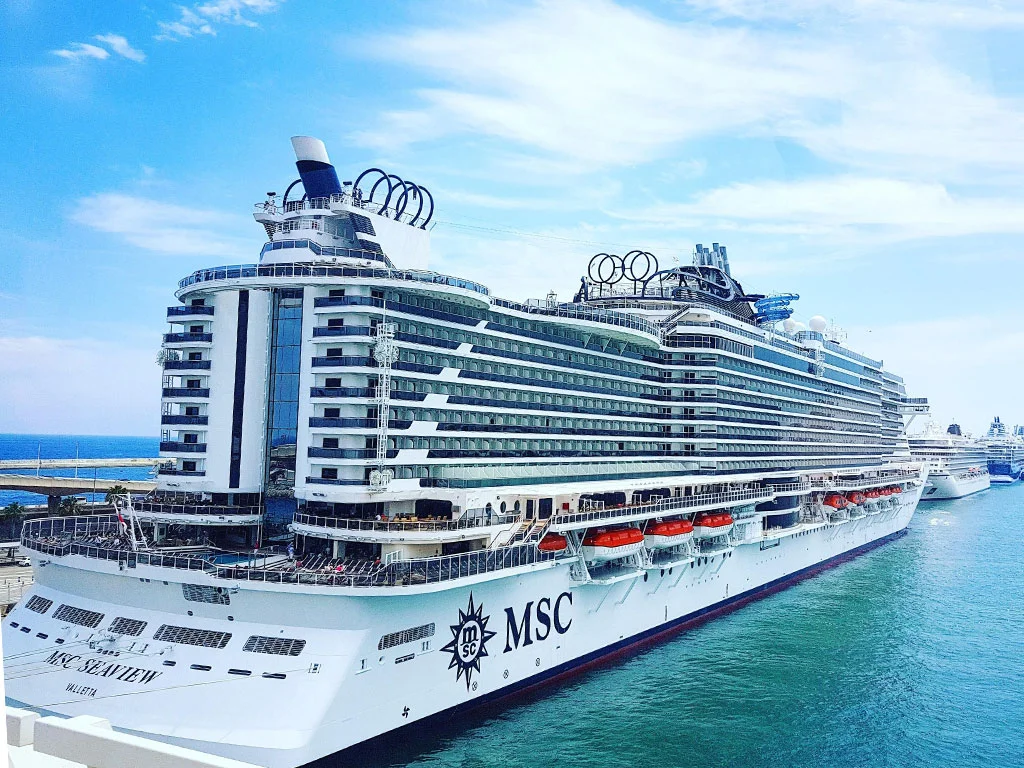
At the heart of the MSC brand promise lies its modern, expansive, and continually evolving fleet. Fleet innovation is a critical brand differentiator. MSC invests heavily in state-of-the-art shipbuilding, designing vessels that are not only aesthetically pleasing but also technologically advanced and environmentally efficient. The brand’s ship classes—from the elegant Fantasia and Meraviglia classes to the groundbreaking Seaside and World classes—each embody a specific design language that reinforces MSC’s identity. Interiors blend European sophistication with contemporary comforts, often featuring expansive glass areas, elegant public spaces, and artwork. A key branding innovation has been the “ship within a ship” concept: the MSC Yacht Club. This exclusive, premium area offers a private sanctuary with personalized service, dedicated amenities, and luxurious suites, effectively creating a luxury brand extension within the broader MSC offering. This allows MSC to cater to both mass-market and high-end luxury segments under one cohesive brand umbrella, broadening its appeal without compromising its core identity. The design and features of their ships are not merely functional; they are integral to the brand’s narrative of modern European style and comfort.
Sustainable Practices and Corporate Responsibility
In an era of increasing environmental consciousness, integrating sustainability into its brand narrative has become a vital pillar for MSC Cruises. The brand has made significant commitments to reducing its environmental footprint, investing in advanced environmental technologies such as exhaust gas cleaning systems, waste management facilities, and advanced wastewater treatment. More recently, MSC has led the industry in developing LNG-powered ships, a cleaner fuel source, signaling a long-term commitment to decarbonization. This dedication to corporate social responsibility (CSR) is not just a regulatory compliance measure; it’s a strategic brand enhancer. By visibly investing in eco-friendly practices and promoting responsible tourism, MSC strengthens its brand reputation, appeals to environmentally conscious travelers, and positions itself as a forward-thinking industry leader. Their private island destination, Ocean Cay MSC Marine Reserve, is a prime example of this commitment, transformed from an industrial sand excavation site into a vibrant marine protected area and a sustainable leisure destination, a powerful testament to their brand’s environmental promise.
Diverse Customer Segments and Market Positioning
MSC’s brand strategy meticulously targets a diverse range of customer segments while maintaining a consistent overarching identity. While its “Mediterranean Way of Life” appeals broadly, the brand cleverly tailors experiences to specific demographics. Families are a significant focus, with extensive kids’ clubs, partnership with LEGO, and family-friendly cabin configurations. Couples seeking romance or relaxation are drawn to the elegant dining options, spa facilities, and adult-only areas. The MSC Yacht Club caters specifically to discerning luxury travelers who seek exclusivity and personalized service. This multi-segment approach is managed through tiered pricing, varied itineraries, and distinct marketing campaigns, each designed to highlight relevant aspects of the MSC brand. For instance, campaigns for North America might emphasize value and family fun, while European campaigns might lean into cultural immersion and sophisticated leisure. This ability to speak to different audiences under one strong brand is a testament to its flexible yet consistent brand architecture and its deep understanding of market positioning.
Marketing, Communication, and Brand Storytelling
Effective brand storytelling and communication are paramount for MSC Cruises to convey its unique value proposition and connect with its target audience on an emotional level.
Crafting the Brand Message
MSC’s brand message is meticulously crafted to evoke the “Mediterranean Way of Life” and its core values of elegance, discovery, and family. Their advertising campaigns often feature vibrant imagery of stunning destinations, stylish ships, and happy multi-generational families or couples enjoying authentic experiences. Slogans like “Not just a cruise, it’s a journey of discovery” or “The Sea at the Heart of Every Journey” encapsulate the brand’s promise of enrichment and emotional connection. The visual identity, with its distinctive logo (featuring a stylized compass rose) and signature blue color palette, communicates professionalism, trust, and the vastness of the sea. All communication channels, from television commercials to print advertisements and digital content, maintain a consistent tone and aesthetic, reinforcing the brand’s personality and values. This consistent narrative building helps customers understand what to expect and what MSC stands for, creating a strong brand affinity.
Digital Presence and Customer Engagement
In the modern travel landscape, a robust digital presence is non-negotiable for brand success. MSC Cruises leverages its website, social media platforms (Facebook, Instagram, X, YouTube), and mobile apps to engage with customers, share captivating content, and manage brand perception. Their digital strategy focuses on inspiring travel, facilitating bookings, and providing seamless pre- and post-cruise support. Social media channels are used for storytelling, showcasing ship features, promoting destinations, and interacting directly with potential and past passengers. User-generated content is often highlighted, adding authenticity and social proof to the brand experience. Furthermore, online customer reviews and feedback are actively monitored, providing valuable insights for brand improvement and allowing MSC to address concerns directly, thereby enhancing brand loyalty and reputation in real-time. This digital engagement builds a community around the brand and reinforces its accessibility and responsiveness.
Partnerships and Brand Alliances
Strategic partnerships are a powerful tool for MSC Cruises to enhance its brand image, expand its reach, and offer unique value propositions. Collaborations with renowned brands like LEGO Group and Chicco (for children’s facilities) underscore its family-friendly credentials. Partnerships with high-end brands for onboard retail or spa services elevate the perceived luxury and sophistication of the cruise experience. Perhaps one of its most innovative alliances was with Cirque du Soleil, creating exclusive, tailor-made shows for its Meraviglia-class ships, a move that significantly differentiated its entertainment offering and positioned MSC as a pioneer in onboard performance art. These alliances are not just about adding features; they are carefully selected to align with and amplify MSC’s brand values, enriching the customer experience and reinforcing its unique market position. Such partnerships lend credibility, broaden appeal, and provide tangible evidence of the brand’s commitment to quality and innovation.
Challenges and Future Trajectories for the MSC Brand
Even with its strong market position, MSC Cruises, like any global brand, faces ongoing challenges and must continually adapt to ensure its continued relevance and growth.
Navigating a Competitive Landscape
The cruise industry is intensely competitive, dominated by a few major players. MSC must continually innovate its brand offering to stand out amidst giants like Carnival Corporation and Royal Caribbean Group. This involves not only building new ships but also refining its service, expanding its unique destination offerings (like Ocean Cay), and consistently delivering on its brand promise of the “Mediterranean Way of Life” with modern flair. Differentiation is key, and MSC’s commitment to its distinctive cultural experience, coupled with technological advancements and sustainable practices, serves as a strong competitive advantage. The challenge lies in communicating these differentiators effectively in a crowded marketplace, ensuring that the brand message cuts through the noise and resonates with target consumers globally.
Adapting to Evolving Consumer Demands
Consumer demands in the travel sector are in constant flux, influenced by factors such as health and safety concerns, desires for authentic experiences, and increased focus on sustainability. MSC’s brand must demonstrate agility in responding to these shifts. This includes adapting health protocols, developing new itineraries that focus on immersive cultural experiences, and further strengthening its environmental commitments. The post-pandemic era, in particular, has highlighted the importance of robust safety measures and flexible booking policies, which MSC has integrated into its brand communications to reassure travelers. Looking ahead, the brand will need to continue investing in personalization and unique experiential offerings to cater to a new generation of travelers who prioritize bespoke journeys and responsible tourism.
Innovation in Brand Experience
The future trajectory of the MSC brand will undoubtedly involve continuous innovation in the overall cruise experience. This could manifest in new ship designs that push architectural boundaries, further integration of smart technology to enhance guest comfort and personalize services, and expansion into new destinations or private island developments. For example, the development of the “World Class” ships signals a new era of urban design at sea, promising revolutionary guest experiences. The brand is likely to deepen its focus on culinary excellence, perhaps by introducing more specialty dining partnerships with celebrity chefs or regionally specific cuisine concepts. Furthermore, as sustainability becomes even more critical, expect MSC to lead with further advancements in green technology and transparent reporting of its environmental impact, further solidifying its brand as a responsible industry leader. The brand’s journey is one of continuous evolution, staying true to its Mediterranean heritage while embracing the future of global travel.

Conclusion
In essence, “what are MSC Cruises?” goes far beyond a simple description of a cruise line. It is a powerful global brand built on a foundation of maritime heritage, distinguished by its unique “Mediterranean Way of Life” promise, and driven by relentless innovation. From its meticulously designed fleet and commitment to sustainability to its astute marketing and strategic partnerships, every facet of MSC Cruises is carefully orchestrated to deliver a distinct and memorable experience. The brand successfully bridges the gap between traditional cruising and modern aspirations, appealing to a diverse global audience while retaining its core identity. As it navigates the complexities of a dynamic travel industry, MSC Cruises continues to evolve, solidifying its position not just as a cruise operator, but as a leading lifestyle brand delivering elegant, enriching, and responsible journeys across the world’s oceans. Its story is a compelling case study in brand building, demonstrating how a clear vision, strategic execution, and a commitment to core values can create a global powerhouse in the competitive world of tourism.
aViewFromTheCave is a participant in the Amazon Services LLC Associates Program, an affiliate advertising program designed to provide a means for sites to earn advertising fees by advertising and linking to Amazon.com. Amazon, the Amazon logo, AmazonSupply, and the AmazonSupply logo are trademarks of Amazon.com, Inc. or its affiliates. As an Amazon Associate we earn affiliate commissions from qualifying purchases.