
Securing a home loan is a pivotal step towards homeownership, and understanding the qualification criteria is essential for any prospective buyer. Lenders meticulously assess an applicant’s financial health to determine their ability to repay a substantial debt. This assessment isn’t arbitrary; it follows a well-defined set of metrics designed to mitigate risk for both the lender and the borrower. Knowing these parameters beforehand allows you to strategically prepare your financial profile, increasing your chances of approval and potentially securing more favorable terms.
The Core Pillars of Home Loan Qualification
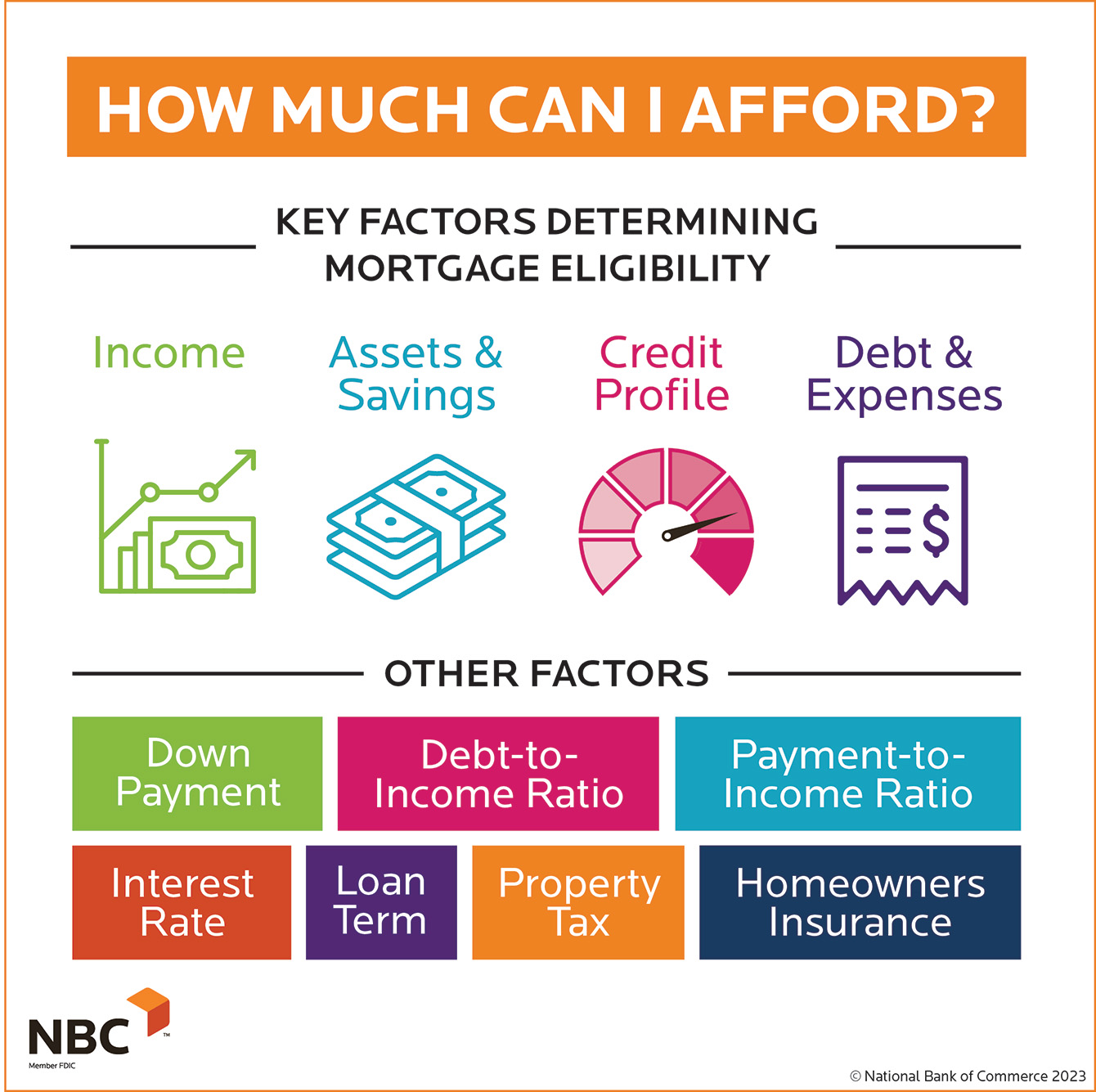
Qualification for a home loan fundamentally rests on several interconnected financial pillars. Each pillar provides a critical piece of information about your financial stability and trustworthiness as a borrower. Lenders typically look for a strong performance across all these areas.
Your Credit Score: The Gateway to Lending
Your credit score is often the first metric a lender examines. It’s a numerical representation of your creditworthiness, compiled from your credit history. Scores generally range from 300 to 850, with higher scores indicating lower risk. While specific requirements vary by loan type and lender, a score of 620-640 is often the minimum for conventional loans, with FHA loans sometimes allowing scores as low as 580 (with a 3.5% down payment) or even 500 (with a 10% down payment). However, higher scores (740+) unlock the best interest rates and loan terms. Lenders use scores to predict the likelihood of on-time payments, reflecting your past behavior with debt obligations like credit cards, auto loans, and previous mortgages. A strong credit history demonstrates responsibility and reliability, which are paramount to securing a home loan.
Income and Employment Stability: Proving Repayment Ability
Lenders need assurance that you have a stable and sufficient income stream to cover your monthly mortgage payments. This isn’t just about the dollar amount; it’s also about the consistency and predictability of that income. Typically, lenders prefer to see at least two years of consistent employment with the same employer or in the same line of work. Self-employed individuals may face additional scrutiny, requiring two years of tax returns to demonstrate stable and verifiable income. Sources of income beyond your primary salary, such as bonuses, commissions, overtime, and rental income, can be included if they are consistent and documented over a significant period (usually two years). Alimony, child support, and disability income can also count, provided there’s a reliable history of receipt and future continuance.
Debt-to-Income (DTI) Ratio: Balancing Your Financial Obligations
The Debt-to-Income (DTI) ratio is one of the most critical financial health indicators. It compares your total monthly debt payments to your gross monthly income. Lenders typically look at two types of DTI:
- Front-end DTI (Housing Ratio): This ratio compares your proposed monthly housing expenses (principal, interest, property taxes, homeowner’s insurance, and homeowners association dues) to your gross monthly income. Lenders usually prefer this to be no higher than 28-31%.
- Back-end DTI (Total Debt Ratio): This ratio includes all your monthly debt obligations (housing expenses plus credit card minimums, car loans, student loan payments, personal loans, etc.) compared to your gross monthly income. Most lenders cap this at 36-43%, though some FHA and VA programs can go higher under specific circumstances.
A lower DTI indicates that you have more disposable income relative to your debt, making you a less risky borrower. It’s a direct measure of your capacity to handle additional monthly payments without becoming financially overextended.
Down Payment and Reserves: Your Initial Investment
The down payment is the initial amount of cash you contribute towards the purchase of a home. It directly impacts your Loan-to-Value (LTV) ratio and, by extension, your loan terms. A larger down payment reduces the amount you need to borrow, potentially leading to lower monthly payments, reduced interest over the life of the loan, and eliminating the need for private mortgage insurance (PMI) on conventional loans if you put down 20% or more.
Beyond the down payment, lenders often require evidence of financial reserves. These are accessible funds (in savings, checking, or investment accounts) that remain after your down payment and closing costs are paid. Reserves demonstrate that you have a financial cushion to cover mortgage payments and other expenses in case of unexpected financial setbacks, adding another layer of security for the lender. The number of months of reserves required can vary, often ranging from two to six months of mortgage payments.
Deconstructing Lender Requirements and Financial Metrics
While the core pillars provide a foundational understanding, a deeper dive into specific financial metrics and documentation sheds more light on the lender’s evaluation process.
Understanding Loan-to-Value (LTV) Ratio
The Loan-to-Value (LTV) ratio is the proportion of your loan amount relative to the home’s appraised value. It’s calculated by dividing the loan amount by the home’s purchase price or appraised value, whichever is lower. For instance, if you’re buying a $300,000 home and taking out a $240,000 loan, your LTV is 80% ($240,000 / $300,000). A lower LTV (meaning a larger down payment) signifies less risk for the lender. LTV directly influences whether you’ll need mortgage insurance and can impact your interest rate.
The Role of Financial Reserves
As mentioned, reserves are crucial. These are liquid assets you possess after closing the loan. They demonstrate your ability to weather financial storms. Lenders look for funds that are readily accessible, such as balances in checking, savings, money market, and certain investment accounts. The specific amount of reserves required can depend on your credit score, DTI, and the type of property you’re purchasing (e.g., multi-unit properties often require more reserves).
Gift Funds and Other Down Payment Sources
Not all down payment funds must come directly from your personal savings. Gift funds, provided by relatives (parents, siblings, grandparents), are often permissible, especially for FHA loans. However, these gifts must be properly documented with a gift letter stating that the money is not a loan and no repayment is expected. Some loan programs also allow down payment assistance programs, grants, or employer assistance programs. Understanding the specific requirements for these alternative sources is crucial, as rules vary significantly by loan type and jurisdiction.
Documentation You’ll Need: A Checklist
Preparing the necessary documentation well in advance can streamline the application process significantly. Expect to provide:
- Proof of Income: Pay stubs (30-60 days), W-2 forms (last two years), tax returns (last two years for self-employed or those with complex income), profit and loss statements.
- Proof of Assets: Bank statements (last two months for all accounts holding funds for down payment, closing costs, and reserves), investment account statements.
- Credit History: Lenders pull your credit report, but reviewing your own report beforehand (from AnnualCreditReport.com) allows you to correct any errors.
- Identification: Driver’s license or other government-issued ID.
- Residence History: Proof of previous addresses.
- Debt Information: Statements for all outstanding debts (credit cards, student loans, auto loans, etc.).
Strategies for Strengthening Your Qualification Profile
If your current financial profile doesn’t quite meet the desired thresholds, there are concrete steps you can take to enhance your eligibility and secure better loan terms.
Improving Your Credit Score
- Pay Bills on Time: Payment history is the most significant factor in your credit score. Set up autopay or reminders.
- Reduce Credit Card Balances: Keep your credit utilization (amount owed vs. credit limit) low, ideally below 30%.
- Avoid New Credit: Don’t open new credit accounts or make large purchases on existing credit cards in the months leading up to and during your loan application.
- Review Your Credit Report: Dispute any inaccuracies that could be dragging down your score.

Managing and Reducing Debt
- Pay Down High-Interest Debts: Focus on credit cards first, as their minimum payments contribute significantly to your DTI.
- Consolidate Debt (Carefully): A debt consolidation loan could lower your overall monthly debt payments, but ensure it doesn’t negatively impact your credit score or add new inquiries before applying for a mortgage.
- Avoid New Debt: Refrain from taking on new car loans, personal loans, or increasing credit card balances.
Increasing Your Down Payment Savings
- Dedicated Savings Account: Set up a separate savings account specifically for your down payment and closing costs.
- Automate Savings: Schedule automatic transfers from your checking to your savings account.
- Reduce Discretionary Spending: Trim unnecessary expenses to free up more cash for savings.
- Consider “Found Money”: Direct bonuses, tax refunds, or other unexpected windfalls directly into your down payment fund.
Pre-Approval: A Strategic First Step
Obtaining a mortgage pre-approval is not only a strong signal to sellers that you are a serious buyer, but it also provides a clear understanding of exactly what you qualify for. A pre-approval involves a lender reviewing your credit, income, and assets to provide a conditional commitment for a specific loan amount. This process helps you:
- Understand Your Budget: Know your realistic price range.
- Identify Potential Issues: Uncover any qualification hurdles early so you can address them.
- Strengthen Your Offer: A pre-approval letter makes your offer more attractive to sellers, especially in competitive markets.
Navigating Different Loan Programs and Their Nuances
The type of loan program you pursue significantly impacts qualification requirements. Each program is designed for different financial situations and borrower profiles.
Conventional Loans: The Standard
Conventional loans are not insured or guaranteed by a government agency. They generally require good to excellent credit (typically 620+), a stable income, and a DTI ratio below 43-45%. Down payments can range from 3% to 20% or more. If your down payment is less than 20%, you’ll likely pay Private Mortgage Insurance (PMI), which can be cancelled once you reach 20% equity.
FHA Loans: Accessible Options
Backed by the Federal Housing Administration (FHA), these loans are popular for first-time homebuyers or those with lower credit scores. FHA loans generally allow credit scores as low as 580 with a 3.5% down payment, or 500 with a 10% down payment. DTI ratios can be slightly more flexible than conventional loans. The trade-off is mandatory mortgage insurance premiums (MIP), both upfront and annual, regardless of the down payment amount, which typically cannot be cancelled unless you refinance to a conventional loan.
VA Loans: Benefits for Service Members
Guaranteed by the Department of Veterans Affairs (VA), these loans are an outstanding benefit for eligible service members, veterans, and surviving spouses. Key advantages include no down payment requirement, no private mortgage insurance, and competitive interest rates. Qualification focuses on income stability, DTI (often up to 41% but can be higher with residual income), and a reasonable credit history (though no specific minimum score is set by the VA, lenders often have their own minimums around 620).
USDA Loans: Rural Opportunities
The U.S. Department of Agriculture (USDA) offers loans designed to promote homeownership in eligible rural and suburban areas. These loans often require no down payment and offer competitive interest rates. Qualification is based on income limits (which vary by area and household size) and the property being located in an eligible rural area. Credit requirements are generally moderate, similar to FHA.
Jumbo Loans: For High-Value Properties
Jumbo loans are for amounts that exceed the conforming loan limits set by Fannie Mae and Freddie Mac (e.g., over $766,550 in most areas for 2024). These loans come with stricter qualification criteria: higher credit scores (typically 700+), larger down payments (often 10-20% or more), lower DTI ratios, and substantial financial reserves (often 6-12 months of payments).
Common Qualification Obstacles and Proactive Solutions
Even with a strong financial profile, certain situations can present challenges to home loan qualification. Understanding these obstacles and how to address them is key.
Employment Gaps or Irregular Income
If you’ve had recent employment gaps or work in an industry with highly variable income (e.g., seasonal work, self-employment without consistent profits), lenders may require more detailed documentation or a longer history of consistent income. Be prepared to explain gaps, provide business licenses, contracts, or extensive tax returns. Sometimes, waiting a few months to establish more consistent income before applying can resolve this.
High Student Loan or Other Consumer Debt
A high DTI ratio, often driven by student loans, car payments, or credit card debt, is a common hurdle. Lenders use specific calculations for student loan payments, sometimes requiring 0.5% or 1% of the outstanding balance as a monthly payment, even if your actual payment is lower (e.g., income-driven repayment). Strategies include paying down these debts, consolidating them (if beneficial for DTI), or seeking a co-signer (though this also has implications for the co-signer).
Insufficient Down Payment or Reserves
Lacking adequate funds for the down payment and required reserves is a straightforward obstacle. The solution involves dedicated savings, exploring down payment assistance programs, or considering gift funds (with proper documentation). It’s crucial to differentiate between funds for the down payment and funds for closing costs, which are separate expenses (typically 2-5% of the loan amount).

Recent Negative Credit Events
A recent bankruptcy, foreclosure, short sale, or even multiple late payments can significantly impact your eligibility. While these events don’t permanently disqualify you, lenders require specific waiting periods (ranging from 1 to 7 years, depending on the event and loan type) before you can qualify for a new mortgage. During the waiting period, focus on rebuilding positive credit history.
Qualifying for a home loan requires a comprehensive understanding of your financial situation and how lenders evaluate risk. By proactively managing your credit, income, debt, and savings, you can position yourself as a strong candidate for homeownership, opening the door to a secure and fulfilling investment.
aViewFromTheCave is a participant in the Amazon Services LLC Associates Program, an affiliate advertising program designed to provide a means for sites to earn advertising fees by advertising and linking to Amazon.com. Amazon, the Amazon logo, AmazonSupply, and the AmazonSupply logo are trademarks of Amazon.com, Inc. or its affiliates. As an Amazon Associate we earn affiliate commissions from qualifying purchases.