
Securing a home loan is a pivotal step for many aspiring homeowners, yet the path to approval can often seem complex and opaque. Understanding what lenders look for, the types of loans available, and how to position yourself as an attractive borrower is crucial. This article delves into the core components of home loan eligibility, providing a clear roadmap to navigate the approval process and ultimately achieve your homeownership dreams.
Understanding Lender Criteria: The Foundation of Approval
Lenders are essentially assessing risk when you apply for a home loan. They want to ensure you have the capacity and willingness to repay the borrowed amount consistently over the loan term. This assessment is built upon a standardized set of criteria, often distilled into what are known as the “Four Cs” of underwriting. Familiarizing yourself with these foundational principles is the first step toward understanding your potential for approval.

The “Four Cs” of Underwriting
- Capacity: This refers to your ability to repay the loan. Lenders analyze your income, employment stability, and existing debt obligations to determine if you have sufficient cash flow to manage monthly mortgage payments along with your other financial commitments. Key metrics here include your gross monthly income and your debt-to-income (DTI) ratio.
- Capital: This represents your financial reserves and the funds you have available for a down payment and closing costs. A larger down payment not only reduces the loan amount but also signals to lenders that you have financial discipline and a vested interest in the property. Lenders also look at cash reserves—funds remaining in your accounts after the down payment and closing costs—as a buffer for unexpected expenses.
- Collateral: The home you wish to purchase serves as the collateral for the loan. Lenders will order an appraisal to ensure the property’s value is sufficient to secure the loan. If you default, the lender needs to be confident that they can recoup their losses by selling the property. The property’s condition, location, and market value are all factors considered under collateral.
- Credit: Your credit history and credit score provide a snapshot of your past borrowing behavior and financial responsibility. Lenders use this to gauge your willingness to repay debts. A strong credit score, built on a history of timely payments and responsible credit utilization, indicates a lower risk borrower. Conversely, a history of missed payments or high debt levels can significantly hinder approval.
Risk Assessment and Loan Programs
Lenders tailor their loan offerings based on their assessment of these factors. Different loan programs (e.g., conventional, FHA, VA, USDA) have varying requirements precisely because they are designed to cater to different borrower profiles and risk tolerances. A borrower with a pristine credit history and a substantial down payment might qualify for a conventional loan with favorable terms, while someone with a less-than-perfect credit score or limited down payment funds might find an FHA loan more accessible due to its government insurance. Understanding these nuances helps in selecting the right loan product for your situation.
Key Factors Influencing Your Loan Eligibility
Beyond the general “Four Cs,” specific financial metrics and personal circumstances play a crucial role in determining what you can get approved for. Lenders will meticulously review these details to build a comprehensive picture of your financial health.
Credit Score and History
Your credit score, typically a FICO score, is a numerical representation of your creditworthiness. While a perfect score isn’t required, a higher score generally translates to better loan terms, including lower interest rates.
- Minimum Scores: Conventional loans typically require a minimum FICO score of 620, though scores above 700 are considered strong. FHA loans are more forgiving, often accepting scores as low as 580 with a 3.5% down payment, or even 500 with a 10% down payment. VA and USDA loans do not have strict minimums but lenders often impose their own, usually in the 620 range.
- Credit History: Lenders examine not just the score but also the underlying history. They look for consistent, on-time payments, the length of your credit history, the types of credit accounts you have (e.g., credit cards, auto loans, student loans), and your credit utilization (how much credit you’re using versus how much is available). Derogatory marks like bankruptcies, foreclosures, or collections will have a significant negative impact, though time can mitigate some of these effects.
Debt-to-Income (DTI) Ratio
Your DTI ratio is a critical indicator of your capacity to manage new debt. It measures how much of your gross monthly income goes toward paying debts.
- Calculation: It’s calculated by dividing your total monthly debt payments (including the proposed new mortgage payment) by your gross monthly income.
- Front-End vs. Back-End DTI: Lenders often look at two ratios:
- Front-end DTI: The percentage of your income that goes to housing costs (Principal, Interest, Taxes, Insurance – PITI).
- Back-end DTI: The percentage of your income that goes to all recurring monthly debt payments, including the proposed PITI, credit card minimums, car loans, student loans, etc.
- Typical Maximums: For conventional loans, a back-end DTI of 36% is often preferred, though it can go up to 43-45% for well-qualified borrowers. FHA loans are more flexible, sometimes allowing DTI ratios up to 50% in certain circumstances, particularly with compensating factors like strong cash reserves.
Income Stability and Employment
Lenders prefer borrowers with a stable and verifiable income. They want assurance that your income stream will continue reliably to cover mortgage payments.
- Consistency: Generally, lenders look for at least two years of consistent employment in the same field. Job hopping, especially to unrelated fields or with significant gaps, can raise red flags.
- Verifiable Income: All income must be documented. For W-2 employees, this means recent pay stubs and W-2 forms for the past two years. Self-employed individuals will need two years of tax returns and often a profit and loss statement. Commission-based or bonus income may require a longer history (e.g., 24 months) to establish a stable average. Other income sources like rental income, disability, or retirement income also need proper documentation.
Down Payment and Reserves
The amount of money you can put down on a home, along with your financial cushion after the purchase, significantly impacts your eligibility and loan terms.
- Minimum Down Payment: This varies by loan type:
- VA and USDA Loans: 0% down for eligible borrowers.
- FHA Loans: Minimum 3.5% down.
- Conventional Loans: Can be as low as 3-5% for some programs, though 20% down avoids private mortgage insurance (PMI).
- Cash Reserves: Lenders often require you to have a certain number of months’ worth of mortgage payments in liquid assets after closing. This demonstrates your ability to withstand minor financial disruptions.
- Gift Funds: If a portion of your down payment comes from a gift, there are strict rules regarding documentation and the relationship between the donor and recipient.
Different Loan Programs and Their Requirements
The world of home loans offers a variety of products, each designed with specific borrower profiles and needs in mind. Understanding these distinctions is key to finding the loan that best fits your financial situation.
Conventional Loans
These are the most common type of home loan and are not insured or guaranteed by the government. They conform to the guidelines set by Fannie Mae and Freddie Mac.
- Overview: Offer flexibility and often better terms for borrowers with strong credit.
- Requirements: Typically require a credit score of 620 or higher, a DTI often below 43%, and stable employment. Down payments can range from 3% to 20% or more. If you put less than 20% down, you will likely pay Private Mortgage Insurance (PMI).
- Best For: Borrowers with good to excellent credit, stable income, and sufficient funds for a down payment.
FHA Loans
Insured by the Federal Housing Administration, these loans are popular for first-time homebuyers and those with less-than-perfect credit.
- Overview: Designed to make homeownership more accessible, FHA loans are easier to qualify for than conventional loans.
- Requirements: A credit score as low as 580 often qualifies for a 3.5% down payment. DTI ratios can be higher, sometimes up to 50%. However, FHA loans require both upfront and annual Mortgage Insurance Premiums (MIP), regardless of the down payment amount, which increases the overall cost.
- Best For: Borrowers with lower credit scores, higher DTI, or limited down payment funds.
VA Loans
Guaranteed by the U.S. Department of Veterans Affairs, these loans are an invaluable benefit for eligible service members, veterans, and surviving spouses.
- Overview: One of the most powerful home loan options available, offering exceptional benefits.
- Requirements: Requires a Certificate of Eligibility (COE) verifying service history. The most significant benefit is 0% down payment required. There’s no private mortgage insurance (PMI), but a VA funding fee is typically charged (though it can be waived for those receiving VA disability compensation). Lenders usually look for a credit score around 620.
- Best For: Eligible military personnel, veterans, and surviving spouses.
USDA Loans
Backed by the U.S. Department of Agriculture, these loans are designed to promote homeownership in eligible rural and suburban areas.
- Overview: Offers 0% down payment options for low-to-moderate income borrowers in designated rural areas.
- Requirements: Strict income limits based on household size and location, and the property must be in an eligible rural area (which can include many suburban areas). Lenders typically look for a credit score of 640 or higher, though exceptions can be made. Similar to FHA, they have an upfront and annual guarantee fee.
- Best For: Low-to-moderate income individuals purchasing homes in USDA-eligible rural locations.
Jumbo Loans
These are conventional loans that exceed the conforming loan limits set by Fannie Mae and Freddie Mac (which vary by county).
- Overview: For high-value properties requiring larger loan amounts.
- Requirements: Because they carry more risk for lenders, jumbo loans demand exceptionally strong borrower profiles. This typically includes excellent credit scores (often 700+), larger down payments (10-20% or more), and significant cash reserves (often 6-12 months of mortgage payments). DTI ratios must be very low.
- Best For: Borrowers purchasing high-priced homes who have impeccable financial standing.
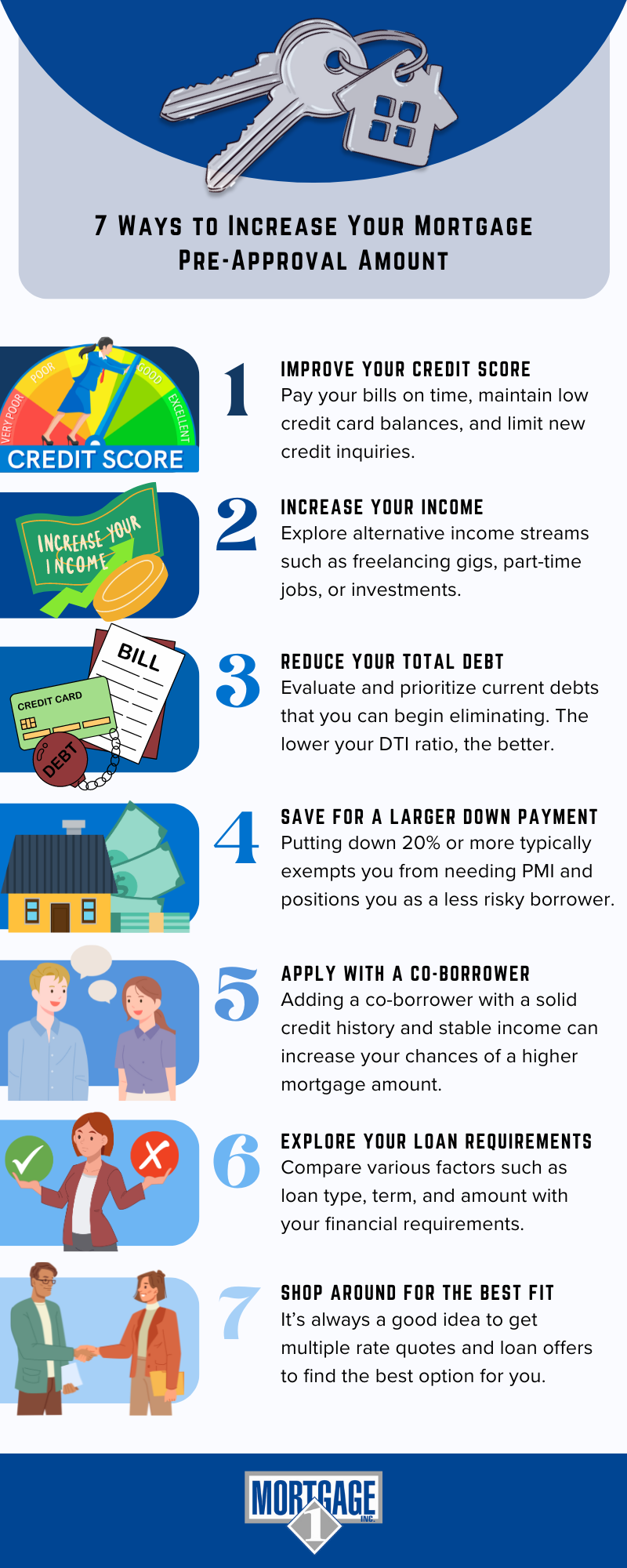
Strategies to Improve Your Approval Odds
If your current financial profile doesn’t perfectly align with lender requirements, there are proactive steps you can take to enhance your eligibility and secure a more favorable loan.
Enhance Your Credit Profile
Your credit score is dynamic and can be improved over time.
- Pay Bills On Time: This is the most crucial factor. Set up automatic payments to avoid missed due dates.
- Reduce Credit Card Balances: Aim to keep your credit utilization below 30% of your available credit limits. Paying down high balances can quickly boost your score.
- Check Your Credit Report for Errors: Obtain free copies of your credit report from AnnualCreditReport.com and dispute any inaccuracies.
- Avoid New Credit: Refrain from opening new credit accounts or making large purchases on existing credit cards in the months leading up to your loan application, as this can temporarily lower your score and increase your DTI.
Manage Your Debt-to-Income Ratio
Lowering your DTI ratio makes you a less risky borrower.
- Pay Down Debts: Focus on reducing credit card balances, personal loans, or auto loan payments. Even a small reduction in monthly debt can make a difference.
- Increase Income (If Possible): While not always feasible in the short term, securing a raise or a higher-paying job (ensuring stability requirements are still met) can improve your DTI.
- Avoid Taking on New Debt: Do not finance a new car or open new lines of credit before or during your mortgage application process.
Save for a Larger Down Payment and Reserves
Having more capital demonstrates financial prudence and reduces the loan amount.
- Automatic Savings: Set up automatic transfers from your checking to a dedicated savings account.
- Budgeting: Cut unnecessary expenses to free up more money for savings.
- Emergency Fund: Prioritize building an emergency fund that can serve as your cash reserves after closing. This shows lenders you have a buffer for unexpected costs.
Stabilize Your Employment and Income
Lenders value consistency.
- Maintain Consistent Employment: Avoid job changes right before or during the loan application, especially if it means a change in industry or pay structure.
- Document All Income: Keep meticulous records of all income sources, including W-2s, tax returns, pay stubs, and any other relevant financial statements.
Get Pre-Approved
This is a crucial preliminary step that involves a lender reviewing your financial information and giving you a conditional commitment for a specific loan amount.
- Understand Your Buying Power: A pre-approval letter tells you exactly how much you can afford, allowing you to focus your home search effectively.
- Identify Potential Issues: The pre-approval process can uncover any potential red flags or areas where you need to improve your financial profile before making a formal application.
- Strengthen Your Offer: A pre-approval letter makes you a more attractive buyer to sellers, as it shows you are serious and qualified.
The Application Process and What to Expect
Once you’ve strengthened your financial profile and understood the different loan options, navigating the application process itself is the final hurdle. Knowing what to expect can reduce stress and ensure a smoother journey to closing.
Initial Consultation and Pre-Approval
Your journey typically begins with an initial consultation with a mortgage lender or broker. They will discuss your financial situation, goals, and help you understand which loan programs might be suitable. During this stage, you’ll provide preliminary financial information, allowing the lender to issue a pre-approval letter. This document is a conditional commitment based on the information you’ve provided and a preliminary credit check.
Gathering Documentation
After pre-approval and once you have an accepted offer on a home, the formal application process requires extensive documentation. Be prepared to provide:
- Income Verification: Pay stubs (30-60 days), W-2 forms (past two years), and federal tax returns (past two years). Self-employed borrowers will need more detailed financial statements and business tax returns.
- Asset Verification: Bank statements (past 60-90 days) for checking, savings, and investment accounts to prove funds for the down payment, closing costs, and reserves.
- Credit History: Lenders will pull your credit report. You may need to provide letters of explanation for any derogatory marks.
- Employment Verification: The lender will contact your employer(s) to confirm your employment history and current status.
- Other Debts: Statements for existing loans (car, student, personal) and credit cards.
Underwriting Review
This is the most critical phase where the lender’s underwriter meticulously verifies all the information and documentation you’ve provided. The underwriter assesses the risk of the loan, ensuring it meets both the lender’s internal guidelines and any government or investor requirements for the specific loan program. During this time, the lender will also order:
- Appraisal: An independent valuation of the property to ensure its value supports the loan amount.
- Title Search: To verify that the seller has clear ownership of the property and there are no existing liens or encumbrances.
- Homeowners Insurance: Proof of insurance is required to protect the lender’s investment.

Loan Approval and Closing
Once the underwriter is satisfied with all documentation and conditions, your loan will be given “clear-to-close” status. You will then receive a Closing Disclosure (CD), a crucial document that details all the final terms of your loan, including interest rate, monthly payments, and all closing costs. You are legally required to receive this document at least three business days before your closing date, giving you time to review it thoroughly. At the closing appointment, you will sign numerous legal documents, officially transferring ownership of the home to you and initiating your mortgage.
Understanding these steps and proactively managing your financial profile will significantly enhance your chances of not only getting approved for a home loan but also securing terms that best suit your long-term financial health.
aViewFromTheCave is a participant in the Amazon Services LLC Associates Program, an affiliate advertising program designed to provide a means for sites to earn advertising fees by advertising and linking to Amazon.com. Amazon, the Amazon logo, AmazonSupply, and the AmazonSupply logo are trademarks of Amazon.com, Inc. or its affiliates. As an Amazon Associate we earn affiliate commissions from qualifying purchases.