
Securing a mortgage is one of the most significant financial commitments an individual or family will undertake. It’s a complex process that involves numerous steps, financial evaluations, and legal considerations, ultimately enabling you to purchase a home without paying the full price upfront. Understanding each stage, from initial preparation to closing, is crucial for navigating this journey successfully and securing the most favorable terms for your financial situation.
Understanding the Mortgage Landscape
Before embarking on the homeownership journey, a foundational understanding of what a mortgage entails and the various forms it can take is essential. This knowledge empowers prospective homebuyers to make informed decisions that align with their long-term financial goals.
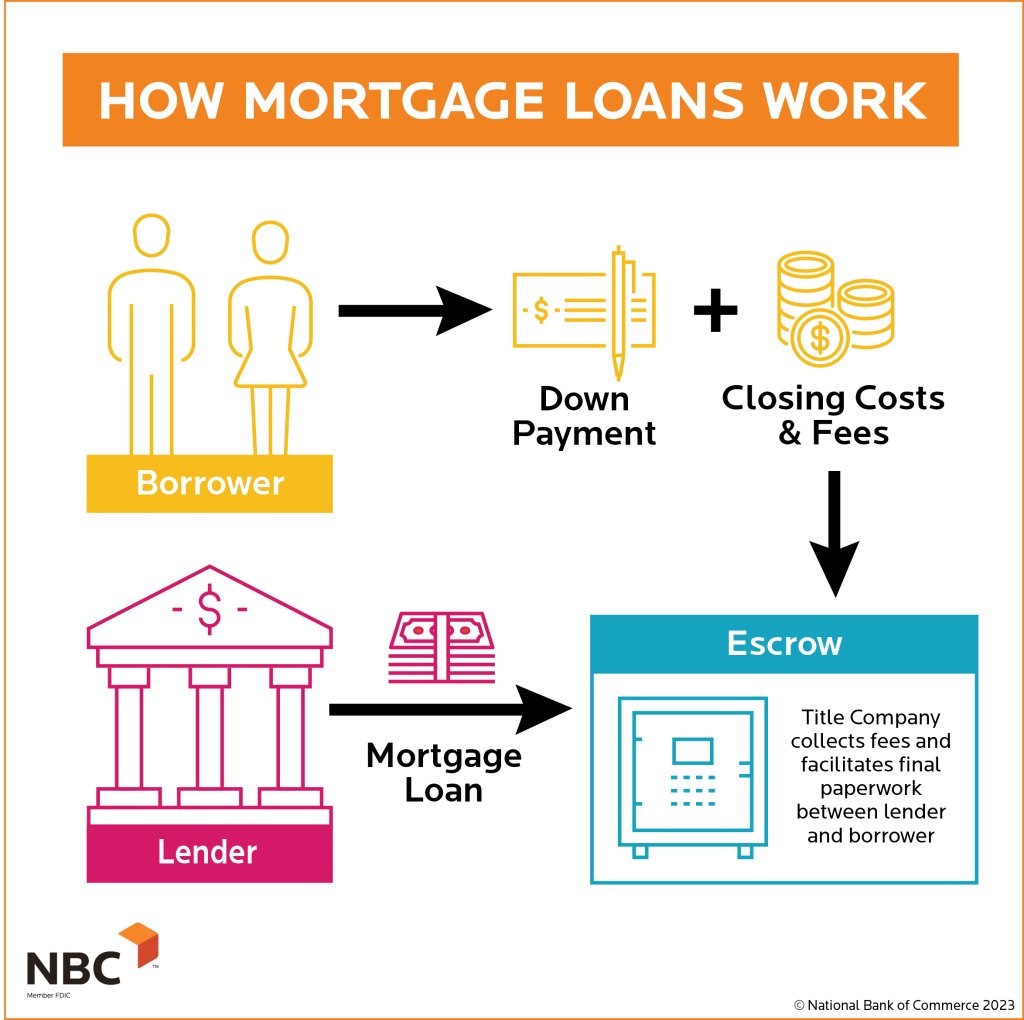
What is a Mortgage?
At its core, a mortgage is a loan used to purchase or maintain a home, land, or other types of real estate. The borrower agrees to pay back the loan over a set period, typically 15 to 30 years, in regular installments that include both principal and interest. The property itself serves as collateral for the loan, meaning if the borrower defaults on payments, the lender has the right to repossess the property through a process known as foreclosure. This arrangement makes homeownership accessible by allowing individuals to finance a large asset over an extended period.
Types of Mortgages
The mortgage market offers a diverse range of products, each designed to cater to different financial needs and borrower profiles. Choosing the right type is pivotal.
Fixed-Rate Mortgages
These are characterized by an interest rate that remains constant throughout the life of the loan. This predictability makes budgeting easier, as monthly principal and interest payments remain the same. They are a popular choice for borrowers seeking stability and protection against rising interest rates.
Adjustable-Rate Mortgages (ARMs)
In contrast, ARMs feature an interest rate that can fluctuate over time. Typically, an ARM will have an initial fixed-rate period (e.g., 3, 5, 7, or 10 years), after which the rate adjusts periodically based on an economic index plus a margin. While ARMs often start with lower interest rates than fixed-rate mortgages, the potential for payment increases introduces an element of risk, making them more suitable for borrowers who anticipate selling or refinancing before the fixed period ends, or those comfortable with interest rate volatility.
Government-Backed Loans (FHA, VA, USDA)
These programs are designed to make homeownership more accessible, particularly for specific demographics or those with less-than-perfect credit or limited down payment funds.
- FHA Loans: Insured by the Federal Housing Administration, these loans offer more lenient credit requirements and allow for down payments as low as 3.5%. They are popular among first-time homebuyers.
- VA Loans: Guaranteed by the U.S. Department of Veterans Affairs, these loans are available to eligible service members, veterans, and surviving spouses. They often require no down payment and no private mortgage insurance (PMI), making them highly attractive.
- USDA Loans: Backed by the U.S. Department of Agriculture, these loans aim to promote homeownership in rural and suburban areas. They offer 100% financing to eligible low- and moderate-income borrowers who purchase homes in designated rural areas.
Key Terminology
Navigating the mortgage process requires familiarity with specific financial terms:
- Principal: The original amount of money borrowed, or the remaining balance of the loan, on which interest is calculated.
- Interest: The cost of borrowing money, expressed as a percentage of the principal.
- Escrow: An account held by a third party (often the lender) to pay property taxes and homeowner’s insurance premiums on behalf of the borrower. A portion of each monthly mortgage payment is typically allocated to this escrow account.
- Private Mortgage Insurance (PMI): An insurance policy protecting the lender if a borrower defaults on a conventional loan and has less than 20% equity in their home. It is typically required when the down payment is less than 20% of the home’s purchase price.
- Annual Percentage Rate (APR): A broader measure of the cost of borrowing money than the interest rate alone. It includes the interest rate plus other costs, such as lender fees, closing costs, and mortgage insurance premiums, making it a more comprehensive reflection of the loan’s total cost.
Preparing for Mortgage Application
A successful mortgage application hinges on thorough preparation. Lenders scrutinize an applicant’s financial health to assess their ability to repay the loan. Proactive steps taken before even speaking to a lender can significantly improve your chances of approval and secure better terms.
Assessing Your Financial Health
Lenders evaluate several key financial metrics to determine your creditworthiness and capacity to handle mortgage payments.
- Credit Score: Your credit score is a numerical representation of your credit risk, largely based on your payment history, amounts owed, length of credit history, new credit, and credit mix. A higher score (typically 740+) indicates lower risk and generally qualifies you for better interest rates. It is advisable to obtain a copy of your credit report from all three major bureaus (Equifax, Experian, TransUnion) well in advance, reviewing it for any errors or discrepancies that could negatively impact your score. Address any inaccuracies promptly.
- Debt-to-Income (DTI) Ratio: This ratio compares your total monthly debt payments to your gross monthly income. Lenders typically look for a DTI ratio of 43% or less, though some programs may allow for higher ratios. A lower DTI indicates that you have more disposable income available to comfortably make your mortgage payments. Strategies to improve your DTI include paying down existing debts (credit cards, car loans, student loans) and increasing your income.
- Savings: Beyond the down payment, lenders want to see that you have adequate savings, known as reserves, to cover several months of mortgage payments in case of unexpected financial hardship. These reserves provide a buffer and demonstrate financial stability.
Down Payment Considerations
The down payment is the initial amount of money you pay towards the purchase of a home. It directly impacts your loan amount, monthly payments, and whether you’ll need to pay PMI.
- 20% Down Payment: A traditional 20% down payment on a conventional loan is often ideal, as it typically eliminates the need for private mortgage insurance, reducing your monthly costs. It also results in a lower loan amount, leading to less interest paid over the life of the loan.
- Lower Down Payment Options: Many loan programs allow for smaller down payments (e.g., 3.5% for FHA, 0% for VA/USDA). While these options make homeownership more accessible, they often come with additional costs such as PMI or an upfront mortgage insurance premium (UFMIP), increasing the overall cost of the loan. Carefully weigh the benefits of quicker homeownership against these additional expenses.
Gathering Necessary Documents
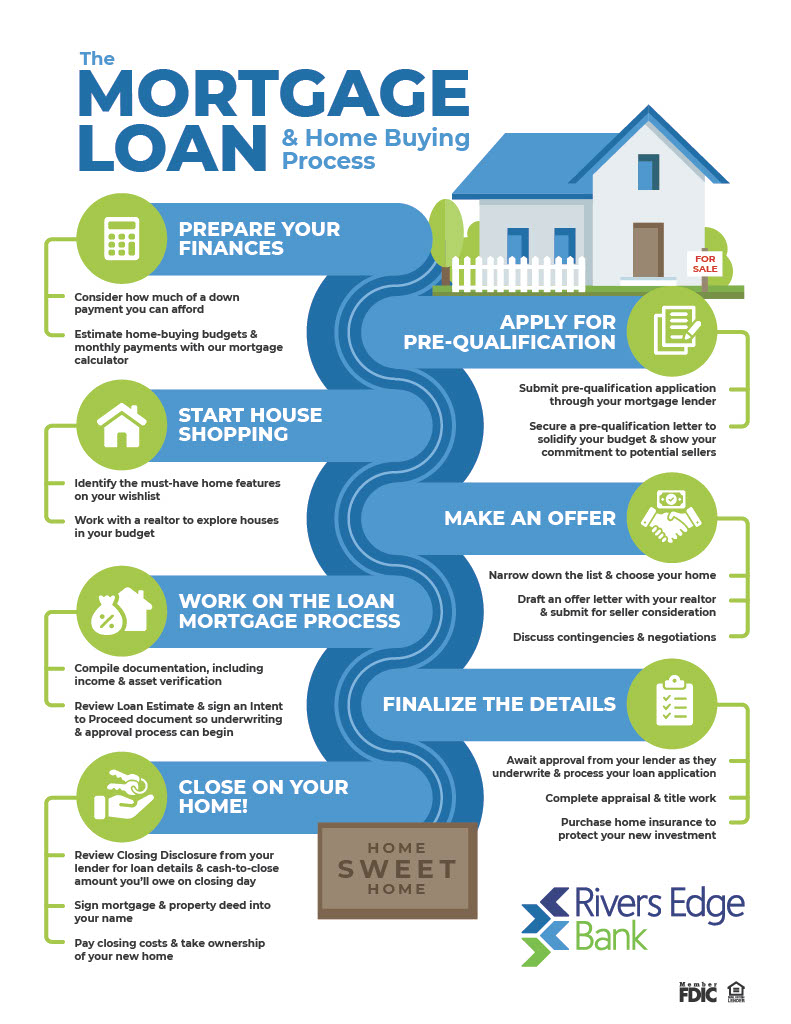
Preparing a comprehensive file of financial documents beforehand will streamline the application process. Typical documents required include:
- Proof of Income: Pay stubs (most recent 30 days), W-2 forms (past two years), and federal tax returns (past two years). If self-employed, two years of personal and business tax returns, along with profit and loss statements.
- Bank Statements: Statements for all checking and savings accounts (most recent 60 days) to verify funds for the down payment and closing costs, and to check for unusual deposits.
- Investment Account Statements: If applicable, statements from brokerage or retirement accounts.
- Proof of Other Assets: Documentation for any other significant assets that could contribute to your financial standing.
- Debt Information: Statements for all outstanding debts, including credit cards, auto loans, student loans, and other installment loans.
- Identification: Government-issued photo ID (driver’s license, passport) and Social Security card.
- Rental History (if applicable): Proof of consistent rental payments can be beneficial, especially for first-time buyers with limited credit history.
The Application and Approval Process
With your financial house in order and documents at hand, you are ready to engage with lenders and move through the formal application stages. This phase involves research, submission, and rigorous evaluation by the lender.
Finding a Lender
The first critical step is to find a reputable mortgage lender. This can include:
- Banks and Credit Unions: Traditional financial institutions often offer a range of mortgage products and may provide benefits to existing customers.
- Mortgage Brokers: These professionals act as intermediaries, working with multiple lenders to find the best loan products and rates for your specific situation. They can be invaluable for borrowers with unique circumstances or those seeking to compare various offers efficiently.
- Online Lenders: A growing number of online-only lenders offer competitive rates and a streamlined digital application process.
It is highly recommended to shop around and get quotes from at least three different lenders. Compare not only interest rates but also APRs, closing costs, and lender fees to get a true understanding of the overall cost of each loan.
Pre-Approval vs. Pre-Qualification
Understanding the distinction between these two initial steps is important:
- Pre-Qualification: This is an informal assessment based on information you provide about your income, debts, and assets. It gives you a rough estimate of how much you might be able to borrow. It does not involve a deep dive into your credit history and is not a commitment from a lender.
- Pre-Approval: This is a much more thorough process. The lender reviews your actual financial documents, pulls your credit report, and provides a conditional commitment for a specific loan amount. A pre-approval letter is a powerful tool when house hunting, demonstrating to sellers that you are a serious and qualified buyer.
Submitting Your Application
Once you’ve chosen a lender and a specific loan product, you will formally submit your mortgage application. This involves providing all the gathered documentation. The lender will review everything meticulously, verifying your income, employment, assets, and liabilities. They will likely pull your credit report again during this stage.
Underwriting and Appraisal
Following application submission, your loan enters the underwriting phase:
- Underwriting: An underwriter reviews your application in detail to assess the risk involved. They evaluate your credit history, income stability, assets, and the property itself to ensure it meets the lender’s guidelines and program requirements. They may request additional documents or clarifications during this period.
- Appraisal: The lender will order an independent appraisal of the property to determine its fair market value. This is crucial because lenders will only lend up to the appraised value (or the purchase price, whichever is lower) to protect their investment. If the appraisal comes in lower than the agreed-upon purchase price, it can impact the deal and may require renegotiation or a larger down payment from the buyer.
- Title Search: A title company performs a title search to ensure there are no existing liens, encumbrances, or disputes regarding the property’s ownership. This guarantees a clear title for the buyer and lender.
Closing and Beyond
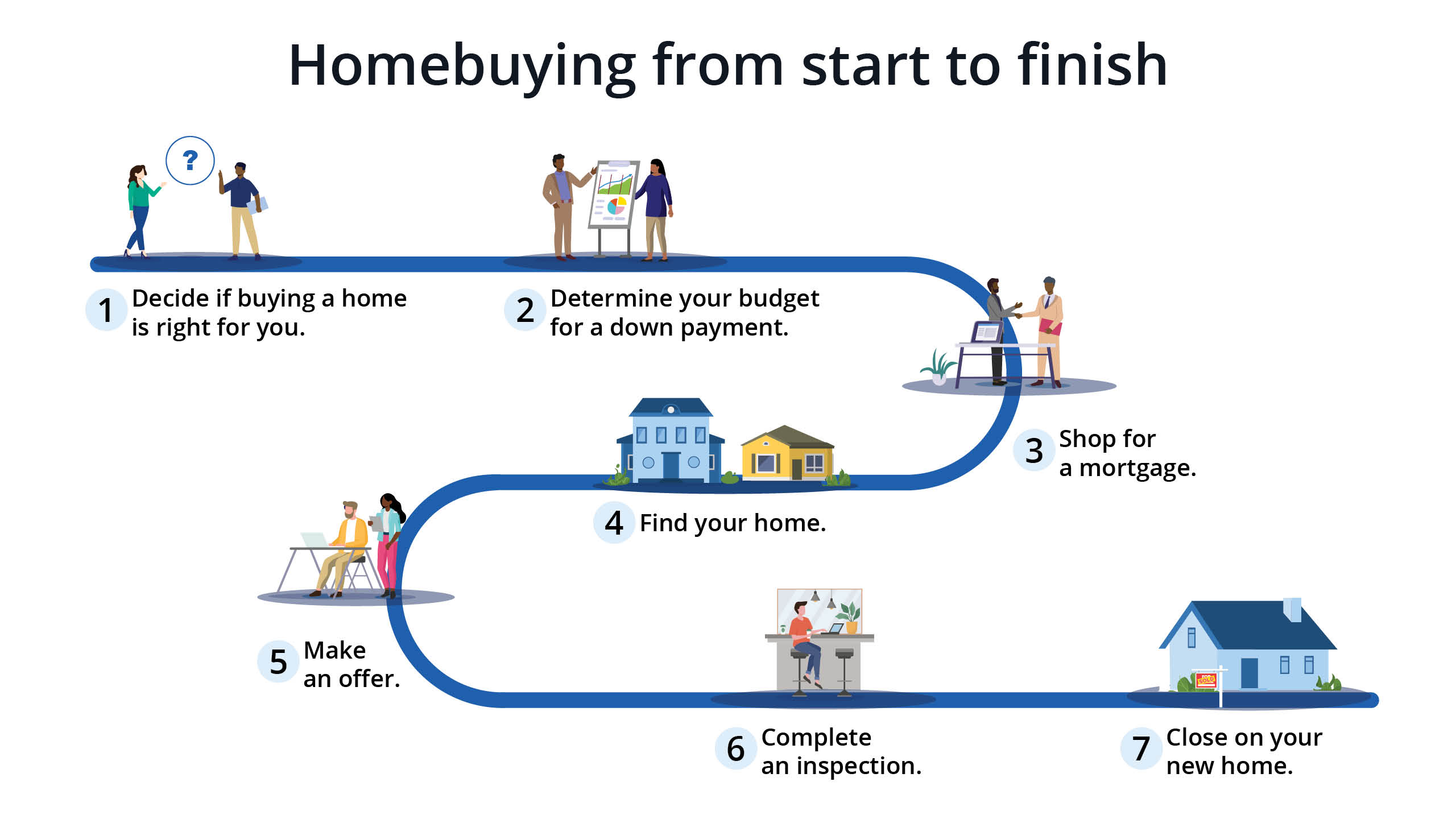
The closing process is the final hurdle before you officially become a homeowner. It’s where all the legal and financial aspects are finalized, followed by ongoing responsibilities as a homeowner.
The Closing Process
Often referred to as settlement, the closing is where you sign all the necessary legal documents to finalize the mortgage loan and transfer property ownership.
- Closing Disclosure (CD): At least three business days before closing, you will receive a Closing Disclosure, which details all the final terms of your loan, including interest rate, monthly payments, and all closing costs. It’s critical to compare this with your initial Loan Estimate to ensure there are no unexpected changes.
- Closing Costs: These are fees and expenses associated with finalizing your mortgage and purchasing your home. They typically range from 2% to 5% of the loan amount and can include origination fees, appraisal fees, title insurance, attorney fees, recording fees, and prepaid items like property taxes and homeowner’s insurance. Be prepared to pay these costs at closing, often through a wire transfer or cashier’s check.
- Final Review and Signing: At the closing table, you’ll sign numerous documents, including the promissory note (your promise to repay the loan), the mortgage or deed of trust (giving the lender a lien on the property), and various disclosures. Carefully read and understand every document before signing.
Post-Closing Responsibilities
Once you’ve closed and received the keys, your responsibilities as a homeowner and borrower begin:
- Monthly Mortgage Payments: Consistently making your monthly mortgage payments on time is paramount. Late payments can incur fees, negatively impact your credit score, and ultimately jeopardize your homeownership.
- Property Taxes and Insurance: Ensure your property taxes and homeowner’s insurance premiums are paid. If you have an escrow account, the lender will handle these payments on your behalf from the funds collected with your mortgage payment. Otherwise, you are responsible for paying these directly.
- Home Maintenance: Budget for ongoing home maintenance and repairs to protect your investment.
Refinancing Opportunities
Over the lifespan of your mortgage, opportunities for refinancing may arise. Refinancing involves taking out a new loan to replace your existing one, often to secure a lower interest rate, change loan terms (e.g., from an ARM to a fixed-rate), or tap into home equity for cash-out purposes. Monitoring interest rate trends and your financial situation can help you determine if refinancing makes financial sense for you in the future.
Navigating the mortgage process requires diligence, research, and a clear understanding of your financial capabilities. By preparing thoroughly, understanding your options, and carefully reviewing all documentation, you can confidently secure the financing needed to achieve your dream of homeownership.
aViewFromTheCave is a participant in the Amazon Services LLC Associates Program, an affiliate advertising program designed to provide a means for sites to earn advertising fees by advertising and linking to Amazon.com. Amazon, the Amazon logo, AmazonSupply, and the AmazonSupply logo are trademarks of Amazon.com, Inc. or its affiliates. As an Amazon Associate we earn affiliate commissions from qualifying purchases.