
Navigating the complexities of a home loan can be daunting, especially when market interest rates fluctuate. For many homeowners, the interest rate on their mortgage represents a significant portion of their monthly expenses and the total cost of their home over time. Strategically lowering this rate can lead to substantial financial savings, freeing up capital for other investments, debt reduction, or personal goals. Understanding the mechanisms and opportunities available is crucial for any homeowner looking to optimize their financial position. This guide delves into the primary methods and essential considerations for reducing the interest rate on your home loan, focusing purely on personal finance strategies.

Understanding Your Current Home Loan Landscape
Before embarking on any strategy to lower your interest rate, a thorough understanding of your current mortgage and the broader financial environment is essential. This foundational analysis will inform your decisions and maximize your chances of success.
Analyzing Your Existing Mortgage Terms
Begin by scrutinizing your current mortgage documentation. Identify your original interest rate, the type of loan (fixed-rate, adjustable-rate mortgage – ARM), the remaining term, and any prepayment penalties. A fixed-rate mortgage offers stability, but its rate is locked in regardless of market changes. An ARM, conversely, has a rate that adjusts periodically, which could either be a benefit if rates drop or a detriment if they rise. Knowing your current loan-to-value (LTV) ratio (the amount you owe versus your home’s current appraised value) and your outstanding principal balance is also critical. Significant equity built up over time or through market appreciation can open up more favorable refinancing options.
The Impact of Credit Score on Interest Rates
Your credit score is a powerful determinant of the interest rate lenders are willing to offer. A higher credit score signals lower risk to lenders, making you eligible for more competitive rates. Lenders typically review your FICO score and credit report for late payments, bankruptcies, and other derogatory marks. Before initiating any process to lower your rate, obtain a copy of your credit report from all three major bureaus (Equifax, Experian, TransUnion) and review it for accuracy. Dispute any errors promptly, as even minor discrepancies can negatively impact your score. Focus on improving your score by paying bills on time, reducing credit card balances, and avoiding new credit applications. Even a modest improvement in your score can translate into thousands of dollars in savings over the life of a loan.
Market Interest Rate Fluctuations and Their Significance
Interest rates are dynamic, influenced by economic indicators, Federal Reserve policies, inflation, and global events. What was a competitive rate two years ago might be considered high today, or vice versa. Monitoring current market trends for mortgage rates is paramount. Financial news outlets, reputable mortgage lenders, and online financial tools provide real-time updates on prevailing rates. A general rule of thumb for considering refinancing is if current rates are at least 0.75% to 1% lower than your existing rate, though even smaller differences can be beneficial depending on your loan size and remaining term. Understanding these fluctuations allows you to time your move strategically, capitalizing on periods of lower rates to secure better terms.
The Primary Pathway: Mortgage Refinancing
For most homeowners, refinancing is the most direct and effective method to lower their mortgage interest rate. This involves replacing your current mortgage with a new one, ideally with more favorable terms.
What is Refinancing and How Does It Work?
Refinancing is essentially taking out a new loan to pay off your old one. The new loan comes with a new interest rate, new terms, and often a new repayment schedule. The goal is typically to secure a lower interest rate, reduce monthly payments, shorten the loan term, or convert an adjustable-rate mortgage (ARM) to a fixed-rate mortgage for predictability. The process is similar to applying for your original home loan, involving an application, credit checks, property appraisal, and closing.
Types of Refinance Options: Rate-and-Term vs. Cash-Out
There are primarily two types of refinancing homeowners pursue:
- Rate-and-Term Refinance: This is the most common type for lowering interest rates. It changes only the interest rate and/or the loan term, without altering the principal balance unless you roll closing costs into the new loan. The primary objective is to reduce your monthly payment and/or the total interest paid over the life of the loan.
- Cash-Out Refinance: While it can also be used to lower your interest rate, its main purpose is to allow you to borrow against your home equity. You take out a new, larger mortgage than your current outstanding balance, and receive the difference in cash. This cash can be used for home improvements, debt consolidation, or other financial needs. While it provides liquidity, it also increases your principal balance and can extend your repayment period.
Key Factors for Refinance Eligibility
Lenders evaluate several factors when you apply for a refinance:
- Credit Score: As mentioned, a strong credit score (typically 620-740+ for conventional loans) is vital for securing the best rates.
- Loan-to-Value (LTV) Ratio: LTV measures the amount you owe on your mortgage compared to your home’s appraised value. Lenders prefer a lower LTV (e.g., 80% or less), indicating you have substantial equity. If your LTV is above 80%, you may need to pay for private mortgage insurance (PMI) unless you qualify for specific government-backed programs.
- Debt-to-Income (DTI) Ratio: Your DTI compares your total monthly debt payments (including the new mortgage payment) to your gross monthly income. Lenders typically look for a DTI below 43%, though this can vary. A lower DTI indicates you have sufficient income to manage your debts.
- Employment Stability and Income: Lenders want to see a consistent employment history and verifiable income to ensure your ability to repay the new loan.
Navigating the Refinance Application Process
The refinance process typically involves:
- Shopping for Lenders: Compare offers from multiple lenders (banks, credit unions, online lenders) to find the most competitive rates and terms. Request Loan Estimates for a clear comparison of costs.
- Application Submission: Complete the lender’s application, providing necessary documentation like pay stubs, tax returns, bank statements, and current mortgage statements.
- Appraisal: The lender will order an appraisal to determine your home’s current market value, which is crucial for calculating your LTV.
- Underwriting: The lender’s underwriting department reviews all your documentation to assess risk and approve the loan.
- Closing: If approved, you’ll sign closing documents and pay closing costs, which typically range from 2% to 5% of the loan amount.
Calculating the Cost-Benefit: Closing Costs and Break-Even Point

While a lower interest rate is attractive, refinancing isn’t without costs. Closing costs include origination fees, appraisal fees, title insurance, attorney fees, and more. It’s crucial to calculate your “break-even point” – how long it will take for the savings from your lower interest rate to offset these upfront costs. For example, if closing costs are $4,000 and your monthly savings are $100, your break-even point is 40 months. If you plan to sell your home before reaching that point, refinancing might not be financially advantageous. Always weigh the immediate costs against the long-term savings.
Exploring Alternative Avenues to Rate Reduction
While refinancing is the most common path, other options may exist depending on your circumstances and loan type.
Loan Modifications: When They Make Sense
A loan modification is an alteration to the terms of your existing mortgage, often pursued by homeowners facing financial hardship who are struggling to make payments. Unlike refinancing, which replaces your old loan, a modification directly changes your existing loan agreement. Lenders might agree to modify your loan by lowering your interest rate, extending the loan term, or even forgiving a portion of the principal. Eligibility for loan modifications is stringent and usually requires demonstrating genuine financial hardship, often involving a loss of income or significant medical expenses. Government programs like the Home Affordable Modification Program (HAMP), while largely expired, have set precedents for how loan modifications are handled. Always consult with your lender or a housing counselor to understand if this option is available and suitable for your situation.
Lender Renegotiation: A Less Common but Possible Option
Directly renegotiating your interest rate with your current lender is less common than refinancing but not entirely unheard of. This is typically more feasible for specific loan types, such as home equity lines of credit (HELOCs) or private mortgages, where the terms might be more flexible. For a standard first mortgage, especially a fixed-rate conventional loan, lenders are usually reluctant to unilaterally lower your rate without a full refinance application. However, if you have an excellent payment history, a significantly improved credit score, and substantial equity, it might be worth a conversation with your current lender, especially if you have a competing refinance offer from another institution. They might be willing to offer a slight adjustment to retain your business, though this is rare.
The Power of Improving Your Financial Profile
Even if you’re not ready to refinance immediately, continuously working on improving your overall financial profile can set you up for better rates in the future.
- Consistent On-Time Payments: The most significant factor in your credit score.
- Reducing Other Debts: Lowering credit card balances and other consumer debts improves your debt-to-income ratio, making you a more attractive borrower.
- Increasing Savings: A robust emergency fund provides financial stability and reduces perceived risk.
- Building Equity: Over time, paying down your principal and allowing for home appreciation increases your home equity, which translates into a lower LTV ratio, a key factor for favorable loan terms.
These proactive steps enhance your financial standing, making you a prime candidate for the lowest possible interest rates when you eventually choose to refinance.
Strategic Considerations Before Making a Move
Lowering your interest rate is a significant financial decision that requires careful planning beyond just finding a lower percentage.
Timing Your Decision: Is Now the Right Time?
The optimal time to lower your interest rate depends on a confluence of factors:
- Current Market Rates: Are prevailing rates significantly lower than your current mortgage rate?
- Your Financial Goals: Are you looking to reduce monthly payments, pay off your loan faster, or access equity?
- Your Time Horizon: How long do you plan to stay in your home? This impacts your break-even point analysis.
- Your Personal Financial Health: Is your credit score strong, and is your DTI favorable? Are you comfortable with the closing costs?
Avoid rushing into a decision based solely on a slight dip in rates. A well-timed move, supported by a strong personal financial position, will yield the best results.
Understanding the Long-Term Implications of Lowering Your Rate
While a lower interest rate saves money, consider the broader impact:
- Resetting the Loan Term: If you refinance a 15-year-old 30-year mortgage back into a new 30-year mortgage, you effectively extend your repayment period, potentially paying more interest overall despite a lower rate. Consider a shorter term (e.g., 15 or 20 years) if affordable.
- Closing Costs: These can be substantial and need to be factored into your long-term savings calculation.
- Loss of Borrower-Paid Mortgage Insurance (BPMI) Recapture Period: If you have BPMI and plan to cancel it soon, refinancing might restart the clock on building sufficient equity.
A comprehensive view of these implications ensures that lowering your rate aligns with your broader financial plan.
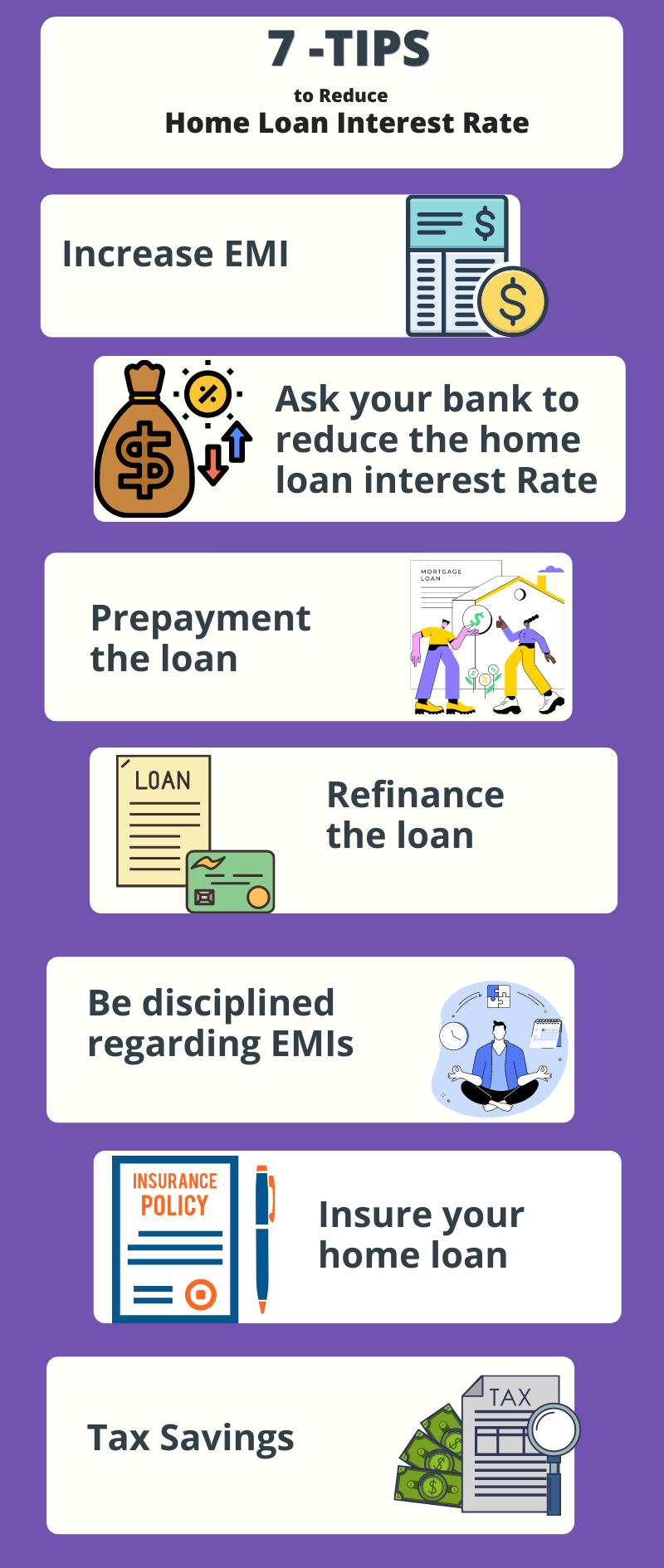
Seeking Professional Guidance
The mortgage landscape is complex. Consulting with an independent financial advisor, a reputable mortgage broker, or a housing counselor can provide invaluable insights tailored to your specific situation. These professionals can help you:
- Analyze your current mortgage and financial health.
- Navigate the various refinancing options.
- Compare different loan offers and their associated costs.
- Understand the long-term implications of each choice.
- Identify any government programs or incentives you might qualify for.
Their expertise can help you make an informed decision, ensuring you secure the most advantageous terms and effectively lower your home loan interest rate, ultimately enhancing your financial well-being.
aViewFromTheCave is a participant in the Amazon Services LLC Associates Program, an affiliate advertising program designed to provide a means for sites to earn advertising fees by advertising and linking to Amazon.com. Amazon, the Amazon logo, AmazonSupply, and the AmazonSupply logo are trademarks of Amazon.com, Inc. or its affiliates. As an Amazon Associate we earn affiliate commissions from qualifying purchases.