
Embarking on the journey of homeownership is a monumental financial decision, and for most, it involves securing a mortgage. One of the most critical questions prospective homeowners grapple with, beyond “how much can I afford?”, is “how long will I be paying for this home?” The duration of a home loan, known as its term, dictates not only your monthly payments but also the total interest you’ll pay over the life of the loan and how quickly you build equity in your property. It’s not a one-size-fits-all answer; instead, it’s a strategic choice influenced by personal financial health, long-term goals, and current market conditions. Understanding the various loan terms available, their implications, and the factors that should guide your decision is paramount to making an informed and financially sound investment in your future.
Understanding the Standard Home Loan Durations
When you apply for a home loan, you’ll quickly discover that lenders offer a range of terms, each with distinct advantages and disadvantages. The most common fixed-rate mortgage terms are 30 years and 15 years, but other options exist to cater to diverse financial situations.
The 30-Year Fixed-Rate Mortgage
The 30-year fixed-rate mortgage is undeniably the most popular choice among homebuyers, and for good reason. Its appeal lies primarily in its affordability and predictability. With a repayment period stretched over three decades, the monthly principal and interest payments are significantly lower compared to shorter-term loans for the same loan amount. This allows borrowers to manage their cash flow more comfortably, potentially enabling them to qualify for a larger loan or free up funds for other financial priorities like savings, investments, or managing other debts. The “fixed-rate” aspect means your interest rate will remain constant for the entire 30-year term, providing stability and protection against rising interest rates. This predictability is a huge comfort, especially in volatile economic environments, allowing homeowners to budget with certainty for a major portion of their expenses. However, the trade-off for these lower monthly payments and stability is that you will pay substantially more in total interest over the life of the loan. The amortization schedule of a 30-year mortgage is heavily front-loaded with interest, meaning a larger portion of your early payments goes towards interest rather than reducing the principal. Building equity can feel like a slow crawl in the initial years. This option is particularly suitable for first-time homebuyers, those with tight budgets, or individuals who prefer lower monthly financial commitments and are not primarily focused on quickly eliminating mortgage debt.
The 15-Year Fixed-Rate Mortgage
In stark contrast to its 30-year counterpart, the 15-year fixed-rate mortgage attracts borrowers who prioritize paying off their home faster and saving a significant amount on interest. While the interest rate on a 15-year mortgage is typically slightly lower than that of a 30-year mortgage, the most dramatic savings come from the reduced number of years over which interest accrues. Because you’re compressing 30 years’ worth of payments into 15, your monthly mortgage payment will be considerably higher. This requires a more robust monthly income and a willingness to commit a larger portion of your budget to housing. The accelerated payment schedule means that a greater percentage of each payment goes towards the principal balance from the outset, leading to much faster equity accumulation. This faster equity build-up can be beneficial if you plan to sell or refinance in the near future, or simply for the peace of mind of owning your home free and clear sooner. The higher monthly payment also makes qualifying for a 15-year loan more challenging, as lenders will scrutinize your debt-to-income ratio more closely. This loan term is ideal for homeowners with stable, higher incomes who can comfortably afford the increased monthly payments and want to achieve debt-free homeownership more quickly, thereby freeing up substantial funds for retirement or other long-term goals in their later working years.
Other Common Loan Terms (10, 20, 25 Years)
While 15-year and 30-year terms dominate the market, other fixed-rate options like 10-year, 20-year, and 25-year mortgages exist, offering intermediate solutions. A 20-year mortgage, for example, splits the difference between the 15-year and 30-year terms in terms of both monthly payments and total interest paid. Its payments will be higher than a 30-year but lower than a 15-year, and you’ll save more interest than with a 30-year but less than a 15-year. Similarly, a 10-year mortgage offers the fastest path to homeownership but comes with the highest monthly payments. These less common terms provide flexibility for borrowers whose financial situations or goals don’t perfectly align with the standard 15 or 30 years. They are tailored for those who want to pay off their home faster than 30 years but find the 15-year payments too restrictive, or conversely, those who can afford more than a 30-year payment but not quite a 15-year. Exploring these options with a lender can reveal a perfect fit for a niche financial strategy.
Factors Influencing Your Loan Term Decision
Choosing the right mortgage term is a highly personal decision that should align with your broader financial plan. Several key factors come into play, each weighing differently based on your individual circumstances.
Monthly Budget and Affordability
Perhaps the most immediate and impactful factor is your monthly budget. Your loan term directly determines the size of your principal and interest payment. A longer term, like 30 years, results in lower monthly payments, which can be crucial for maintaining a comfortable lifestyle, meeting other financial obligations, or simply qualifying for a mortgage in the first place. If your income is modest or you have other significant monthly expenses (e.g., student loans, childcare, car payments), a longer term might be the only feasible option. Conversely, if your income is substantial and stable, and you have few other debts, you might comfortably afford the higher payments of a shorter term, allowing you to pay off your home faster. It’s essential to conduct a realistic assessment of your current and projected cash flow to avoid becoming “house poor” – where a significant portion of your income is consumed by housing costs, leaving little for other necessities or emergencies.
Long-Term Financial Goals
Your future aspirations play a significant role in determining the ideal loan term. Are you aiming to be debt-free by retirement? A 15-year mortgage or even a 20-year mortgage could align perfectly with this goal, ensuring your home is paid off while you’re still in your peak earning years, freeing up retirement income. If you plan to use your home as a stepping stone to a larger property in a few years, a 30-year mortgage with lower payments might be preferable, allowing you to save more for a larger down payment on your next home. For those prioritizing aggressive investment strategies, a 30-year mortgage with its lower payments frees up more capital that can potentially be invested in higher-return assets, provided you’re comfortable with the associated investment risks. Your long-term vision for your personal wealth and lifestyle heavily influences whether prioritizing low monthly payments or rapid debt reduction is more beneficial.
Interest Rate Environment
The prevailing interest rate environment significantly impacts the total cost of a mortgage and can influence the attractiveness of different loan terms. When interest rates are low, the difference in total interest paid between a 15-year and 30-year mortgage might be less dramatic, making the lower payments of the 30-year more appealing without a crushing penalty. However, when rates are high, the total interest savings from a shorter term become much more pronounced, making the 15-year (or shorter) loan a more financially compelling option if you can manage the payments. Lenders typically offer slightly lower interest rates for shorter-term fixed mortgages because they are exposed to interest rate risk for a shorter period. This rate differential further sweetens the deal for shorter terms, amplifying the interest savings over time. Monitoring current interest rate trends and understanding their historical context can help you make a more strategic choice.
Economic Outlook and Job Security
Your perceived stability of income and the broader economic climate are critical considerations. In an uncertain economy or if your job security is not absolute, a 30-year mortgage with its lower, more manageable payments offers a greater degree of financial flexibility and a larger safety net. It reduces the risk of defaulting on your mortgage during periods of income reduction or job loss. Conversely, if you work in a stable industry with strong growth prospects and feel confident in your long-term earning potential, taking on the higher payments of a shorter-term loan might feel less risky. Your personal risk tolerance plays a big part here. The decision should reflect your comfort level with financial commitments in the face of potential economic fluctuations or personal career changes.
Down Payment Size and Loan Amount
The amount of money you put down on your home can also influence your optimal loan term. A larger down payment reduces the principal amount you need to borrow, which in turn lowers your monthly payments. With a substantial down payment, you might find that the higher monthly payments of a 15-year or 20-year mortgage are much more manageable, allowing you to reap the benefits of significant interest savings. Conversely, if you’re making a minimal down payment, a longer-term mortgage like 30 years might be necessary to keep your monthly payments within an affordable range, especially when considering private mortgage insurance (PMI) if your equity is below 20%. The loan-to-value (LTV) ratio is an important metric lenders use, and a smaller loan amount often opens up more flexible and potentially cheaper financing options.
Beyond the Fixed Term: Adjustable-Rate Mortgages (ARMs)
While fixed-rate mortgages offer predictability, another category of home loans, Adjustable-Rate Mortgages (ARMs), provide a different structure where the interest rate can change over time.
What is an ARM?
An ARM is a mortgage where the interest rate is fixed for an initial period and then adjusts periodically for the remainder of the loan term. Common ARM structures include 5/1 ARM, 7/1 ARM, and 10/1 ARM. The first number indicates the number of years the interest rate is fixed, while the second number (usually ‘1’) indicates how often the rate will adjust after the fixed period (e.g., annually). After the initial fixed-rate period, the interest rate will fluctuate based on an underlying index (like the Secured Overnight Financing Rate – SOFR) plus a margin set by the lender. These adjustments can lead to your monthly payments increasing or decreasing, depending on market conditions. ARMs typically come with caps (e.g., initial cap, periodic cap, and lifetime cap) that limit how much the interest rate can change during any adjustment period and over the life of the loan.
Pros and Cons of ARMs
The primary advantage of an ARM is the lower initial interest rate compared to a fixed-rate mortgage of similar term. This translates to lower monthly payments during the initial fixed period, which can make homeownership more accessible or free up cash for other uses. ARMs can be particularly attractive in a declining interest rate environment, as your rate might decrease after the fixed period. They are often a good choice for individuals who anticipate selling or refinancing their home before the fixed-rate period ends, effectively treating it like a short-term, low-interest loan.
However, the major downside of an ARM is the uncertainty. After the initial fixed period, your interest rate and, consequently, your monthly payments can increase significantly if market rates rise, potentially straining your budget. This variability makes long-term financial planning more challenging. Borrowers are exposed to interest rate risk, and without careful planning, could face payment shock. The caps offer some protection, but payments can still climb considerably.
Who Should Consider an ARM?
ARMs are generally best suited for specific borrower profiles. They are ideal for individuals who are confident they will move or refinance their home before the fixed-rate period expires, thus avoiding the potential for rate adjustments. This might include people with job transfers on the horizon, those planning to upgrade to a larger home, or those who expect a significant increase in income that would make higher payments manageable. ARMs can also be appealing to savvy investors who understand interest rate cycles and aim to capitalize on lower initial rates, or those who have a high-risk tolerance and are comfortable with potential payment fluctuations. They are generally not recommended for individuals seeking long-term stability in their housing payments or those with limited flexibility in their monthly budget.
Strategies to Shorten Your Loan Term (and Save Money)
Even if you initially choose a longer loan term for its affordability, there are proactive strategies you can employ to accelerate your repayment and significantly reduce the total interest paid, effectively shortening your loan’s life.
Making Extra Principal Payments
One of the most effective and accessible ways to shorten your loan term is by consistently making extra payments towards your principal balance. Even small, regular additional payments can have a dramatic impact over time due to the power of amortization. When you pay extra, that money goes directly towards reducing the principal, which in turn reduces the amount on which interest is calculated for future payments. For instance, committing to an extra $100 per month could shave years off a 30-year mortgage and save tens of thousands in interest. Another popular strategy is implementing a bi-weekly payment plan, where you make half of your monthly payment every two weeks. This results in 26 half-payments, or 13 full monthly payments, per year instead of 12, effectively adding one extra monthly payment each year directly to principal reduction. Always ensure your extra payments are explicitly directed towards principal, not just prepaying interest or future payments.
Refinancing to a Shorter Term or Lower Rate
Refinancing involves taking out a new mortgage to pay off your old one, often with a different term or interest rate. If interest rates have dropped significantly since you originated your loan, refinancing to a lower rate can save you money. More importantly for shortening your term, you can choose to refinance a 30-year mortgage into a 15-year or 20-year term. While this will increase your monthly payment, it dramatically cuts down the time you spend paying off the loan and substantially reduces the total interest cost. Before refinancing, it’s crucial to weigh the closing costs associated with the new loan against the potential savings. If you’ve already paid down a good portion of your original loan, refinancing to a shorter term can be highly beneficial, as it compresses the remaining principal into a more aggressive repayment schedule.
Applying Windfalls
Unexpected financial gains, often referred to as windfalls, present an excellent opportunity to accelerate your mortgage payoff. These can include work bonuses, tax refunds, inheritances, or proceeds from selling an asset. Instead of using these funds for discretionary spending, applying a lump sum directly to your mortgage principal can significantly reduce your outstanding balance. This single action can cut months or even years off your loan term and generate substantial interest savings. Even if a windfall isn’t enough to make a massive dent, any amount directed towards principal will yield long-term benefits.
The Impact of Interest vs. Principal
Understanding the amortization schedule of your mortgage is key to appreciating how extra payments work. In the early years of a long-term mortgage (like a 30-year), a vast majority of your monthly payment goes towards interest, with only a small fraction reducing the principal. As the loan matures, this ratio gradually shifts, with more going towards principal. When you make an extra principal payment, you are directly attacking the loan’s balance, effectively allowing future payments to cover less interest and more principal. This compounding effect means that early extra payments have a disproportionately powerful impact on shortening your loan term and reducing total interest paid. Even a consistent, modest additional payment can shave years off your mortgage.
The Hybrid Approach: Combining Flexibility with Savings
For many, the ideal solution isn’t strictly a 15-year or a 30-year loan, but rather a flexible strategy that combines the benefits of both. This hybrid approach allows homeowners to maintain financial adaptability while actively working towards faster debt elimination.
Starting with a Longer Term and Accelerating Later
A popular and highly effective hybrid strategy is to opt for a 30-year fixed-rate mortgage initially, enjoying its lower monthly payments and the financial flexibility it provides. However, instead of passively paying the minimum, you intentionally make extra principal payments as if you had a shorter-term loan, such as a 15-year. This approach gives you the best of both worlds: the option for lower payments when finances are tight, but the discipline to pay it off quicker when circumstances allow. If an unexpected expense arises or income temporarily dips, you have the flexibility to revert to the lower minimum payment without penalty. When times are good, you can accelerate your payments, effectively paying down a 30-year mortgage in 15 or 20 years, saving a substantial amount of interest while retaining a safety net. This strategy demands self-discipline but offers unparalleled control over your mortgage repayment journey.
Recasting Your Mortgage
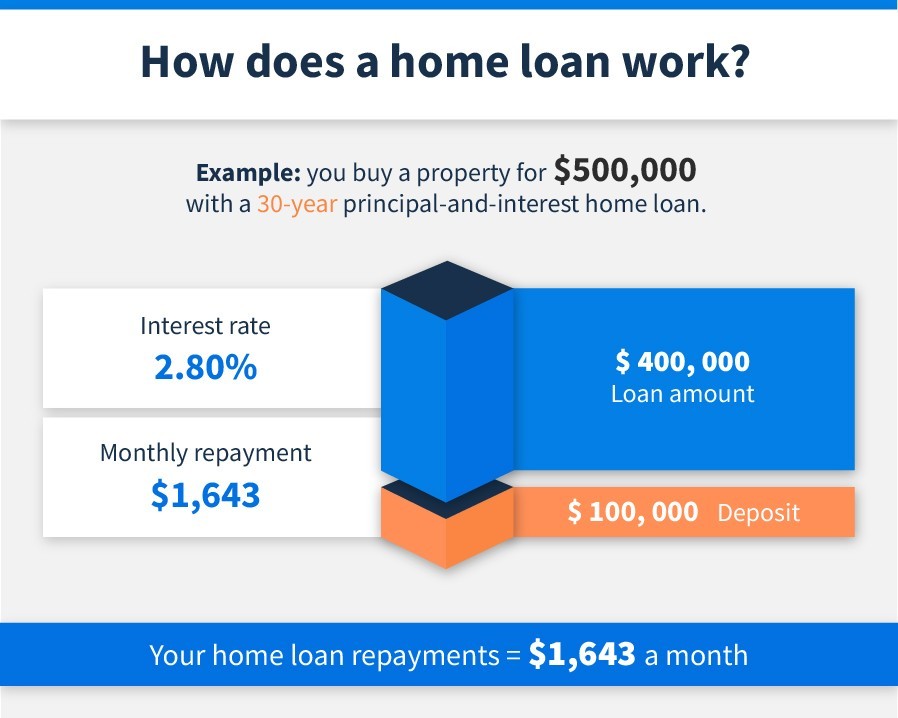
Mortgage recasting, sometimes called re-amortization, is a lesser-known but powerful tool for homeowners who have made a significant lump-sum payment towards their mortgage principal. Unlike a full refinance, recasting does not change your interest rate or loan term; it simply re-amortizes your existing loan based on the new, lower principal balance. This results in lower monthly payments for the remainder of your original loan term, without the fees and hassle of a complete refinance. For example, if you receive a large bonus or inheritance and apply it directly to your mortgage, you can then request a recast. This can significantly reduce your financial burden while keeping your original favorable interest rate and avoiding the lengthy application process and closing costs of a refinance. Not all lenders offer recasting, and there may be a small fee, but it’s an excellent option for maintaining flexibility after a substantial principal reduction without committing to a new loan term.
In conclusion, the question “how long are home loans?” doesn’t have a single answer but rather a spectrum of possibilities, each with unique implications for your financial future. Whether you opt for the widely popular 30-year fixed-rate mortgage for its affordability and stability, the efficient 15-year term for significant interest savings and faster equity build-up, or explore a more flexible ARM, your decision should be a thoughtful reflection of your current financial situation, long-term goals, and personal risk tolerance. Understanding the mechanics of each loan term, considering influencing factors like your budget and interest rates, and exploring strategies to optimize your repayment, such as making extra principal payments or utilizing a hybrid approach, empowers you to make a choice that truly serves your best interests. Ultimately, the best home loan term is the one that aligns most effectively with your individual circumstances, providing both comfort and progress towards your broader financial aspirations. Consulting with a qualified financial advisor or mortgage professional can provide invaluable personalized guidance to navigate this crucial decision.
aViewFromTheCave is a participant in the Amazon Services LLC Associates Program, an affiliate advertising program designed to provide a means for sites to earn advertising fees by advertising and linking to Amazon.com. Amazon, the Amazon logo, AmazonSupply, and the AmazonSupply logo are trademarks of Amazon.com, Inc. or its affiliates. As an Amazon Associate we earn affiliate commissions from qualifying purchases.