
The concept of a mortgage is fundamental to homeownership for millions across the globe. It represents a significant financial commitment, often spanning decades, and is arguably the largest debt most individuals will ever undertake. But when we talk about the “average mortgage,” what exactly does that mean in terms of its duration? Is it simply the initial term agreed upon, or does it reflect the actual time a homeowner holds and pays off their loan? This article delves into the nuances of mortgage length, exploring standard terms, the factors that influence how long a mortgage truly lasts, and the strategic considerations for borrowers navigating this crucial aspect of personal finance.

While the most commonly advertised mortgage terms are 30 years and 15 years, the reality of how long people stay in their homes and service their loans is often quite different from these initial agreements. Economic conditions, personal financial shifts, and life events all play a significant role in determining the true lifespan of a mortgage. Understanding these dynamics is key not just for aspiring homeowners but for anyone seeking to optimize their financial strategy and make informed decisions about one of their most substantial assets.
The Standard Mortgage Term and Its Evolution
When most people begin their journey into homeownership, they encounter a few standard mortgage terms that have become deeply embedded in the financial landscape. These terms represent the agreed-upon period over which the principal and interest of the loan are scheduled to be repaid.
The Dominance of the 30-Year Fixed Mortgage
The 30-year fixed-rate mortgage stands as the undisputed king in the world of home financing, particularly in countries like the United States. Its popularity stems from several compelling advantages. Primarily, it offers the lowest monthly payments among common fixed-rate options, making homeownership accessible to a wider range of buyers by reducing the immediate financial burden. This predictability is a significant draw; the interest rate remains constant for the entire duration of the loan, shielding borrowers from market fluctuations and providing stability in budgeting. For many first-time homebuyers or those stretching to afford their dream home, the 30-year term provides the necessary breathing room to manage their finances while building equity over time. Its widespread acceptance by lenders and government-backed programs further solidifies its position as the go-to option. Historically, this term emerged to allow for greater affordability as housing prices rose, extending the repayment period to keep monthly costs manageable, a trend that continues to this day.
The Appeal of Shorter Terms: 15-Year Mortgages
In contrast to its longer counterpart, the 15-year fixed-rate mortgage appeals to borrowers seeking to accelerate their path to debt-free homeownership. While it comes with significantly higher monthly payments due to the condensed repayment schedule, it offers substantial long-term savings. Lenders typically offer lower interest rates on 15-year mortgages compared to 30-year terms, and the shorter duration means less interest accrues over the life of the loan. This combination translates into tens, or even hundreds, of thousands of dollars saved in interest payments. For financially stable individuals or those who have built considerable equity in a previous home, the 15-year mortgage is an attractive option, allowing them to build equity faster and achieve financial independence sooner. It’s a strategic choice for those prioritizing long-term financial efficiency over immediate cash flow flexibility.
Adjustable-Rate Mortgages (ARMs) and Their Role
Beyond the fixed-rate options, adjustable-rate mortgages (ARMs) introduce a different dynamic. ARMs typically offer a lower initial interest rate for a set period (e.g., 5, 7, or 10 years), after which the interest rate adjusts periodically based on a predetermined index plus a margin. While ARMs can offer lower initial payments, providing a gateway to homeownership for some or allowing others to afford a more expensive home in the short term, they come with the inherent risk of payment increases if interest rates rise. They are often chosen by borrowers who anticipate selling or refinancing before the fixed-rate period ends, or by those comfortable with interest rate risk. However, for the purpose of understanding average mortgage duration, ARMs present a unique challenge, as their effective life can be shorter if borrowers refinance out of them to lock in a fixed rate or longer if they simply ride out the adjustments. Their role in the overall “average” is complex, often contributing to earlier refinancing trends rather than being held to their full potential term.
Factors Influencing Actual Mortgage Duration
While a mortgage might be issued with a 30-year or 15-year term, the reality is that very few mortgages are held for their entire scheduled duration. The “average mortgage length” in terms of how long a borrower actually services the debt before it’s retired or transferred is significantly shorter than the initial terms, often falling somewhere between 5 to 10 years in many markets. This discrepancy is due to a confluence of personal, financial, and market-driven factors.
Refinancing Decisions
One of the most common reasons a mortgage doesn’t last its full term is refinancing. Homeowners often choose to refinance for several strategic reasons. A significant drop in interest rates can prompt a refinance to secure a lower monthly payment or reduce the overall cost of the loan. Conversely, some might refinance to shorten their loan term (e.g., from a 30-year to a 15-year) to pay off their debt faster, even if current rates aren’t dramatically lower. Cash-out refinancing, where a borrower takes out a larger loan to access their home equity for other purposes like home improvements or debt consolidation, also replaces the old mortgage with a new one. Each refinance effectively resets the clock, creating a new loan with a new term, thus shortening the lifespan of the original mortgage. The frequency of refinancing can heavily skew the average actual duration.
Selling the Property
Another primary driver of shorter mortgage durations is the sale of the property. Life events such as job relocation, family expansion or contraction, divorce, or a desire for a different lifestyle (e.g., moving to a larger or smaller home, or a different city) frequently lead homeowners to sell their existing property. When a home is sold, the outstanding mortgage balance is typically paid off using the proceeds from the sale. This entirely terminates the existing mortgage, regardless of how much time was left on its original term. Given that the average American homeowner stays in their home for about 5 to 10 years, this factor significantly contributes to the actual, much shorter, average duration of a specific mortgage loan.
Prepayment Strategies and Extra Payments
While less common than selling or refinancing, some financially disciplined homeowners actively work to pay down their mortgage ahead of schedule. This can involve making extra principal payments whenever possible, adding a little extra to each monthly payment, making bi-weekly payments (which results in one extra full payment per year), or allocating bonuses and tax refunds toward the principal. These prepayment strategies directly reduce the outstanding balance and, consequently, the number of payments required to fully amortize the loan. For example, consistently making one extra principal payment per year on a 30-year mortgage can often shave several years off the loan term and save a substantial amount in interest. This proactive approach by borrowers contributes to a shorter actual lifespan for their mortgage.
Financial Hardship and Foreclosure
On the more unfortunate side of the spectrum, financial hardship can also end a mortgage prematurely through foreclosure. Events like job loss, serious illness, or other unexpected financial crises can make it impossible for homeowners to meet their mortgage obligations. If a borrower defaults on their payments and cannot find a resolution with their lender, the bank may initiate foreclosure proceedings, leading to the sale of the property to recover the outstanding debt. While representing a negative outcome, foreclosure also effectively terminates the mortgage for the original borrower, contributing to the overall statistics of actual mortgage durations.
Understanding Mortgage Amortization
Amortization is the process of paying off debt over time through regular, equal payments. For a mortgage, this schedule determines how much of each payment goes towards interest and how much goes towards the principal balance. Understanding this mechanism is crucial to comprehending the true cost and lifespan of a mortgage.
The Amortization Schedule Explained
An amortization schedule is a table detailing each payment made on a loan. It shows the date of the payment, the amount applied to interest, the amount applied to the principal, and the remaining loan balance after each payment. In the initial years of a mortgage, a disproportionately large portion of each payment is allocated to interest. As the loan matures, this ratio gradually shifts, with an increasing percentage of each subsequent payment going towards reducing the principal balance. This structure is not unique to mortgages; it’s a standard feature of most installment loans. However, given the large sums and long terms involved in mortgages, the front-loading of interest has a profound impact on how long it takes to build equity and how much total interest is paid.
The Front-Loading of Interest
The concept of front-loading interest is often surprising to new homeowners. In a 30-year mortgage, for example, the first few years of payments might see only a tiny fraction (sometimes less than 20-30%) applied to the principal, while the vast majority covers the interest accrued. This occurs because interest is calculated on the remaining principal balance. In the early stages, the principal balance is at its highest, leading to significant interest charges. As the principal slowly decreases, the interest charges also start to diminish, allowing more of each payment to go towards the principal. This means that if you sell your home or refinance relatively early in the loan’s term, a substantial portion of your payments would have gone towards interest, leaving less equity built up from principal reduction alone. This structure is a key reason why making even small extra principal payments in the early years can have such a dramatic impact on the overall interest paid and the loan’s duration.
Impact of Extra Payments on Amortization
Making additional payments specifically toward the principal can dramatically alter the amortization schedule and shorten the actual life of a mortgage. Because interest is calculated on the outstanding principal balance, any reduction in that balance directly lowers the future interest charges. When you make an extra principal payment, you’re not just reducing your debt; you’re also reducing the amount of interest that will accrue on that principal in subsequent months and years. This creates a powerful snowball effect: a lower principal balance leads to less interest, which means more of your regular payment then goes towards principal, further accelerating the process. Even a modest extra payment each month, or an annual lump sum, can shave years off a 30-year mortgage and save tens of thousands of dollars in interest. This strategy essentially allows borrowers to “re-amortize” their loan faster than the original schedule, demonstrating a direct way to control how long their mortgage truly lasts.
Strategic Considerations for Mortgage Length
Choosing the right mortgage term is a critical financial decision that impacts not just your monthly budget but your long-term wealth accumulation and financial freedom. There isn’t a one-size-fits-all answer; the ideal term depends on individual financial circumstances, risk tolerance, and life goals.
Shorter Term: Advantages and Disadvantages
A shorter mortgage term, such as a 15-year fixed-rate loan, offers significant advantages. The most compelling is the substantial savings in interest over the life of the loan. Due to the accelerated repayment schedule and often a lower interest rate offered by lenders, borrowers can save tens or even hundreds of thousands of dollars. This path also leads to faster equity accumulation, meaning you own a larger share of your home outright sooner. For those prioritizing financial independence, paying off a mortgage faster frees up a significant portion of their income for other investments, retirement savings, or discretionary spending.
However, the primary disadvantage is the higher monthly payment. This increased financial burden requires a stable and sufficient income, and it reduces financial flexibility. If unexpected expenses arise or income fluctuates, these higher payments can become a source of stress. Committing to a shorter term means less disposable income each month, which could otherwise be used for other investments that might yield a higher return than the interest saved on the mortgage (though this involves more risk). It’s a trade-off between guaranteed savings and financial agility.
Longer Term: Flexibility vs. Cost
The 30-year fixed-rate mortgage, the most popular choice, offers considerable flexibility. Its lower monthly payments make homeownership more accessible and leave more disposable income for other financial goals, emergencies, or investments. This flexibility can be particularly valuable for younger homeowners who anticipate income growth, for families managing childcare costs, or for those who prefer to keep their cash flow robust. The lower monthly commitment also acts as a buffer against unexpected financial downturns.
The main drawback, however, is the significantly higher total cost due to more interest paid over the longer term. Even with the same interest rate, a 30-year loan accrues far more interest than a 15-year loan. Furthermore, equity builds more slowly in the initial years, meaning it takes longer to truly own a substantial portion of your home. Borrowers must weigh the benefits of immediate cash flow against the long-term cost implications.
The Hybrid Approach: Longer Term with Accelerated Payments
For many, a hybrid approach offers the best of both worlds. Taking out a 30-year fixed-rate mortgage provides the financial flexibility of lower mandatory monthly payments. However, borrowers can then choose to make extra principal payments whenever their financial situation allows. This strategy offers several benefits:
- Flexibility: On months when finances are tight, you’re only obligated to make the lower 30-year payment.
- Potential for Savings: When you have extra cash, you can direct it towards the principal, effectively mirroring the amortization schedule of a shorter-term loan and saving substantial interest.
- Peace of Mind: You have the option to pay off the mortgage faster without being legally bound to higher monthly payments.
- Optimal Allocation: If you have investment opportunities that promise a higher return than your mortgage interest rate, you can prioritize those investments, making extra mortgage payments only when it makes strategic sense.
This approach provides a safety net while still allowing for aggressive debt reduction, making it a powerful strategy for those who want control over their mortgage duration and financial future. It demonstrates that the initial “term” is merely a default setting, and the actual duration can be strategically manipulated by the borrower.
The Future of Mortgage Durations and Market Trends
The landscape of mortgage durations is not static; it constantly evolves with economic conditions, technological advancements, and shifts in borrower behavior. Understanding these trends can offer insight into what the “average” might look like in the years to come.
Impact of Interest Rate Environments
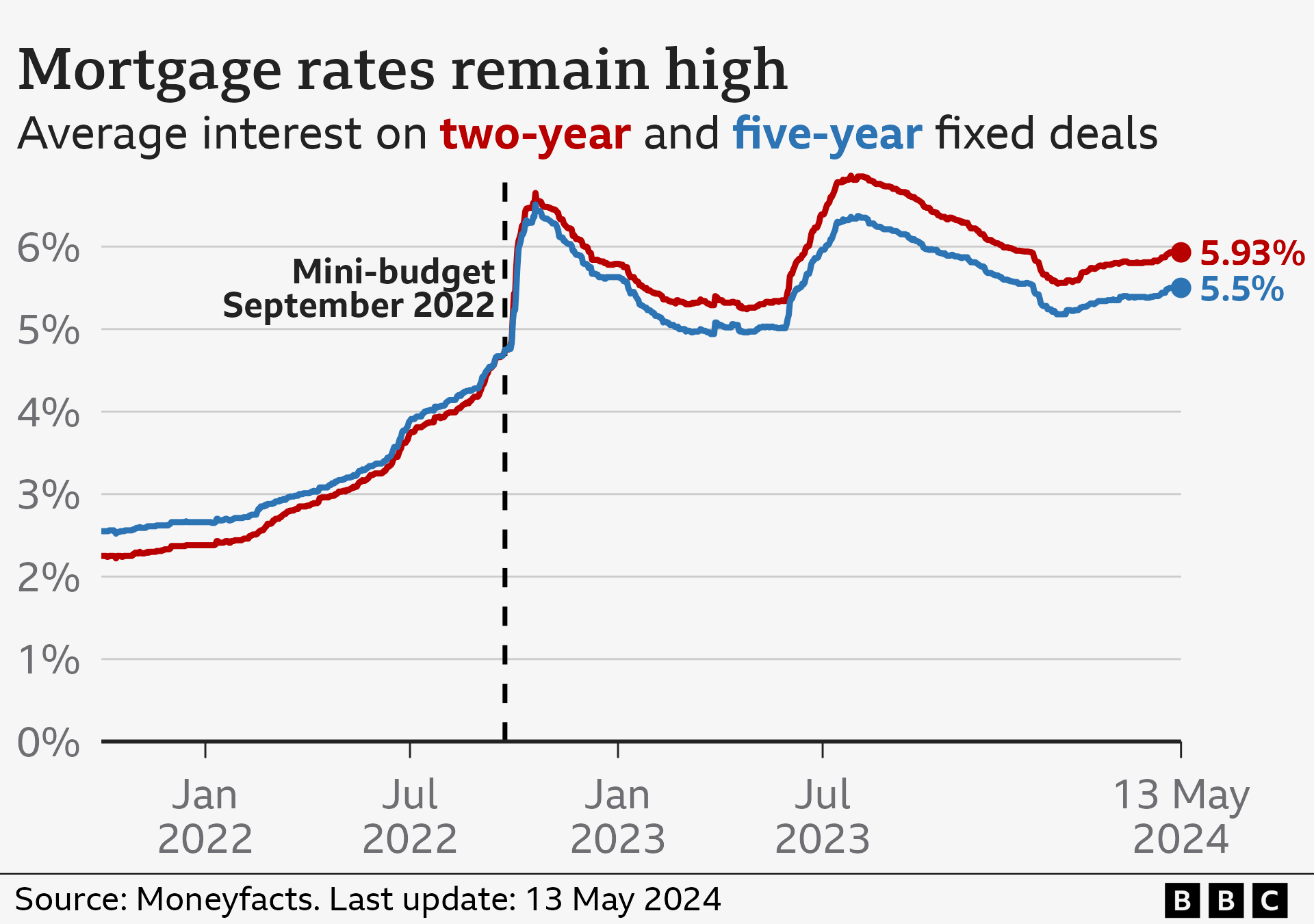
Interest rates are a primary driver of mortgage duration. In periods of declining interest rates, refinancing activity typically surges. Homeowners seize the opportunity to lock in lower rates, effectively replacing their old mortgages with new ones and shortening the life of the original loan. Conversely, in a rising interest rate environment, refinancing becomes less attractive, potentially leading more borrowers to hold onto their existing, lower-rate mortgages for longer periods. This can slightly extend the average duration of mortgages held to term. Central bank policies and global economic stability play a crucial role in shaping these rate environments, directly influencing how long a mortgage loan is likely to remain in its initial form.

Economic Influences on Homeownership
Broader economic factors also significantly influence mortgage durations. A robust job market and strong economic growth can lead to increased home sales and new construction, where individuals move more frequently due to job opportunities or lifestyle upgrades, naturally shortening the lifespan of individual mortgages as properties change hands. Conversely, during economic downturns, job insecurity and tighter credit conditions can lead to fewer home sales, less refinancing, and in unfortunate cases, more foreclosures, all of which impact the aggregate data on mortgage length. The affordability crisis in many regions, driven by high home prices relative to income, also influences choices. It might push more borrowers towards longer terms (e.g., 30-year or even 40-year terms in some markets) to achieve affordability, potentially extending the initial average term offered. However, the actual duration might still be cut short by the factors discussed earlier, especially if new financial tools or government programs emerge to address affordability.
In conclusion, while the 30-year mortgage might be the most common initial term, the actual duration a homeowner services a particular mortgage is often much shorter, typically ranging from 5 to 10 years. This phenomenon is driven by factors such as refinancing opportunities, selling the property due to life changes, and deliberate prepayment strategies. Understanding these dynamics, alongside the principles of amortization, empowers borrowers to make informed strategic decisions about their mortgage length, aligning it with their financial goals and ultimately contributing to their long-term financial well-being. The “average mortgage” isn’t a fixed period, but a dynamic reflection of individual choices and broader economic forces.
aViewFromTheCave is a participant in the Amazon Services LLC Associates Program, an affiliate advertising program designed to provide a means for sites to earn advertising fees by advertising and linking to Amazon.com. Amazon, the Amazon logo, AmazonSupply, and the AmazonSupply logo are trademarks of Amazon.com, Inc. or its affiliates. As an Amazon Associate we earn affiliate commissions from qualifying purchases.