
In the intricate world of personal finance, understanding interest rates is paramount. For many, taking out a loan is a significant financial decision, whether it’s for purchasing a home, funding an education, buying a car, or consolidating debt. The interest rate attached to that loan directly impacts the total cost over its lifetime, making it a critical factor in determining affordability and financial well-being. But what exactly constitutes a “good” interest rate? The answer, as with many financial matters, is rarely a simple number. It’s a dynamic concept influenced by a myriad of factors, including the type of loan, the borrower’s financial health, prevailing economic conditions, and the lender’s policies.
Navigating the landscape of loan offers requires a keen eye and an informed perspective. A rate that might be excellent for a mortgage could be exorbitant for an auto loan, and what one borrower secures with a stellar credit score, another with a less robust profile may only dream of. This article aims to demystify the concept of a “good” interest rate, breaking down the elements that define it and equipping you with the knowledge to identify and secure the most favorable terms for your specific borrowing needs.
Understanding Interest Rates: The Fundamentals
Before we can define what makes an interest rate “good,” it’s crucial to grasp the basic mechanics of interest and how it functions within the lending ecosystem.
What is an Interest Rate?
At its core, an interest rate is the cost of borrowing money, expressed as a percentage of the principal amount. Lenders charge interest as compensation for the risk they take by lending funds and for the opportunity cost of not being able to use that money elsewhere. The rate can be fixed, meaning it remains constant throughout the loan term, or variable, meaning it can fluctuate based on a benchmark index.
It’s also important to differentiate between the nominal interest rate and the Annual Percentage Rate (APR). The nominal interest rate is simply the cost of borrowing. The APR, however, provides a more comprehensive picture by including not only the interest rate but also other fees and charges associated with the loan, such as origination fees, closing costs, or discount points. For most consumers, the APR is the more accurate figure to compare when evaluating loan offers, as it represents the true annual cost of borrowing.
Key Factors Influencing Your Interest Rate
Several powerful forces converge to determine the interest rate you are offered. Understanding these can help you anticipate rates and strategize for better terms.
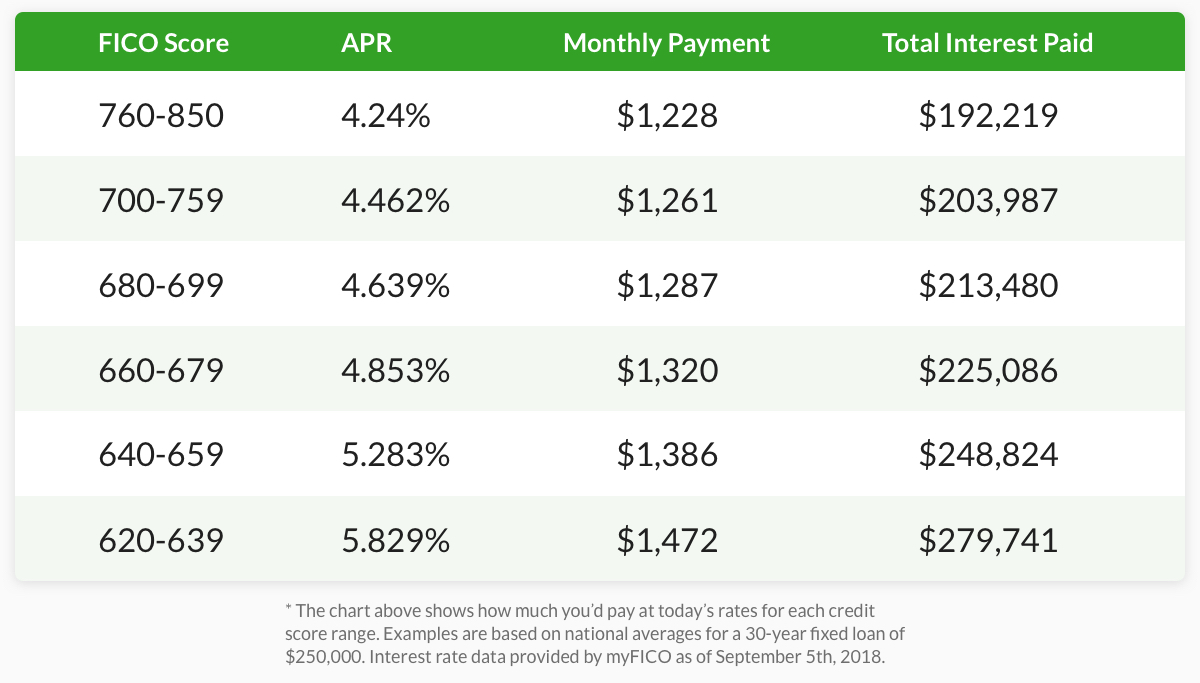
- Credit Score and History: This is arguably the most significant factor. A higher credit score (typically FICO scores above 740-760) signals lower risk to lenders, often translating into lower interest rates. A robust credit history demonstrates consistent, responsible borrowing and repayment.
- Debt-to-Income (DTI) Ratio: Your DTI ratio compares your total monthly debt payments to your gross monthly income. A lower DTI ratio (generally below 36-43%) indicates that you have ample income to manage additional debt, making you a more attractive borrower.
- Loan Term: The length of time you have to repay the loan also plays a role. Shorter loan terms often come with lower interest rates because the lender’s risk exposure is reduced over a shorter period. However, shorter terms usually mean higher monthly payments.
- Loan Type: Different types of loans inherently carry different risk profiles and, consequently, different typical interest rate ranges. A secured loan (like a mortgage or auto loan, backed by collateral) generally has lower rates than an unsecured loan (like a personal loan or credit card).
- Economic Conditions and Monetary Policy: Broader economic factors, such as inflation rates, the Federal Reserve’s federal funds rate, and overall market demand for credit, significantly influence interest rates. When the Fed raises its benchmark rate, lending rates across the board tend to follow suit.
Defining “Good” by Loan Type
The definition of a “good” interest rate is highly specific to the type of loan you are seeking. Comparing a mortgage rate to a personal loan rate is like comparing apples and oranges; each category has its own benchmarks.
Personal Loans
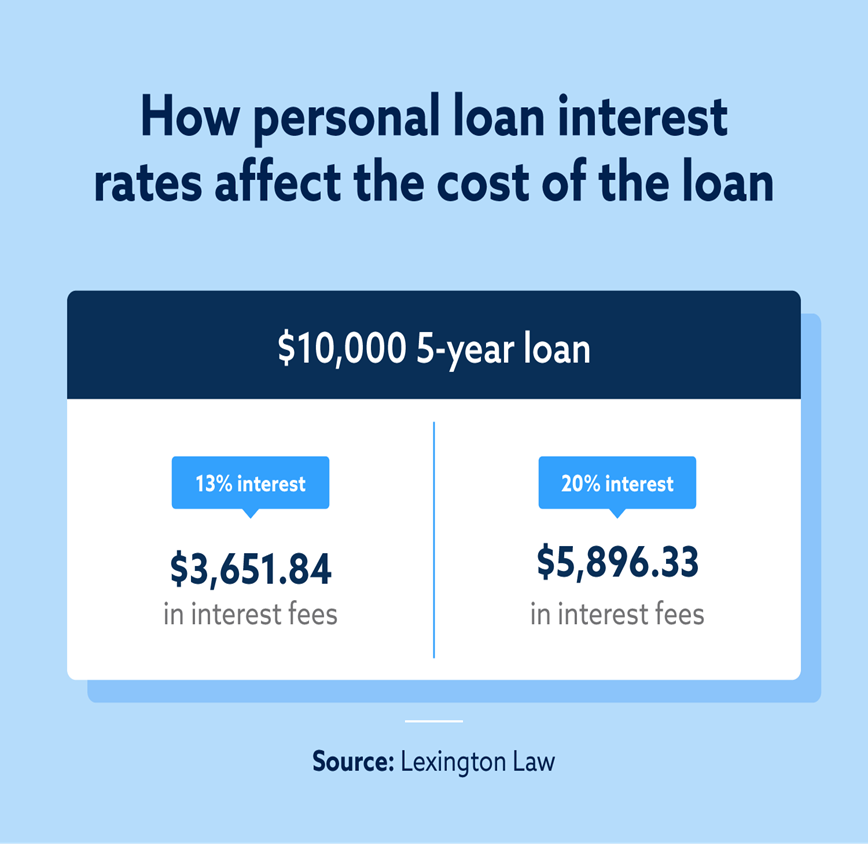
Personal loans are typically unsecured, meaning they aren’t backed by collateral. This higher risk profile for lenders translates to generally higher interest rates compared to secured loans. A “good” personal loan interest rate usually falls in the single digits, perhaps 6% to 12% APR, especially for borrowers with excellent credit. For those with fair or good credit, rates might range from 15% to 25%, and anything above 30% APR is generally considered poor, often indicative of predatory lending for those with very low credit scores.
Mortgages
Mortgages are often the largest loan most people will ever take out, and even a small difference in the interest rate can save or cost tens of thousands of dollars over the loan’s 15-to-30-year term. For a conventional 30-year fixed-rate mortgage, a “good” rate is often influenced by prevailing market conditions. In periods of low interest rates, anything below 4-5% might be considered excellent, while in higher rate environments, 6-7% could be seen as good. Fixed-rate mortgages offer stability, while Adjustable-Rate Mortgages (ARMs) start with lower rates but can fluctuate after an initial fixed period.
Auto Loans
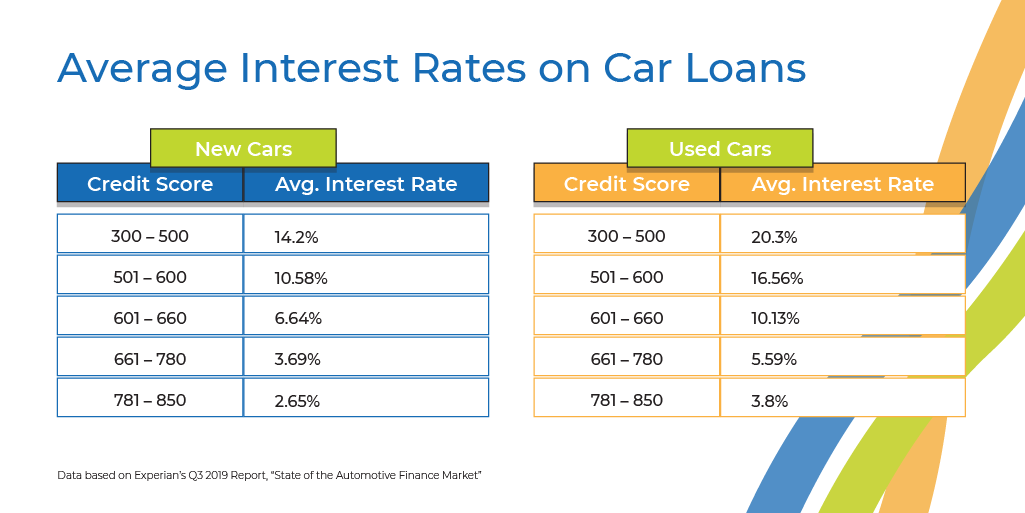
Auto loans are secured by the vehicle itself, leading to generally lower interest rates than personal loans. For new cars, borrowers with excellent credit might secure rates in the low single digits, perhaps 0% to 3% APR, especially with manufacturer incentives. For used cars, rates are typically a bit higher due to the vehicle’s depreciation and potentially higher risk, often ranging from 3% to 7% for good credit. Anything above 10% for an auto loan, particularly for a new vehicle, suggests a less favorable offer or a lower credit score.
Student Loans
Student loans come in two main varieties: federal and private. Federal student loans often have fixed interest rates set by Congress and generally don’t depend on the borrower’s credit score (though graduate and PLUS loans may have credit checks). These rates are typically lower than private loans and come with more flexible repayment options. A “good” federal student loan rate is simply the rate offered for that year, as it’s non-negotiable. Private student loans, however, are credit-based and can have much higher variable or fixed rates, ranging from 4% to 15% or more. For private loans, a rate closer to the lower end of this spectrum is considered good.
Credit Cards
Credit cards carry some of the highest interest rates among all loan types because they are unsecured and offer revolving credit. Average APRs often range from 15% to 25% for standard cards, and even higher for store cards or those designed for borrowers with limited credit. Given these high rates, a “good” interest rate on a credit card is often one that is avoided altogether by paying off balances in full each month. If carrying a balance is necessary, an APR below 15% is rare but exceptionally good, usually reserved for introductory 0% APR offers or premium rewards cards for top-tier credit profiles.
How Your Credit Score Shapes Your Rate
Your credit score is a three-digit summary of your financial reliability, and it profoundly impacts the interest rates you’ll be offered. Lenders use it to assess the likelihood of you repaying your loan, and a higher score equates to lower perceived risk.
The Importance of a Strong Credit Profile
A strong credit profile, typically represented by FICO scores in the “Very Good” (740-799) or “Exceptional” (800+) ranges, demonstrates a history of responsible borrowing and timely payments. This makes you a prime candidate for the lowest available interest rates across all loan types. Conversely, a poor credit score indicates a higher risk of default, prompting lenders to charge higher interest rates to compensate for that increased risk, or even deny the loan altogether.
Beyond the numerical score, lenders also review your full credit report, looking at factors like your payment history, credit utilization (how much credit you’re using versus how much you have available), length of credit history, types of credit accounts, and new credit inquiries. A consistent pattern of on-time payments, low credit utilization, and a diverse, long-standing credit history will always put you in a better position to secure favorable rates.
Strategies to Improve Your Credit Score
If your credit score isn’t where you want it to be, taking proactive steps to improve it can significantly impact the interest rates you’ll qualify for in the future.
- Pay Bills On Time, Every Time: Payment history is the single most important factor in your credit score. Set up automatic payments or reminders to ensure you never miss a due date.
- Reduce Credit Utilization: Aim to keep your credit card balances below 30% of your credit limit (e.g., if you have a $1,000 limit, keep your balance under $300). Lower utilization is better, ideally below 10%.
- Review Your Credit Report Regularly: Obtain a free copy of your credit report from AnnualCreditReport.com at least once a year. Dispute any errors or inaccuracies, as these can negatively affect your score.
- Avoid Opening Too Many New Accounts: While some new credit can be beneficial, opening multiple accounts in a short period can signal risk and temporarily lower your score.
- Maintain a Mix of Credit: Having a healthy mix of revolving credit (credit cards) and installment credit (mortgages, auto loans) can positively influence your score over time.
Beyond the Rate: Other Loan Considerations
While the interest rate is undeniably crucial, focusing solely on it can be a mistake. A truly “good” loan package encompasses more than just the percentage rate.
Fees and Charges
Many loans come with additional fees that can significantly increase the overall cost, even if the interest rate seems low. These might include:
- Origination Fees: A charge for processing the loan, often a percentage of the loan amount.
- Application Fees: A fee for applying, sometimes non-refundable.
- Underwriting Fees: Costs associated with evaluating your loan application.
- Prepayment Penalties: Fees charged if you pay off your loan early, designed to compensate the lender for lost interest.
- Late Payment Fees: Penalties for missing a payment deadline.
Always ask for a detailed breakdown of all fees and factor them into your comparison. A loan with a slightly higher interest rate but no fees might be cheaper than a loan with a lower rate and substantial upfront costs.
Loan Terms and Repayment Schedules
The length of your loan and its repayment structure directly influence your monthly payments and the total amount of interest paid over the life of the loan.
- Shorter Terms: Often come with lower interest rates and result in less total interest paid, but the monthly payments will be higher.
- Longer Terms: Lead to lower monthly payments, making the loan more affordable on a month-to-month basis, but typically incur higher total interest over time and may have slightly higher rates.
Consider your budget and financial goals. Can you comfortably afford higher monthly payments to save on total interest, or do you need the flexibility of lower payments?
Lender Reputation and Customer Service
Choosing a reputable lender is just as important as securing a good rate. Read reviews, check their standing with consumer protection agencies, and inquire about their customer service. A lender with a transparent process, responsive support, and a good track record can make the borrowing experience smoother and more reliable, especially if you encounter issues during the repayment period.
Strategies for Securing the Best Loan Rate
Finding a good interest rate isn’t always about waiting for perfect economic conditions; it’s often about proactive effort and strategic financial management.
Shop Around and Compare Offers
Never take the first offer you receive. Apply with multiple lenders – banks, credit unions, online lenders – and get pre-approvals or rate quotes. Most lenders allow you to do this with a “soft inquiry,” which doesn’t affect your credit score. Compare not just the interest rate, but the APR, fees, and overall loan terms. This competitive shopping can reveal significant differences and empower you to choose the most advantageous option.
Improve Your Financial Health Before Applying
If you have the luxury of time, dedicate a few months to bolstering your financial standing. Pay down existing debts, especially high-interest credit card balances, to lower your DTI ratio. Make sure all your bills are paid on time to improve your credit score. Even a small increase in your credit score can translate into a better interest rate offer, saving you money in the long run.
Consider a Co-signer (If Necessary and Appropriate)
If your credit score is fair or poor, or you have a limited credit history, a co-signer with excellent credit can help you qualify for a better interest rate. A co-signer essentially guarantees the loan, mitigating the lender’s risk. However, this is a serious commitment for the co-signer, as they become equally responsible for the debt, and any missed payments will negatively affect their credit.
Negotiate with Lenders
Once you have multiple offers, don’t be afraid to use them as leverage. If one lender offers you a slightly better rate or lower fees than your preferred institution, see if they are willing to match or beat the competitor’s offer. Lenders are often willing to negotiate, especially for desirable borrowers, to secure your business.
Conclusion
Defining a “good” interest rate is a nuanced exercise that transcends a single number. It is a confluence of your individual financial circumstances, the specific type of loan you seek, and the broader economic environment. A truly advantageous loan package combines a competitive interest rate (as indicated by the APR), reasonable fees, favorable terms, and a reputable lender.
By understanding the factors that influence interest rates, diligently working to improve your credit health, and meticulously comparing offers from various lenders, you position yourself to make informed decisions that can save you significant money over the life of your loan. Remember, knowledge is power in personal finance. Empower yourself to secure not just any loan, but the right loan with the best possible terms for your financial future.
aViewFromTheCave is a participant in the Amazon Services LLC Associates Program, an affiliate advertising program designed to provide a means for sites to earn advertising fees by advertising and linking to Amazon.com. Amazon, the Amazon logo, AmazonSupply, and the AmazonSupply logo are trademarks of Amazon.com, Inc. or its affiliates. As an Amazon Associate we earn affiliate commissions from qualifying purchases.