
Navigating the world of mortgages can feel like deciphering a complex financial puzzle, especially when trying to pinpoint the “current” rate for a specific product like a 15-year mortgage. Unlike the static price of a consumer good, mortgage rates are dynamic, fluctuating daily, sometimes even hourly, in response to a myriad of economic forces. For homebuyers and homeowners considering refinancing, understanding not just the rate itself, but also the factors influencing it and the unique advantages of a shorter loan term, is paramount.
A 15-year fixed-rate mortgage offers a compelling proposition: the promise of significant interest savings and accelerated homeownership compared to its 30-year counterpart. This article will delve into the intricacies of current 15-year mortgage rates, exploring the economic landscape that shapes them, outlining how these rates are determined, and providing practical guidance on how to find the best possible rate for your financial situation. We will also weigh the pros and cons, helping you assess whether this aggressive repayment strategy aligns with your long-term financial goals.
Understanding Today’s 15-Year Mortgage Landscape
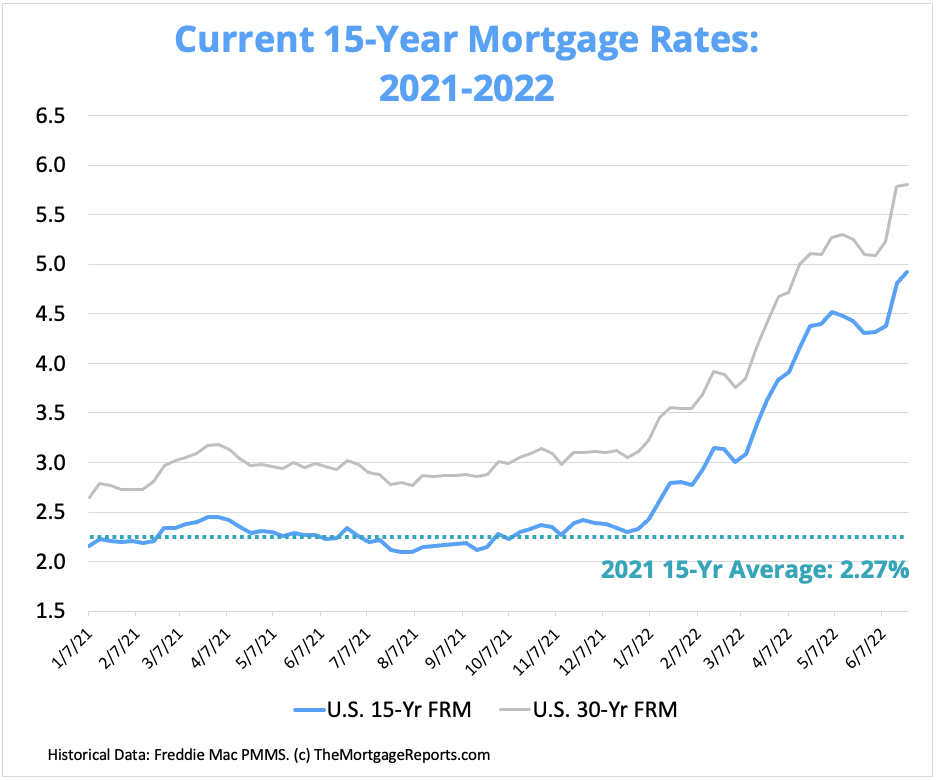
To truly grasp “what is the current 15-year mortgage rate,” one must first acknowledge its fluid nature. There isn’t a single, universally static rate at any given moment; rather, there’s a range of rates offered by various lenders, influenced by both broad economic indicators and specific borrower characteristics.
The Snapshot: Current Rate Environment
As of any given day, average 15-year fixed mortgage rates typically hover within a certain range, which can be found by checking financial news outlets, mortgage industry websites, and individual lender rate tables. These averages provide a benchmark, but your specific rate will depend on numerous factors. It’s crucial to understand that rates quoted publicly are often for highly qualified borrowers (e.g., excellent credit scores, significant down payments).
Furthermore, when comparing rates, always look beyond the initial interest rate to the Annual Percentage Rate (APR). The APR reflects the total cost of the loan, including interest and certain fees like origination charges, points, and other lender costs, spread out over the loan term. This provides a more accurate picture of the true cost of borrowing. Rates can fluctuate significantly based on economic news releases, central bank announcements, and even geopolitical events, making real-time monitoring essential for serious applicants.
Key Factors Influencing Rates
Several powerful forces conspire to determine the direction and magnitude of mortgage rates. Understanding these can help you anticipate market movements and time your application strategically.
- Federal Reserve Policy and the Federal Funds Rate: While the Fed doesn’t directly set mortgage rates, its monetary policy decisions significantly impact them. When the Federal Reserve raises or lowers the federal funds rate, it influences short-term interest rates throughout the economy, which in turn can push long-term rates like mortgages up or down.
- Inflation: High inflation erodes the purchasing power of money over time. Lenders, to protect their returns, typically demand higher interest rates during inflationary periods to compensate for the diminished value of future repayments. Conversely, low inflation can allow rates to remain lower.
- Economic Growth and Employment: A strong economy with robust job growth can lead to higher inflation expectations and increased demand for credit, often pushing rates higher. Conversely, economic slowdowns or recessions can lead to lower rates as investors seek safe havens and demand for loans decreases.
- The Bond Market (Specifically 10-Year Treasury Yields): Mortgage rates are closely tied to the yield on the 10-year U.S. Treasury note. When bond yields rise, mortgage rates tend to follow suit, and vice versa. This is because mortgage-backed securities (MBS) compete with Treasury bonds for investor dollars, and their yields need to be competitive.
- Lender-Specific Factors: Beyond these macroeconomic influences, individual lenders have their own cost structures, risk assessments, and profit margins, which contribute to variations in rates offered to consumers.
Where to Find Reliable Rate Information
Given the variability, reliable, up-to-the-minute information is invaluable.
- Online Mortgage Marketplaces: Websites like Bankrate, Zillow Mortgages, and LendingTree aggregate rate quotes from multiple lenders, allowing for quick comparison.
- Individual Lender Websites: Major banks, credit unions, and independent mortgage companies often publish their daily rates online.
- Mortgage Brokers: A good broker can access rates from a wide network of lenders and help you navigate the process, often finding competitive deals you might miss on your own.
- Financial News Outlets: Reputable financial news sources (e.g., Wall Street Journal, Bloomberg, CNBC) frequently report on average mortgage rates and market trends.
The Allure of a 15-Year Mortgage
While 30-year fixed-rate mortgages are the most common, the 15-year term holds a distinct appeal for a specific type of borrower due to its inherent financial advantages.
Faster Equity Build-Up and Lower Interest Costs
The most compelling benefit of a 15-year mortgage is the substantial savings in interest over the life of the loan. Because the loan term is halved, you pay off the principal much faster, and the total amount of interest accrued is significantly less. Lenders also typically offer lower interest rates on 15-year mortgages compared to 30-year terms, reflecting the reduced risk for them.
- Illustrative Example (Hypothetical): On a $300,000 loan, a 15-year mortgage at 6.0% might result in total interest paid around $150,000, while a 30-year mortgage at 6.5% could easily exceed $350,000 in interest. This is a simplified example, but it powerfully demonstrates the potential for massive savings.
- Accelerated Equity: With more of your monthly payment going towards principal, your equity in the home builds much more quickly. This means you own a larger portion of your home outright in a shorter timeframe, increasing your personal wealth and financial security.
Predictable Payments and Financial Freedom Sooner
A 15-year fixed-rate mortgage offers unparalleled stability. Your monthly principal and interest payments remain constant for the entire duration of the loan, providing budget predictability. This certainty protects you from potential rate hikes in the future, unlike adjustable-rate mortgages.
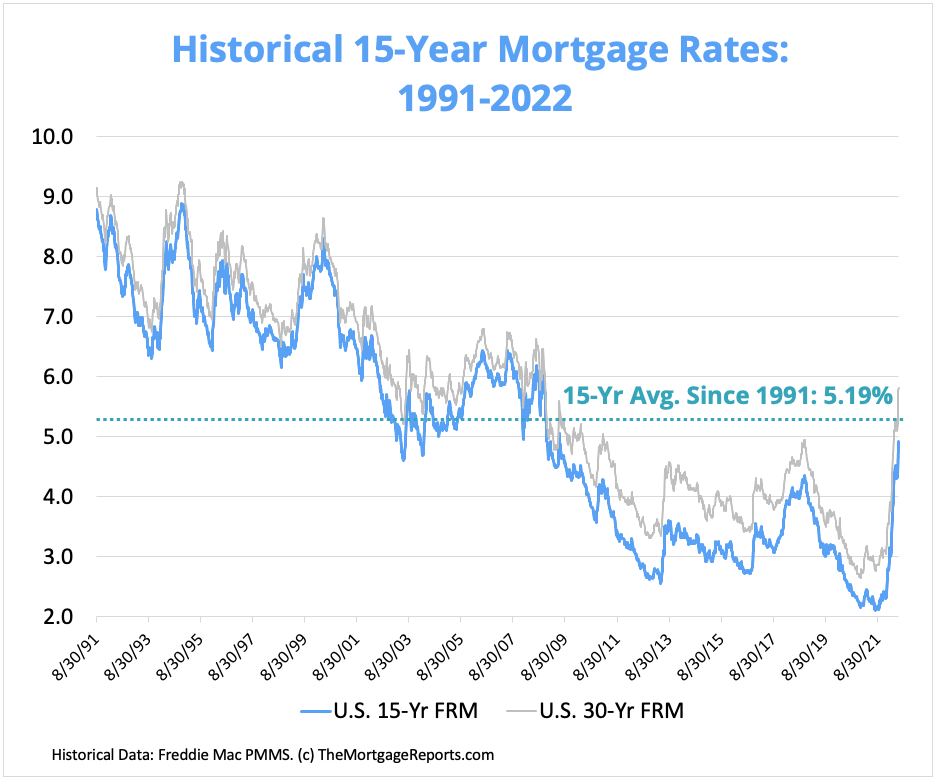
- Reduced Interest Rate Risk: Once you lock in a 15-year fixed rate, you’re insulated from future market volatility. Even if rates skyrocket, your payment remains unchanged.
- Earlier Payoff and Peace of Mind: Imagine being mortgage-free in 15 years instead of 30. This significantly reduces your overall debt burden, frees up a large portion of your monthly budget for other investments, retirement savings, or discretionary spending, and provides immense psychological relief.
Ideal Candidates for a 15-Year Term
While attractive, a 15-year mortgage isn’t for everyone. It generally suits borrowers who:
- Have Stable, Higher Incomes: The monthly payments for a 15-year mortgage are significantly higher than for a 30-year loan of the same principal amount. A robust and reliable income stream is essential to comfortably absorb these larger payments without straining your budget.
- Possess a Strong Financial Foundation: This includes having a healthy emergency fund (at least 3-6 months of living expenses) and minimal other high-interest debt.
- Prioritize Debt Elimination: For individuals who value being debt-free and view a mortgage as a liability they want to shed as quickly as possible, the 15-year term is an ideal fit.
- Are Nearing Retirement: Paying off a mortgage before or early in retirement can significantly reduce financial stress and allow retirement savings to last longer.
Navigating the Application Process and Securing the Best Rate
Once you’ve determined that a 15-year mortgage aligns with your financial strategy, the next step is to prepare for the application process to ensure you secure the most favorable rate possible.
What Lenders Look For: Credit Score, DTI, Down Payment
Lenders assess your creditworthiness and ability to repay the loan by scrutinizing several key financial metrics.
- Credit Score: Your FICO score (or similar credit scoring model) is a crucial determinant of the interest rate you’ll be offered. A higher score (generally 740+) indicates a lower risk to lenders and typically qualifies you for the best rates. Lower scores will result in higher rates or even denial.
- Debt-to-Income (DTI) Ratio: This ratio compares your total monthly debt payments (including the proposed mortgage) to your gross monthly income. Lenders typically prefer a DTI ratio of 43% or less, though some programs may allow higher. A lower DTI signifies that you can comfortably manage your monthly obligations.
- Down Payment: A larger down payment (e.g., 20% or more) reduces the loan-to-value (LTV) ratio, signaling lower risk to the lender. It can also help you avoid private mortgage insurance (PMI), further reducing your monthly costs. Even on a 15-year mortgage, a substantial down payment can sometimes help secure a slightly better rate.
The Power of Comparison Shopping
This cannot be stressed enough: do not settle for the first quote you receive. Mortgage rates can vary significantly between lenders on the same day for the same borrower profile.
- Get Multiple Quotes: Contact at least 3-5 different lenders – including large banks, credit unions, and independent mortgage brokers. Each will have slightly different pricing models and overhead costs, leading to varying rates and fees.
- Compare Apples to Apples: When comparing quotes, ensure you’re looking at the same loan type (15-year fixed), interest rate, and, most importantly, the APR. Also, scrutinize all fees, known as closing costs, which can add thousands to the total cost of your loan. A slightly lower interest rate might be offset by significantly higher fees.
- Negotiate: Don’t be afraid to use a competitive offer from one lender to negotiate a better deal with another. Lenders are often willing to match or beat a competitor’s rate to earn your business.
Rate Locks and When to Use Them
Once you find a desirable rate, consider “locking it in.” A rate lock guarantees that the interest rate offered to you will remain the same for a specified period (e.g., 30, 45, or 60 days) while your loan application is being processed.
- Benefits: A rate lock protects you from rising rates between the time you apply and when you close on the loan. This can provide significant peace of mind in a volatile market.
- Considerations: If rates drop significantly after you’ve locked, you might be stuck with a higher rate, though some lenders offer a “float-down” option (for a fee) that allows you to take advantage of lower rates. Be mindful of the lock period; if your closing gets delayed beyond it, you might have to pay to extend the lock or accept the current market rate.
Is a 15-Year Mortgage Right for You? Weighing the Pros and Cons
Deciding on a mortgage term is a deeply personal financial choice, and while the 15-year mortgage offers compelling advantages, it also comes with trade-offs.
Pros: Financial Savings and Security
Recapping the core benefits:
- Massive Interest Savings: As illustrated, the total interest paid over the life of a 15-year loan is substantially less, freeing up significant capital for other purposes.
- Rapid Equity Growth: You build home equity at an accelerated pace, strengthening your personal balance sheet and providing a valuable asset much sooner.
- Earlier Financial Freedom: Becoming mortgage-free in 15 years can eliminate a major monthly expense, providing peace of mind and greater financial flexibility for retirement or other life goals.
- Lower Overall Interest Rate: 15-year mortgages typically carry a lower interest rate than 30-year mortgages, making each dollar borrowed cheaper.
Cons: Higher Monthly Payments and Less Flexibility
The primary drawback of a 15-year mortgage is its impact on your immediate cash flow.
- Significantly Higher Monthly Payments: To pay off the principal in half the time, your monthly payments will be considerably larger. This requires a robust and stable income.
- Reduced Financial Flexibility: These higher payments leave less disposable income each month, which could limit your ability to save for other goals, invest in the market, or absorb unexpected expenses without dipping into savings. If you encounter a financial setback, these larger payments could become a burden.
- Opportunity Cost: The extra money you put into higher mortgage payments each month could potentially be invested elsewhere (e.g., stock market, retirement accounts) where it might generate a higher return than the interest rate you’re saving on your mortgage. This is a nuanced calculation that depends on market performance and your risk tolerance.
Alternatives and Hybrid Strategies
If a strict 15-year term feels too restrictive, consider these options:
- 30-Year Mortgage with Accelerated Payments: You could take out a 30-year fixed-rate mortgage (which has lower required monthly payments) but then choose to pay extra principal each month, effectively paying it off in 15-20 years. This gives you the flexibility to revert to the lower required payment if financial circumstances change.
- Adjustable-Rate Mortgages (ARMs): While riskier, an ARM might offer a lower initial interest rate than a fixed-rate mortgage for the first few years. This could be an option if you plan to sell or refinance before the adjustable period begins, but it carries the risk of significant payment increases if rates rise.
- Bi-Weekly Payments: On any loan term, paying half your monthly mortgage payment every two weeks results in 13 full payments per year (instead of 12), shaving years off your loan term and saving interest.
In conclusion, “what is the current 15-year mortgage rate” is a question with a dynamic answer, influenced by global economics and personalized by your financial profile. While the exact numerical rate will fluctuate, the financial principles underpinning a 15-year mortgage remain constant: significant savings and accelerated homeownership in exchange for higher monthly payments. By diligently researching rates, understanding the economic factors at play, and carefully assessing your own financial situation, you can make an informed decision that aligns with your ultimate money goals. Always consult with a qualified financial advisor and mortgage professional to determine the best path for your unique circumstances.
aViewFromTheCave is a participant in the Amazon Services LLC Associates Program, an affiliate advertising program designed to provide a means for sites to earn advertising fees by advertising and linking to Amazon.com. Amazon, the Amazon logo, AmazonSupply, and the AmazonSupply logo are trademarks of Amazon.com, Inc. or its affiliates. As an Amazon Associate we earn affiliate commissions from qualifying purchases.