
Understanding Mortgage Interest Rates
Interest rates on homes, primarily referring to mortgage rates, are a critical component of homeownership, directly impacting the affordability and long-term cost of a property. A mortgage is essentially a loan used to purchase or maintain a home, land, or other types of real estate. The borrower agrees to pay back the loan over a set period, typically 15 or 30 years, and the interest rate determines the additional cost charged by the lender for the use of that money. These rates are not static; they fluctuate daily, influenced by a complex interplay of global and domestic economic forces, monetary policy, and the individual borrower’s financial health.
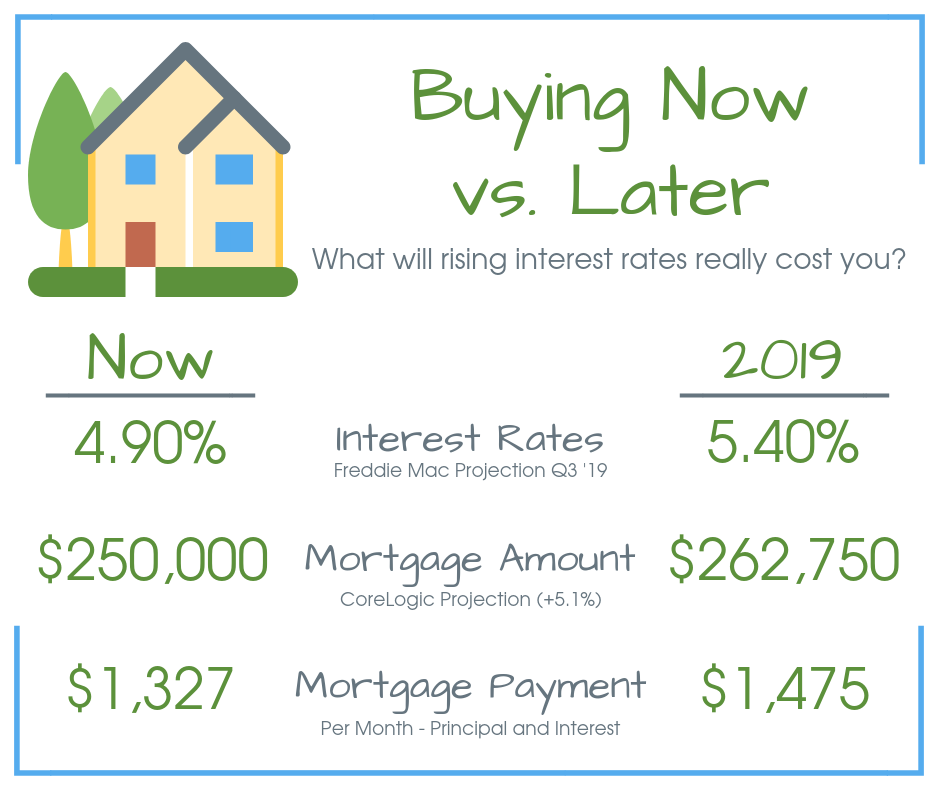
For most prospective homeowners, the interest rate is the single most significant factor outside of the home’s purchase price that dictates the monthly mortgage payment. A difference of even a quarter or half a percentage point can translate into thousands of dollars saved or spent over the lifetime of a loan. This makes understanding how these rates are set and what influences them paramount for anyone looking to enter the housing market or refinance an existing loan. Mortgage rates are expressed as an annual percentage, representing the cost of borrowing and the return to the lender. They are a reflection of risk – both the risk of lending in the current economic climate and the risk associated with the individual borrower.
Key Factors Influencing Home Loan Rates
The dynamics behind mortgage interest rates are multifaceted, involving a range of macroeconomic indicators, central bank policies, and specific lender criteria.
The Federal Reserve’s Role
While the Federal Reserve does not directly set mortgage rates, its actions have a profound indirect impact. The Fed primarily influences the federal funds rate, which is the rate at which banks lend to each other overnight. Changes to the federal funds rate ripple through the economy, affecting other short-term interest rates and, indirectly, long-term rates like those for mortgages. When the Fed raises rates to combat inflation, borrowing costs generally increase across the board, including for mortgages. Conversely, when the Fed lowers rates to stimulate economic growth, mortgage rates tend to follow suit. Market expectations about future Fed actions also play a significant role, often leading to rate movements even before official announcements.
Economic Indicators
Several economic indicators directly influence the bond market, which in turn dictates mortgage rates. Mortgage rates typically track the yield on the 10-year Treasury bond. When the economy is strong, with low unemployment and rising inflation, bond yields tend to rise as investors demand a higher return, pushing mortgage rates higher. Conversely, during economic downturns or periods of uncertainty, investors flock to safer assets like Treasury bonds, driving yields down and often lowering mortgage rates. Key economic reports include:
- Inflation: Higher inflation erodes the purchasing power of money, so lenders demand higher interest rates to compensate for the anticipated loss in value.
- Employment Data: Strong job growth typically signals a robust economy, which can push rates up.
- GDP Growth: A growing economy generally leads to higher interest rates as demand for credit increases.
- Housing Market Data: Housing starts, existing home sales, and median home prices can also indirectly influence lender sentiment and, consequently, rates.
Lender-Specific Factors
Beyond the broader economic picture, individual lenders also factor in their own costs, profit margins, and risk assessments.
- Operating Costs: The cost for a bank to originate and service a loan impacts the rate they offer.
- Competition: A competitive lending market can drive rates down as institutions vie for borrowers.
- Loan Product: Different mortgage products (e.g., conventional, FHA, VA, jumbo loans) carry varying levels of risk for lenders, which are reflected in their rates.
Your Financial Profile
Perhaps one of the most direct influences on the rate you personally receive is your own financial standing. Lenders assess your risk as a borrower.
- Credit Score: A higher credit score (e.g., FICO score above 740) indicates a lower risk of default, often qualifying you for the lowest available rates. Lower scores will result in higher rates to compensate the lender for increased risk.
- Debt-to-Income (DTI) Ratio: This ratio compares your total monthly debt payments to your gross monthly income. A lower DTI (typically below 36%) signals that you can comfortably manage your new mortgage payments, leading to better rates.
- Down Payment: A larger down payment reduces the loan-to-value (LTV) ratio, meaning the lender is taking on less risk. This can often result in a more favorable interest rate.
- Loan-to-Value (LTV) Ratio: This is the ratio of the loan amount to the appraised value of the property. A lower LTV (higher down payment) generally translates to lower interest rates.
Types of Mortgage Rates: Fixed vs. Adjustable
When securing a home loan, borrowers typically choose between two primary types of interest rates, each with distinct advantages and disadvantages.
Fixed-Rate Mortgages
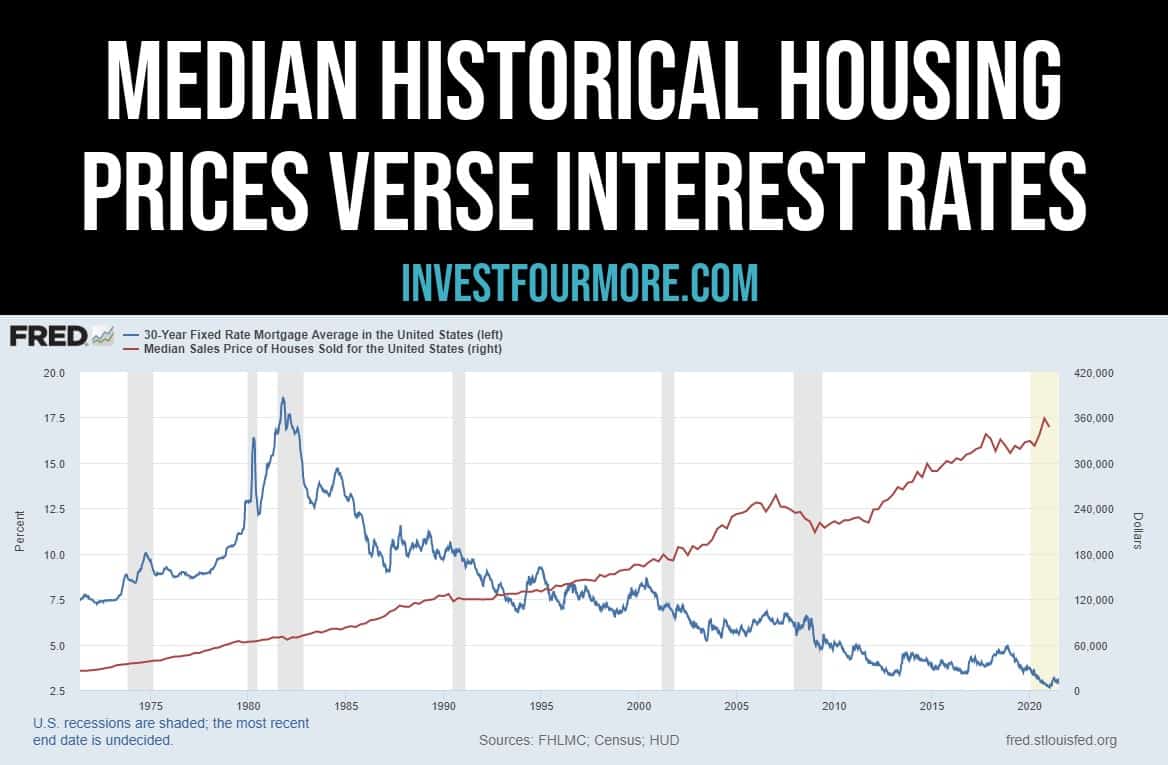
A fixed-rate mortgage ensures that your interest rate remains the same for the entire duration of the loan. This means your principal and interest payment will never change, providing predictable monthly expenses. Common fixed-rate terms are 15-year and 30-year mortgages.
- Pros: Stability and predictability. Homeowners know exactly what their principal and interest payment will be each month, making budgeting easier. Protection from rising interest rates in the future.
- Cons: If market rates fall significantly, you’ll be locked into a higher rate unless you refinance. Initial interest rates for fixed-rate mortgages can sometimes be higher than the initial rates for adjustable-rate mortgages.
- Best For: Borrowers who plan to stay in their home for a long time, prefer stable monthly payments, or believe interest rates will rise in the future.
Adjustable-Rate Mortgages (ARMs)
An ARM features an interest rate that can change periodically over the life of the loan. ARMs typically start with an initial fixed-rate period (e.g., 3, 5, 7, or 10 years), after which the rate adjusts up or down at predetermined intervals (e.g., annually) based on an economic index plus a margin.
- Pros: Lower initial interest rate compared to fixed-rate mortgages, which can result in lower monthly payments during the fixed-rate period. Beneficial if you plan to sell or refinance before the fixed-rate period ends.
- Cons: Uncertainty in future monthly payments. Your payment could significantly increase if interest rates rise after the fixed period. Rate caps (limits on how much the rate can change) offer some protection but don’t eliminate risk entirely.
- Best For: Borrowers who plan to sell or refinance before the initial fixed-rate period ends, or those who anticipate their income will increase significantly, allowing them to absorb potential payment hikes. Also suitable for those who believe interest rates will fall.
How to Secure the Best Interest Rate
Optimizing your mortgage interest rate can save you tens of thousands of dollars over the loan’s lifetime. A proactive and informed approach is key.
Improving Your Credit Score
Before applying for a mortgage, review your credit reports from all three major bureaus (Experian, Equifax, TransUnion) for errors. Pay down existing debt, especially credit card balances, to reduce your credit utilization ratio. Make all payments on time and avoid opening new lines of credit. A higher credit score signals lower risk to lenders, leading to better rates. Aim for a FICO score of 740 or above for the most competitive offers.
Shopping Around
Never settle for the first offer you receive. Contact multiple lenders—banks, credit unions, and mortgage brokers—to compare their rates, fees, and loan terms. Lenders often have different pricing models and risk appetites, so their offers can vary significantly. Obtain Loan Estimates from several lenders, which standardize the presentation of loan terms and costs, making it easier to compare apples to apples. Doing this within a short period (typically 14-45 days, depending on the credit scoring model) will usually only count as a single hard inquiry on your credit report.
Down Payment Power
A larger down payment not only reduces the amount you need to borrow but also signals financial stability to lenders, often translating into a lower interest rate. A down payment of 20% or more typically allows you to avoid Private Mortgage Insurance (PMI), which is an additional cost. The lower your loan-to-value (LTV) ratio, the less risk the lender assumes, and the better your interest rate is likely to be.
Consider Mortgage Points
Mortgage points, also known as discount points, are fees paid to the lender at closing in exchange for a lower interest rate. One point typically costs 1% of the loan amount. For example, on a $300,000 loan, one point would cost $3,000. It’s a trade-off: higher upfront costs for lower monthly payments over the life of the loan. Calculate the break-even point to determine if buying down the rate makes financial sense for your situation and how long you plan to keep the mortgage.

The Long-Term Impact of Interest Rates
The interest rate you secure today will have profound implications for your financial future, extending far beyond your monthly payment.
Over the typical 30-year mortgage term, even a seemingly small difference in interest rates can amount to tens or even hundreds of thousands of dollars in total interest paid. For instance, on a $300,000 loan, a 0.5% difference in rate could mean paying an additional $30,000 to $50,000 in interest over 30 years. This substantial sum could otherwise be directed towards investments, retirement savings, education, or other financial goals. Understanding this long-term financial leverage underscores the importance of actively seeking the best possible rate.
Furthermore, current interest rates heavily influence the decision to refinance an existing mortgage. When rates fall significantly below your current rate, refinancing can be an attractive option to lower your monthly payments, reduce the total interest paid, or even change the loan term. Conversely, if rates rise after you’ve locked in a low fixed rate, your mortgage becomes an even more valuable asset, protecting you from increased borrowing costs in the broader market.
Finally, interest rates also affect the overall housing market’s health and accessibility. Higher rates can cool down an overheated market by reducing affordability for potential buyers, thereby decreasing demand. Lower rates can stimulate demand, making homes more accessible and often leading to increased housing prices. For homeowners, changes in rates influence home equity growth and the effective cost of carrying their primary asset. Therefore, staying informed about interest rate trends is not just about securing a loan but about strategically managing one of your largest financial commitments within the broader economic landscape.
aViewFromTheCave is a participant in the Amazon Services LLC Associates Program, an affiliate advertising program designed to provide a means for sites to earn advertising fees by advertising and linking to Amazon.com. Amazon, the Amazon logo, AmazonSupply, and the AmazonSupply logo are trademarks of Amazon.com, Inc. or its affiliates. As an Amazon Associate we earn affiliate commissions from qualifying purchases.