
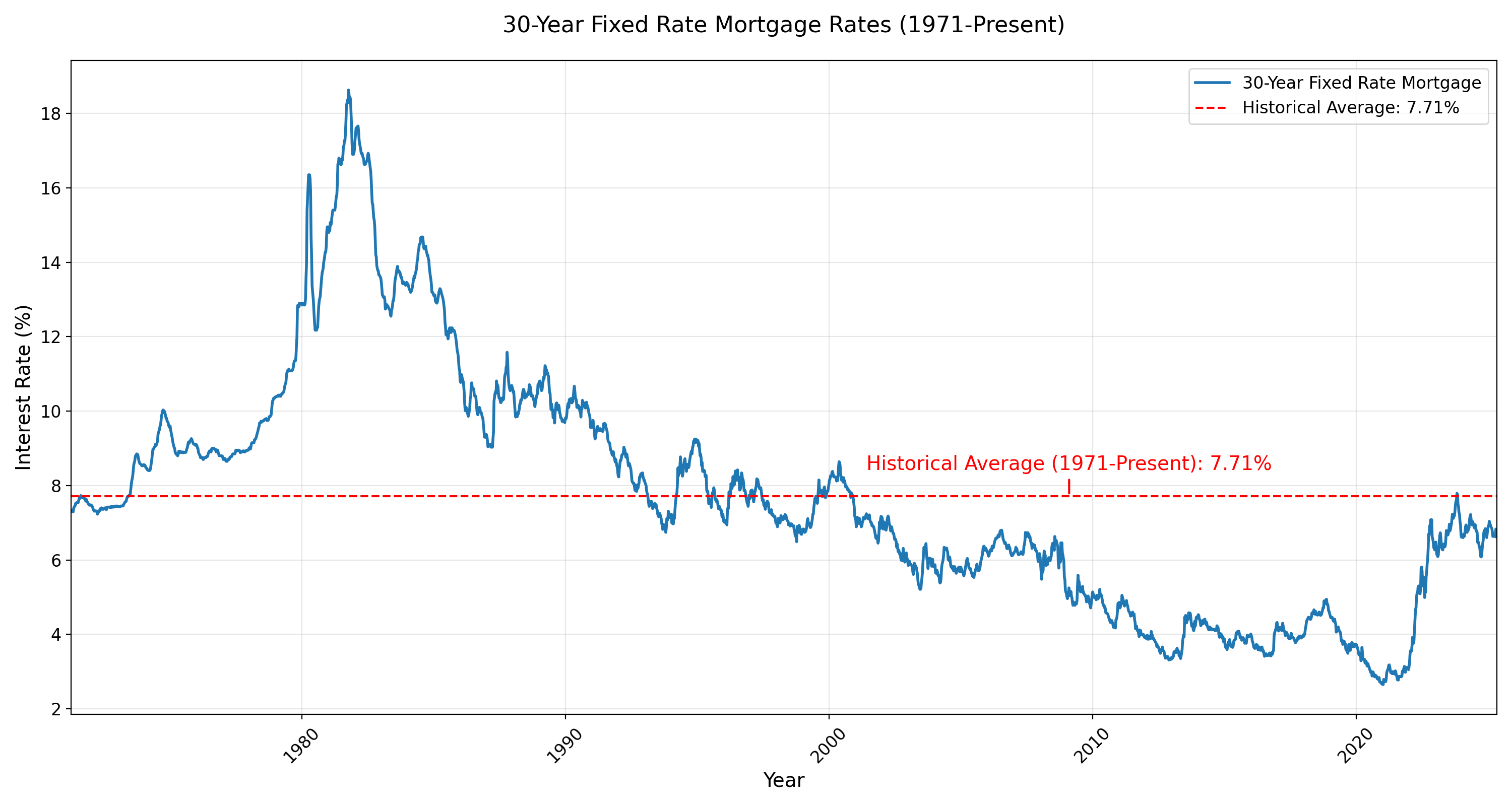
Understanding today’s 30-year fixed mortgage rate is crucial for anyone navigating the housing market, whether as a first-time homebuyer, a seasoned investor, or someone considering a refinance. This rate profoundly impacts affordability, long-term financial planning, and the overall cost of homeownership. Unlike other financial products, mortgage rates are dynamic, fluctuating daily, even hourly, based on a complex interplay of economic forces. Pinpointing “today’s” exact rate requires diligence and an understanding of the factors at play, but comprehending its significance is the first step toward making informed real estate decisions.
Understanding the 30-Year Fixed Mortgage
The 30-year fixed-rate mortgage stands as the most popular financing option for homebuyers in the United States. Its appeal lies in its predictability and stability, offering a consistent principal and interest payment for the entire loan term, regardless of market fluctuations.

Why the 30-Year Term Dominates
The primary reason for the 30-year fixed mortgage’s popularity is its lower monthly payment compared to shorter-term options like the 15-year fixed mortgage. Stretching repayments over three decades significantly reduces the immediate financial burden, making homeownership accessible to a broader demographic. This extended amortization period allows borrowers to manage their cash flow more effectively, freeing up funds for other financial goals, investments, or discretionary spending. While the total interest paid over 30 years is considerably higher than a 15-year term, the immediate relief of lower monthly payments often outweighs this long-term cost for many households.
Fixed vs. Adjustable Rates: A Crucial Distinction
It’s vital to differentiate between fixed-rate and adjustable-rate mortgages (ARMs). A fixed-rate mortgage, such as the 30-year option, locks in an interest rate for the entire life of the loan. This provides unparalleled payment stability, shielding borrowers from potential rate hikes in the future. In contrast, an adjustable-rate mortgage features an interest rate that can change periodically after an initial fixed period (e.g., 5/1 ARM, 7/1 ARM). While ARMs often start with lower initial interest rates, the risk of future payment increases makes them a less predictable choice for long-term financial planning, especially in an environment of rising rates. The certainty offered by a fixed rate is a significant comfort for homeowners planning to stay in their property for many years.
The Impact of Interest on Total Cost
While a low monthly payment is attractive, it’s essential to grasp the profound impact of the interest rate on the total cost of the mortgage over its 30-year term. Even a seemingly small difference in interest rate – a quarter or half a percentage point – can translate into tens of thousands of dollars in additional interest paid over three decades. For example, on a $300,000 loan, a 0.5% higher interest rate could add over $30,000 to the total cost. This highlights why securing the most favorable rate possible is paramount. Understanding the amortization schedule, which shows how much of each payment goes towards principal versus interest, reveals that in the early years of a 30-year loan, a significant portion of the payment is allocated to interest.
Key Factors Influencing Mortgage Rates
Mortgage rates are not set in a vacuum. They are a reflection of broader economic conditions and specific market dynamics. A multitude of interconnected factors contribute to their daily fluctuations, making it imperative for prospective borrowers to understand these underlying drivers.
Federal Reserve Policy and the Fed Funds Rate
While the Federal Reserve does not directly set mortgage rates, its monetary policy decisions heavily influence them. The Fed’s primary tool is the federal funds rate, which is the target rate for overnight borrowing between banks. When the Fed raises the fed funds rate to combat inflation or cools the economy, it generally leads to higher interest rates across the board, including those for mortgages. Conversely, a reduction in the fed funds rate, typically during economic downturns, tends to push mortgage rates lower. This indirect relationship is crucial, as the market often anticipates and reacts to the Fed’s future moves, causing rates to shift even before official announcements.
Inflation Expectations
Inflation is a significant adversary of bond investors, including those who buy mortgage-backed securities (MBS). When inflation is expected to rise, the purchasing power of future fixed payments from bonds diminishes. To compensate for this anticipated loss, investors demand higher yields on new bonds, including MBS. Since mortgage rates are closely tied to the yields on MBS, higher inflation expectations typically translate to higher mortgage rates. Conversely, a subdued inflation outlook can help keep rates stable or even allow them to fall. This forward-looking aspect of inflation expectations means that even current inflation numbers aren’t as critical as what the market believes inflation will be in the future.
Economic Indicators (GDP, Employment)
Strong economic performance, characterized by robust Gross Domestic Product (GDP) growth and low unemployment rates, often signals a healthy economy. While this is generally positive, it can also lead to increased demand for credit and potential inflationary pressures, which, as noted, tend to push mortgage rates higher. A booming economy might also encourage the Federal Reserve to adopt a more hawkish stance, further contributing to higher rates. Conversely, signs of economic slowdown or recession can lead to a flight to safety among investors, increasing demand for bonds and thereby lowering their yields and, consequently, mortgage rates. Employment reports, consumer confidence indices, and manufacturing data are all closely watched for these signals.
Treasury Yields and the Mortgage Market
Perhaps the most direct influence on 30-year fixed mortgage rates comes from the yields on long-term U.S. Treasury bonds, particularly the 10-year Treasury note. Mortgage-backed securities, which are bundles of mortgages sold to investors, compete with U.S. Treasuries for investor capital. If Treasury yields rise, investors demand a comparable or higher yield from MBS, which pushes mortgage rates higher. The spread between the 10-year Treasury yield and the 30-year fixed mortgage rate can vary, but their movements are generally correlated. Monitoring the 10-year Treasury yield provides a strong leading indicator for the direction of mortgage rates.
Lender-Specific Factors (Credit Score, Down Payment, Loan Type)
Beyond macroeconomics, individual borrower characteristics play a significant role in the rate a lender offers. A higher credit score (e.g., FICO score of 740 or above) signals lower risk to lenders, often qualifying borrowers for the lowest available rates. A substantial down payment (e.g., 20% or more) also reduces the lender’s risk exposure and can lead to more favorable terms, sometimes even eliminating the need for private mortgage insurance (PMI). Furthermore, the type of loan (e.g., conventional, FHA, VA, USDA) can also influence rates, as each has different qualification criteria and associated risk profiles for lenders.
How to Find “Today’s” Rate
Given the dynamic nature of mortgage rates, understanding how to accurately find and compare them is critical for securing the best financing. It’s not a static number posted once a day; rates can shift throughout the business day.
Online Aggregators and Comparison Sites
The internet has revolutionized the process of rate shopping. Numerous online aggregators and comparison sites allow users to input basic information (location, loan amount, credit score range) and receive multiple rate quotes from various lenders simultaneously. These platforms offer a convenient way to get a snapshot of “today’s” rates across the market. However, it’s important to remember that these initial quotes are often estimates and may not reflect the precise rate a borrower will ultimately qualify for. They serve as an excellent starting point for identifying competitive lenders and understanding the general market landscape.
Direct Lender Quotes (Banks, Credit Unions, Mortgage Brokers)
For accurate, personalized quotes, direct engagement with lenders is essential. This includes contacting large national banks, local credit unions, and independent mortgage brokers. Each has its advantages: large banks often have a wide array of products, credit unions may offer competitive rates to members, and mortgage brokers can shop multiple lenders on your behalf, potentially finding niche products or better deals. When contacting direct lenders, be prepared to provide detailed financial information to receive a precise rate quote, including your credit score, income, assets, and the property details. Aim to get at least three to five quotes to ensure you’re getting a competitive offer.
Understanding APR vs. Interest Rate
When comparing loan offers, pay close attention to both the interest rate and the Annual Percentage Rate (APR). The interest rate is the cost of borrowing money, expressed as a percentage of the principal. The APR, however, represents the total cost of the loan over its term, including the interest rate plus certain fees and additional charges (like origination fees, discount points, and some closing costs). The APR provides a more comprehensive picture of the true cost of borrowing and is generally a better metric for comparing different loan offers, as it standardizes the comparison by incorporating more than just the interest rate. A lower APR usually indicates a less expensive loan overall.
The Importance of a Good Credit Score
Your credit score is arguably the most significant individual factor influencing the mortgage rate you’ll be offered. Lenders use credit scores to assess your creditworthiness and the likelihood of you repaying the loan. A higher FICO score (generally above 740) indicates a lower risk, allowing lenders to offer their most competitive rates. Conversely, a lower credit score will typically result in a higher interest rate, as lenders factor in the increased risk by charging more for the loan. Improving your credit score before applying for a mortgage can save you tens of thousands of dollars over the life of a 30-year loan.
Strategies for Securing the Best Rate
Optimizing your financial profile and understanding the lending process can significantly improve your chances of securing the lowest possible 30-year fixed mortgage rate. It’s a proactive approach that pays dividends.
Boosting Your Credit Profile
Before even applying for a mortgage, take steps to enhance your credit score. This includes paying all bills on time, reducing existing debt (especially revolving credit like credit cards), avoiding opening new credit accounts, and checking your credit report for errors. Disputing inaccuracies on your credit report can quickly boost your score. A stronger credit profile translates directly into better interest rate offers, as lenders perceive you as a more reliable borrower. Even a few points increase in your credit score can move you into a better rate tier.
Increasing Your Down Payment
A larger down payment reduces the amount you need to borrow, which can lower your monthly payments and potentially lead to a better interest rate. Lenders view borrowers with substantial equity from day one as less risky. Furthermore, putting down 20% or more on a conventional loan often allows you to avoid private mortgage insurance (PMI), a costly monthly expense that adds to the overall cost of your mortgage. Saving diligently for a larger down payment is a sound financial strategy that yields multiple benefits in the mortgage process.
Shopping Around Aggressively
Do not settle for the first quote you receive. Actively solicit offers from multiple lenders – banks, credit unions, and mortgage brokers. Rates can vary significantly between institutions on the same day for the same borrower profile. Use online comparison tools, but also engage directly with lenders to get firm, personalized quotes. Compare not just the interest rate but also the APR and all associated fees. This competitive shopping process can uncover significant savings, as lenders are often willing to adjust their offers to win your business.
Considering Points and Closing Costs
When reviewing loan offers, differentiate between the interest rate and “points.” Discount points are fees paid upfront to the lender in exchange for a lower interest rate over the life of the loan. One point typically equals 1% of the loan amount. Deciding whether to pay points involves a break-even analysis: how long will it take for the savings from the lower interest rate to recoup the upfront cost of the points? If you plan to stay in the home for many years, paying points might be a wise investment. Also, be aware of all other closing costs, which can include appraisal fees, title insurance, attorney fees, and more. A loan with a slightly higher interest rate but significantly lower closing costs might be more favorable depending on your financial situation.
Locking in Your Rate
Once you find a desirable rate, ask your lender about locking it in. A rate lock guarantees that your interest rate will not change between the time of the lock and your closing date, typically for 30 to 60 days. This protects you from market fluctuations during the underwriting process. Be aware of any fees associated with rate locks, and ensure the lock period is sufficient for your closing timeline. If your loan doesn’t close within the locked period, you may need to pay an extension fee or accept the prevailing market rate.
Beyond the Rate: Long-Term Financial Implications
While today’s 30-year mortgage rate is a critical immediate concern, its impact extends far into the future, shaping your financial health and wealth-building trajectory.
Affordability and Budgeting
The mortgage rate directly determines your monthly principal and interest payment, which is often the largest component of homeownership costs. A lower rate translates to lower monthly payments, improving your overall affordability and freeing up cash flow for other essential expenses, savings, or investments. Conversely, a higher rate can strain your budget, especially when combined with property taxes, homeowner’s insurance, and potential HOA fees. Meticulous budgeting is essential to ensure that your total housing expenses remain manageable and sustainable over the long term, regardless of the rate you secure.
Refinancing Opportunities
The 30-year fixed mortgage rate you secure today isn’t necessarily the rate you’re stuck with forever. If market rates drop significantly in the future, or if your credit profile improves substantially, refinancing your mortgage can be a powerful financial tool. Refinancing allows you to replace your existing mortgage with a new one, potentially at a lower interest rate, reducing your monthly payments or shortening your loan term. However, refinancing involves closing costs, so a careful cost-benefit analysis is crucial to determine if it makes financial sense. Keeping an eye on prevailing market rates even after you’ve secured your initial loan is a prudent financial practice.
Building Equity and Wealth
A 30-year fixed mortgage is not just a loan; it’s a foundation for building equity and long-term wealth. With each monthly payment, a portion goes towards reducing your principal balance, gradually increasing your ownership stake in the property. Over time, as you pay down the loan and as property values potentially appreciate, the equity in your home grows. This equity can be a significant source of wealth, providing a financial safety net, access to funds through a home equity line of credit (HELOC), or a substantial asset in retirement. Understanding how your mortgage contributes to this wealth-building journey is key to appreciating its role beyond just a monthly expense.
aViewFromTheCave is a participant in the Amazon Services LLC Associates Program, an affiliate advertising program designed to provide a means for sites to earn advertising fees by advertising and linking to Amazon.com. Amazon, the Amazon logo, AmazonSupply, and the AmazonSupply logo are trademarks of Amazon.com, Inc. or its affiliates. As an Amazon Associate we earn affiliate commissions from qualifying purchases.