
The question “what is the average interest rate for a mortgage” is one of the most fundamental and frequently asked queries by prospective homebuyers and homeowners looking to refinance. It’s a crucial data point that influences everything from monthly payments to overall affordability and the total cost of a home over its lifetime. However, answering this question isn’t as straightforward as providing a single, static number. Mortgage interest rates are dynamic, influenced by a complex interplay of economic forces, market conditions, and individual borrower profiles.
Understanding the “average” requires delving into the various types of mortgages, the factors that cause rates to fluctuate, and how these figures are typically reported. It’s not just about knowing a number, but understanding the context behind it, enabling you to make informed financial decisions when one of the most significant investments of your life is on the line. This article will demystify mortgage interest rates, offering a comprehensive guide to what they are, what influences them, where to find current figures, and strategies for securing the most favorable rate possible.
Understanding Mortgage Interest Rates
At its core, a mortgage interest rate is the cost of borrowing money to purchase a home. It’s expressed as a percentage of the principal loan amount, and it determines how much extra you’ll pay the lender over the life of the loan. This rate is a critical component of your monthly mortgage payment, alongside the principal, property taxes, and homeowners’ insurance (often collectively referred to as PITI).
Fixed vs. Adjustable-Rate Mortgages (ARMs)
When discussing average rates, it’s essential to distinguish between the two primary types of mortgages, as their rate structures are fundamentally different:
- Fixed-Rate Mortgages (FRMs): As the name suggests, the interest rate on a fixed-rate mortgage remains constant for the entire term of the loan, typically 15 or 30 years. This predictability offers stability, as your principal and interest payment will never change. When people refer to the “average mortgage rate,” they are most often talking about fixed-rate mortgages, particularly the 30-year fixed, as it is the most common type.
- Adjustable-Rate Mortgages (ARMs): ARMs feature an interest rate that is fixed for an initial period (e.g., 3, 5, 7, or 10 years) and then adjusts periodically based on a predetermined market index. After the initial fixed period, the rate can go up or down, leading to changes in your monthly payments. While ARMs often start with lower rates than fixed-rate mortgages, their variability introduces an element of risk. The “average” for ARMs is more complex to define due to their initial fixed period and subsequent fluctuations.
Key Factors Influencing Your Rate
While market conditions set the overall tone for interest rates, several factors specific to you, the borrower, will heavily influence the precise rate you qualify for:
- Credit Score: This is arguably the most critical individual factor. Lenders use your credit score (e.g., FICO score) to assess your creditworthiness and the likelihood that you’ll repay the loan. Borrowers with excellent credit scores (typically 760 or higher) are seen as lower risk and generally qualify for the lowest available interest rates.
- Down Payment: The amount of money you put down upfront affects your loan-to-value (LTV) ratio. A larger down payment reduces the amount you need to borrow, signalling less risk to the lender and often resulting in a more favorable interest rate. Lenders often offer better rates for LTVs below 80%.
- Debt-to-Income (DTI) Ratio: Your DTI ratio is the percentage of your gross monthly income that goes towards debt payments. Lenders prefer a lower DTI (generally below 43%) as it indicates you have sufficient income to manage your mortgage payments alongside other financial obligations. A high DTI can lead to a higher interest rate or even loan denial.
- Loan Term: Shorter loan terms (e.g., 15-year fixed) typically come with lower interest rates than longer terms (e.g., 30-year fixed). While the monthly payments are higher on a 15-year loan, the total interest paid over its life is significantly less due to the lower rate and shorter repayment period.
- Loan Type: Government-backed loans like FHA, VA, and USDA loans often have different rate structures and qualification requirements compared to conventional loans.
- Property Location and Type: Rates can vary slightly based on the state or even specific counties due to local regulations or market demand. The type of property (e.g., single-family home, condo, multi-family) can also play a role.
- Loan-Specific Fees (Points): Borrowers can sometimes pay “points” (prepaid interest) at closing to “buy down” their interest rate, effectively lowering it for the life of the loan. Each point typically costs 1% of the loan amount.
The Dynamic Nature of “Average” Rates
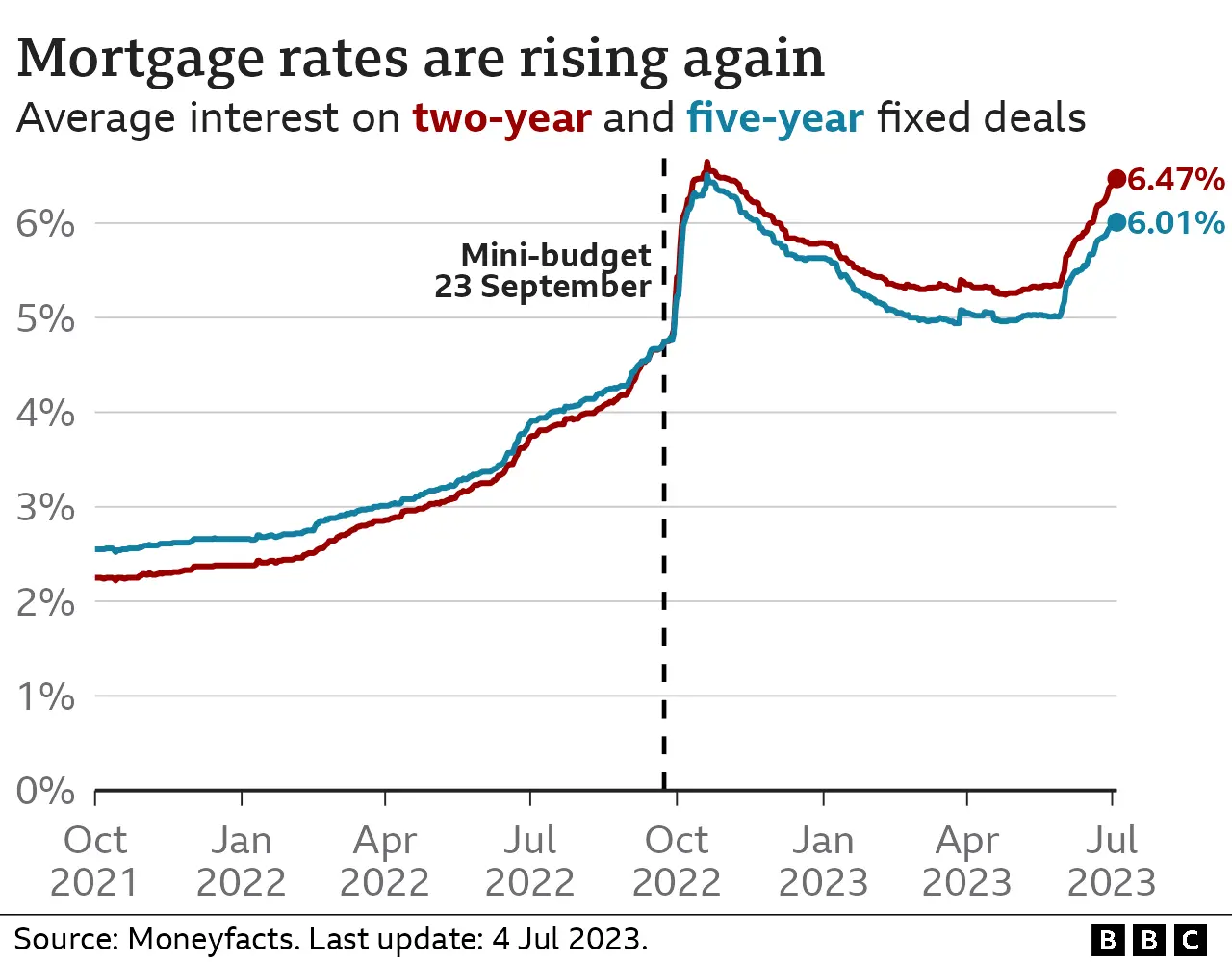
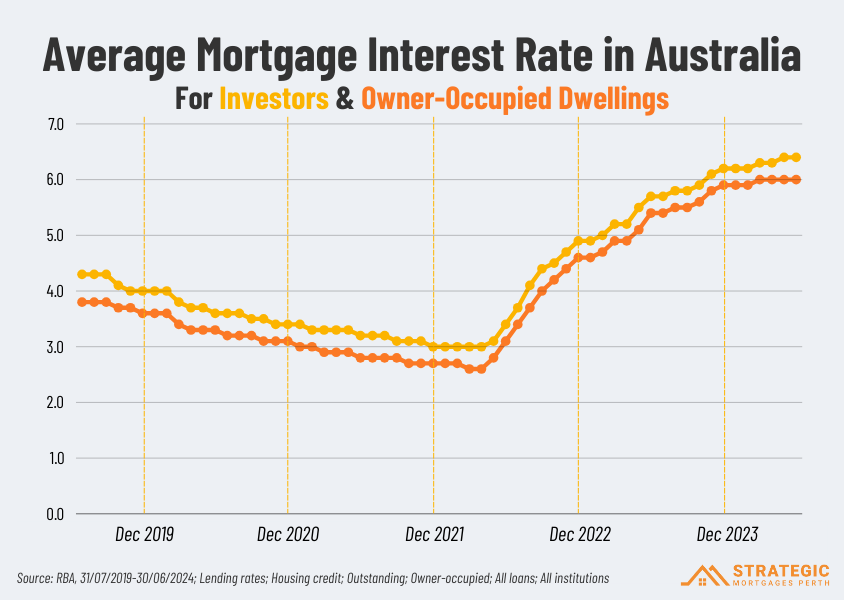
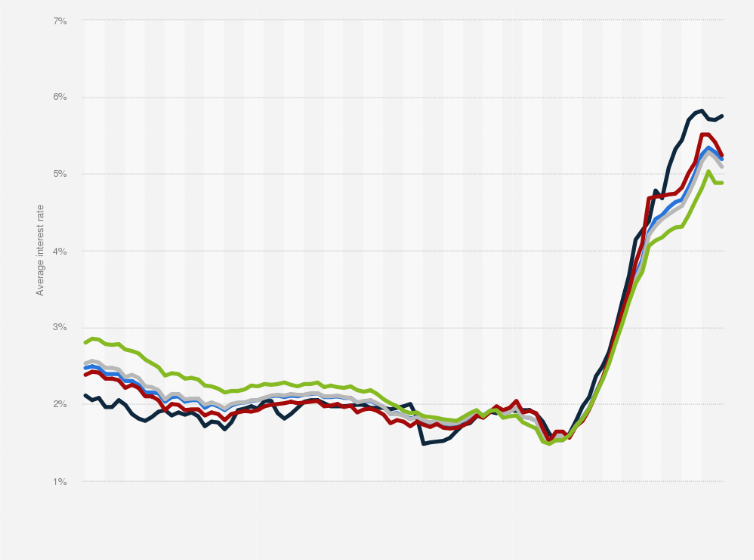
The concept of an “average” mortgage interest rate is constantly in flux, reflecting the broader economic landscape. These rates are not arbitrarily set but respond to a host of macroeconomic indicators and financial market movements.
Economic Indicators and Federal Reserve Policy
The health of the economy and the actions of the Federal Reserve are paramount in shaping mortgage rates:
- Inflation: When inflation (the rate at which prices rise) is high or expected to rise, lenders demand higher interest rates to compensate for the reduced purchasing power of future repayments. The Federal Reserve’s primary tool to combat inflation is raising the federal funds rate.
- Federal Reserve (The Fed): While the Fed does not directly set mortgage rates, its monetary policy decisions have a profound indirect impact. When the Fed raises its benchmark federal funds rate, it generally makes borrowing more expensive across the board, which can push mortgage rates higher. Conversely, rate cuts tend to lower mortgage rates. The Fed also engages in quantitative easing or tightening, which involves buying or selling Treasury bonds and mortgage-backed securities (MBS), directly influencing their yields and thus mortgage rates.
- Employment Data: Strong employment reports suggest a robust economy, which can contribute to inflationary pressures and, in turn, higher interest rates. Weak employment data might signal an economic slowdown, potentially leading to lower rates.
- GDP Growth: A growing Gross Domestic Product (GDP) indicates economic expansion, which can also contribute to higher rates as demand for money increases.
Bond Market Influence
Mortgage rates are closely tied to the bond market, particularly the yield on the 10-year Treasury note.
- 10-Year Treasury Yield: This yield is often seen as a benchmark for long-term interest rates, including fixed-rate mortgages. When investors buy Treasury bonds, they are essentially lending money to the government. The yield on these bonds reflects the return investors demand for taking on that risk. Mortgage lenders use the 10-year Treasury yield as a baseline and then add a spread to cover their costs, profit, and the risk associated with lending to individual borrowers. When the 10-year Treasury yield rises, mortgage rates tend to follow suit, and vice versa. This strong correlation makes monitoring the bond market an essential part of understanding mortgage rate trends.
Geographic and Lender Variations
Even within the same economic climate, “average” rates can exhibit regional and institutional differences.
- Geographic Variation: Local market competition, state-specific lending laws, and regional economic conditions can cause slight variations in rates from one state or city to another.
- Lender Specifics: Different lenders—banks, credit unions, online lenders, mortgage brokers—have varying business models, overhead costs, and risk appetites. This means that even for the same borrower profile on the same day, you might receive different rate offers from various lenders. Some lenders might specialize in certain loan types or have specific promotions, further contributing to rate disparities. This underscores the importance of shopping around.
Where to Find Current Average Rates
Given their dynamic nature, relying on outdated information for mortgage rates can be costly. Fortunately, several reputable sources provide up-to-the-minute data on average mortgage interest rates.
Financial News Outlets and Websites
Numerous financial institutions and news organizations meticulously track and report average mortgage rates:
- Freddie Mac: The Federal Home Loan Mortgage Corporation (Freddie Mac) publishes a weekly Primary Mortgage Market Survey (PMMS) that is widely cited. It surveys lenders across the country to determine average rates for 30-year fixed, 15-year fixed, and 5/1 ARM loans. This is often considered the gold standard for “average” rates.
- Mortgage News Daily (MND): MND provides daily updates on mortgage rates, offering a more granular and timely view than weekly surveys. They often report changes in rates throughout the day, reflecting immediate market reactions.
- Bankrate, NerdWallet, Zillow, LendingTree: These consumer-focused financial platforms aggregate rate data from numerous lenders. They often display current average rates for various loan types and allow users to compare personalized quotes from multiple lenders simultaneously. They are excellent resources for getting a sense of the market’s current offerings.
- Local Bank and Credit Union Websites: Many local financial institutions publish their current rates online. While these might not reflect a national “average,” they are useful for understanding what’s available in your specific market.
Mortgage Calculators and Comparison Tools
While general averages provide a benchmark, your specific rate will depend on your unique financial situation. Mortgage calculators and comparison tools are invaluable for getting a personalized estimate:
- Online Mortgage Calculators: Websites like those mentioned above (Bankrate, NerdWallet) offer calculators where you can input your estimated home price, down payment, credit score range, and desired loan term. These tools then provide an estimated monthly payment and an interest rate range you might qualify for.
- Rate Comparison Engines: These tools take your personal information (often without a hard credit pull initially) and generate customized rate quotes from several different lenders. This is perhaps the most effective way to understand what “average” truly means for you and to identify the most competitive offers available.
Consulting with Mortgage Professionals
Ultimately, a conversation with a qualified mortgage professional is the best way to get precise and tailored information:
- Loan Officers: Working directly with a loan officer from a specific bank or lending institution will give you their rates and product offerings. They can also advise you on how to strengthen your application.
- Mortgage Brokers: A mortgage broker acts as an intermediary, working with multiple lenders. They can shop around on your behalf to find the best rates and terms that fit your financial profile, potentially saving you time and money. Their expertise can be particularly valuable for navigating complex situations or finding niche products.
Strategies for Securing a Better Mortgage Rate
Even when market rates are generally high, there are proactive steps you can take to improve your chances of securing the lowest possible interest rate for your mortgage. A better rate, even by a quarter of a percent, can translate into thousands of dollars saved over the life of a loan.
Improve Your Credit Score
Your credit score is paramount in a lender’s risk assessment. A higher score signals to lenders that you are a reliable borrower, making them more willing to offer you their most competitive rates.
- Pay Bills On Time: Payment history accounts for the largest portion of your credit score. Make sure all your bills, not just credit cards, are paid by their due dates.
- Reduce Credit Card Debt: High credit utilization (the amount of credit you’re using compared to your total available credit) can negatively impact your score. Aim to keep balances below 30% of your credit limits, or even lower if possible.
- Avoid Opening New Credit Lines: Applying for new credit accounts can temporarily ding your score. It’s best to avoid doing so in the months leading up to a mortgage application.
- Check for Errors: Regularly review your credit reports from all three major bureaus (Equifax, Experian, TransUnion) and dispute any inaccuracies.
Increase Your Down Payment
A larger down payment reduces the loan amount, thereby decreasing the lender’s risk and potentially earning you a lower interest rate.
- Lower Loan-to-Value (LTV): Lenders look favorably on lower LTV ratios. If you can put down 20% or more, you not only avoid private mortgage insurance (PMI) but also stand a better chance of getting a more attractive rate.
- Demonstrate Financial Stability: A significant down payment shows financial discipline and a strong commitment to the property, which can be appealing to lenders.
Reduce Your Debt-to-Income (DTI) Ratio
Your DTI ratio is another key metric lenders use to assess your ability to manage monthly payments. A lower DTI (ideally below 36% for the best rates, though 43% is often the maximum for conventional loans) makes you a more attractive borrower.
- Pay Down Existing Debts: Focus on reducing credit card balances, personal loans, and auto loans before applying for a mortgage.
- Avoid Taking on New Debt: Refrain from making large purchases on credit or taking out new loans in the months leading up to your mortgage application.
Shop Around and Compare Lenders
This is perhaps the simplest yet most effective strategy. Just as you wouldn’t buy the first car you see, you shouldn’t accept the first mortgage offer you receive.
- Get Quotes from Multiple Lenders: Contact at least three to five different lenders (banks, credit unions, online lenders, mortgage brokers) and get detailed loan estimates. Ensure you’re comparing apples to apples, looking at the same loan type, term, and rate structure.
- Negotiate: Don’t be afraid to use a competitive offer from one lender to negotiate a better rate or lower fees with another. Lenders are often willing to compete for your business.
Consider Mortgage Points (Discount Points)
Mortgage points are fees paid directly to the lender at closing in exchange for a lower interest rate over the life of the loan. One point typically costs 1% of the loan amount.
- Weigh the Cost vs. Savings: Paying points can make sense if you plan to stay in the home for many years, as the savings on interest will eventually outweigh the upfront cost. Calculate the break-even point to see if it’s a worthwhile investment for your situation.
- Understand Origination Points: Be aware that some lenders also charge “origination points” which are fees for processing the loan and do not reduce your interest rate. Clarify the purpose of any points listed on your loan estimate.
The Long-Term Impact of Mortgage Rates
The interest rate you secure on your mortgage will have profound and lasting implications for your financial health, extending far beyond the initial excitement of homeownership. Even seemingly small differences in rates can accumulate into substantial financial disparities over a 15- or 30-year loan term.
Total Cost of the Loan
This is where the power of compound interest works against you if your rate is higher. A higher interest rate means you’ll pay significantly more over the life of the loan.
- Example: On a $300,000, 30-year fixed-rate mortgage:
- At 6.00% interest, your total interest paid would be approximately $347,517, with a total repayment of $647,517.
- At 6.25% interest, your total interest paid would be approximately $367,238, with a total repayment of $667,238.
- This seemingly small difference of 0.25% in the rate translates to nearly $20,000 in additional interest paid over 30 years. This substantial difference underscores the importance of securing the best rate possible.
Affordability and Monthly Payments
Your interest rate directly influences your monthly mortgage payment. A higher rate means a larger portion of your monthly payment goes toward interest, leaving less for principal repayment, and resulting in a higher overall payment. This directly impacts your budget and what you can comfortably afford each month.
- Budgetary Constraints: A lower rate can free up hundreds of dollars each month, which can be allocated to savings, other investments, debt repayment, or discretionary spending, significantly improving your financial flexibility.
- Purchasing Power: A more favorable rate can also increase your purchasing power, allowing you to afford a slightly more expensive home within the same monthly budget, or making the home you desire more accessible.
Refinancing Considerations
Understanding mortgage rates is not just for initial home purchases; it’s also critical for homeowners considering refinancing.
- When to Refinance: If interest rates drop significantly after you’ve secured your initial mortgage, refinancing to a lower rate can save you a substantial amount of money each month and over the loan’s term. Generally, a rate reduction of at least 0.75% to 1.0% is considered a good threshold to explore refinancing, though even smaller reductions can be beneficial depending on your loan amount and how long you plan to stay in the home.
- Cash-Out Refinancing: Homeowners can also refinance to tap into their home’s equity, often securing a new loan at current rates. Understanding the “average” rates helps you determine if the new rate is favorable for such a move.
- Breaking Even: When considering refinancing, it’s crucial to calculate the break-even point – how long it will take for the savings from the lower interest rate to offset the closing costs associated with the new loan.
Conclusion
The “average interest rate for a mortgage” is a crucial financial metric, yet it’s far from a static figure. It is a constantly evolving number shaped by broad economic forces like inflation and Federal Reserve policy, as well as specific market indicators like the 10-year Treasury yield. Furthermore, the precise rate you qualify for is highly individualized, depending on your creditworthiness, down payment, DTI ratio, and the specific lender you choose.
To navigate this complex landscape effectively, future homeowners and those looking to refinance must adopt a proactive and informed approach. This involves understanding the fundamental differences between fixed and adjustable rates, diligently monitoring reputable financial news sources for current averages, and leveraging online tools and mortgage professionals for personalized rate comparisons. Critically, taking steps to improve your financial profile—such as boosting your credit score, increasing your down payment, and reducing debt—can significantly enhance your chances of securing a more favorable rate.
Ultimately, even a slight reduction in your mortgage interest rate can translate into tens of thousands of dollars in savings over the lifespan of your loan, profoundly impacting your long-term financial stability and wealth accumulation. By staying informed and strategic, you can turn the seemingly abstract concept of an “average rate” into a powerful tool for making one of your most important financial decisions wisely.
aViewFromTheCave is a participant in the Amazon Services LLC Associates Program, an affiliate advertising program designed to provide a means for sites to earn advertising fees by advertising and linking to Amazon.com. Amazon, the Amazon logo, AmazonSupply, and the AmazonSupply logo are trademarks of Amazon.com, Inc. or its affiliates. As an Amazon Associate we earn affiliate commissions from qualifying purchases.