
Understanding the current landscape of interest rates is not merely an academic exercise; it’s a critical component of informed financial decision-making for individuals, families, and businesses alike. These seemingly abstract numbers dictate the cost of borrowing, the returns on savings, and the overall health and direction of an economy. From the homeowner considering a new mortgage to the entrepreneur seeking capital, and from the student saving for the future to the retiree managing their nest egg, interest rates permeate every facet of our financial lives.
In today’s dynamic economic climate, interest rates are in a constant state of flux, influenced by a complex interplay of domestic policies, global events, and market sentiment. While pinpointing an exact, universal “rate today” is challenging given the myriad financial products and lending institutions, we can explore the general environment, the key benchmarks, and what these rates signify for your personal and business finances. This article aims to demystify current interest rate trends, offering a professional, insightful, and engaging look at what these rates mean for you and how to navigate them effectively.

The Current Pulse of Interest Rates: An Overview
To grasp where interest rates are “at today,” it’s essential to understand the foundational rates that influence all others. These benchmark rates are set and influenced by central banks, most notably the Federal Reserve in the United States, and then ripple through the entire financial system.
The Federal Funds Rate Explained
At the very core of the U.S. financial system is the federal funds rate – the target rate for overnight borrowing between banks. While not a rate consumers directly pay or earn, its adjustments by the Federal Open Market Committee (FOMC) have a profound psychological and practical impact. When the Federal Reserve raises this rate, it signals a tightening of monetary policy, generally leading to higher borrowing costs across the economy. Conversely, a reduction indicates an easing of policy, making money cheaper to borrow. Today, the federal funds rate serves as a key indicator of the Fed’s stance on inflation and economic growth, shaping expectations for future rate movements. It’s the invisible hand guiding the cost of capital.
Benchmark Rates: Mortgages, Auto Loans, and Credit Cards
Moving from the theoretical to the tangible, various consumer and business lending rates directly reflect the underlying federal funds rate and market conditions.
- Mortgage Rates: These are among the most closely watched rates, as they determine the affordability of homeownership. Both fixed-rate and adjustable-rate mortgages (ARMs) fluctuate based on bond yields, inflation expectations, and the broader economic outlook. Today, the 30-year fixed-rate mortgage, a common benchmark, reflects a blend of these factors. Higher rates can cool a hot housing market, while lower rates can stimulate demand.
- Auto Loan Rates: Financing a vehicle is often the second-largest debt for many consumers after a mortgage. Auto loan rates are generally tied to prime rates, which move in lockstep with the federal funds rate. While these rates are influenced by broader economic conditions, individual rates also depend heavily on creditworthiness, the loan term, and the vehicle type (new vs. used).
- Credit Card Rates: Often among the highest interest rates consumers face, Annual Percentage Rates (APRs) on credit cards are almost always variable, directly indexed to the prime rate. This means that as the prime rate adjusts, so too do the interest charges on outstanding credit card balances. Today, these rates tend to be significantly higher than other forms of borrowing, reflecting the unsecured nature of credit card debt.
Savings and CD Rates: A Different Perspective
While borrowers focus on the cost of debt, savers look at the return on their deposits. When interest rates rise, it generally means better returns for those holding cash.
- Savings Account Rates: Traditional savings accounts typically offer modest returns. However, in periods of rising rates, these accounts can become more attractive, particularly those offered by online banks, which often have lower overheads and can pass on better rates to depositors.
- Certificates of Deposit (CDs): CDs offer a fixed interest rate for a predetermined period, providing certainty of return. When rates are high, locking in a favorable CD rate can be a smart move, especially for funds not needed for several months or years. Today’s CD rates reflect the current rate environment, offering a spectrum of yields based on their maturity period. Money market accounts, while more liquid than CDs, also generally track current interest rate trends.
The Ripple Effect: How Rates Impact Your Financial World
The movements of interest rates are not abstract economic data points; they translate directly into real-world financial consequences for households and businesses. Understanding this ripple effect is crucial for effective financial planning.
Borrowing Costs: Mortgages, Loans, and Lines of Credit
For most consumers, the most immediate impact of interest rate changes is on borrowing costs. When rates rise, new loans become more expensive. A higher mortgage rate means larger monthly payments over the life of the loan, significantly affecting housing affordability. Similarly, businesses seeking capital for expansion or inventory will face higher costs for lines of credit or term loans, which can impact their profitability and growth strategies. For existing variable-rate loans, such as ARMs or home equity lines of credit (HELOCs), rising rates translate directly into increased monthly payments, potentially straining household budgets. The prevailing rates today dictate the financial feasibility of everything from buying a car to funding a major business project.
Savings and Investments: Maximizing Returns
While higher rates make borrowing more expensive, they can be a boon for savers and certain investors. High-yield savings accounts and certificates of deposit (CDs) become more attractive as their interest earnings increase. This encourages saving and offers a relatively low-risk way to grow capital. For investors, the impact is more nuanced. Higher interest rates can make fixed-income investments, like bonds, more appealing relative to equities, as their yields rise. However, existing bonds with lower fixed rates may see their market value decrease. In the equity market, rising rates can sometimes put pressure on stock prices, particularly for growth companies that rely heavily on borrowing for expansion, as their future earnings are discounted at a higher rate. Today’s rate environment requires a careful balance between risk and reward across different asset classes.
Debt Management Strategies
The current interest rate environment profoundly influences debt management strategies. For those with significant credit card debt or variable-rate loans, rising rates mean increased interest payments, making it harder to pay down principal. This emphasizes the importance of aggressively tackling high-interest debt, perhaps through consolidation into a lower-rate personal loan or balance transfer options if available with favorable terms. On the other hand, if rates are falling, it might be an opportune time to refinance existing debt to secure a lower interest rate, thereby reducing monthly payments and total interest paid over time. Understanding today’s rates empowers individuals to make strategic decisions about whether to consolidate, refinance, or prioritize specific debts.
Decoding the Drivers: What Shapes Interest Rate Movements
Interest rates don’t move in a vacuum; they are influenced by a complex interplay of economic forces, central bank policies, and global dynamics. Understanding these drivers provides insight into why rates are where they are “today” and potential future directions.
Central Bank Policies: Inflation and Economic Growth
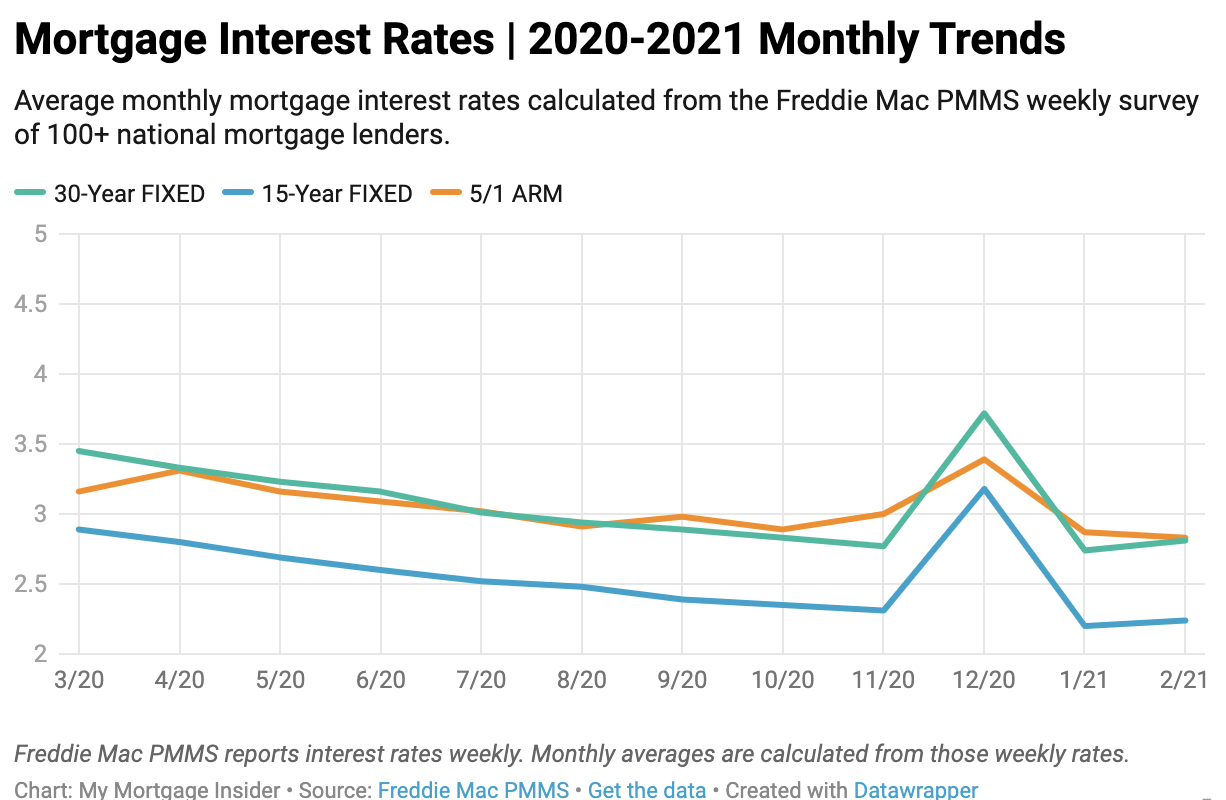
The primary driver of short-term interest rates in many economies is the central bank’s monetary policy. In the U.S., the Federal Reserve’s dual mandate is to achieve maximum employment and stable prices (low inflation). If inflation is rising above target, the Fed typically raises the federal funds rate to cool down the economy by making borrowing more expensive, thereby reducing demand. Conversely, during periods of economic slowdown or recession, the Fed might lower rates to stimulate borrowing, investment, and consumer spending. Today’s rates reflect the central bank’s ongoing assessment of these two critical economic objectives. Their forward guidance and public statements are closely watched by markets for clues about future rate moves.
Economic Indicators: Employment, GDP, and Consumer Spending
Beyond central bank mandates, various economic indicators provide a real-time pulse of the economy and heavily influence market expectations for interest rates.
- Employment Data: A strong job market, with low unemployment and rising wages, can signal a robust economy that might lead to inflationary pressures. This could prompt the central bank to consider rate hikes.
- Gross Domestic Product (GDP): GDP growth measures the overall economic output. Strong, sustained GDP growth can indicate an economy operating at or above its potential, potentially leading to higher inflation and subsequent rate adjustments.
- Consumer Spending and Confidence: As a major component of GDP, consumer spending levels and consumer confidence indices provide insights into future economic activity. Robust spending might fuel inflation, influencing rate decisions.
- Inflation Reports: Core inflation measures, such as the Consumer Price Index (CPI) and Personal Consumption Expenditures (PCE) index, are paramount. Sustained high inflation is a strong impetus for central banks to raise rates.
Each of these indicators contributes to the overall narrative of economic health, guiding the Federal Reserve’s decisions and, consequently, the prevailing interest rate environment.
Global Economic Forces and Geopolitical Events
No economy operates in isolation. Global economic trends and geopolitical events can have significant sway over domestic interest rates. For instance, a slowdown in a major trading partner’s economy could reduce demand for exports, impacting domestic growth and potentially influencing interest rate policy. Similarly, geopolitical instability, such as conflicts or supply chain disruptions, can lead to increased commodity prices (like oil), fueling inflation and prompting central banks to react. Investor sentiment, influenced by these global factors, can also drive demand for U.S. Treasury bonds, impacting their yields and, by extension, mortgage rates. Today, the interconnectedness of global markets means that events far from home can still touch your wallet.
Strategies for Thriving in the Current Rate Environment
Navigating the present interest rate landscape requires proactive planning and strategic adjustments. Whether you are a borrower, a saver, or a business owner, understanding how to optimize your financial position in relation to today’s rates is paramount.
For Borrowers: Refinancing, Debt Consolidation, and Smart Loans
In an environment of fluctuating interest rates, borrowers have distinct opportunities and challenges. If rates are lower than your existing loan’s rate, refinancing can be a powerful tool to reduce your monthly payments or the total interest paid over the loan’s life. This is particularly relevant for mortgages, but can also apply to student loans or personal loans.
For those carrying high-interest debt, such as credit card balances, debt consolidation might be a viable strategy. By rolling multiple debts into a single, lower-interest loan (like a personal loan or a balance transfer credit card with an introductory APR), you can simplify payments and potentially save a significant amount on interest. However, careful consideration of fees and repayment terms is crucial.
When taking out new loans, being a smart borrower means shopping around for the best rates, understanding the difference between fixed and variable rates, and assessing your ability to manage potential payment increases if you opt for a variable-rate product in a rising rate environment. Strengthening your credit score before applying for a loan can also secure you more favorable terms.
For Savers and Investors: High-Yield Accounts and Diversified Portfolios
For savers, today’s rates often present a dual landscape. While traditional bank accounts may offer modest returns, the rise of high-yield savings accounts and money market accounts, particularly from online banks, provides opportunities to earn significantly more on your cash reserves. Certificates of Deposit (CDs), especially those with competitive rates and varied maturities, can be excellent options for funds you don’t need immediate access to, providing predictable, higher returns than standard savings accounts.
For investors, a diversified portfolio remains the cornerstone of sound strategy. In a higher-rate environment, fixed-income investments like bonds become more attractive due to their increased yields. However, it’s essential to understand that bond prices move inversely to interest rates. A balanced portfolio that includes a mix of equities, fixed income, and potentially alternative assets can help mitigate risks associated with rate volatility. Regularly reviewing and rebalancing your portfolio to align with your risk tolerance and financial goals, factoring in the current rate environment, is a wise practice.
For Businesses: Capital Management and Growth Financing
Businesses, regardless of size, are deeply impacted by interest rates. For small businesses, managing working capital effectively becomes even more critical when borrowing costs are high. This might involve optimizing inventory, accelerating accounts receivable, or carefully managing cash flow. For larger corporations, the cost of growth financing—whether through issuing bonds, taking out bank loans, or securing lines of credit—directly influences investment decisions, expansion plans, and even stock buybacks.
Businesses should periodically review their existing debt structure. If variable rates are high, exploring fixed-rate refinancing options could provide stability. Conversely, if rates are falling, it might be an opportune moment to secure capital for future projects at a lower cost. Understanding the interplay between interest rates, inflation, and consumer demand is also vital for pricing strategies and projecting future revenues and expenses. Today’s rates are a key variable in every business’s financial model and strategic planning.
The Road Ahead: Forecasting Future Rate Trajectories
Predicting the precise future trajectory of interest rates is an inherently complex endeavor, even for seasoned economists and market analysts. However, understanding the factors that will likely influence future decisions can help individuals and businesses prepare for various scenarios.
Expert Consensus and Divergent Views
The consensus among economic experts often revolves around the central bank’s ongoing battle against inflation and its commitment to sustainable economic growth. If inflation remains stubbornly high, further rate hikes might be on the table. Conversely, if economic indicators signal a significant slowdown or recession, a pivot towards rate cuts could occur. Divergent views often arise from differing interpretations of current economic data, the efficacy of monetary policy, and the potential impact of unforeseen global events. Some argue that inflation could be more persistent than anticipated, necessitating higher-for-longer rates, while others might point to early signs of cooling demand, suggesting rates could stabilize or even begin to decline sooner. Monitoring these expert opinions provides a range of potential outcomes.

Preparing for Rate Volatility
Given the inherent uncertainty, preparing for continued interest rate volatility is a prudent approach. For borrowers, this might involve considering fixed-rate options for major loans to lock in predictable payments, or ensuring sufficient cash flow to absorb potential increases on variable-rate debt. For savers and investors, maintaining a diversified portfolio, laddering CD maturities, and regularly reviewing asset allocation can help mitigate the impact of rate swings. Businesses should build financial models that account for different interest rate scenarios, ensuring they have robust cash reserves and flexible financing options. The overarching principle is to build resilience into your financial plans, recognizing that “today’s” rates are but one snapshot in a continually evolving economic landscape. Staying informed, adaptable, and proactive will be key to navigating the financial future successfully.
aViewFromTheCave is a participant in the Amazon Services LLC Associates Program, an affiliate advertising program designed to provide a means for sites to earn advertising fees by advertising and linking to Amazon.com. Amazon, the Amazon logo, AmazonSupply, and the AmazonSupply logo are trademarks of Amazon.com, Inc. or its affiliates. As an Amazon Associate we earn affiliate commissions from qualifying purchases.