
Understanding the current state of mortgage rates is paramount for anyone contemplating a home purchase, refinancing an existing loan, or simply monitoring the broader economic landscape. Mortgage rates are not static; they are dynamic, influenced by a complex interplay of economic indicators, central bank policies, and global financial market movements. For prospective homeowners, even a slight fluctuation in rates can translate into thousands of dollars over the lifetime of a loan, significantly impacting affordability and monthly budgeting. For those already in a mortgage, shifts in rates can open doors to refinancing opportunities that lower monthly payments or shorten loan terms. This article delves into the contemporary mortgage rate environment, exploring the forces that shape it, the different types of loans available, strategies for securing the best rates, and what the future might hold.
Understanding the Current Mortgage Rate Landscape
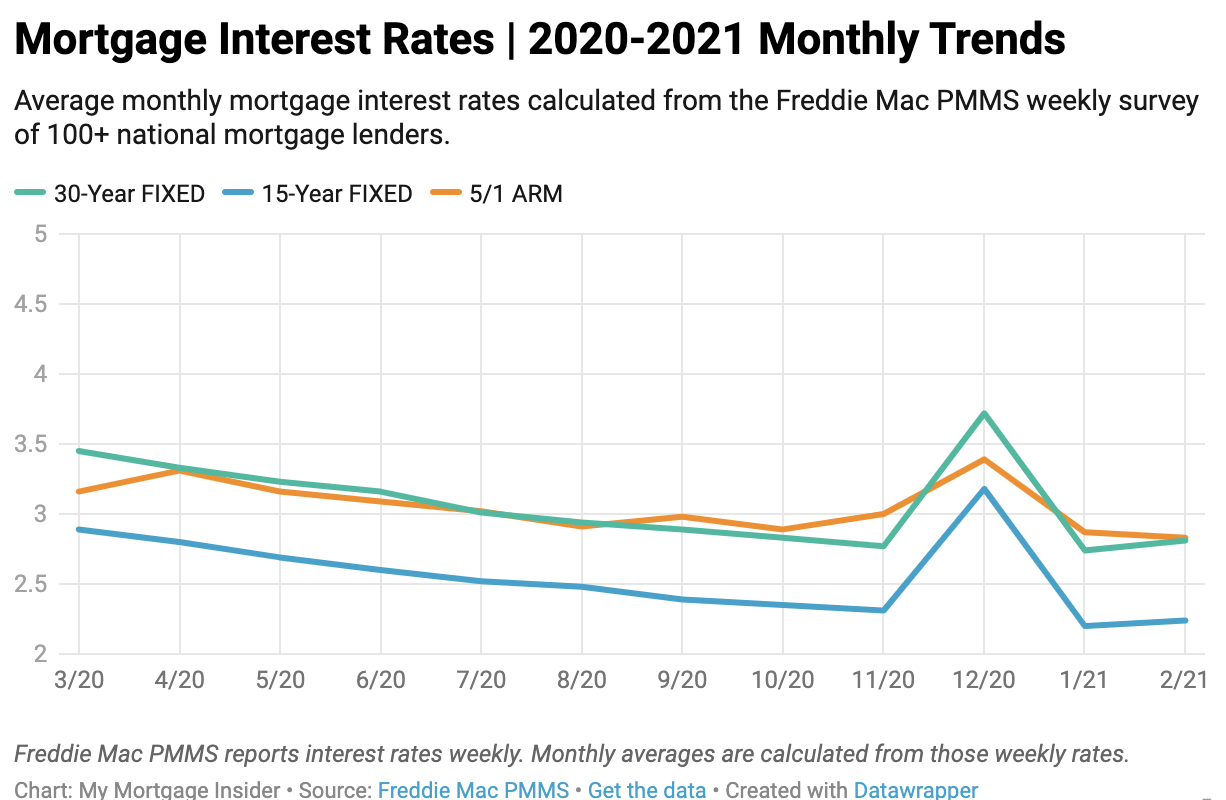
The “right now” in mortgage rates is a moving target, continuously adjusting to the rhythm of the economy. While a specific number can be quoted at any given moment, it’s more crucial to grasp the underlying mechanisms and trends that dictate these figures. Today’s mortgage rates reflect a delicate balance between inflation concerns, the Federal Reserve’s monetary policy, and investor sentiment in the bond market.
The Dynamic Nature of Rates
Mortgage rates are inherently volatile. They don’t just change daily; they can shift multiple times within a single day. This dynamism is a direct consequence of their linkage to the bond market, particularly the yields on U.S. Treasury bonds. When bond yields rise, mortgage rates typically follow suit, and vice-versa. This constant fluctuation necessitates diligent monitoring for anyone looking to lock in a rate. Lenders price their mortgage offerings based on their assessment of risk, their cost of capital, and their desired profit margins, all of which are influenced by the broader market.
Key Economic Indicators at Play
Several powerful economic indicators act as the primary drivers behind mortgage rate movements. Inflation, perhaps the most critical, signals a decrease in purchasing power, prompting the Federal Reserve to consider interest rate hikes to cool the economy. Employment data, such as the monthly jobs report, provides insights into economic health; a strong job market can lead to inflation concerns. Retail sales and manufacturing indices offer snapshots of consumer spending and industrial activity. Geopolitical events, global supply chain issues, and even major policy announcements can also create ripples that affect interest rates. Staying informed about these indicators allows individuals to anticipate potential rate shifts.
How Lenders Set Rates
While the broader economic environment sets a baseline, individual lenders also employ their own criteria to determine the specific rate offered to a borrower. This includes evaluating the borrower’s creditworthiness (credit score, debt-to-income ratio), the loan-to-value ratio (LTV) based on the down payment, the type of property, and the loan term. A borrower with an excellent credit score and a substantial down payment will invariably qualify for a lower rate than someone with a fair credit score and minimal equity. Additionally, lenders factor in their operational costs, risk assessments, and competition within the mortgage market to set their final rates.
Factors Influencing Today’s Mortgage Rates
The determination of mortgage rates is a multifaceted process, heavily influenced by a core set of macroeconomic forces. These factors interact in complex ways, creating the ever-changing environment borrowers face.
Federal Reserve Policy and Interest Rates
The Federal Reserve plays a pivotal role in the trajectory of mortgage rates, primarily through its manipulation of the federal funds rate. While the federal funds rate doesn’t directly dictate mortgage rates, it sets the tone for borrowing costs across the economy. When the Fed raises the federal funds rate to combat inflation, it makes it more expensive for banks to borrow from each other, leading to higher rates on various loan products, including mortgages. Conversely, a dovish Fed stance, often in response to economic slowdowns, can lead to lower rates. Beyond the federal funds rate, the Fed’s bond-buying or selling programs (quantitative easing/tightening) directly impact the supply and demand for mortgage-backed securities, thereby influencing rates.
Inflation Expectations
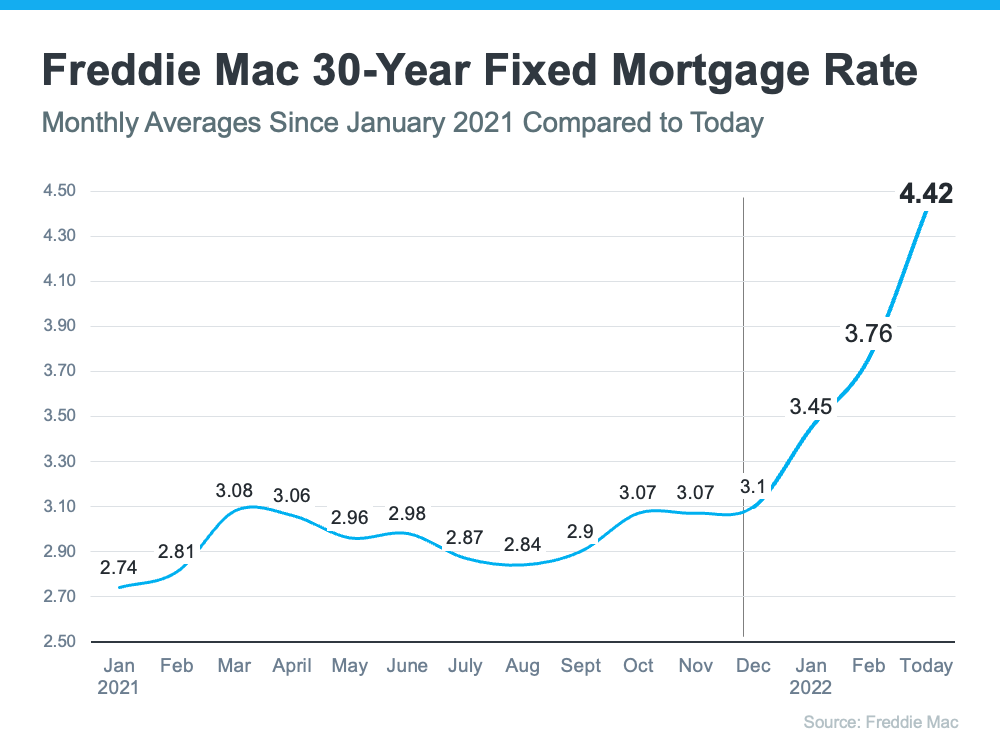
Perhaps the most significant influencer of current mortgage rates is inflation and, more importantly, inflation expectations. Lenders need to ensure that the return on their loans (the interest they earn) outpaces the rate at which money loses its value. If inflation is expected to be high, lenders demand higher interest rates to compensate for the diminished purchasing power of the future repayments they will receive. Conversely, if inflation is tame, there’s less pressure to push rates higher. Recent inflationary pressures have been a primary driver behind the upward trend in mortgage rates.
Treasury Yields
Mortgage rates are closely tied to the yields on U.S. Treasury bonds, especially the 10-year Treasury note. This is because mortgage-backed securities (MBS), which are bundles of mortgages sold to investors, compete with Treasuries for investor capital. If Treasury yields rise, investors demand higher yields from MBS, which translates into higher mortgage rates for borrowers. The 10-year Treasury yield is often seen as a benchmark for long-term interest rates, making its movements a strong predictor for where 30-year fixed mortgage rates are headed.
Economic Growth and Stability
A robust economy with strong job growth and consumer spending typically implies higher demand for credit and potentially higher inflation, which can push rates up. Conversely, signs of an economic slowdown or recession often lead to a flight to safety, where investors pour money into government bonds, driving their yields down and potentially lowering mortgage rates. Global economic stability also plays a role; international financial crises or geopolitical tensions can create uncertainty, influencing investor behavior and, consequently, rates.
Housing Market Demand and Supply
The dynamics within the housing market itself can also exert pressure on mortgage rates. In a red-hot market with high demand and limited supply, lenders may feel less pressure to offer competitive rates as buyers are eager to secure financing. Conversely, in a cooling market, lenders might lower rates slightly to stimulate demand. The inventory of homes for sale, buyer confidence, and the pace of home price appreciation all feed into this equation.
Types of Mortgages and Their Rate Variations
The “what are mortgage rates” question becomes more nuanced when considering the diverse array of mortgage products available. Each type of loan comes with its own rate structure, risk profile, and suitability for different borrowers.
Fixed-Rate Mortgages (FRMs)
The most popular choice, fixed-rate mortgages, are characterized by an interest rate that remains constant for the entire loan term, typically 15 or 30 years. This provides predictability and stability in monthly payments, making budgeting easier and shielding borrowers from potential rate hikes in the future. However, if market rates fall significantly, the borrower would need to refinance to take advantage of the lower rates. The “right now” rate for an FRM is what most people refer to when discussing current mortgage rates.
Adjustable-Rate Mortgages (ARMs)
Adjustable-rate mortgages offer an initial period (e.g., 3, 5, 7, or 10 years) during which the interest rate is fixed, often at a lower rate than a comparable fixed-rate mortgage. After this initial period, the rate adjusts periodically (e.g., annually) based on an index plus a margin set by the lender. ARMs come with caps that limit how much the rate can change in a single adjustment period and over the life of the loan. ARMs can be attractive for borrowers who plan to sell or refinance before the fixed period ends, or those comfortable with potential payment fluctuations. However, they carry the risk of substantially higher payments if rates rise.
Government-Backed Loans (FHA, VA, USDA)
These loans are insured or guaranteed by government agencies, making them less risky for lenders and often resulting in more favorable terms for borrowers.
- FHA Loans: Insured by the Federal Housing Administration, these loans are popular for first-time homebuyers due to their lower down payment requirements and more lenient credit standards. Rates are generally competitive.
- VA Loans: Guaranteed by the Department of Veterans Affairs, these loans are available to eligible service members, veterans, and surviving spouses. They offer significant benefits, including no down payment requirement and often lower interest rates than conventional loans, with no private mortgage insurance (PMI).
- USDA Loans: Backed by the U.S. Department of Agriculture, these loans are designed for low-to-moderate-income individuals purchasing homes in eligible rural areas. They also offer no down payment options and competitive rates.
Jumbo Loans
Jumbo loans are mortgages that exceed the conforming loan limits set by the Federal Housing Finance Agency (FHFA). These limits vary by location but are typically higher in high-cost areas. Because jumbo loans are not eligible for purchase by government-sponsored enterprises like Fannie Mae and Freddie Mac, they represent a higher risk for lenders. Consequently, they often come with stricter underwriting requirements, higher credit score demands, larger down payment expectations, and their rates can sometimes be slightly higher or have different pricing structures compared to conforming loans, depending on market conditions and the lender’s risk appetite.
Navigating the Mortgage Market: Strategies for Prospective Borrowers
Securing a favorable mortgage rate is not solely dependent on market conditions; a borrower’s preparedness and strategic approach play a crucial role. By taking proactive steps, individuals can significantly improve their chances of obtaining the best possible terms.
Improve Your Credit Score
Your credit score is arguably the most influential factor in determining the interest rate you’ll be offered. Lenders use it as a primary indicator of your creditworthiness and repayment reliability. A higher credit score (typically 740 and above) signals lower risk, qualifying you for the most competitive rates. Before applying for a mortgage, review your credit reports for errors, pay down existing debts, avoid opening new credit lines, and make all payments on time to boost your score.
Increase Your Down Payment
A larger down payment reduces the loan-to-value (LTV) ratio, which is the amount of the loan compared to the home’s appraised value. A lower LTV means less risk for the lender. For instance, putting down 20% or more typically allows you to avoid private mortgage insurance (PMI) on conventional loans, saving you money monthly. More importantly, a significant down payment can lead to a lower interest rate, as lenders perceive less risk and are more willing to offer preferential terms.
Shop Around and Compare Offers
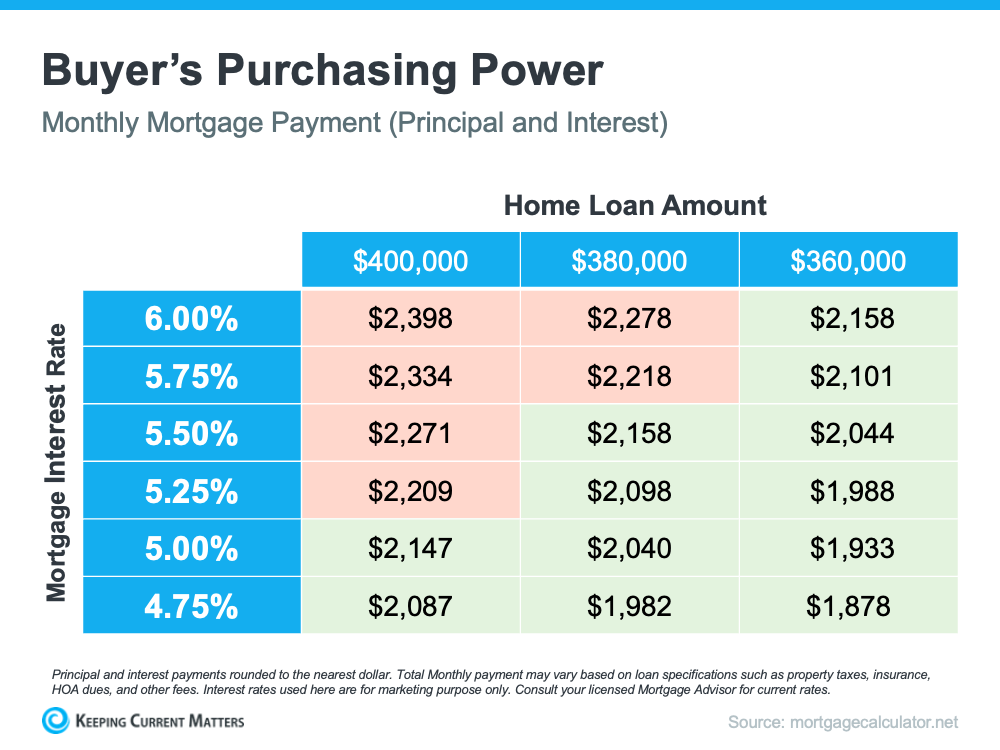
It’s a common mistake to accept the first mortgage offer received. Mortgage rates and fees can vary significantly between different lenders—banks, credit unions, and independent mortgage brokers. Applying to multiple lenders (within a short window, usually 14-45 days, to minimize credit score impact) allows you to compare annual percentage rates (APRs), origination fees, closing costs, and other terms. A difference of even a quarter of a percentage point can save you tens of thousands of dollars over the life of a 30-year mortgage.
Consider Discount Points
Discount points are a form of prepaid interest that borrowers can pay at closing to “buy down” their interest rate. One point typically costs 1% of the loan amount and can reduce the interest rate by a certain fraction (e.g., 0.125% to 0.25%). This strategy is beneficial if you plan to stay in the home for an extended period, as the savings on interest will eventually outweigh the initial cost of the points. Calculate the breakeven point to determine if purchasing points makes financial sense for your situation.
Understand Refinancing Opportunities
For existing homeowners, monitoring current mortgage rates is crucial for identifying refinancing opportunities. If rates have dropped significantly since you originated your loan, refinancing could lower your monthly payment, reduce the total interest paid, or shorten your loan term. Cash-out refinancing can also allow you to tap into your home equity. However, refinancing involves closing costs, so it’s essential to calculate whether the long-term savings justify the upfront expenses.
The Future Outlook for Mortgage Rates
Predicting the future of mortgage rates with absolute certainty is impossible, given the myriad of unpredictable economic and geopolitical variables at play. However, by analyzing prevailing trends and expert consensus, one can form a more informed perspective on potential directions.
Expert Predictions and Consensus
Financial analysts and housing market economists constantly issue forecasts for mortgage rates, often based on their outlook for inflation, the Federal Reserve’s monetary policy, and overall economic growth. While there’s rarely a unanimous consensus, common themes emerge. Many experts often provide ranges or general directions (e.g., “rates likely to remain elevated,” “potential for modest declines”). These predictions are typically updated quarterly or annually and are highly sensitive to new economic data releases. Staying attuned to these professional insights, while understanding their inherent limitations, can offer valuable guidance.
Potential Economic Shifts
The future trajectory of mortgage rates will largely depend on how the global economy evolves. A sustained period of high inflation would likely compel central banks to maintain restrictive monetary policies, keeping rates higher. Conversely, a significant economic downturn or a rapid deceleration in inflation could prompt central banks to cut rates, leading to a decline in mortgage costs. Geopolitical stability, energy prices, and the health of international supply chains also represent critical variables that could trigger unforeseen economic shifts, impacting rates. The resilience of the job market and consumer spending will also be key indicators to watch.
Long-Term Trends vs. Short-Term Fluctuations
It’s important to distinguish between short-term volatility and long-term trends. Mortgage rates experience daily and weekly fluctuations driven by immediate market reactions to news. However, broader trends—such as a period of generally rising or falling rates over several months or years—are typically shaped by more fundamental economic forces like demographic shifts, technological advancements, and shifts in global capital flows. While short-term movements might create opportunities or challenges, understanding the underlying long-term trajectory is crucial for making strategic financial decisions regarding homeownership.
In conclusion, “what are mortgage rates at right now” is a question with a dynamic, multifaceted answer. They are a product of complex economic forces, central bank policies, and individual lender criteria. For anyone navigating the housing market or managing an existing mortgage, continuous awareness of these factors is key. By understanding the influences, exploring different loan types, and proactively improving one’s financial standing, borrowers can position themselves to secure the most advantageous rates possible, paving the way for sound financial health and successful homeownership. Always seek personalized advice from qualified financial and mortgage professionals to make decisions best suited to your unique circumstances.
aViewFromTheCave is a participant in the Amazon Services LLC Associates Program, an affiliate advertising program designed to provide a means for sites to earn advertising fees by advertising and linking to Amazon.com. Amazon, the Amazon logo, AmazonSupply, and the AmazonSupply logo are trademarks of Amazon.com, Inc. or its affiliates. As an Amazon Associate we earn affiliate commissions from qualifying purchases.